


While Filipinos are not yet heavy credit card users, the rising popularity of regional travel is driving a change. In particular, the emergence of travel-focused credit cards is enabling more and more Filipinos to fit multiple annual overseas trips into their regular lifestyle.
But while premium credit cards make traveling much simpler, you do need to be careful with the timing. If your income doesn’t line up with your billing cycle, the cost of your trip may seriously impact your happy memories.
Fortunately, if you understand how to plan around your credit card billing cycles, you’ll gain more control over cash flow and avoid unnecessary interest. Even better, if you have the best premium travel credit card Philippines-based issuers offer, for example the increasingly popular Maya Black, you can enjoy more rewards and possibly better experiences on your next trip.
Aligning your travel expenses with your billing cycle isn’t always easy, but with these tips, you should be on the right track. Go through these helpful suggestions before you book that next international trip:
1) Try to Book Flights Right After Your Cycle Resets
If your credit card’s billing cycle just closed, this can be a good time to book major expenses like flights and accommodations. Timing your big-ticket expenses this way gives you the longest possible window before payment is due. This can give you around a month or more of breathing room, depending on your card’s cutoff and grace period structure.
2) Align Your Hotel Bookings with Your Payment Schedule

Hotels often charge at check-in or checkout, not at booking. However, this is not universal. To make things more confusing, a hotel might ask for your credit card number at booking to secure your room, but they might not actually begin the payment process until you arrive. These situations can be especially frustrating because not all hotels will tell you that they’re doing this when they ask for your card number online.
Be sure to ask the hotel upfront about when they process card payments. Knowing when charges will actually post helps you choose dates that fall early in your cycle and just makes for better planning.
3) Time Large Group Bookings Carefully
Paying upfront for family or group travel can mean hefty charges in one go. If your income or savings can’t handle paying it all off in one cycle, spread your expenses across at least two cycles to avoid interest payments. For example, you can book flights now, accommodations on the next cycle, and reservations for tours and local attractions the next. This way, you avoid paying interest on your card and enjoy a lot more points.

4) Know How Your Card’s Refunds and Reversals Work
Airline and hotel cancellations are sometimes necessary. When these happen, it’s not unusual for refunds to take multiple cycles to complete. These may not reflect until the next billing cycle, meaning your statement balance could still look inflated for a time. Keep these potential delays in mind and contact the hotel or airline to confirm the delay to avoid needless short-term stress.
5) Stack Your Card Rewards with Seasonal Sales
Promos like seat sales or holiday discounts are tempting, but you’ll want to check how close they are to your billing cycle cutoff. There is some risk of losing your slots, but buying just a few days later could push the expense into the next cycle, giving you more time to repay while still letting you enjoy that discount.
6) Look into Your Card’s Preferred Merchant Rewards
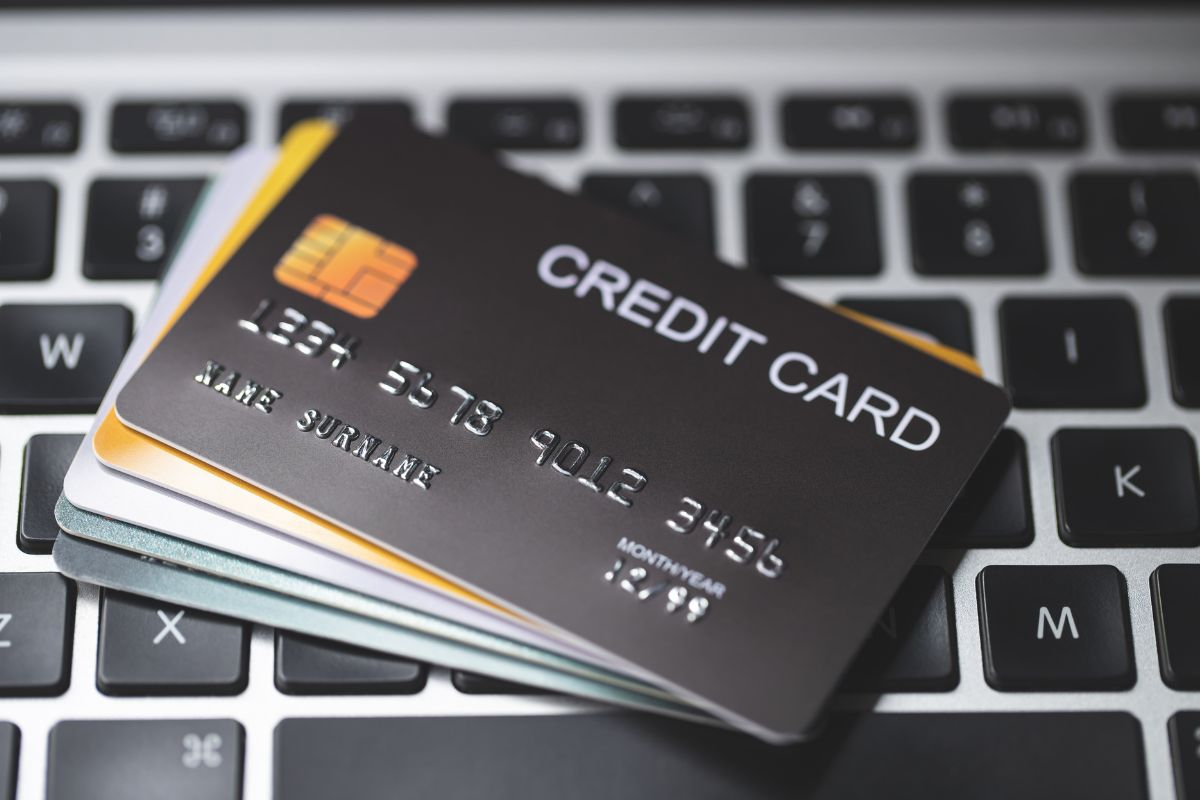
More and more premium cards are offering point multipliers when you use them with certain airlines or merchants. But as great as these rewards are, you’ll still want to time these purchases early in the cycle. This way, you’ll earn more points as well as more time to repay your credit card bill.
7) Redeem Miles or Points to Offset the Same Cycle
Don’t just let rewards pile up. If your card’s miles can be used at checkout, try to redeem them in the same cycle as your big travel purchases. This can shrink your statement balance right before payment is due.
8) Use Your App to Monitor Foreign Transactions
Traveling overseas naturally involves overseas spending. In these cases, you might experience delays due to currency conversions and inter-network issues. For more clarity, use your provider’s mobile app to track these real-time peso equivalents, so you have an idea whether they’ll hit before or after your cycle closes.
9) Keep a Buffer for Post-Trip Expenses
Lastly, your travel expenses don’t end when you get back home. The last-minute souvenirs, ride-shares, or meals may post late. Leaving space in your budget ensures you won’t be caught off guard when your statement arrives.
Beat Your Billing Cycle with Calendar-Ready Planning
Timing your billing cycle is a next-level move for stretching your budget and avoiding the financial hangover that haunts so many Filipino travelers. If frequent travels are your thing, you owe it to yourself to learn these techniques and to get the right card for the job. With the right credit card in your wallet, smarter timing can become a real means for more frequent travels, well into the future.


