

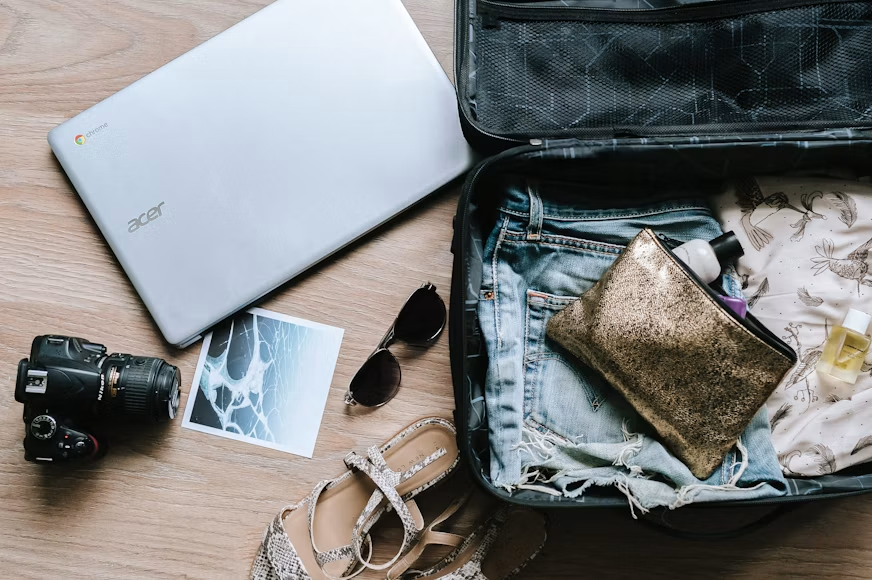
Have you ever hovered over an unpacked suitcase three days before vacation and felt queasy?
That’s normal.
Going away for the weekend is simple. Going away for a month? Totally different story — particularly when you’ve got six people going and limited space in the car.
Here’s the problem:
The average person packs for 30 days the way they pack for three. They simply bring more. More clothes. More shoes. More “what if I need this” that never get used.
It doesn’t work.
The best news? Packing for a month away doesn’t require a month’s supply of stuff. It requires a system. And that system is much easier than most realize.
What’s inside:
- Why Long Trips Break Normal Packing Habits
- The Daily-Use Items To Pack First
- Building A Wardrobe That Covers 30 Days
- Space-Saving Tactics That Genuinely Work
- Buy It There Or Bring It?
Why Long Trips Break Normal Packing Habits
Overpacking isn’t a rare skill issue. It’s the default setting for almost everybody.
New study showed that 38% of experienced travelers cite overpacking as their number one travel mistake. These are folks that spend a lot of time on airplanes. If they have trouble with it, your family visiting for 4 weeks will never get it right without forethought.
And there’s a reason for that.
Packing isn’t rational. Every single thing that goes into your bag was insisted upon by a little narrative voice in your head. It’ll change unexpectedly. They’ll be closed. The toddler will make a mess. Individually, these stories make sense. Twelve dozen of them fill a suitcase.
Long trips exacerbate this problem because FOMO increases with each passing day on the calendar. Thirty days requires thirty outfits. It doesn’t. It requires eight, tops. And a washing machine.
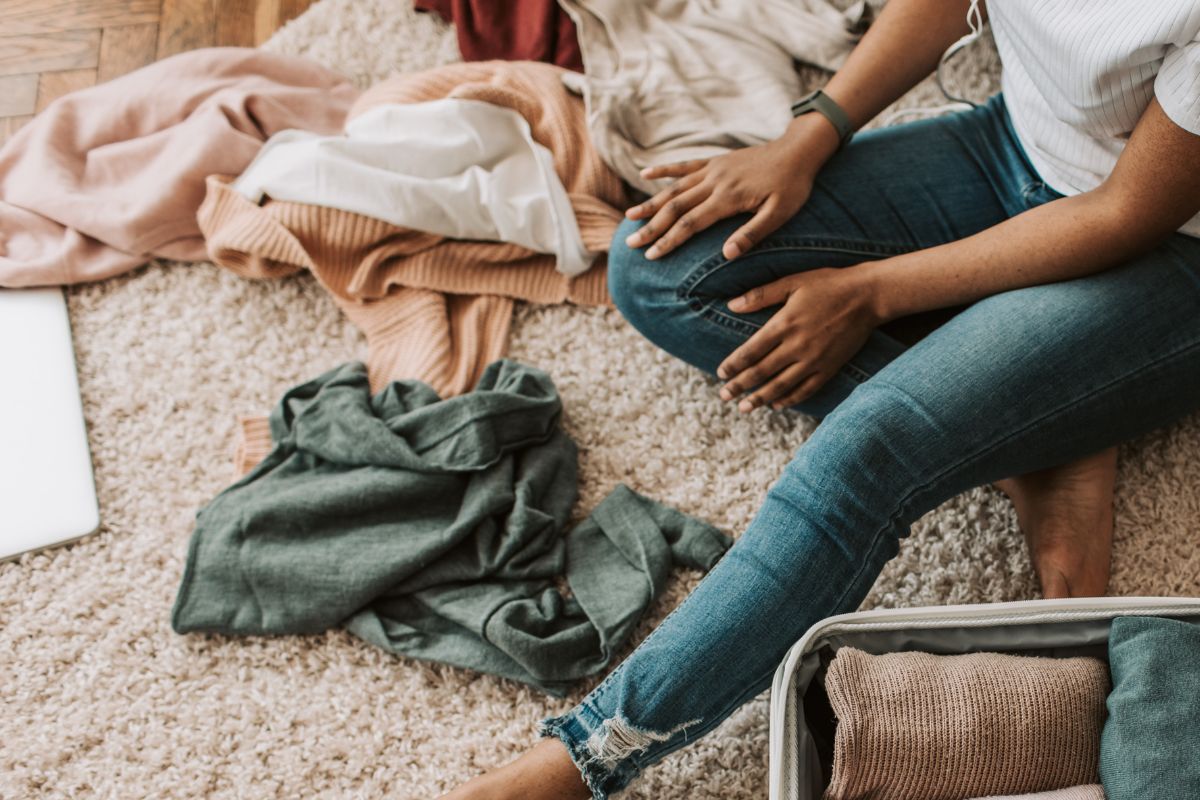
The Daily-Use Items To Pack First
Here’s the fix: flip the whole process around.
Start with items not clothing. Start with what the family automatically grabs each and every morning. Ones that drive you crazy when they can’t be found because everyone uses them daily from day one.
Coffee is a great example. Purchasing coffee is a chore most households take care of weekly at home already, and trying to find it in an unfamiliar rental kitchen is no fun. Rental-area corner markets offer tiny retail packets at tourist prices that are gone in three mornings if four adults are each having two cups. Packing a couple of bulk coffee bags in the car before you leave solves all that with one simple task. One 5 lb bag in its sealed wrapper takes up less space than a bunch of small packets, is priced far cheaper per cup, and removes an errand from the first morning of your trip. It matters more than you might think, because 82% brew coffee at home as per nationwide consumption figures. So when that monthly routine gets broken, people notice.
The same logic applies to a short list of other true daily items:
- Prescription medication — enough for the full trip, plus a week
- Chargers and cables — one per person, labelled
- Contact lens solution and spare lenses
- A single comfort item per child
Pay attention to what wasn’t on that list. Clothes. Clothes should be the last thing on your mind, not the first. Clothes are the only category that can be washed and worn over and over again.
Building A Wardrobe That Covers 30 Days
Seven to ten days worth of clothing per person is the magic number for just about any month-long journey.
That’s all there is to it. Laundry can be found anywhere. Rentals come with machines, campgrounds have facilities and hotels have laundry services. Doing one load per week takes you fifteen minutes and frees up a whole suitcase per person.
In order to fit seven days’ worth of outfits into four weeks, everything you pack must justify its place by coordinating with everything else. This involves choosing a neutral colour palette – navy, grey, black, denim – and denying space to anything that only matches one other piece. A shirt that matches three pairs of trousers deserves to be packed. A shirt that only matches one is baggage.
Shoes are where most people fail. Shoes are heavy, clunky and take up more space than anything else per valuable item. Limit yourself to three pairs max per month: a comfortable walking pair (worn on travel day), a smart pair, sandals/slides. Nothing else fits.
Layers also beat bulk in other ways. Two light layers will generally cover a broader temperature range than one heavy jumper. They also compress down to a fraction of the bulky layer’s size. A packable rain shell can substitute for a coat most of the time.

Space-Saving Tactics That Genuinely Work
Once the list is right, packing technique squeezes out the last bit of room.
Rolling clothes instead of folding saves space (more into the case) and fewer wrinkles. Packing cubes take it one step further by compressing the roll even more, and, more importantly, separating each person’s belongings — which is where packing cubes really shine for families, since no one has to unpack four bags looking for a pair of socks.
Heavy things should always be loaded at the wheel end of the case. Shoes, books and toiletry bags resting on the bottom prevent luggage from tipping forward and also keep fragile items from being squished. Fill shoes with socks and underwear, otherwise you’re wasting that space!
Leave the bulkiest things out of your bag entirely. Boots, hoodies and jackets can be worn on your day of travel. It feels a little awkward at the airport but saves you massive amounts of space.
Buy It There Or Bring It?
How much will you compete with? That determines most of your total weight. There is a simple rule for this.
Bring anything that:
- Gets used daily by multiple people
- Costs significantly more at the destination
- Is hard to find in an unfamiliar town
Buy anything that:
- Is heavy, liquid, and cheap everywhere
- Only gets used once or twice
- Runs out quickly and can be replaced easily
Shampoo, sunscreen and washing powder fall firmly into the second group. Transporting four weeks worth of liquids halfway across the country makes no sense when you can buy the same thing at the local supermarket. Household staples that everybody uses every day fall into group one, which is exactly why they should be on your packing list before you even choose your first T-shirt.
Tying It All Together
Learning how to pack for a month isn’t about being smart with your luggage. It’s about choices you make beforehand.
The plan is short:
- Pack the daily-use essentials first
- Cap clothing at seven to ten days and plan on laundry
- Limit shoes to three pairs and wear the heaviest one
- Roll, cube, and put weight at the wheels
- Buy the cheap, heavy, replaceable stuff at the destination
Do this and your bag zips peacefully, the car door really closes, and no one misses the first morning of a highly anticipated vacation scouring the parking lot for a grocery store.
Which is the point of going away in the first place.


