


Japan has become one of the most popular international destinations for Australian travellers, thanks to its mix of culture, food, and scenery within a relatively short flight from major Australian cities. Before booking your trip, it helps to know a few practical details that can make the journey smoother from the moment you land. Here is what to sort out before you fly.
Visa and Entry Requirements
Australian passport holders do not need a visa for tourism or business visits to Japan of less than 90 days, which makes planning a trip relatively straightforward. It is worth checking that your passport is valid for at least six months beyond your travel dates, since this is a common entry requirement. Many travellers now also complete their immigration and customs details in advance through Visit Japan Web, which can speed up the arrival process significantly.
Best Time to Fly and Book
Cherry blossom season in spring and the autumn foliage period are the most popular times to visit, so flights and accommodation tend to book out early and cost more during these windows. Shoulder seasons often offer a good balance of pleasant weather and lower prices, especially for travellers with flexible dates. Booking flights several months ahead generally secures better fares, particularly from major Australian gateway cities.

Travel Insurance Essentials
Comprehensive travel insurance is worth arranging before departure, covering medical costs, trip cancellation, and lost luggage. Healthcare in Japan is high quality but can be expensive without cover, so this is not a step worth skipping. Checking that your policy covers any planned activities, such as skiing or hiking, is also worth confirming before you go.
Money Matters
Japan remains more cash reliant than Australia in many smaller shops, restaurants, and rural areas, so carrying some yen is a good idea even if you plan to use cards elsewhere. Exchanging some currency before departure or shortly after arrival at the airport is generally straightforward. Topping up an IC transport card also makes getting around cities considerably easier once you land.
Staying Connected Before You Land
Getting online quickly after arrival makes navigating airports, trains, and unfamiliar streets far easier. Many Australians now set up a Japan eSIM before departure, which lets compatible phones connect to a local network as soon as they land, without needing to queue for a physical SIM card. Pocket WiFi devices remain a solid alternative for group trips or older phones that are not eSIM compatible, so it is worth deciding which option suits your device and travel style.
Packing and Climate Tips
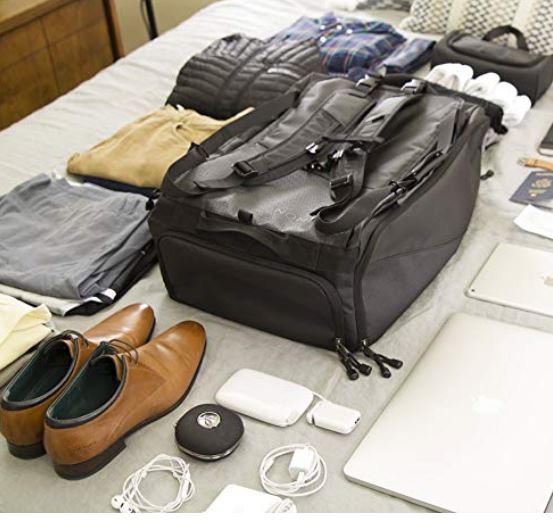
Japan’s climate varies significantly by season and region, so checking the weather for your specific travel dates and destinations helps with packing. Layering is generally the safest approach, since indoor heating and air conditioning can differ noticeably from outdoor temperatures. If you take regular medication, carrying a translated prescription list can help avoid any issues at customs or pharmacies.
Basic Etiquette to Know
Simple customs, such as removing shoes indoors, queuing in an orderly line for trains, and speaking quietly on public transport, are widely observed and appreciated by locals. Onsen, or hot spring baths, typically have specific rules around washing before entering and tattoo policies worth checking in advance. A little awareness of these customs goes a long way toward a smoother, more comfortable trip.
Final Thoughts
None of this preparation takes long, but sorting out visas, insurance, money, and connectivity in advance means you can spend more time enjoying Japan and less time troubleshooting once you arrive. A little planning before departure sets the tone for a much smoother holiday.


