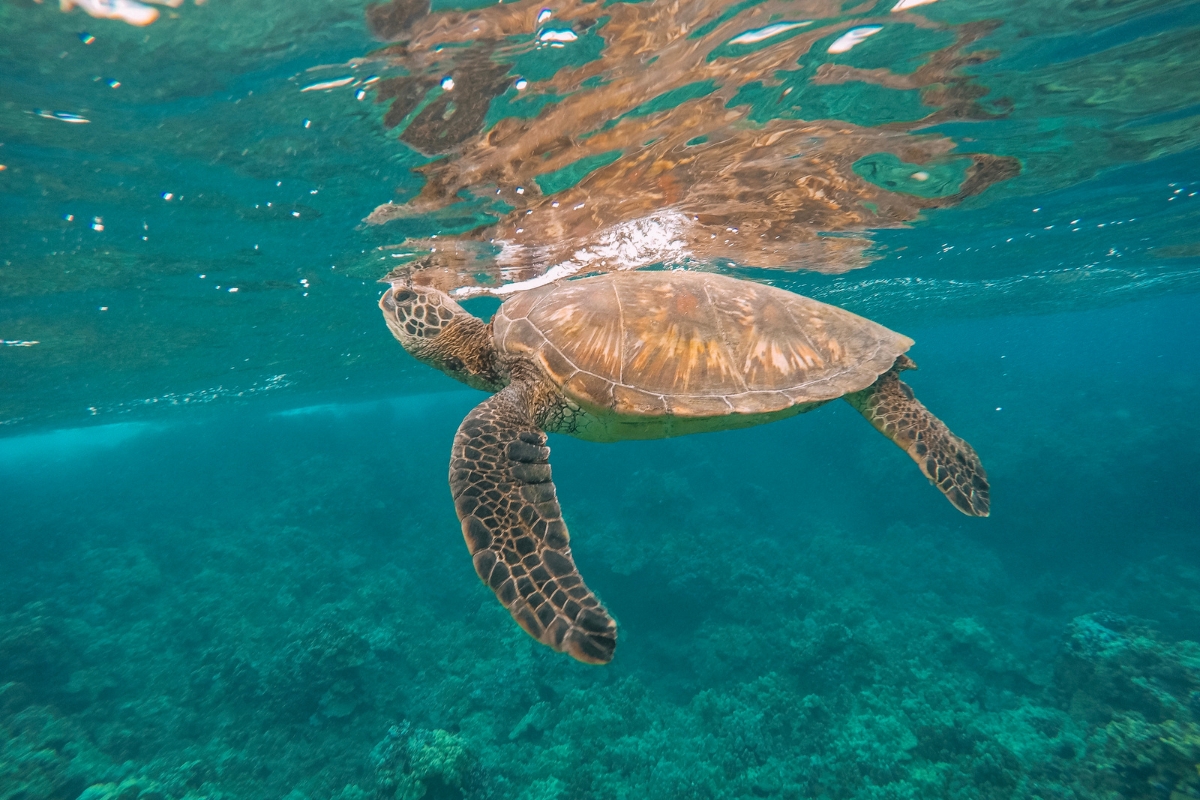


Planning a trip to the Galápagos Islands is a once-in-a-lifetime experience for many travelers, but one of the biggest questions people ask is simple: How many days do you actually need in the Galápagos? The answer depends on your budget, travel style, and what you want to see—but there are some clear guidelines that can help you plan the perfect itinerary.
This review covers everything you need to know about how long to stay in the Galápagos, why trip length matters, and itinerary ideas based on different travel durations.
Why Trip Length Matters in the Galápagos
The Galápagos Islands are not your typical beach destination. This remote archipelago sits about 600 miles off the coast of mainland Ecuador, and getting there requires planning around flights, boat schedules, and national park regulations. Because of this, travel logistics alone will take up a significant portion of your trip time.
Most visitors fly from Quito or Guayaquil to the islands, which takes about two to three hours. However, flights usually arrive late morning and depart early morning, meaning the first and last days of your trip are only half days at best. This is why a trip that looks like “4 days” on paper often turns into just two full days of actual exploration.
The Galápagos archipelago is also massive. It consists of 13 major islands, dozens of smaller islands, and a huge marine reserve filled with wildlife. You cannot see everything in just a few days, and the real magic of the Galápagos lies in visiting multiple islands and ecosystems.
The Minimum Time You Should Spend in the Galápagos
Technically, it is possible to visit the Galápagos for as little as two or three days, especially if you are already traveling in South America and want to add a short visit. You would likely stay on one of the inhabited islands such as San Cristóbal or Santa Cruz and take a day trip to a nearby island.
However, most experts agree that four days is the absolute minimum, and even that can feel rushed. With a four-day trip, you will only have about two full days of exploration due to flight schedules.
A five-day trip is generally considered the recommended minimum, especially if you are traveling all the way to this remote destination. In five days, you can visit several islands, see a variety of wildlife, and experience different landscapes such as lava fields, beaches, and highlands.
If you spend less than five days, you may see some wildlife, but you will miss the full biodiversity that makes the Galápagos so unique.
The Recommended Length: 7–8 Days
If you want the best balance between time, cost, and experience, seven to eight days is the ideal length for a Galápagos trip.
This is the most popular trip length for a reason. A week gives you enough time to visit several islands, see a wide variety of wildlife, and participate in activities like snorkeling, kayaking, hiking, and wildlife photography.
It is also important to remember that on a weeklong cruise, you will likely spend only about six days actually exploring the islands, since the first and last days are travel days.
Still, within those six days, you can experience many highlights of the Galápagos, including:
- Giant tortoises in the highlands
- Sea lion colonies on beaches
- Marine iguanas on lava rocks
- Snorkeling with sea turtles, reef sharks, and penguins
- Birdwatching for blue-footed boobies, frigatebirds, and Darwin’s finches
- Hiking volcanic landscapes and crater viewpoints
For most travelers, this is enough to feel like they truly experienced the Galápagos.
The Ideal Trip: 10 Days or More
If your budget and schedule allow, a 10-day trip is even better. With more time, you can visit more remote islands and see more diverse ecosystems and wildlife.
Longer trips often include islands that shorter itineraries cannot reach, such as Fernandina and the western side of Isabela Island. These areas are known for unique wildlife such as flightless cormorants and Galápagos penguins.
A 10-day trip also allows for a more relaxed pace. Instead of constantly moving from place to place, you can spend more time exploring each island and enjoying activities like snorkeling, diving, hiking, and Zodiac excursions.
For travelers who want a comprehensive Galápagos experience, the recommended trip length is 10 to 15 days. Some travelers even book back-to-back cruises to visit as many islands as possible, since national park rules prevent ships from visiting the same site more than once every two weeks.
Is a Cruise the Best Way to See the Galápagos?
One of the biggest decisions when planning a Galápagos trip is whether to take a cruise or do a land-based trip.
While land-based travel is becoming more popular, a cruise is still the most efficient way to see the Galápagos. Ships travel between islands while you sleep or eat, so you don’t waste time on transportation. Cruises can also reach more remote islands that are not accessible by day trips or ferries.
There is also a conservation benefit. The Galápagos is a protected national park, and limiting infrastructure on the islands helps preserve the environment. Small expedition ships often have strict environmental guidelines and sometimes even contribute to conservation efforts.
Land-based trips, on the other hand, offer more flexibility and can be cheaper, but they are usually limited to the main inhabited islands and require ferry rides between them, which can take two to two-and-a-half hours each way.
For travelers who want a seamless and well-organized trip, booking a Galapagos Islands vacation package by Voyagers Travel can be a convenient way to combine cruises, island tours, and accommodation into one easy itinerary.
Itinerary Ideas Based on Trip Length
Here is a general overview of what a Galápagos itinerary might look like depending on how many days you have.
2–3 Day Itinerary (Short Visit)
This is only recommended if you are already in South America.
Typical itinerary:
- San Cristóbal Island (sea lions, snorkeling, tortoise reserve)
- Day trip to Española Island (beautiful beaches, marine iguanas, bird colonies)
This is a quick introduction but not a full Galápagos experience.
4-Day Itinerary
A four-day cruise is the shortest available sea voyage.
Typical stops:
- Baltra and Santa Cruz
- Santiago Island
- Genovesa Island
- Rábida Island
This itinerary focuses on volcanic landscapes, birdlife, and some snorkeling opportunities.
5-Day Itinerary
A five-day cruise gives you four full days of exploration and a much better experience than a four-day trip.
Typical stops:
- Santa Cruz
- Santiago
- Sombrero Chino
- Genovesa
- Santa Fe
- South Plaza
This itinerary includes giant tortoises, sea lions, reef sharks, penguins, frigatebirds, and both land and marine iguanas.
7-Day Itinerary (Recommended)
A weeklong trip allows you to visit more remote islands and see more wildlife.
Typical stops:
- San Cristóbal
- Española
- Floreana
- Isabela
- Bartolomé
- Mosquera
- Santa Cruz
Highlights include flamingos, giant tortoises, volcanic landscapes, and iconic viewpoints like Pinnacle Rock.
8–9 Day Itinerary
With an extra day or two, itineraries often include northern and western islands.
Typical stops:
- Santa Cruz
- Genovesa
- South Plaza
- Santa Fe
- Mosquera
- Santiago
- Rábida
- Isabela
- Fernandina
This itinerary includes diverse plant life, seabird colonies, and unique marine ecosystems.
10-Day Itinerary
A 10-day trip is considered a full Galápagos experience.
Typical stops:
- Española
- Floreana
- Santa Cruz
- Daphne Islet
- Bartolomé
- Sombrero Chino
- Santiago
- North Seymour
- Rábida
- Fernandina
- Isabela
- Santa Fe
- San Cristóbal
This itinerary includes both incredible wildlife and rich marine environments created by ocean currents.
12–14 Day Itinerary
Longer trips often combine the Galápagos with mainland destinations such as Machu Picchu, Cusco, Lima, or the Ecuadorian Amazon.
A 14-day Galápagos trip often involves two back-to-back cruises, allowing you to visit nearly every island open to tourists.
This is the ultimate Galápagos experience and offers the best chance to see rare wildlife such as orcas, dolphins, and ocean sunfish.
How Long to Spend on Each Island
Time spent on each island depends on how many visitor sites are there. Smaller islands may only have one landing site and require just a few hours to explore. Larger islands like Santa Cruz, San Cristóbal, and Isabela often deserve two to three days each if you are doing a land-based trip.
If traveling independently, a good rule is:
- 2–3 days on Santa Cruz
- 2–3 days on San Cristóbal
- 2–3 days on Isabela
This allows time for beaches, snorkeling, hiking, and wildlife excursions.
Final Verdict: How Many Days Do You Need in the Galápagos?
There is no single perfect answer, but here is a simple guideline:
- 4 days – Absolute minimum (rushed)
- 5 days – Recommended minimum
- 7–8 days – Ideal for most travelers
- 10 days – Excellent, more complete experience
- 14 days – Ultimate Galápagos adventure
If you are traveling all the way to the Galápagos, it makes sense to stay as long as you can afford. The more islands you visit, the more wildlife and landscapes you will see, and the more unforgettable your trip will be.
Conclusion
The Galápagos Islands are one of the most extraordinary destinations on Earth, famous for their wildlife, volcanic landscapes, and role in the development of the theory of evolution. Because the islands are remote and travel logistics take time, planning the right trip length is essential.
For most travelers, a 7- to 8-day trip offers the perfect balance, while 10 days or more provides a deeper and more comprehensive experience. Shorter trips are possible, but they only offer a small glimpse of what the islands have to offer.
Ultimately, the best itinerary depends on your travel goals, whether you prefer a cruise or land-based trip, and how much time and budget you have. But one thing is certain: no matter how long you stay, the Galápagos Islands will leave a lasting impression and a deep appreciation for the natural world.