


Planning a road trip anytime soon?
There’s nothing like feeling the freedom of the open road… Except when driving can be one of the most dangerous activities you participate in all year. Short weekend trip or cross-country trek. Same rules.
The reality is that the majority of accidents that happen on road trips are 100% preventable. By practicing a couple of simple habits before and during your trip, you can significantly reduce your chance of being in an accident.
Here’s what most travelers get wrong…
They obsess over the fun details — munchies, playlists, pit stops — but ignore the mundane safety stuff that actually saves their lives.
Let’s fix that.
The Roadmap Ahead:
- Why Road Trip Safety Matters
- The Biggest Highway Danger Today
- Top Pre-Trip Safety Checks
- Smart Habits Behind The Wheel
- What To Do If The Worst Happens
Why Road Trip Safety Matters
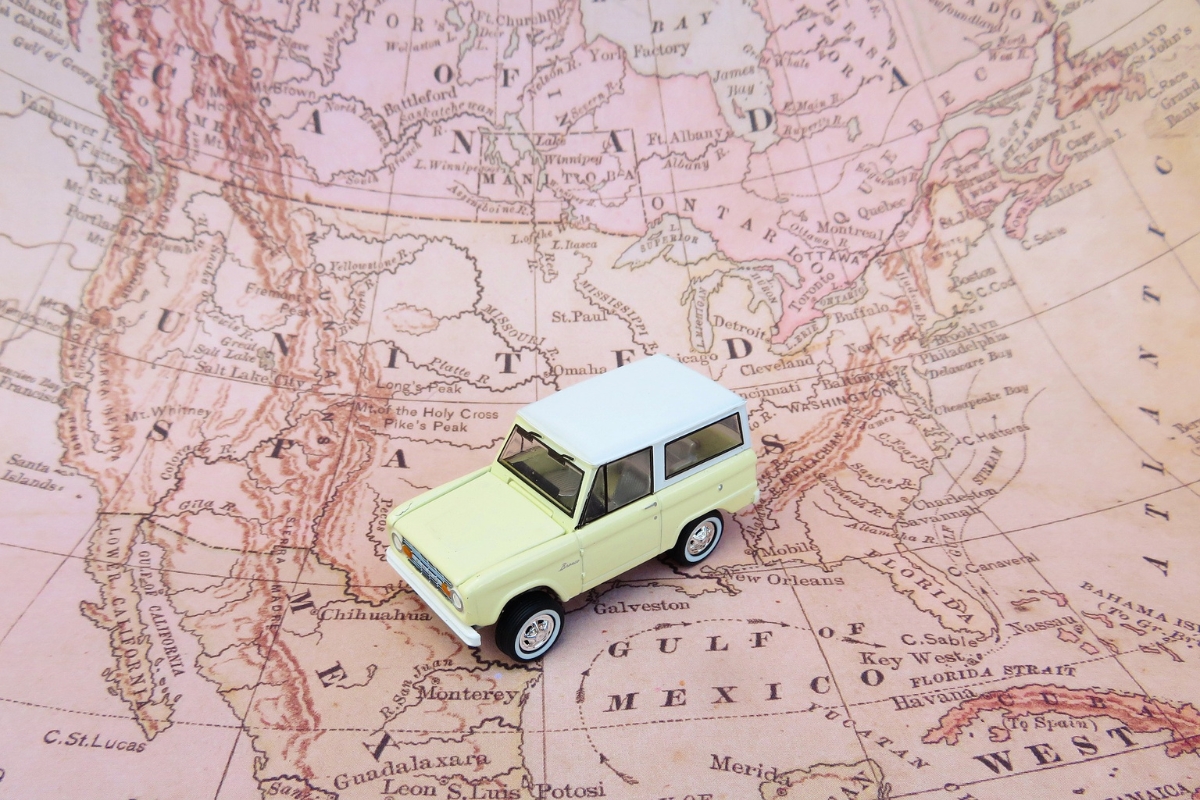
Road trips are the classic American vacation… but the highway isn’t always your friend.
NHTSA says 39,254 people died in traffic crashes in 2024. That’s a lot of people. Long distances put you into high-risk territory:
- Longer hours behind the wheel
- Unfamiliar roads
- Fatigue
- More cars, trucks, and distractions
The good news? Small changes make a huge difference. Let’s dig in.
The Biggest Highway Danger Today: Distracted Driving
If there’s one thing to remember before you turn the key…
Here’s the thing. Distracted driving is one of the fastest-growing dangers on the road. The NHTSA says 3,275 people died in crashes with distracted drivers in 2023. That’s about 8% of all traffic fatalities.
It takes just a few seconds for a distracted driving accident to occur. According to the NHTSA, typing out one text while driving at 55 mph will keep your eyes off the road the distance of a football field.
Yikes.
Just in case you find yourself involved in a distracted driving accident, make sure you have the proper legal resources on your side. Learn how a car accident lawyer can guide you through the steps to take after a crash in the Minneapolis area and help preserve your rights at https://www.meshbesher.com/practice-areas/minneapolis-car-accident-lawyer/.
Common driving distractions include:
- Texting or scrolling
- GPS fiddling
- Eating and drinking
- Reaching for something in the back seat
- Loud conversations with passengers
Looking up, hands on the wheel, phone down. A $10 phone mount could save your life. Duh.
Top Pre-Trip Safety Checks
Before you even pull out of the driveway…
You should do a quick safety inspection. 90% of breakdowns and accidents are caused by something minor overlooked prior to departure.
Check Your Vehicle
Your car will be doing a lot of work on a long trip. Show it some TLC before you depart:
- Check tire pressure and tread
- Top up all fluids (oil, coolant, wiper fluid)
- Test brakes, lights, and turn signals
- Make sure the spare tire and jack are ready
If something doesn’t feel right, bring it to a mechanic. They can fix it now for much less than if you break down on the side of the road.
Pack A Safety Kit
Every road trip car should have a basic emergency kit. This includes:
- Jumper cables
- First aid kit
- Flashlight and extra batteries
- Water and snacks
- Reflective triangles or flares
- Blanket
Hopefully you’ll never use it. But if you do, you’ll be very happy you have it.
Plan Your Route
Don’t just rely on GPS.
Spend 15 minutes looking over your route before you leave. Take notice of the major cities you will travel through, where rest stops are, and where you’ll refuel. This allows you to:
- Avoid dangerous night driving where possible
- Time meals and breaks
- Spot construction zones and traffic ahead
Being prepared beats being surprised.
Smart Habits Behind The Wheel
Life on the road can change you. These are the habits of safe long-distance drivers.
Take Regular Breaks
Sleepy drivers kill without warning. According to a study by AAA in 2024, tired drivers were involved in 17.6% of all fatal accidents.
That’s about 1 in 6 fatal accidents.
The rule most experts recommend is simple:
Stop every 2 hours or 100 miles.
Walk around. Drink water. Rest your mind. If you yawn or nod off, pull over. Caffeine helps. …But only sleep cures tiredness.
Buckle Up. Every Time.
This is common sense but some people ignore it. Especially rear-seat passengers. Seatbelts are LIFE SAVERS. Period.
Watch Your Speed
Speeding reduces your time and distance to react. Speeding also increases the severity of a crash. Use cruise control and set your speed around the speed limit.
Keep A Safe Following Distance
The 3-second rule works well:
- Pick a fixed point ahead
- While it goes by the car in front of you count “one one thousand, two one thousand, three one thousand”
- If you reach the point before three seconds, back off
Simple. Effective.
Watch The Weather
Weather conditions can shift quickly during extended road trips. Check the weather forecast for your entire route before you depart and not just at your destination. Rain, snow, and high winds will affect the way your vehicle handles. During inclement weather:
- Slow down (a lot)
- Increase your following distance
- Turn your headlights on
- Pull over if visibility gets bad
Don’t let a schedule push you into driving through dangerous conditions.
What To Do If The Worst Happens
Even careful drivers can find themselves involved in a crash. What you do following the incident is monumental.
If you’re in a crash:
- Check for injuries first
- Move to a safe spot if you can
- Call 911
- Take photos of the scene
- Exchange info with other drivers
- Don’t admit fault at the scene
First, call your insurance agent. You may want to talk to an attorney if someone else’s negligence caused the accident (i.e. was a distracted driving accident). Keep your insurance card and registration in an easy to access place. Program important numbers into your phone (AAA, insurance agent).
Bringing It All Home
Road trips are supposed to be fun…
Stress free. Except for the fact that driving on the highway is statistically the riskiest portion of most peoples vacations. Practicing a few simple habits can help keep you safe:
- Do a solid pre-trip check
- Watch out for distracted driving
- Take breaks to avoid fatigue
- Slow down, buckle up, and keep some space
- Know what to do if things go sideways
After all, no vacation is worth a serious injury. Think ahead. Drive smarter. Arrive safely.


