


Are you looking for the best digital nomad countries? You’re in the right place. I’ve been a digital nomad for over a year. Before that, I researched destinations extensively. In fact, I continue to research where my next stop will be.
Being a digital nomad is amazing, but it does have some challenges. One of them is deciding where to live. You have to take into consideration the visa situation, cost of living, infrastructure, housing, which digital nomad apps are essential, and so much more.
To help you find your next destination, I’ve compiled the 15 best countries for digital nomads to live and work. Each of these countries offers a unique experience. Read on to see which one is perfect for you.
What to Look for in a Digital Nomad Destination

Here are some things that must be considered when deciding where to live as a digital nomad:
- Visa Requirements: Make sure you can legally live and work in the country you choose. Some countries have specific visa requirements for digital nomads, while in others you may be using a standard tourist visa.
- Internet speed and availability: As a digital nomad, you’ll need reliable internet access to do your work. Make sure the country you choose has good internet speed and availability, especially if you plan on working from cafes or coworking spaces.
- Cost of Living: The cost of living can vary greatly from country to country. If you’re on a budget, you’ll want to choose a country with a low cost of living. However, if you’re willing to spend more, you’ll have more options.
- Safety: It’s important to feel safe in the country you choose to live in. Do some research on the crime rates and political stability of different countries and cities before making a decision.
- Culture: Consider the culture of the country you’re interested in. If you’re looking for a place with a similar culture to your home country, you’ll have an easier time adjusting. However, if you’re looking for a new and exciting experience, you may want to choose a country with a different culture.
- Weather: The weather can be a big factor for some digital nomads. If you’re not a fan of hot weather, you may want to avoid countries with tropical climates. Conversely, if you’re looking for a warm winter destination, you may want to choose a country with a Mediterranean or Caribbean climate.
- Amenities: Consider the amenities that are important to you, such as good healthcare, public transportation, and access to cultural activities. Make sure the country you choose has the amenities you need to live comfortably.
Once you’ve considered all of these factors, you’ll be able to narrow down your choices and find the perfect digital nomad country for you.
What is a Digital Nomad Visa?
A digital nomad visa is a type of visa that allows people to live and work in a country for a set period of time, usually 12 months to several years. Digital nomad visas are designed for people who work remotely and can do their jobs from anywhere in the world.
To qualify for a digital nomad visa, you will typically need to meet the following requirements:
- You must be able to prove that you have a remote job. This can be done by providing a copy of your work contract or a letter from your employer stating that you are allowed to work remotely.
- You must have sufficient financial resources to support yourself during your stay in the country. This can be shown by providing bank statements or other documentation that shows you have enough money to cover your living expenses.
- You must have health insurance that covers you for the duration of your stay in the country.
- You must not have a criminal record.
The specific requirements for digital nomad visas vary from country to country, so it’s important to do your research and check with the embassy or consulate of the country you’re interested in visiting before applying for a visa.
Best Countries for Digital Nomads
Let’s take a look at the best digital nomad countries. These destinations have a lot to offer digital nomads – from a low cost of living and great weather to fascinating culture and recreational activities. One of these is sure to be perfect for you.
1. Costa Rica

Living in Costa Rica as a digital nomad is a blend of natural beauty and modern connectivity. Waking up to the sounds of exotic birds and the warm tropical breeze, you’ll find yourself immersed in a paradise that seamlessly accommodates your remote work lifestyle.
The reliable internet infrastructure and co-working spaces make balancing work and exploration easy, allowing you to indulge in adventures like ziplining through the canopy, surfing in crystal-clear waters, or embarking on wildlife-rich hikes – all within reach after your work hours.
Embracing the “pura vida” lifestyle, living in Costa Rica as a digital nomad becomes a journey of productivity and unforgettable experiences.
Pros and Cons of Living in Costa Rica as a Digital Nomad
Pros:
- Digital Nomad Visa: Costa Rica’s digital nomad visa lets remote workers stay in the country for up to a year.
- Low Cost of Living: While some areas in Costa Rica can be expensive, many parts of the country offer a lower cost of living compared to North America or Europe.
- Good Infrastructure: Costa Rica has been investing in its internet infrastructure, particularly in urban areas. There are plenty of coworking spaces and cafes with reliable internet access in Costa Rica, making it easy to find a place to work.
- Quality of Life: The “pura vida” lifestyle in Costa Rica emphasizes simplicity, well-being, and enjoying life. The emphasis on work-life balance and relaxation can be appealing to digital nomads seeking a more laid-back environment.
Cons:
- Visa Income Requirements: In order to qualify for the digital nomad visa, you must have a monthly income of €3,500. Alternatively, you can qualify for a Greece Golden Visa by investment.
- Infrastructure Variability: While urban areas generally have good infrastructure, rural towns might have inconsistent public services and internet connections. Make sure to research the specific location you’re considering.
- Bureaucracy: Navigating Costa Rica’s bureaucracy, including obtaining visas and work permits, can sometimes be time-consuming and complicated.
- Environmental Factors: While the natural beauty of Costa Rica is a big draw, the country also experiences tropical weather conditions, including heavy rains during the rainy season and potential exposure to natural events like earthquakes.
2. Brazil
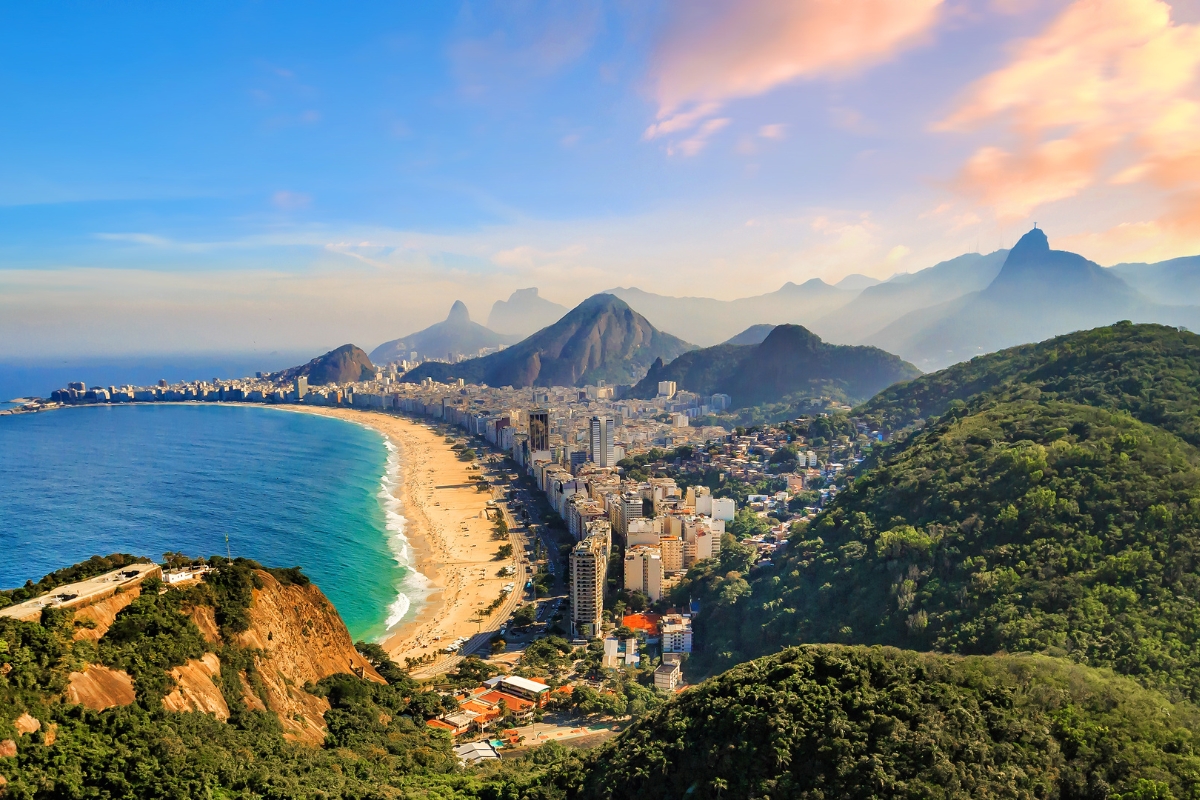
From the lively streets of Rio de Janeiro to the Amazon rainforest’s serene beauty, Brazil is an amazing place to be a digital nomad.
Imagine starting your day with a cup of freshly brewed Brazilian coffee, soaking in the breathtaking views of Copacabana Beach, or taking your morning walk through the colorful colonial architecture of Salvador.
As a digital nomad, you’ll find a growing number of coworking spaces and tech hubs in major cities like São Paulo and Florianópolis, offering both a productive work environment and opportunities to network with local professionals.
When your workday concludes, the exciting Brazilian culture invites you on an adventure – whether it’s exploring the majestic Iguazu Falls, diving into the rich marine life along the coast, or indulging in the mouthwatering flavors of Brazilian cuisine.
Pros and Cons of Living in Brazil as a Digital Nomad
Pros:
- Digital Nomad Visa: Remote workers can apply for a digital nomad visa allowing them to stay in the country for up to a year. The minimum income requirements are only $1,500 USD per month.
- The Culture: Brazil is a wonderful melting pot of cultures, with influences from Portugal, Africa, and the indigenous people of the Americas.
- Delicious Food: Brazilian cuisine is some of the best in the world, and there is something to satisfy everyone’s taste buds.
- Low Cost of Living: The cost of living in Brazil is relatively low, especially when compared to other popular digital nomad destinations like the United States or Western Europe. You can live comfortably in Brazil on a budget of $1,500-2,000 per month.
- Good Infrastructure: There are plenty of coworking spaces and cafes with reliable internet access in Brazil, making it easy to find a place to work.
Cons:
- Crime: The crime rate in Brazil is higher than in some other popular digital nomad destinations, so it is important to be aware of your surroundings and take precautions.
- Bureaucracy: The Brazilian bureaucracy can be slow and inefficient, so it is important to be patient when dealing with government agencies.
3. Malta
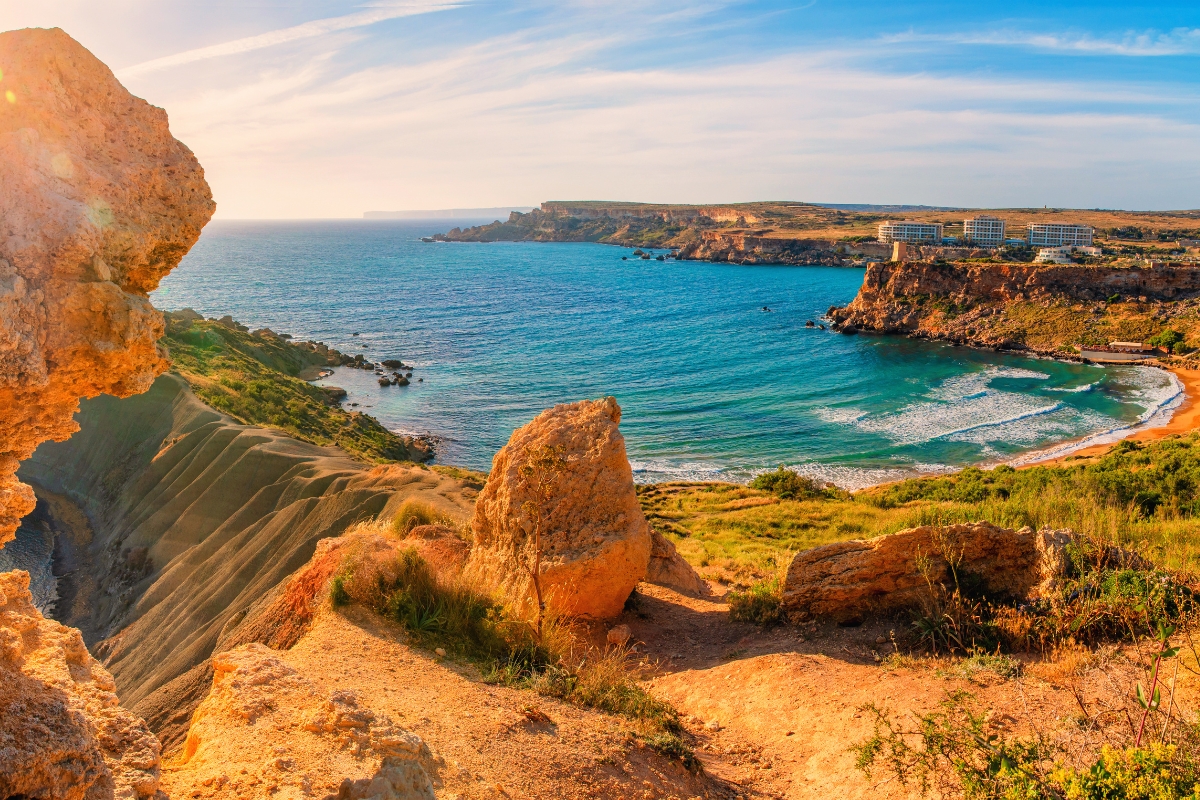
Malta is one of the best digital nomad countries because of its historical charm and modern convenience. Nestled in the heart of the Mediterranean, this archipelago provides a unique backdrop for your remote work lifestyle.
Imagine waking up to picturesque views of ancient fortresses and blue water, strolling through narrow cobblestone streets lined with colorful buildings, and savoring Mediterranean cuisine. Malta’s compact size ensures that you’re never far from amazing things to do.
You’ll find well-equipped coworking spaces and a reliable internet connection. During your downtime, you can unwind on the sun-soaked beaches, explore hidden coves, or even take a short ferry ride to nearby Gozo for a change of pace.
Pros and Cons of Living in Malta as a Digital Nomad
Pros:
- Digital Nomad Visa: Malta’s digital nomad visa allows remote workers to stay in the country for up to a year.
- Beautiful Weather: Malta enjoys a Mediterranean climate with warm summers and mild winters. This makes it a great place to live if you want to enjoy the outdoors all year round.
- English Proficiency: English is one of the official languages in Malta, making communication and day-to-day interactions much easier for English-speaking digital nomads.
- Safety: Malta is known for its safety and low crime rates, providing a secure environment for residents and visitors alike.
- Small Size: Malta’s compact size means that you’re never far from anything – be it cultural sites, beaches, restaurants, or entertainment options. This makes it easy to explore and experience the country thoroughly.
Cons:
- Tax Requirements: You may have to pay income taxes to Malta if you stay on a digital nomad visa for longer than 183 days. Malta may be changing this requirement soon, so be sure to double-check the requirements.
- Small Island: Malta is a small island, so there may not be as much to do as in larger countries.
- Crowded in Peak Season: During the tourist high season, Malta’s popular spots can become quite crowded, potentially affecting your overall experience and productivity.
- Limited Natural Resources: Due to its small size and population, Malta has limited natural resources. This might lead to occasional water and energy shortages, particularly during peak demand periods.
4. Greece

Living in Greece as a digital nomad offers a unique blend of ancient history, stunning landscapes, awesome islands and Mediterranean charm.
Wake up to the sight of whitewashed buildings against the backdrop of blue waters in Santorini and Mykonos or enjoy the vibrant city life of Athens while working from a charming café.
Greece’s rich history is ever-present, with archaeological wonders like the Acropolis and Delphi providing a sense of awe-inspiring continuity. The warm and hospitable culture, along with the delicious Greek cuisine, invites you to savor life’s simple pleasures.
Reliable internet connectivity and co-working spaces in major cities make working remotely feasible. And when the workday ends, you can immerse yourself in the crystal-clear waters of the Aegean Sea, hike through rugged landscapes, and explore quaint villages nestled in the hills.
Pros and Cons of Living in Greece as a Digital Nomad
Pros:
- Digital Nomad Visa: Digital nomads may be able to stay in Greece for up to two years.
- English Proficiency: While Greek is the official language, English is widely spoken, making communication and daily interactions easier for digital nomads.
- Beautiful Weather: Greece’s Mediterranean climate makes it a great place to enjoy year-round outdoor activities.
- Rich History and Culture: Greece has a rich history and culture that dates back thousands of years. There are ancient ruins, Byzantine churches, and Ottoman mosques to explore all over the country.
- Mediterranean Lifestyle: The relaxed pace of life, emphasis on family and social gatherings, and delicious Mediterranean cuisine contribute to a high quality of life.
Cons:
- Visa Income Requirements: In order to qualify for the digital nomad visa, you must have a monthly income of €3,500.
- Seasonal Tourism: Some regions experience significant fluctuations in tourism levels, leading to crowdedness during peak seasons.
- Internet Reliability: While urban areas generally offer good connectivity, some rural or less developed areas might have less reliable internet access.
- Cost of Living: Depending on the location, the cost of living in Greece can vary. While it’s not the most expensive European country, certain areas, especially tourist hotspots, can be relatively costly.
5. Mexico

I’ve been living in Mexico as a digital nomad for over a year and I can tell you it’s amazing. Many people, including myself, will tell you Mexico is one of the very best digital nomad countries.
Mexico is a huge country so you can choose your perfect climate and amenities.
Higher elevations have mild temperatures year-round, while the Caribbean cities of Cancun and Cozumel have gorgeous beaches and tropical weather. Over on the Pacific coast, you can find great surfing and quaint small towns.
No matter where you go in Mexico you’ll find welcoming, friendly people and a lot to do.
Mexico’s rich history, colorful traditions, and delicious cuisine make it a great destination for those seeking both productivity and adventure. Reliable internet connectivity is widely available, and numerous coworking spaces provide a conducive environment for remote work.
Outside of work hours, you can go snorkeling, swim in cenotes, hike through jungles, or attend local festivals.
Pros and Cons of Living in Mexico as a Digital Nomad
Pros:
- Beautiful Weather: Mexico enjoys a tropical climate with warm weather year-round. This makes it a great place to live if you want to enjoy the outdoors all year round.
- Affordable Cost of Living: The cost of living in Mexico is quite affordable. You can live comfortably in Mexico on a budget of $1,500-2,000 per month, and even less in more rural areas.
- Rich Culture and History: Mexico has ancient ruins, colonial cities, and colorful markets to explore all over the country.
- Friendly People: Mexicans are known for being friendly and welcoming. They are always happy to help out digital nomads and make them feel at home.
Cons:
- No Digital Nomad Visa: Mexico does not have a digital nomad visa. Visitors can stay up to 180 days on a tourist visa or apply for temporary residency.
- Infrastructure Variability: While major cities generally offer good infrastructure, some rural areas might have limited access to services like reliable internet and healthcare.
- Bureaucracy: The Mexican bureaucracy can be slow and inefficient, so it is important to be patient when dealing with government agencies.
6. Germany
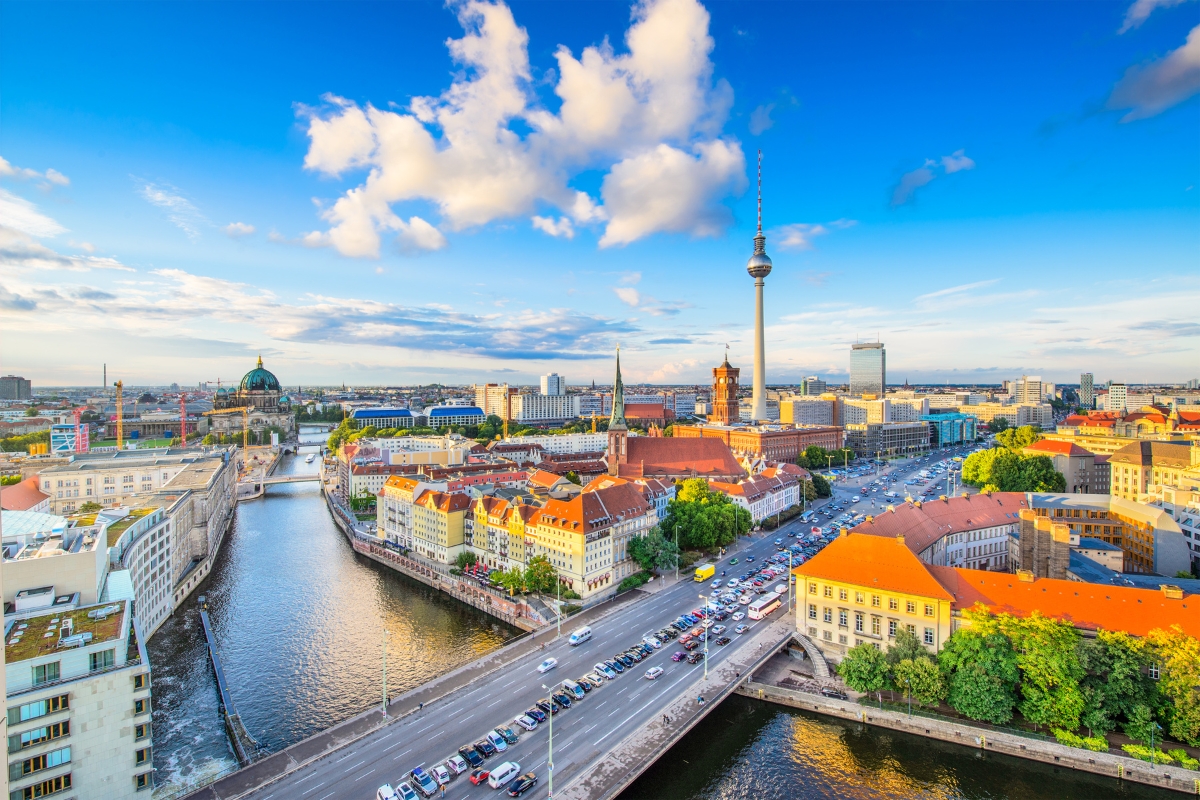
Living in Germany as a digital nomad is a great way to experience the cultural richness of a European city, while also having access to efficient infrastructure and diverse landscapes.
Germany’s modern cities are home to a creative tech scene, with plenty of co-working spaces and reliable internet connectivity. This makes it easy to stay productive while you’re on the go.
When you’re ready to take a break from work, you can visit historic towns, hike through the countryside, and admire picturesque castles. The efficient public transportation system makes it easy to get around Germany and explore neighboring countries.
Pros and Cons of Living in Germany as a Digital Nomad
Pros:
- Residence Permit: While Germany does not have a digital nomad visa, they do have a residence permit good for up to a year for certain occupations.
- High Quality of Life: Germany has a high standard of living. This means you can expect good infrastructure, healthcare, and education.
- Favorable Tax Laws: Germany has favorable tax laws for digital nomads. Digital nomads who are residents of Germany for less than 183 days in a year are not required to pay income tax on their foreign-sourced income. (Be sure to double-check the tax laws as they may change.)
- Friendly People: Germans are known for being friendly and welcoming. This can make it easy for digital nomads to make friends and feel at home in Germany.
Cons:
- Residence Permit Restrictions: In order to get a residence permit you must meet strict restrictions, including having clients or customers in Germany. In addition, Digital nomads over 45 years old must prove they have adequate provisions for old age to qualify.
- Cost of Living: The cost of living in Germany can be high, especially in big cities like Berlin and Munich. However, there are still plenty of affordable places to live in Germany.
- Weather: The weather can be unpredictable, with long, cold winters in some regions.
7. Vietnam

Vietnam is a popular country for digital nomads looking for a combination of affordable living and cultural immersion.
Cities like Ho Chi Minh City and Hanoi offer a high-energy atmosphere with co-working spaces and a growing community of remote workers. Smaller towns like Da Nang and Hoi An offer a more relaxed vibe.
Embracing Vietnam’s rich history and stunning landscapes, you can explore ancient temples, lush rice terraces, and breathtaking beaches.
The country’s central location in Southeast Asia makes it easy to travel to nearby countries, making it a great home base for exploration.
Pros and Cons of Living in Vietnam as a Digital Nomad
Pros:
- Affordability: Vietnam boasts a low cost of living, making it an attractive option for digital nomads on a budget.
- Friendly People: Vietnamese people are known for being friendly and welcoming. They are always happy to help out digital nomads and make them feel at home.
- Beautiful Scenery: Vietnam is a beautiful country with a variety of landscapes, from the mountains of Sapa to the beaches of Nha Trang.
- Exciting Culture: Vietnam has a rich and exciting culture that’s a joy to experience. There are endless temples, pagodas, and museums to explore.
- Travel Opportunities: Vietnam’s central location allows for easy and affordable travel within Southeast Asia.
Cons:
- Visa Limitations: Vietnam does not have a digital nomad visa. Tourists are generally limited to 30 days but there are options to apply for an extended tourist visa.
- Language Barrier: While English is spoken in tourist areas, language barriers might be more prominent in remote or rural regions.
- Traffic and Pollution: Major cities can have heavy traffic and pollution.
- Healthcare Standards: While healthcare is improving, some regions might have limited access to high-quality medical facilities.
8. Portugal

Portugal has become well known as one of the best digital nomad countries due to its favorable climate, affordable cost of living, and strong tech infrastructure.
Cities like Lisbon, Porto, and Faro offer co-working spaces, networking events, and a supportive community for remote workers.
Embracing Portugal’s diverse offerings, you can explore picturesque coastal towns, vineyard-covered valleys, and golden beaches during your leisure time.
With mild winters, warm summers, and plenty of sunshine, Portugal offers comfortable temperatures throughout the year.
Pros and Cons of Living in Portugal as a Digital Nomad
Pros:
- Digital Nomad Visa: Portugal has a few options for visas for extended says. The Temporary Stay Visa allows you to stay for up to a year and can be renewed up to four times.
- Safety: Portugal’s low crime rates contribute to a safe and secure environment for digital nomads.
- Beautiful Weather: Portugal enjoys a Mediterranean climate with warm summers and mild winters.
- Affordable Cost of Living: The cost of living in Portugal is relatively affordable, especially when compared to other destinations in Western Europe.
Cons:
- Language Barrier: Portuguese is the official language of Portugal, so it is helpful to have some basic Portuguese skills if you plan on living there long-term. However, English is widely spoken in tourist areas and major cities.
- Bureaucracy: The Portuguese bureaucracy can be slow and inefficient, so it is important to be patient when dealing with government agencies.
- Pace of Life: The pace of life in Portugal is slower than in many other countries, which can be a pro or a con depending on your personal preferences. Some digital nomads find it difficult to adjust to the slower pace, while others appreciate the opportunity to relax and enjoy the laid-back lifestyle.
9. Spain

Living in Spain as a digital nomad can be an exciting and enriching experience, as the country offers a mix of vibrant culture, stunning landscapes, and a relatively affordable cost of living.
Spain has a wide variety of cities and regions to choose from, each with its own unique charm. Whether you prefer the energy of Barcelona, the historic atmosphere of Madrid, the coastal beauty of Valencia, or the laid-back vibes of Andalusia, there’s a place to suit every taste.
Pros and Cons of Living in Spain as a Digital Nomad
Pros:
- Digital Nomad Visa: Spain’s digital nomad visa allows you to stay in the country for up to a year. The visa can be renewed up to three times.
- Beautiful Weather: Spain enjoys a Mediterranean climate with warm summers and mild winters making it ideal for outdoor activities.
- Affordable Cost of Living: While living in Barcelona and Madrid can be more expensive, Spain as a whole offers a relatively affordable cost of living compared to many other Western European countries. You can find reasonably priced accommodations, dining options, and transportation.
- Café Culture: Spain’s café culture is a great fit for digital nomads. Many cafés offer free Wi-Fi, creating a welcoming environment to work while sipping on a coffee or enjoying local cuisine.
Cons:
- Siesta Culture: Spaniards take a siesta in the afternoon, which can be disruptive if you’re used to working during those hours.
- Unpredictable Internet: While Spain generally has good internet connectivity, there can be occasional disruptions, particularly in more remote or rural areas. It’s important to have backup plans in case of connectivity issues.
- Seasonal Tourism Impact: In popular tourist areas, the cost of living can rise significantly during peak tourist seasons. This might affect your budget and overall quality of life if you’re staying in these areas.
- Tax Obligations: Digital nomads in Spain must comply with its tax obligations, which include various brackets, “visa-free” agreements and minimum days in a calendar year rules that can make financial planning challenging. Navigating Spain’s complex tax system may prove particularly taxing when double taxation agreements exist requiring thorough research as well as possibly professional advice to make sure you are compliant.
10. Indonesia (Bali)

Bali’s stunning landscapes, from lush rice terraces to pristine beaches and volcanic mountains, create an idyllic backdrop for your digital nomad lifestyle. The island’s natural beauty can provide both inspiration and relaxation.
Bali has established itself as a hub for digital nomads. This means you’ll have the opportunity to connect with like-minded individuals, attend co-working events, and participate in workshops, fostering a sense of community and networking.
Pros and Cons of Living in Bali as a Digital Nomad
Pros:
- Digital Nomad Visa: Bali’s digital nomad visa is good for 30 days and can be renewed twice.
- Beautiful Beaches: Bali is known for its beautiful beaches, which are perfect for swimming, surfing, and sunbathing.
- Affordable Cost of Living: Bali offers an attractive cost of living, allowing you to stretch your budget further compared to many Western countries.
- Cafés and Co-working Spaces: The island is dotted with charming cafés and co-working spaces that cater to digital nomads. Many of these places offer reliable Wi-Fi, comfortable working environments, and a blend of local and international cuisine.
- Wellness and Culture: Bali’s spiritual and wellness offerings, including yoga, meditation, and holistic therapies, can contribute to a balanced and fulfilling lifestyle. The island’s rich cultural heritage is also present in its ceremonies, festivals, and arts scene.
Cons:
- Visa Limitations: The digital nomad visa doesn’t allow for re-entry. If you leave Bali during the term of your visa, you’ll need to reapply.
- Tourist Crowds: Bali’s popularity as a tourist destination means that certain areas can be quite crowded during peak seasons.
- Traffic: Traffic in Bali can be heavy, especially in tourist areas. This can make it difficult to get around the island, especially during rush hour.
- Dogs Can’t be Brought in: Bali does not allow dogs to be brought onto the island. If you’re traveling with a dog, this will rule out Bali.
11. Croatia

Croatia is quickly becoming one of the best digital nomad countries. It’s a beautiful country with a rich history and culture. Croatia is also a great place to live for digital nomads, as it offers a good quality of life, an affordable cost of living, and plenty to see and do.
Croatia has a mix of history, natural beauty, and affordability for digital nomads seeking a unique European experience. The coastal landscapes, cultural richness, and modern amenities make it an appealing destination.
Pros and Cons of Living in Croatia as a Digital Nomad
Pros:
- Digital Nomad Visa: Croata’s digital nomad visa is good for six months to a year.
- Beautiful Scenery: Croatia is home to some stunning scenery, from the mountains of the Dinaric Alps to the beaches of the Adriatic Sea.
- Affordable Cost of Living: Croatia can be extremely affordable, depending on where you choose to live. Accommodations and basic amenities are generally inexpensive compared to other European countries.
- Diverse Regions: From the coastal regions with their Mediterranean vibes to the inland areas with picturesque villages and rolling hills, Croatia offers a diverse range of landscapes and experiences, catering to various preferences.
Cons:
- Tourist Season: Croatia is a popular tourist destination, especially during the summer months. This can lead to crowded tourist areas and higher prices for accommodations.
- Limited Public Transportation: While major cities have decent public transportation networks, getting around in some rural areas might require a car rental.
- Seasonal Changes: While the coastal regions enjoy a Mediterranean climate, winters can be chilly and less conducive to outdoor activities. Be prepared for seasonal weather changes and adjust your plans accordingly.
12. Thailand

Living in Thailand as a digital nomad can be an amazing experience. Thailand offers a diverse culture, stunning natural landscapes, and a low cost of living, making it a popular destination for digital nomads.
Thailand offers a unique blend of modern amenities and traditional charm. You can find busy cities like Bangkok, with its endless entertainment options, as well as serene beach towns like Phuket and Krabi, where you can relax and enjoy the beautiful beaches during your downtime.
Pros and Cons of Living in Thailand as a Digital Nomad
Pros:
- Long-Term Residency Visa: Thailand has a visa for remote workers working for an established international company.
- Affordability: Thailand’s low cost of living makes it an attractive destination for digital nomads. Accommodations, street food, and transportation can be budget-friendly, especially in cities outside the capital.
- Digital Nomad Hubs: Cities like Chiang Mai and Bangkok have established themselves as popular hubs for digital nomads, with a variety of co-working spaces, cafés, and networking events tailored to remote workers.
- Health and Wellness: Thailand is known for its wellness offerings, including yoga retreats, meditation centers, and traditional Thai massages.
Cons:
- Visa Restrictions: The long-term residency visa is very restrictive as far as employment and income.
- Tourist Crowds: Popular tourist destinations like Bangkok can get crowded during peak seasons. This might affect your ability to find quiet workspaces and accommodations.
- Pollution: Air pollution can be a problem in some parts of Thailand, especially Bangkok and Chiang Mai.
- Infrastructure in Rural Areas: While major cities have reliable infrastructure and internet connectivity, some rural areas might have less developed amenities.
13. Saint Lucia

St. Lucia is a beautiful island located in the eastern Caribbean Sea. It’s known for its stunning beaches, lush rainforests, and iconic Pitons mountains. As a digital nomad, you can enjoy the island’s natural beauty while still being able to work remotely.
St. Lucia offers a range of accommodation options for digital nomads, from beachfront villas to cozy apartments. The island has a reliable internet connection, making it easy to stay connected and work online. Many cafes and co-working spaces also offer high-speed internet, creating a conducive environment for productivity.
Pros and Cons of Living in Saint Lucia as a Digital Nomad
Pros:
- Beautiful Scenery: Saint Lucia is known for its scenery, from the lush rainforests to the crystal clear waters.
- Caribbean Culture: Immerse yourself in the laid-back Caribbean lifestyle, enjoy local cuisine, and engage with the island’s rich cultural heritage. St. Lucians are known for their warmth and friendliness, contributing to a welcoming environment.
- Tropical Climate: St. Lucia’s tropical climate offers warm temperatures year-round, allowing for outdoor activities.
- Island Getaways: St. Lucia’s location in the Caribbean offers easy access to nearby islands for weekend getaways or exploration.
Cons:
- Infrastructure: St. Lucia is a smaller island, and certain infrastructure, like public transportation and healthcare facilities, might be less developed than in more urbanized locations.
- Limited Co-working Spaces: Co-working spaces might not be as prevalent as in other digital nomad hotspots. You might need to adapt to working from your accommodation or seeking out cafes with suitable work environments.
- Hurricane Season: Saint Lucia is located in the Caribbean, so it’s subject to hurricane season, which runs from June to November
14. Colombia

Colombia has recently become known as one of the best digital nomad countries. Colombia offers a wide range of opportunities for digital nomads, including affordable living costs, a welcoming culture, and stunning natural landscapes.
One of the most popular cities for digital nomads in Colombia is Medellín. Known as the “City of Eternal Spring,” Medellín boasts a pleasant climate year-round, making it an ideal place to live and work. The city is also known for its modern infrastructure and reliable internet connection.
Another great option for digital nomads in Colombia is Bogotá, the capital city. Bogotá is a bustling metropolis with a thriving tech scene and a vibrant cultural scene. The city offers a wide range of co-working spaces, cafes, and networking events, making it easy to connect with other professionals.
Pros and Cons of Living in Colombia as a Digital Nomad
Pros:
- Digital Nomad Visa: Colombia’s digital nomad visa allows remote workers to stay in the country for up to two years. The income requirements are low at only $684 USD per month.
- Beautiful Scenery: Colombia is a beautiful country with a variety of landscapes, from the snow-capped mountains of the Andes to the white-sand beaches of the Caribbean coast.
- Affordability: Colombia’s cost of living is lower than many Western countries, making it an attractive destination for digital nomads. Accommodations, dining, and transportation can be very budget-friendly.
- Digital Nomad Hubs: Cities like Medellín and Bogotá have become popular hubs for digital nomads. These cities offer co-working spaces, networking events, and a growing community of remote workers and expats.
Cons:
- Security: Colombia has a reputation for being a dangerous country, but the security situation has improved in recent years. However, it’s important to be aware of the risks and take precautions, such as avoiding walking alone at night and being aware of your surroundings.
- Traffic and Transportation: Traffic congestion can be an issue in larger cities, affecting your daily commute. Public transportation might not be as developed as in other countries.
- Infrastructure Variability: While major cities have modern amenities, some rural areas might have limited infrastructure and unreliable internet connectivity. Choose your location carefully based on your work requirements.
15. Bulgaria
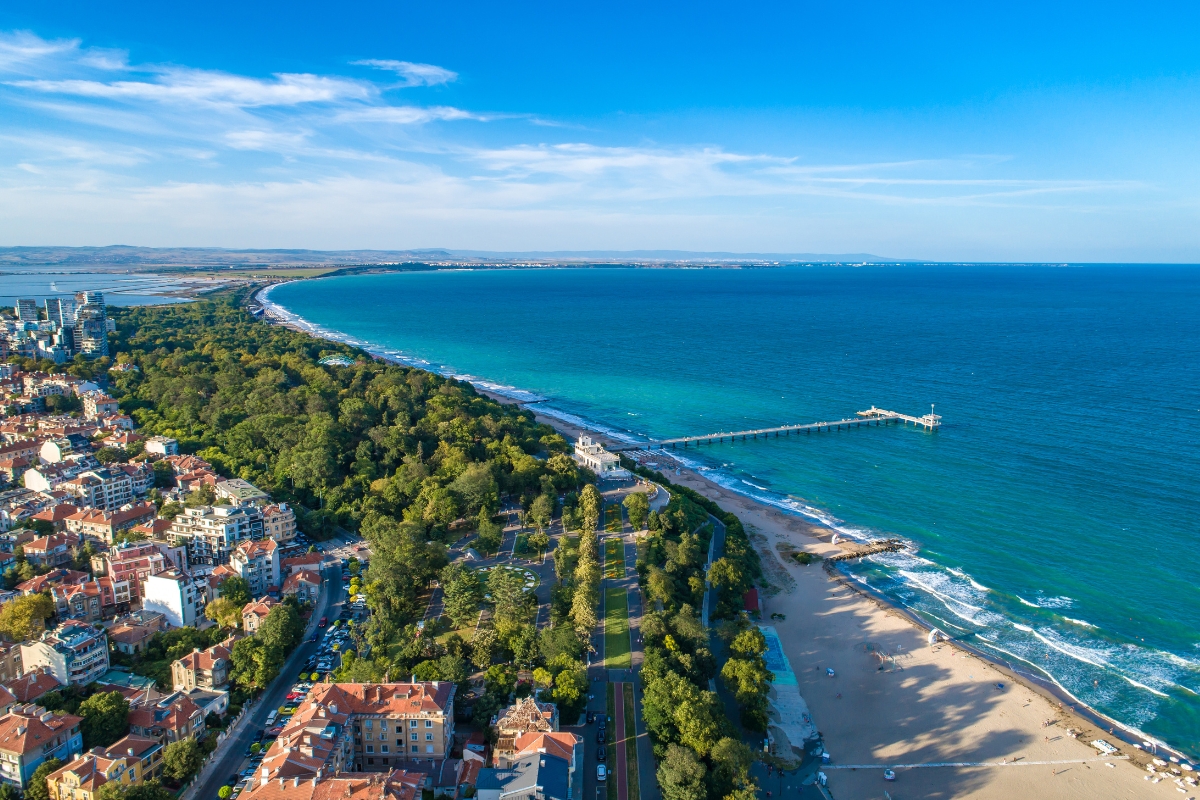
Bulgaria is located in Southeast Europe and is known for its rich history, beautiful landscapes, and affordable cost of living. The capital city, Sofia, offers a mix of modern amenities and historical charm. The country also has a well-developed digital infrastructure, making it easy to work remotely.
Additionally, Bulgaria has a large expat community and a welcoming culture, making it a great place to connect with like-minded individuals.
Whether you’re exploring the picturesque Black Sea coast, hiking in the stunning Rila Mountains, or immersing yourself in the country’s rich cultural heritage, Bulgaria has a lot to offer digital nomads.
Pros and Cons of Living in Bulgaria as a Digital Nomad
Pros:
- Affordability: Bulgaria is known for its low cost of living, making it a budget-friendly destination for digital nomads. Accommodations, food, transportation, and entertainment are generally more affordable than in many Western countries.
- Cultural Heritage: Bulgaria boasts a rich history and stunning architecture, with ancient ruins, monasteries, and charming old towns like Plovdiv and Veliko Tarnovo.
- Natural Beauty: Bulgaria has a range of landscapes, from the mountains of Rila and Pirin to the Black Sea coast. These areas provide opportunities for outdoor activities and relaxation.
- Warmth and Hospitality: Bulgarians are known for their warmth and hospitality toward visitors. Engaging with locals can offer cultural insights and meaningful connections.
Cons:
- No Digital Nomad Visa: Bulgaria does not have a specific visa for digital nomads. They do have a freelancer permit but you must have a client in Bulgaria and be able to speak Bulgarian.
- Limited English Signs: While major cities have English signage, you might encounter fewer signs in English in more rural or less touristy areas.
- Weather: Bulgaria has a continental climate, with hot summers and cold winters. This can be a challenge for digital nomads who are used to milder climates.
- Remote Working Infrastructure: While internet speeds are generally reliable and fast, digital nomads should ensure that they bring the necessary equipment for a remote working setup. Additionally, some regions may have spotty Wi-Fi coverage.
Final Thoughts: Best Digital Nomad Countries
Being a digital nomad means being able to work from anywhere in the world. However, all countries are not created equal when it comes to extended stays and remote work.
By weighing the pros and cons of each country and evaluating your priorities, you’re sure to find your next perfect destination on this list of the best digital nomad countries.


