
Digital menu boards for bars improve customer experience by giving quick, clear information, making wait times feel shorter, and creating an eye-catching atmosphere that matches what today’s tech-focused guests expect.
When bars replace fixed, often outdated printed menus with moving, digital screens, they can update drink availability in real time, draw attention to profitable specials with appealing images, and even personalize the visit with loyalty program features. All of this makes ordering faster, clearer, and more enjoyable for both guests and staff.
In the fast-paced hospitality industry, atmosphere matters a lot. When someone walks into a modern bar, they want more than a drink-they want a smooth, modern experience. Using digital menu boards for bars helps owners connect classic, in-person service with the digital convenience people are used to from their phones and streaming services. This change is more than a fresh look; it’s a new way for a brand to talk about what it stands for and what it offers.
Beyond looking good, these digital tools solve everyday problems bar owners have dealt with for years. Bartenders no longer have to apologize when a popular beer has run out while it’s still printed on the menu.
With a few clicks, the menu updates, guests stay informed, and service continues without awkward moments. This kind of speed and flexibility is a core part of what guests expect from bars in 2026.
What Are Digital Menu Boards for Bars?
Key Features of a Digital Menu Board
A digital menu board is basically a high-definition electronic screen-usually a commercial LED or LCD display-that shows a bar’s menu using special software. Unlike a regular home TV, these displays are built for long use and bright areas, so the text stays easy to read in both dim lounge lighting and bright outdoor spaces.
Types of Digital Menu Displays Used in Bars
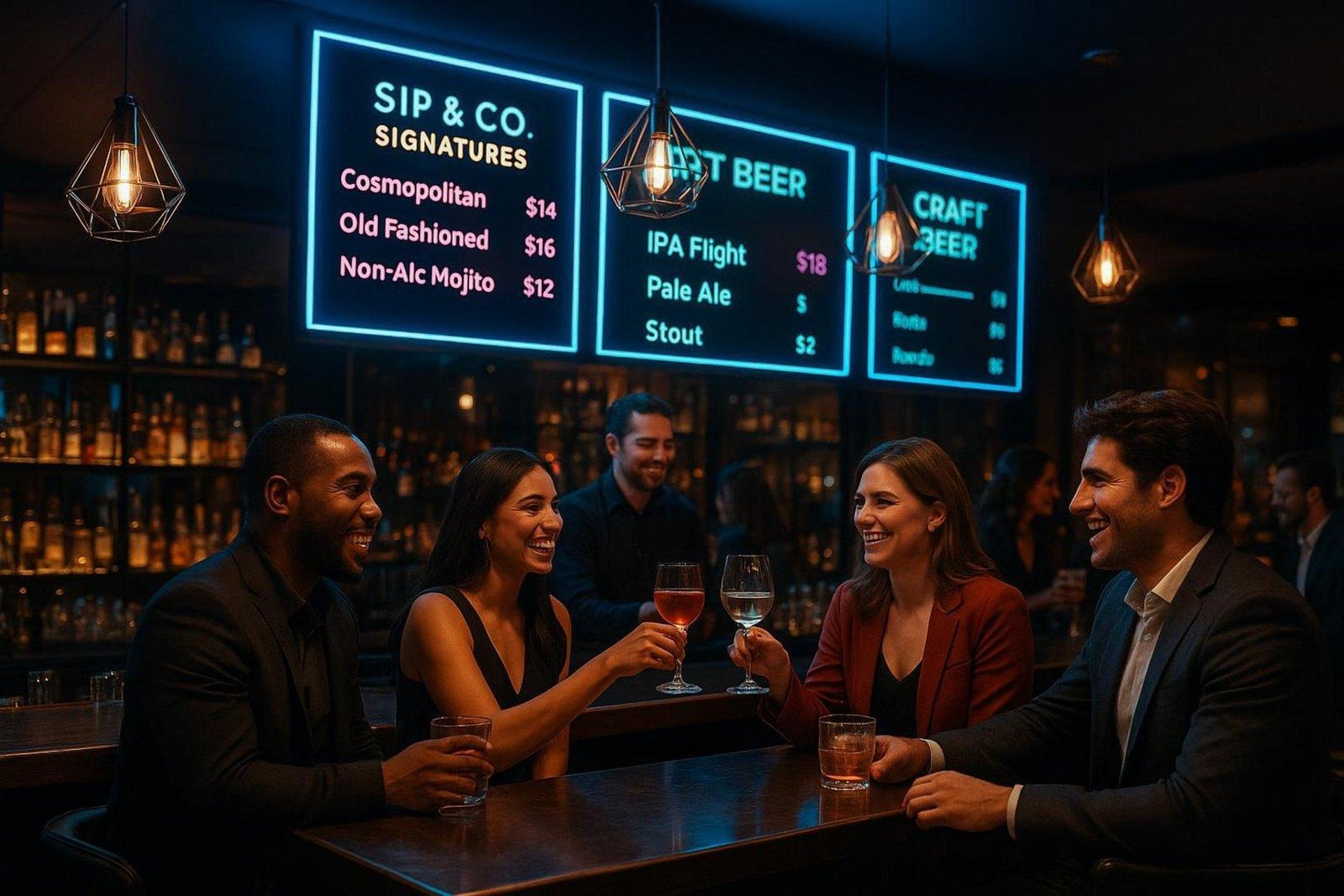
Digital signage is flexible, so bars are not stuck with a single screen type or setup. Many choose wall-mounted displays behind the bar as the main information point when guests walk up. These can form a large video wall for strong visual impact, or they can be split into separate screens for categories like “Craft Taps,” “Signature Cocktails,” and “Shareable Plates.”
What Are Customer Expectations and Trends in Bar Experiences?
Demand for a Modern, Tech-Savvy Atmosphere
People today are surrounded by digital content all day long. From checking phones first thing in the morning to watching HD video at night, they are used to bright, moving visuals. Walking into a bar and seeing a faded paper menu or a cramped chalkboard can feel outdated and out of place.
Guests often connect digital signage with innovation and care; when a bar invests in its technology, many assume it also cares about quality drinks and good service. By utilizing modern solutions like lookdigitalsignage.com, venue owners can easily transition from static boards to dynamic displays that match the energy of their space.
There is also the rise of “menu anxiety” – especially common among Gen Z, where 86% report feeling stressed about ordering. Digital boards help by showing clear, organized, and visual information.
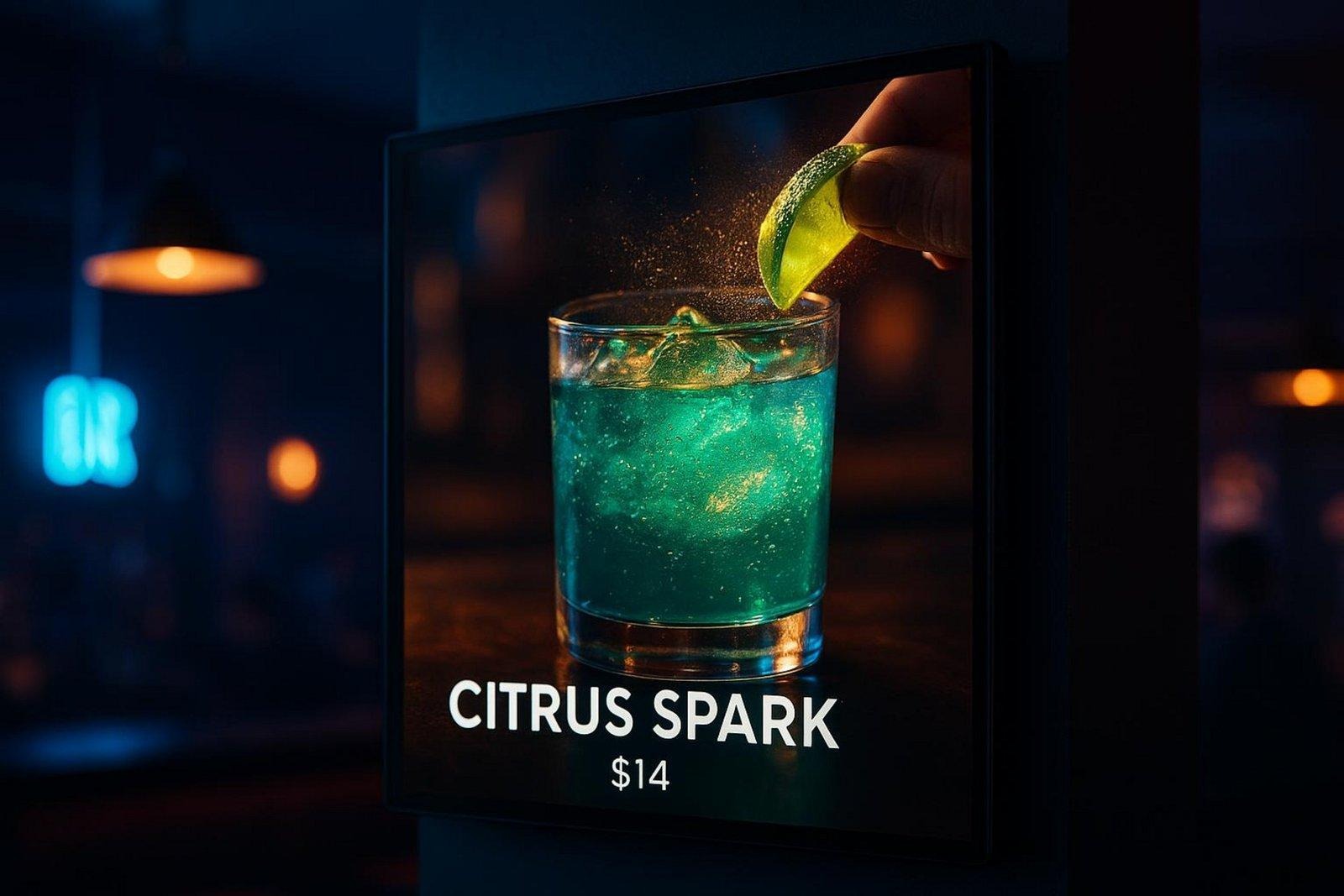
If someone can see what a “Midnight Espresso Martini” looks like before ordering, they feel more confident and less stressed, which leads to a more relaxed and enjoyable night out.
How Do Digital Menu Boards Improve Customer Experience at Bars?
Reduce Wait Times and Improve Order Flow
Few things hurt the energy of a bar more than a slow, unmoving line. Digital menu boards help increase throughput-the speed at which orders are taken and filled. When bars place bright, easy-to-read menus where people line up, guests can decide what they want before they reach the counter.
Increase Order Accuracy
Noise and crowding often lead to wrong orders. A guest might point to a printed menu or shout a drink name, and the bartender may mishear. Digital displays, especially with customer-facing confirmation screens, give a clear visual check.
Enable Personalized and Targeted Promotions
Since digital content can change in seconds, bars can align their promotions with the crowd in the room. If it’s early evening and packed with happy hour guests, the screens can focus on well drinks, draft beer, and sharable snacks. Later at night, when the mood is different, the boards can switch to premium spirits and late-night bites.
Support Accessibility for All Guests
By 2026, successful bars see inclusion as a core part of their brand. Digital menu boards support guests with different needs better than paper menus. For people with low vision, boards can use large text and high-contrast designs. Some systems connect to mobile apps that can read menu items out loud.
What Are the Tangible Benefits for Bar Owners and Managers?
Drive Sales and Upselling Opportunities
One of the clearest benefits of digital menus is higher average check size. Digital boards are strong upselling tools. By highlighting premium versions of standard drinks or suggesting sides-like fries with a beer-bars often see the average order go up by 20% to 30%.
The boards act like a constant salesperson who always remembers to mention specials and extras, lifting revenue without adding to the staff’s workload.
Consistent Brand Messaging Across Locations
For bar groups and franchises, keeping a consistent look and message at every location can be hard. With a centralized CMS, a head office can send out new menu designs, branding, and promotions to all locations at once.
Cost Savings Compared to Traditional Printing
Digital systems require an upfront investment, but they save a lot over time. Many bars spend thousands each year to design, print, and ship new menus when prices change or seasonal items come and go.
Digital boards remove these regular costs. They also reduce paper use and waste, cutting the environmental impact tied to constantly throwing away old printed menus.
Key Takeaways: Why Digital Menu Boards Are Transforming Bar Customer Experience
Looking ahead, digital signage will play an even larger role in bars and restaurants. Early versions of AI are already starting to appear, with cameras and sensors reading crowd patterns and adjusting menus automatically to show items that fit the group.
A screen might notice a large group of college students arriving and shift to highlight budget-friendly pitchers and sharable snacks, then later focus on premium scotch and cigars when older professionals come in.
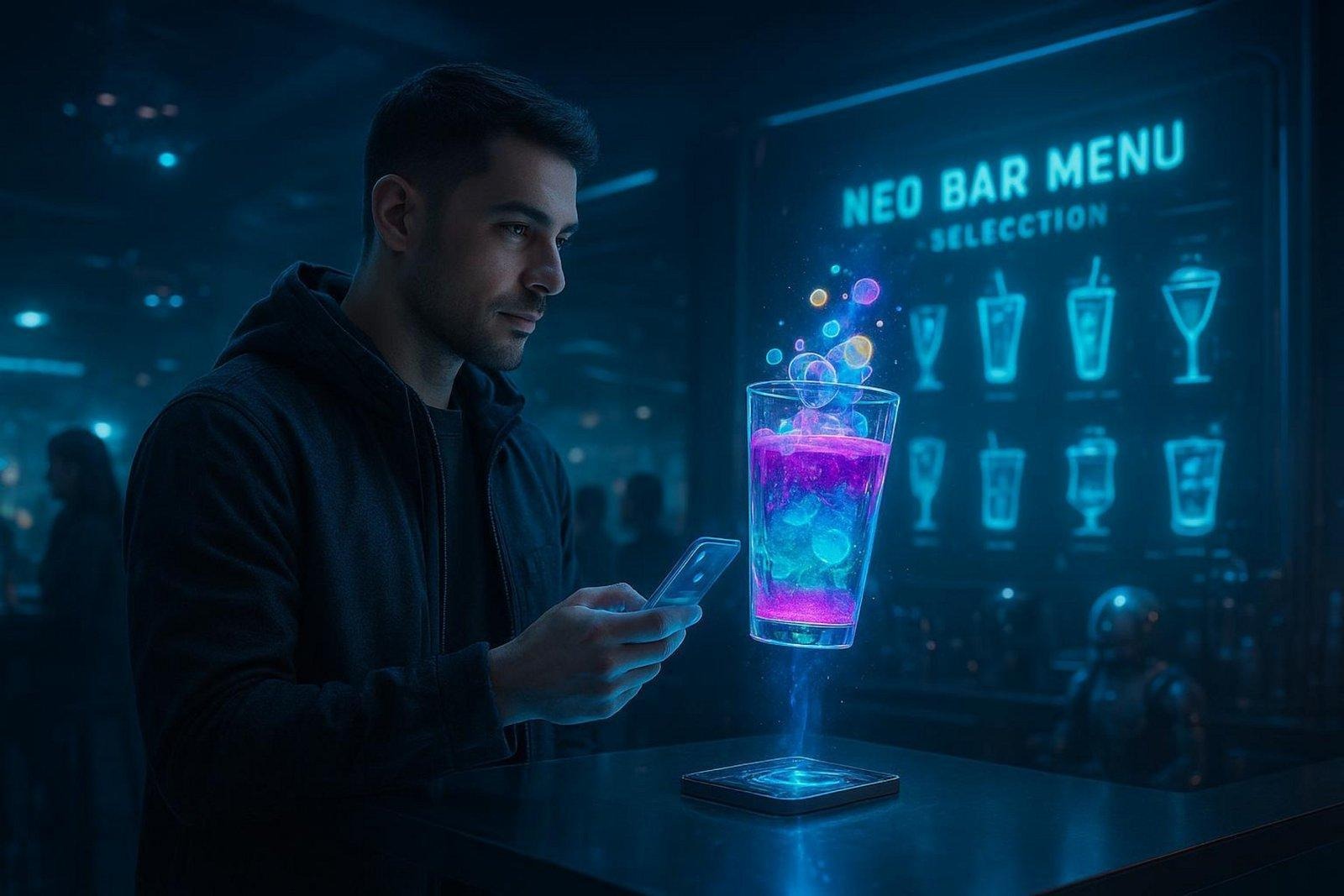
Augmented Reality (AR) is also on its way. Soon, guests may point their phones at a digital menu board and see a 3D model of a cocktail or a video of the distillery where a whiskey is made. This kind of storytelling turns ordering from a simple transaction into an engaging experience.
By moving to digital menu boards now, bar owners are improving today’s service while also building the base for future social and tech-driven experiences. Going digital is not just about adding screens-it’s about offering guests better information, more engagement, and higher satisfaction every time they visit.