

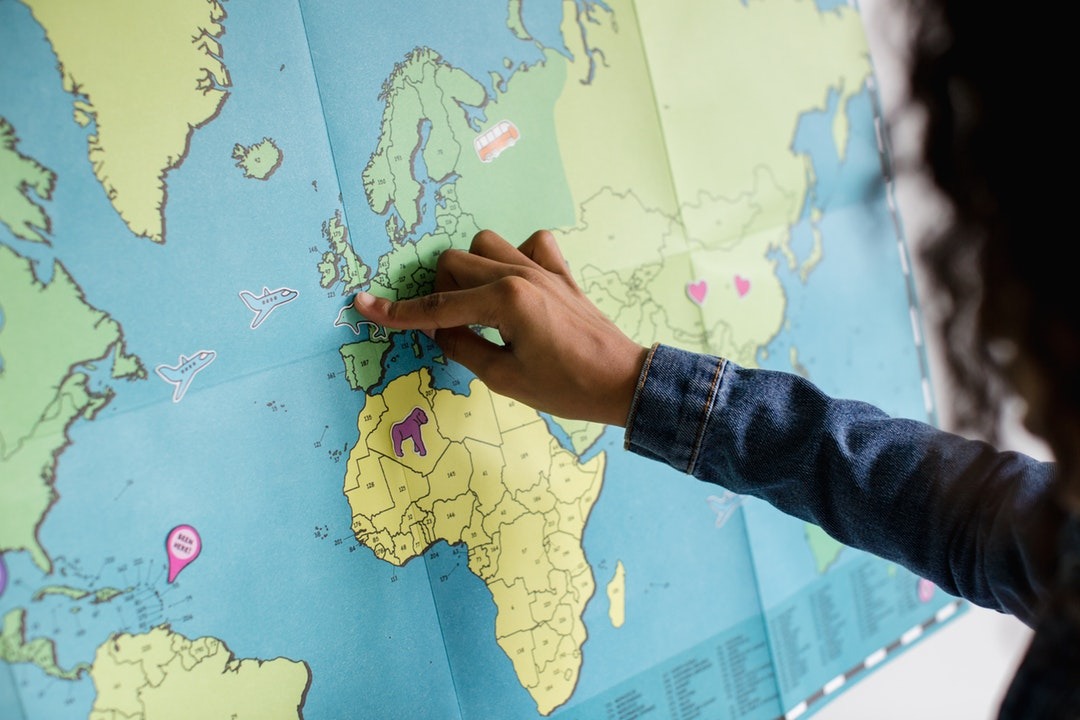
Travel is seen as a thrilling venture filled with excitement and adventure. Not all experiences unfold as planned. Trips can be marred by unexpected occurrences that catch even the most seasoned adventurer off guard.
From sudden weather changes to unforeseen legal issues, here are several surprises that could ruin an otherwise fantastic getaway. A better understanding of these potential pitfalls can equip you with the knowledge to navigate through them for a smoother journey.
Weather Conditions Turning Severe
The weather is one of the most unpredictable elements of travel. A beautiful sunny forecast can be the leading cause of rainstorms or even snow. When traveling to certain regions during off-peak or transitional seasons, check the weather for the days of your trip and stay updated on any warnings or alerts that may arise. Hurricanes can be a major risk in coastal areas, and travelers should be prepared for sudden evacuations or flight cancellations.
Such severe weather could spoil your planned outdoor activities, create transportation challenges, and even lead to dangerous conditions. To mitigate these risks, plan alternative indoor activities so that your accommodations are equipped to handle bad weather. In cases where weather results in legal issues, being able to consult with professionals can help you navigate situations that arise from cancellations or claims related to travel insurance.
Legal Issues and Misunderstandings
Traveling abroad puts travelers in unfamiliar legal territories. Ignorance of local laws can inadvertently lead to misunderstandings that may have serious consequences. Certain actions viewed as harmless in one culture may be against the law in another. It pays to familiarize yourself with local laws and regulations to comply with societal norms.
In situations where legal difficulties arise, know how to pursue solutions. If you are faced with injuries on your trip, it may be helpful to check legal professionals like Tad Nelson & Associates homepage for guidance on navigating any legal challenges. You may want to have contacts for local legal professionals who can assist you. Building connections with reliable legal representatives can provide peace of mind on the road.
Health Emergencies or Sickness
Falling ill while traveling is a nightmare scenario for anyone. Whether it’s food poisoning, an allergic reaction, or a sudden flu, health emergencies can pose serious challenges in unfamiliar environments. Being in a foreign country increases the complexity of medical care, taking into account the language barriers and different healthcare systems.
Research local healthcare facilities and have a plan in place for emergencies, including travel insurance that covers medical care. Staying healthy requires prudence with what you eat and drink. Always opt for bottled water in regions where tap water isn’t safe, and be cautious about street food or unfamiliar cuisine.
Vaccinations can be pivotal before heading to certain destinations known for specific health risks. Carrying a basic first-aid kit can help you address minor issues before they escalate into serious problems. Staying vigilant can save a trip from being marred by sickness.
Transportation Snags
Unexpected delays in transportation can wreak havoc on your plans. Flight cancellations, delayed trains, or traffic congestion can all affect your itinerary significantly. Missing a connecting flight can lead to hours of waiting and rebooking, which can be an added source of stress during your trip.
A thorough plan that includes extra travel time between destinations can be beneficial. The introduction of a backup plan could mean knowing alternate routes or other transportation options should your primary plan fail.
Keep travel apps on hand to monitor real-time updates. In urban areas, ride-sharing options can alleviate the frustration of halted public transport. Preparing for potential disruptions will guarantee that you spend less time worrying and more time enjoying your trip.
Accommodations Not as Advertised
Arriving at an accommodation that looks nothing like its online representation can be quite disheartening. Misleading photos, inaccurate descriptions, and poor locations can result in an unpleasant experience that derails your stay. Always read recent reviews from other travelers to gain a truthful picture of the place you plan to stay.
Contacting the property directly can clarify any concerns pre-booking. Review the cancellation policy to understand your options if the place isn’t as promised. Handling this might involve negotiating or seeking alternative accommodations, which could be complicated and frustrating, but prioritize your comfort and safety. A proactive approach to choosing and checking into accommodations can improve your travel experience.
Financial Surprises
Finding yourself in a financial bind while traveling can mount stress. Hidden fees, unexpected expenses, or being unable to use credit cards in certain locations can leave you scrambling for cash at the worst moments. Researching your destination’s currency and options for obtaining cash beforehand can save serious headaches.
Utilizing travel cards designed for foreign transactions lifts some financial pressure, but familiarize yourself with the fees associated. Alert your bank about travel plans to avoid any hiccups. Banks sometimes freeze accounts when they detect foreign transactions to prevent fraud.
Be aware of foreign transaction fees on your credit cards. Understanding the costs associated with your spending while traveling can help you plan better and avoid surprises that can disrupt your trip.
Cultural Misunderstandings
Not understanding the local customs may put you in awkward situations. Learn about the culture you are immersing yourself in to avoid offending someone or breaking laws. A small miscommunication could snowball into a major incident in countries where customs are particularly different from your own.
A little research into local etiquette, greetings, and food practices goes a long way. Humbling yourself to accept and respect these cultural norms will improve interactions and help you enjoy your stay. Engaging with locals in a friendly manner leads to memorable experiences and insights that may not be found in guidebooks. A smooth interaction promotes understanding and may lead to a welcoming and enriching experience.
Theft or Loss of Belongings
Traveling exposes you to new environments, but it can attract potential theft. Losing a wallet, camera, or important documents like passports can derail your plans entirely. Each traveler must take precautions against theft, including being aware of surroundings, using bags that offer security features, and keeping valuables close.
Keeping copies of essential documents and having mechanics in place can help manage lost items efficiently when they occur. Having a plan for contacting embassies or local authorities is useful if you face theft or loss.
Travel insurance covers such unfortunate events, so before traveling, understand what is and isn’t covered. Being prepared for unexpected losses can elevate your travel confidence, allowing you to focus on the adventure rather than worry about what might go wrong.
Language Barriers
Miscommunication may arise in foreign countries where language barriers exist. Not speaking or understanding the local language can complicate situations, from ordering food to facilitating directions. Many travelers rely on translation apps, but they are not always entirely reliable.
When possible, learning a few basic phrases in the local language can lead to positive interactions. Engendering goodwill with locals by attempting their language can promote respect and support. If you find yourself stuck, use visual cues or body language in interaction.
Even carrying a small phrasebook can serve as an invaluable tool for conversations. Preparing in advance lets you navigate language issues more smoothly, allowing for a richer travel adventure.
Lack of Preparation for Activities
Most travelers might find themselves ill-prepared for activities they are eager to try. This can lead to disappointment when a desired experience does not meet expectations. An outdoor adventure like hiking requires specific gear and preparedness. Not being equipped with the right attire or supplies can distill excitement into frustration or even danger.
Investing time into pre-trip research about activities can avoid avoidable scenarios. Weather conditions, necessary gear, and time allocations will secure a more positive experience. Connecting with local experts can provide insights that improve your understanding and planning for activities. Preparation transforms activities into enduring memories instead of missed opportunities.
Travel Tensions with Companions
Traveling with friends or family can promote unforgettable experiences and even bring about tension. Conflicting interests, fatigue, or stressful situations can lead to disputes among group members. Prioritize open communication and establish a general framework for the trip while remaining flexible throughout.
Activities should blend everyone’s interests to create a more harmonious environment. Designing a trip that accommodates everyone’s preferences helps in conflict reduction. Solid relationships can be deepened through shared experiences if tension is recognized and managed constructively.
Unwanted Attention
As a traveler, you might experience instances of unwanted attention from locals or fellow tourists. Curiosity can be innocuous, but know that unwanted advances can escalate and cause more discomfort. Maintaining awareness of your surroundings and setting boundaries are necessary skills when traveling.
Keep a keen eye on group dynamics during social situations. Having a strategy in place can help you handle awkward encounters professionally. Approach unwanted attention calmly, express discomfort without hostility, and, if necessary, seek assistance from trusted local contacts.

Navigating through these situations reflects the importance of personal safety and maintaining a positive traveling atmosphere. Travel can be a splendid experience filled with adventure and beautiful memories. Remaining aware of potential surprises allows you to navigate challenges more smoothly, setting the stage for unforgettable trips.


