

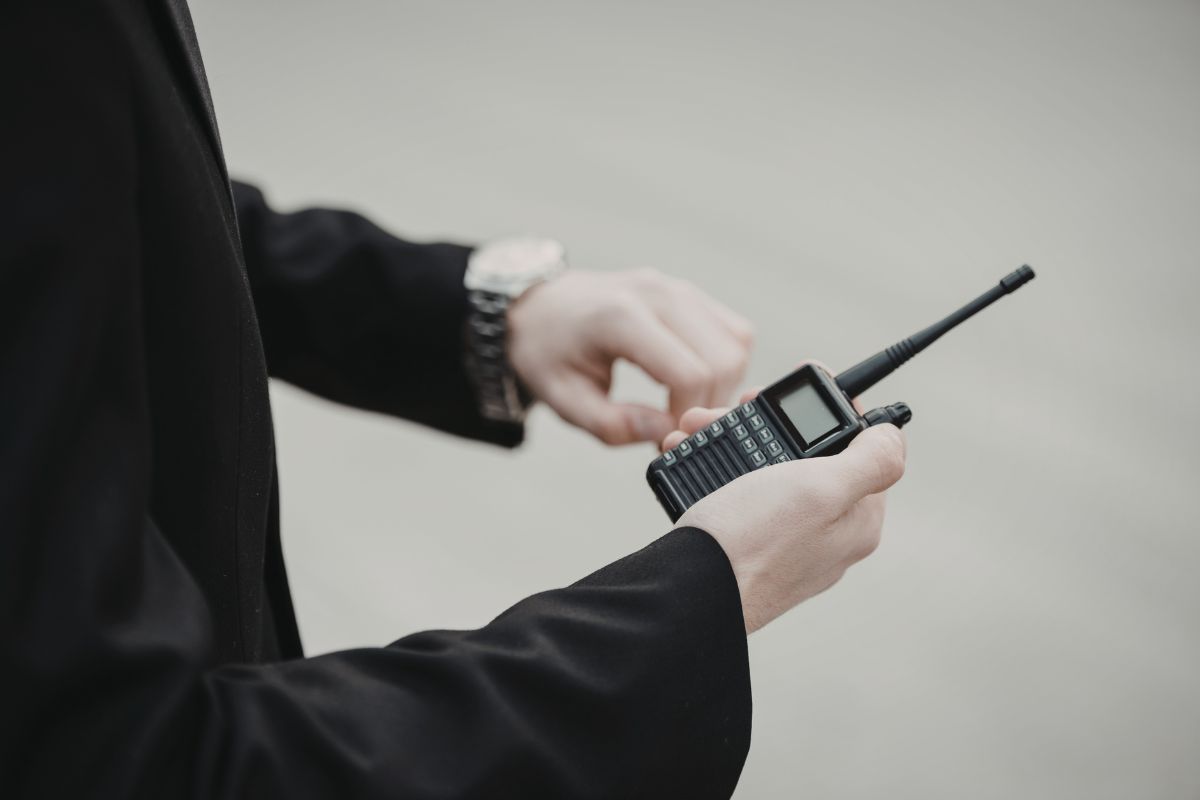
Let’s set the scene: you’re deep in the woods, halfway through a hike. There’s no cell reception. Your buddy took a wrong turn two miles back. Now what?
That’s where a two way radio steps in.
When you’re off-grid, on the move, or just trying to keep your travel group in sync without dropped calls and dead zones, these rugged little devices deliver fast, no-fuss communication. But not all radios are created equal—and if you’ve ever wandered down the internet rabbit hole of specs, frequencies, and range claims, you know: choosing the right one can get…complicated.
Let’s uncomplicate it.
First, Figure Out Where You’re Going
Heading into the backcountry? A national park? Cross-country road trip? City-hopping abroad?
Different travel settings call for different features. For example:
- Urban travel: You may only need short-range communication within buildings or event spaces. Battery life and compact design win here.
- Wilderness or remote areas: Prioritize range, durability, and weather resistance. When cell service vanishes, your two way radio becomes your lifeline.
- Convoy or group road trips: Look for radios with nationwide or long-distance communication capability, especially those that leverage cellular networks.
Rule of thumb? The more unpredictable your destination, the more reliable your gear needs to be.
Understand Range—And Why It’s Tricky
Here’s a little industry secret: that “up to 36 miles” range printed on the box? That’s in flat, open terrain with zero interference. Think: desert highway, not the dense Appalachian Trail.
Real-world range depends on:
- Terrain (hills, trees, buildings = less range)
- Weather conditions
- Power output (higher wattage = more signal strength)
- Antenna quality and placement
For travel, avoid getting hung up on maximum range. Instead, focus on reliable range—what works consistently in your environment. Better yet, look for radios that use cellular networks or Wi-Fi for nationwide coverage without relying on line-of-sight radio waves.
Battery Life: Because Dead Devices Are Paperweights
You’ll want something that can go the distance—literally. Good radios offer:
- 12–24 hours of battery life (depending on usage)
- USB charging for on-the-go power banks
- Removable batteries for field swaps (bonus points)
If your travels include long hikes, camping, or multiple-day excursions, don’t skimp here. Bring extras. Bring backups. Regret is heavy.
Durability and Weatherproofing: Rough Roads Require Tough Tech
Whether you’re caught in a rainstorm or navigating dusty trails, your two way radio needs to take a beating and keep transmitting.
Look for:
- IP ratings (like IP54 or IP67) to measure water/dust resistance
- Shockproof casings or rubberized edges
- Glove-friendly buttons (you’ll thank yourself in winter)
If a radio feels too delicate for a tumble, it’s too delicate for travel.
Bonus Features That Are Actually Useful
Travel doesn’t require bells and whistles. But a few extras can go a long way:
- GPS tracking – great for group adventures or solo trekkers
- Group call modes – talk to your entire team at once
- Noise-canceling mics – clutch in windy or loud areas
- Emergency alert buttons – peace of mind in a panic
Don’t pay for features you won’t use. But if a radio offers extras that fit your specific trip plans? Worth it.
Final Checklist: What Your Travel Radio Should Have
Before you buy, ask:
- Does it offer reliable coverage where I’m going?
- Can it last through a full day of travel?
- Is it durable enough for real-world bumps, drops, or weather?
- Is it easy to use, even for non-techy travel partners?
- Does it keep my group connected without cell service?
If the answer’s yes across the board—you’ve found your match.
The Takeaway
Choosing the right two way radio for travel isn’t about buying the most expensive one. It’s about finding a device that works when it matters most—off-grid, on the road, or anywhere your phone turns into a glorified camera.


