

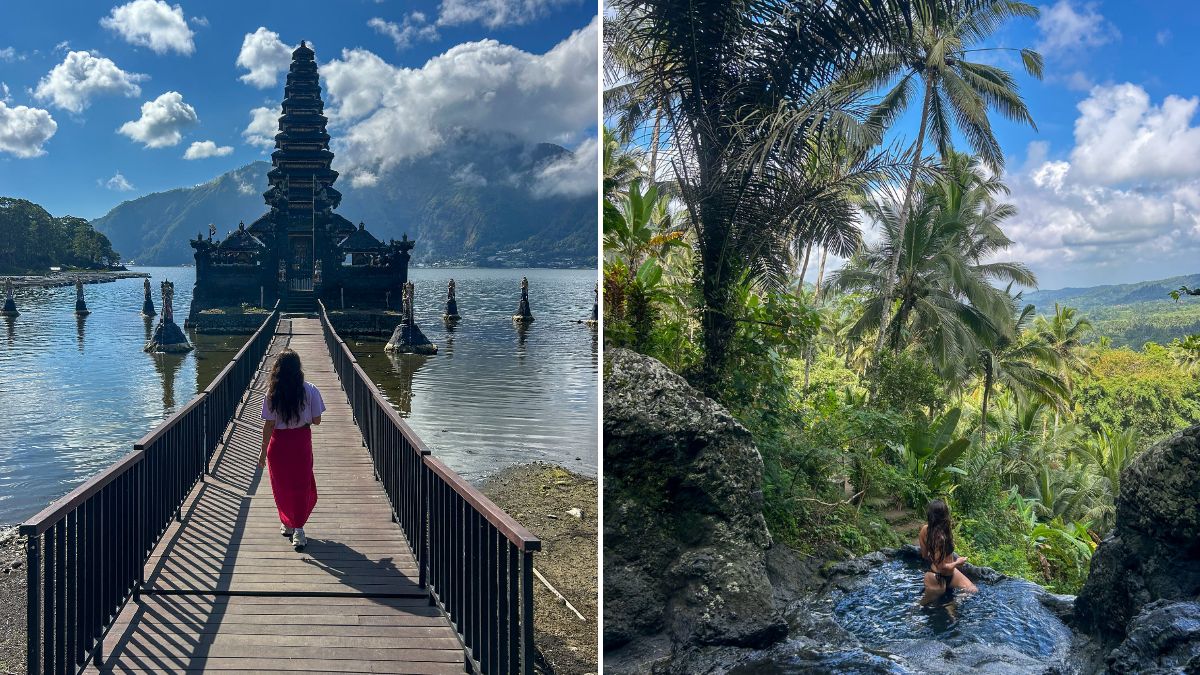
Are you planning your first Bali itinerary and looking to experience the real, authentic side of the Island of Gods?
I’ve been living in Bali for the past six months, and let me tell you: yes, Bali can be considered a touristy destination, and it’s true, some areas have lost touch with their traditional roots and wisdom. However, many other parts of the island still feel deeply traditional and truly worth visiting.
In this article, I’ll share inspiration on how to spend 10 days in Bali, including locations that are far from the usual tourist trails and closer to ancient ways of Balinese living, the places that stayed with me the most over the past six months of living and traveling in Bali
Things to Know Before Planning Your Bali Itinerary
Here are a few tips and things to keep in mind when planning your trip to Bali:
- Do your research: Bali may look like a small island, but each area is unique, delivering a very different experience. Make sure you clearly understand what type of vacation you’re planning (more party-oriented, immersed in nature, or living the beach life). Here’s my guide to the best places to visit in Bali, whether you’re a first-time visitor or a returning traveler. You’ll find the pros and cons of each area, the general vibe, and what you can expect from each destination.
- Always consider traffic: In Bali, traffic can be wild. You can save a lot of time by leaving early in the morning whenever you need to change locations (as early as 6 a.m.). Trust me, it might sound exaggerated, but you’ll thank me later. Otherwise, you may have to rethink your plans or adjust them as you go.
- Consider renting scooters: In some areas, such as Ubud, Canggu, and Seminyak, ride-hailing apps like Grab or Gojek are widely available. However, in Sidemen, Kintamani, Amed, and other less touristy areas, you’ll need to either rent your own scooter (the more affordable option) or hire a private driver for the day (less flexible and more expensive). Just so you know, roads aren’t always the best…
- Book a car for long journeys: If you’re not comfortable driving a scooter for long distances, you can book a car through Grab. The app allows you to schedule rides in advance and is very convenient, especially when moving from one location to another.
- Dry vs. Rainy Season: Bali is a tropical destination with two main seasons: the dry season (roughly April to September) and the rainy season (the remaining months). That said, don’t rely too heavily on this distinction: the weather in Bali is unpredictable. Always have a plan B and bring a raincoat.
Day 1 – Ubud
To me, you haven’t truly experienced Bali without spending some time in Ubud. This small town, set right in the heart of the island, is considered its spiritual, religious, and artistic center.
I see Ubud as an open-air temple and a true wellness paradise: a place filled with sacred sites meant to be admired from the outside, often hosting private religious ceremonies, alongside a wide range of ancient and modern wellness practices and Bali retreats you can experience here for the first time.
Depending on your arrival time, I’d keep things simple on day one and explore Ubud on foot, at your own pace.
Morning: Exploring The Center of Ubud
Yes, the center of Ubud is crowded, noisy, and often traffic-heavy. But, and there is a but, it’s also the best place to start your exploration (and you can always escape into the rice fields). If you head out early, you’ll avoid the worst of the traffic and the heat.
Depending on how early you want to start, you can head to the morning market, which opens at 7 a.m., right in front of the Ubud Palace. Here, you’ll be surrounded by the colors of juicy tropical fruits, the laughter of locals selling their produce, and the scent of frangipani flowers used to craft canang sari, the daily offerings for the gods.
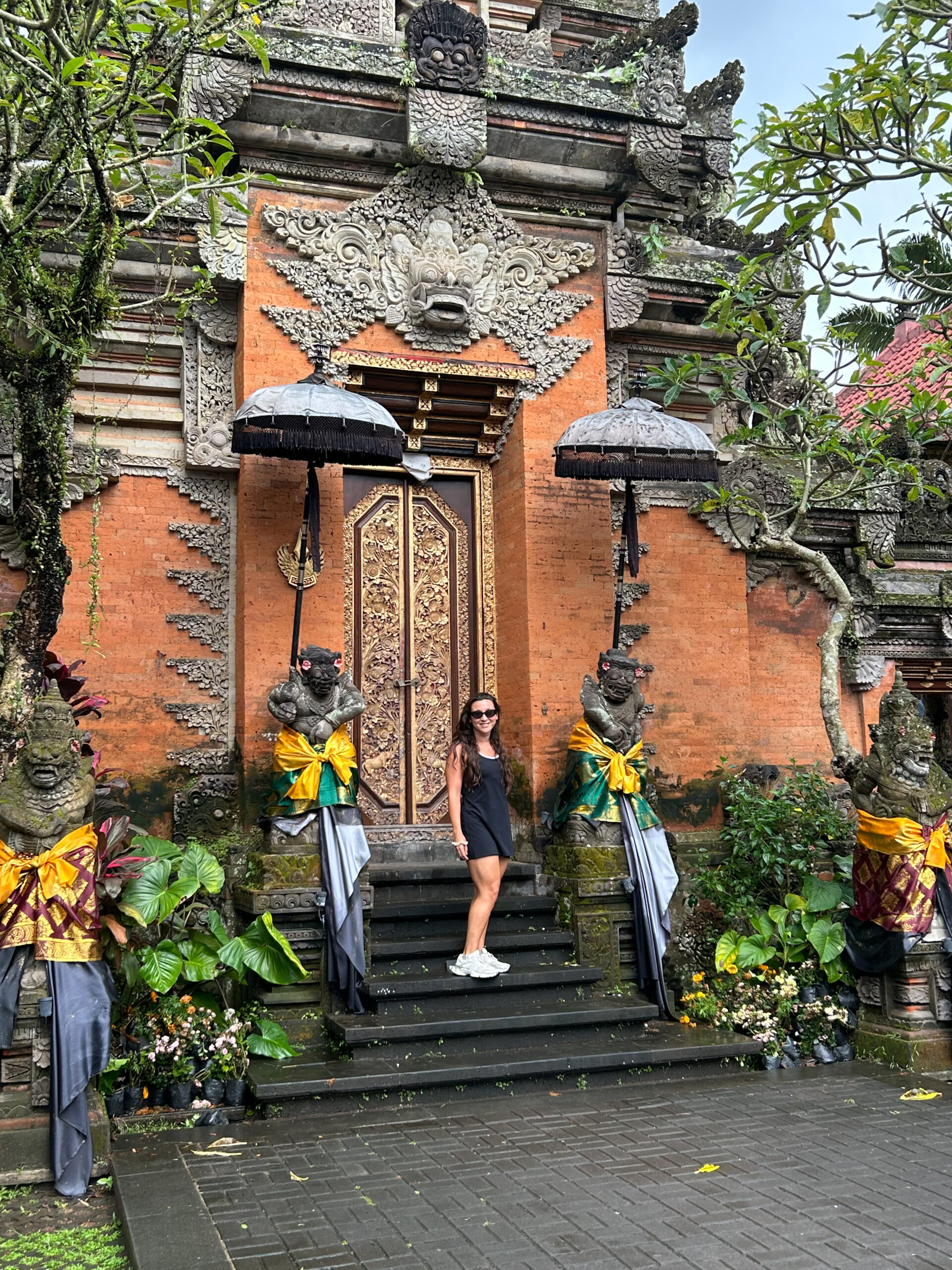
If you’re feeling hungry, you can stop at Clear Café for a smoothie bowl before visiting the Ubud Palace, which opens around 8 a.m. The noise outside almost seems to disappear as you step into the beautifully maintained courtyard, admiring the red sandstone gates.
The Saraswati Temple is just across the road, and early morning is the perfect time to visit. Being a small water palace, it fills up quickly. When it’s still quiet, you can fully enjoy the enchanting lotus pond, the gentle flow of water from the fountains, and every remarkable detail.
From the Saraswati Temple, if it’s already around 10 a.m., Jalan Kajeng Market will be open. I know the first day is usually not the ideal time to start buying souvenirs, but why not? Jalan Kajeng Market is set along a narrow alley lined with small stalls; my favorites are the ones towards the end selling natural, homemade oils.
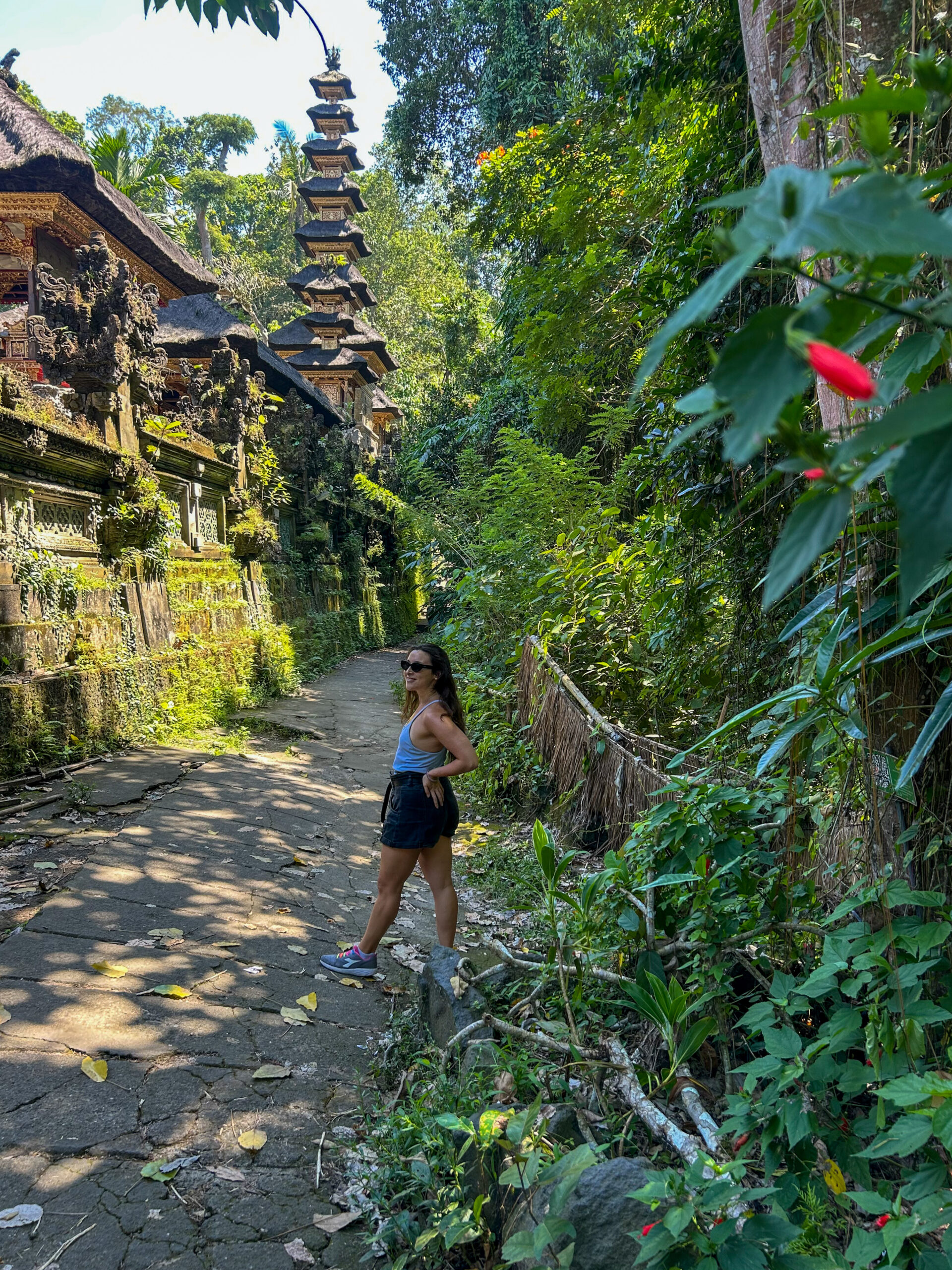
Once you’ve explored the market, head back to the main road and keep walking toward the other side, almost reaching the Campuhan Ridge Walk. But don’t start the trail before stopping in front of Pura Gunung Lebah, the very first temple built in Ubud, nestled in the Campuhan river valley. It’s considered the most spiritual place in town, and to me, honestly, the most magical.
Lunch in The Rice Fields: Sweet Orange Trail or Organic Sari Walk
If the weather allows, exploring the rice fields and enjoying lunch with a view is pure bliss. And in Ubud, you don’t even have to go far. Both the Sari Organic Walk and the Sweet Orange Trail are just around the corner, and the views are unmatched.
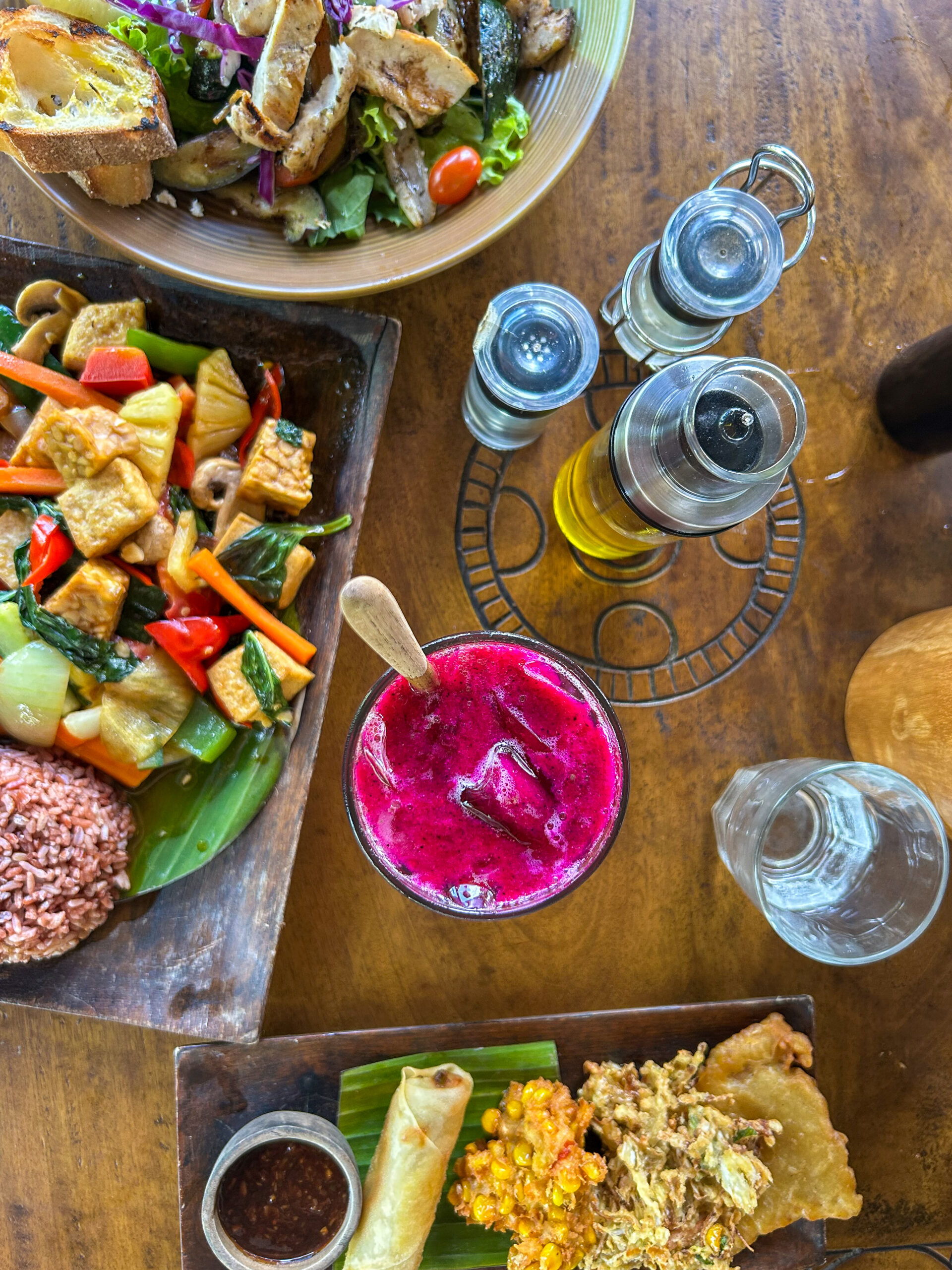
If you’re walking the Sari Organic Walk, you can stop at Joglo Organik, a local warung toward the end of the trail. If, on the other hand, you’re on the Sweet Orange Trail, you can’t miss the Sweet Orange Warung, a local legend and one of my favorite places to have lunch.
Afternoon With The Monkeys
As you may know, Ubud is famous for its inhabitants. And no, I’m not talking about the people, I’m talking about the monkeys. Walking around Ubud, especially near the Sacred Monkey Forest right in the heart of town, you’ll meet plenty of them. They’re constantly looking for food or anything small they can steal, so keep your eyes peeled!
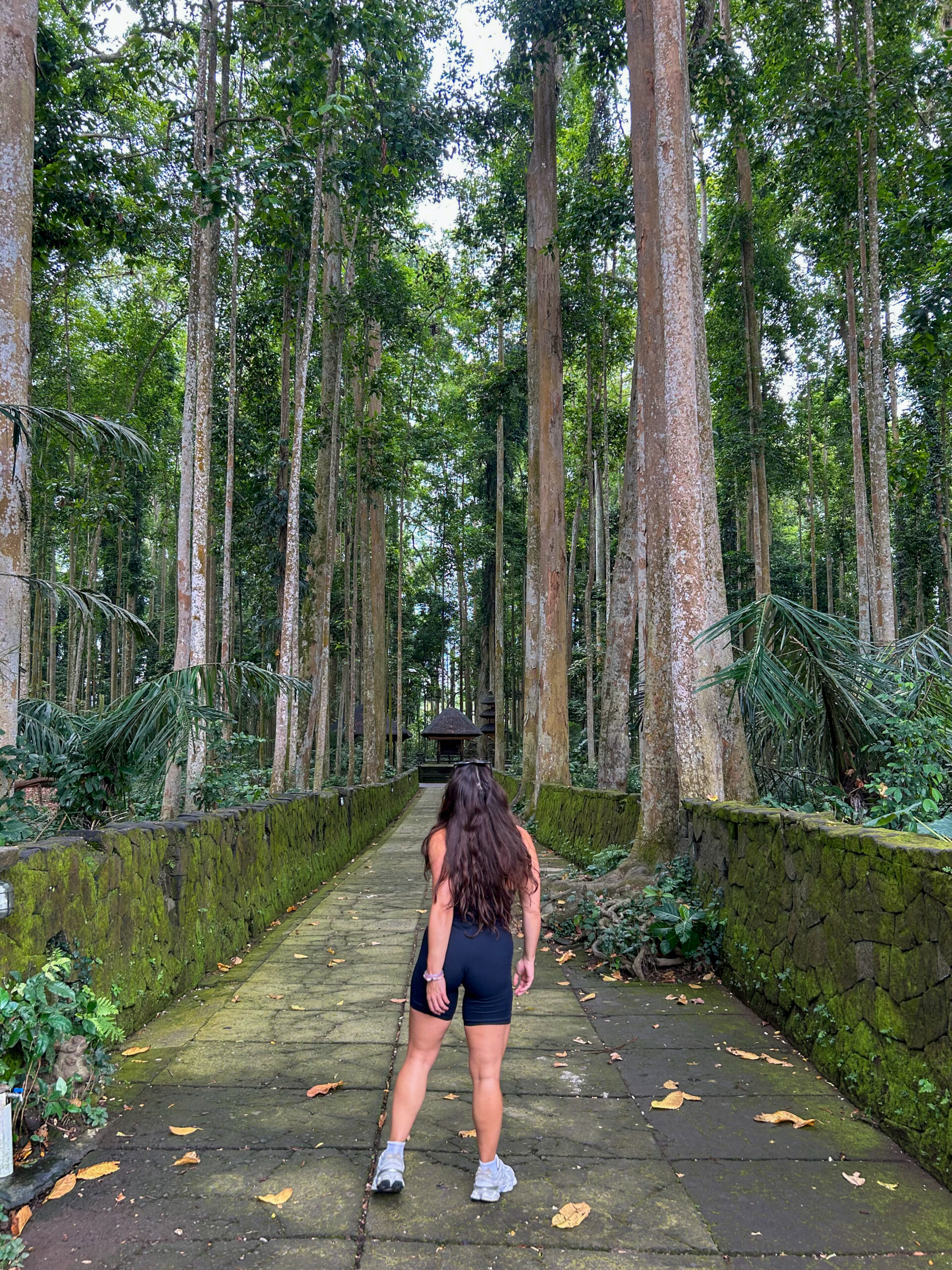
However, that’s not what I have in mind for you. After visiting both the Sacred Monkey Forest in Ubud and the Sangeh Monkey Forest in the nearby village of Sangeh, I truly believe the latter offers a much more enjoyable experience.
Instead of being surrounded by crowds and screaming kids (trust me, I’ve been there), here you’re given a small basket of food to feed the monkeys and interact with them.
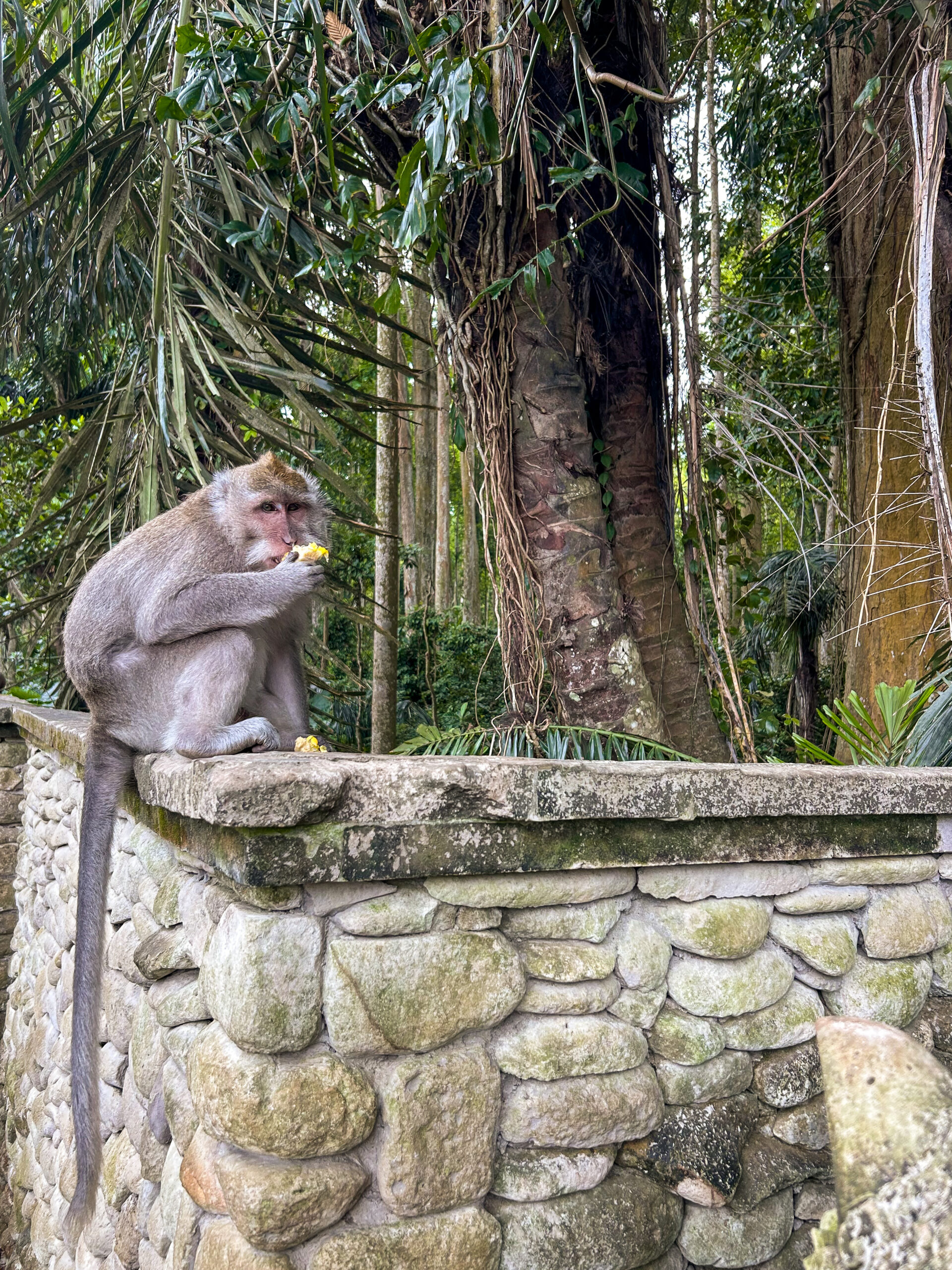
Here, monkeys are calmer and friendlier than the ones you’ll encounter in more touristy spots. Don’t trust them too much, though, one of them still stole my mosquito spray!
Tip: To head to Sangeh, you can easily book a Grab ride. It will take around 30-40 minutes.
Evening and Dinner in The City Center
If there’s one thing I love about Ubud, it’s the lively evening atmosphere in the center.
Pedestrian alleys like Jalan Goutama are perfect if you’re looking for a place to stroll without traffic, while browsing small shops, considering a massage, or simply getting lost among Balinese architecture.
Here, there’s a warung you absolutely should try during your time in Ubud: Compound Warung.
It’s hands down one of the most delicious and affordable local spots in town. If you’re heading there for dinner, make sure to arrive early or be prepared to wait in line. I visited twice and waited around 20 minutes both times. Always worth it.
Day 2 – River Rafting & Cooking Class in Ubud
Morning on The Ayung River
If there’s one activity I will always recommend in Ubud, it’s river rafting on the Ayung River. Even my almost 60-year-old parents had an amazing time.
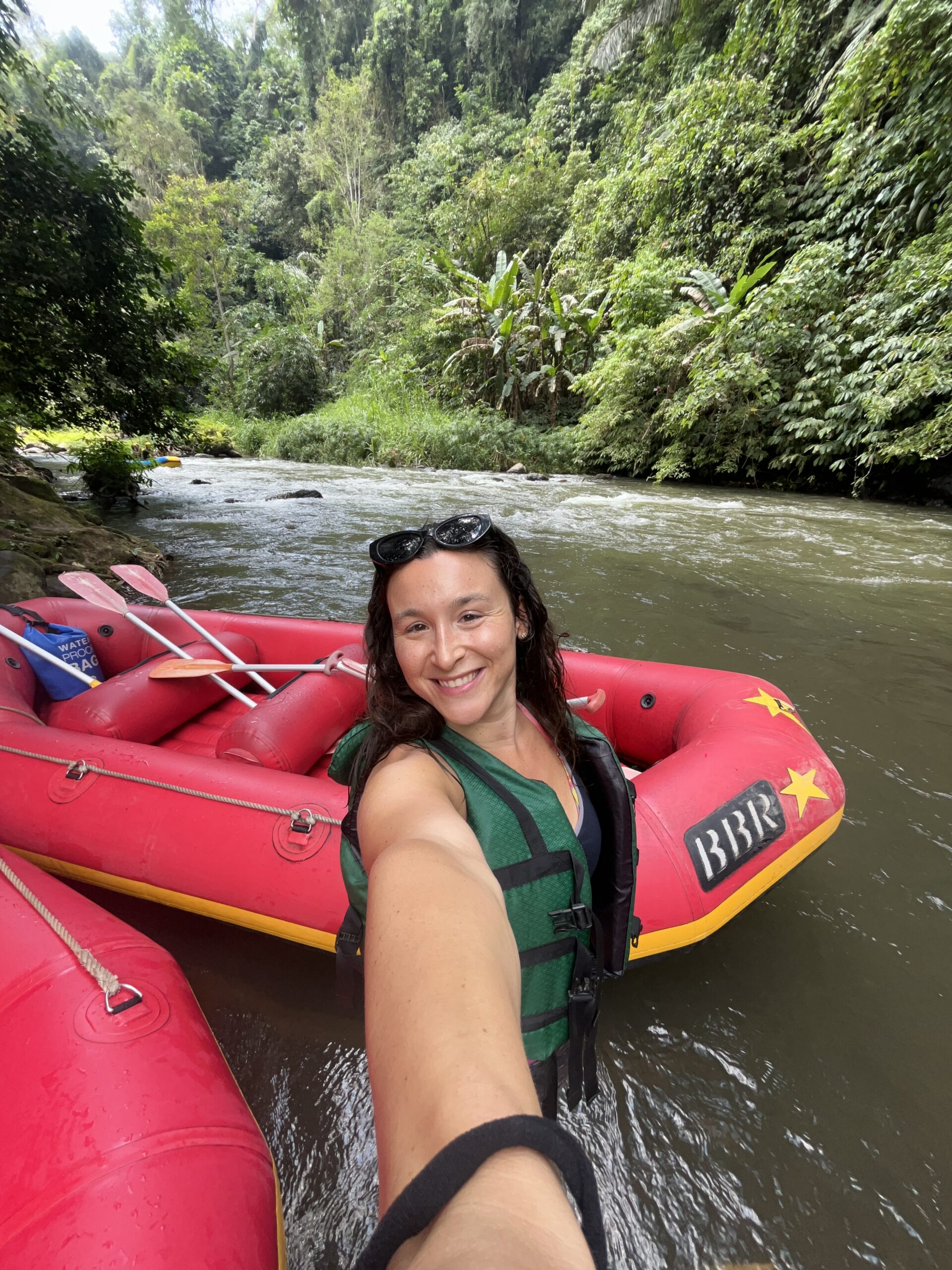
It’s a completely different way to experience Ubud’s untouched nature. The gentle current flows through a valley surrounded by jungle, almost completely covering your view of the sky.
The Ayung River is ideal for beginners, yet still fun for more experienced rafters. And the local guides, who raft alongside you, make the experience even better: they’re playful and funny, while always keeping everything feeling safe.
If I had to suggest a provider, I’d go with Bali Bintang Rafting. The organization was smooth, and they have a beautiful base overlooking the river.
I’d book a late-morning slot, around 11 a.m. The rafting lasts about two hours, and lunch is usually included in the ticket price, so you can enjoy the experience, have lunch, and then ease into a well-deserved slow afternoon.
Afternoon: Cooking, Pottery, or A Spa Treat
Considering that a two-hour rafting adventure isn’t exactly for the faint-hearted, you can plan a slower afternoon by booking one of my favorite activities.
There are honestly so many things to do in Ubud, but if I had to narrow it down, these are the options I’d suggest:
- Cooking class: Learning how to cook Balinese specialties is one of the best ways to connect with the local culture and its people. You’ll often meet local families hosting the classes, learn about their daily lives, and discover how cooking is treated as a ritual, sometimes even learning how to craft their canang sari offerings. If you’re looking for a provider, Taman Dukuh Farm Cooking School offers one of the best cooking classes in Ubud, with an evening slot that includes dinner.
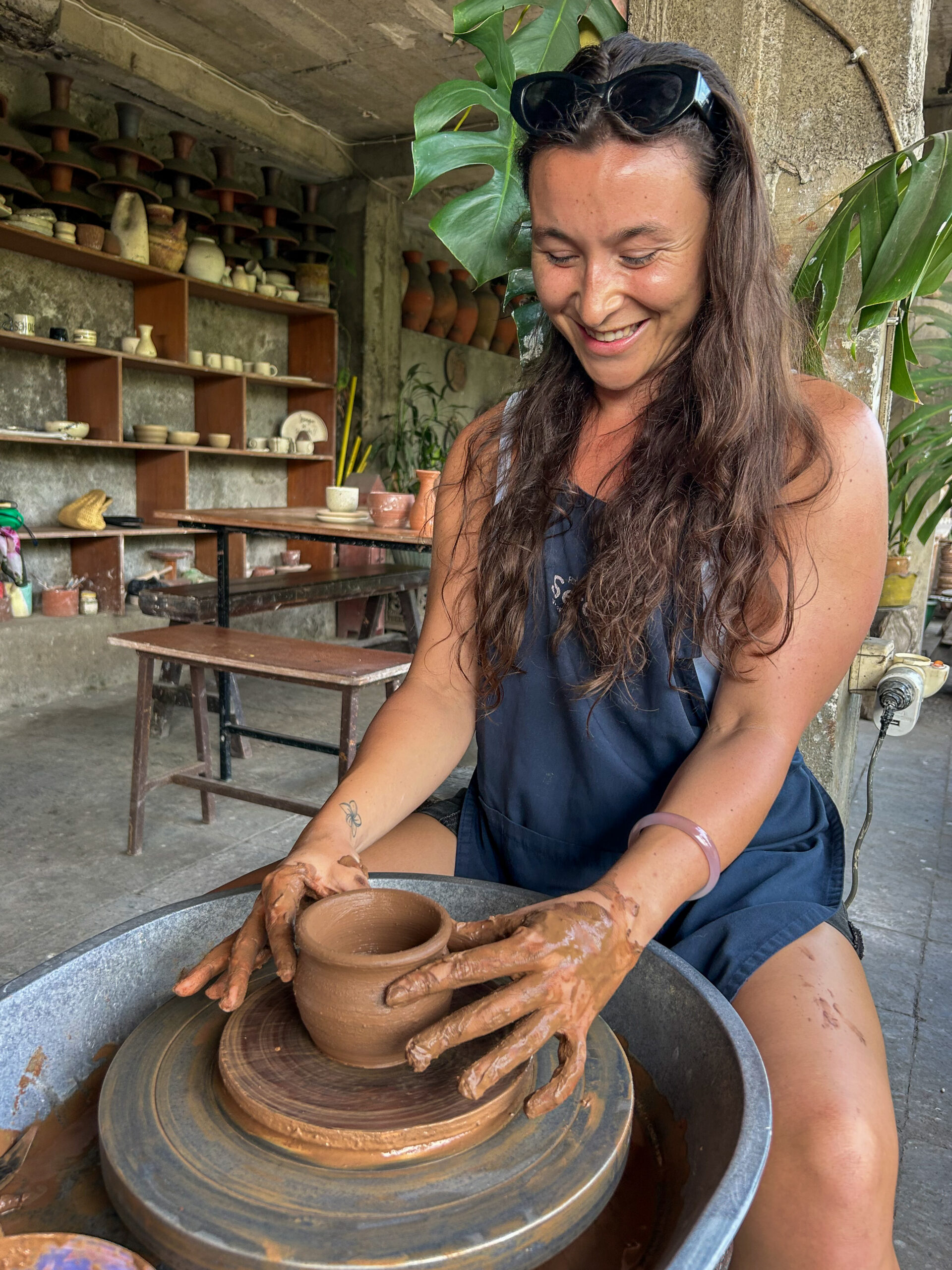
- Pottery Class: Pottery is one of the most relaxing activities, and if you’ve never attended a class, Serayu Pot is the perfect place to start. The studio is absolutely stunning, painted in soft neutral shades of grey and decorated with terracotta creations and lush green plants. During a simple workshop, you’ll create two pieces and learn the basics of working with a pottery wheel.
- Visit a Spa: You won’t struggle to find an opportunity to get a massage…you’ll be literally surrounded with offerings. But if you’re looking for the spa experience in Ubud, for me, there’s only INKA Spa. It’s a bit more expensive than most places, but the quality of every treatment (I had two facials and a massage), combined with the way you’re taken care of from the moment you walk in to the moment you leave, makes the whole experience truly special.
Day 3 – From Ubud to Central Bali
Central Bali ended up being my favorite area on that very first trip to Bali. I still can recall the feeling of leaving the crowded streets of Seminyak behind and driving along quiet roads surrounded by verdant rice fields and tropical plants, with just a few small roadside shops and kids, no older than ten, already riding run-down scooters.
The main regions of Central Bali are Tabanan and Bedugul, and this is where I suggest spending at least one night to make the most of your time in the area.
If you’re looking for a place to stay, check out Village Above the Clouds, a peaceful location immersed in nature with insane rice field views.
Tip: This is the only journey where I recommend hiring a private driver (if you’re not riding your own scooter). You can communicate your itinerary and drop-off point in advance, and you’ll be good to go.
Morning: Pura Ulun Danu Bratan
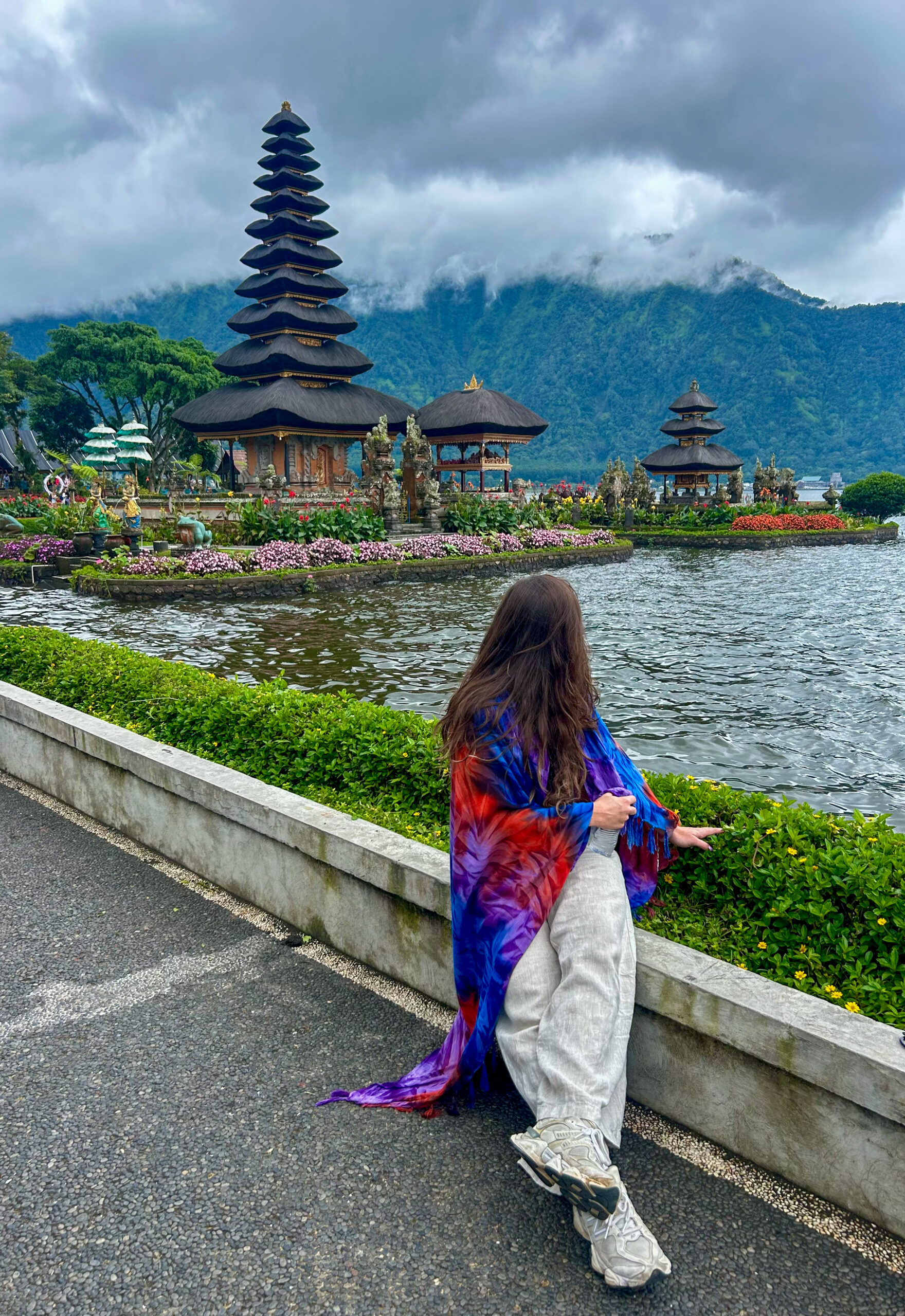
I’d start the morning at one of the most outstanding spiritual sites on the island: Pura Ulun Danu Bratan. Located on Lake Bratan, the island’s most important water source, it’s considered one of Bali’s most significant water temples. This is where locals hold ceremonies to pray for a sufficient water supply, essential for the island’s rice fields.
Beyond its religious significance, the surrounding scenery creates an almost surreal atmosphere. Picture lush green hills wrapping around the lake, with a soft, low mist drifting above the water, and, of course, the charming meru-style shrine that seems to almost float on the lake’s surface.
That said, it is a very touristy spot, which is why I suggest visiting early in the morning, before the bus tours arrive. Another great option is to rent a traditional boat nearby, allowing you to enjoy the location from the water and experience it more intimately.
Lunch at Jatiluwih Rice Terraces
The Jatiluwih Rice Terraces are part of the UNESCO-protected Balinese subak system, a traditional water irrigation network that blends the spiritual role of water temples, cooperation among local communities, and agricultural expertise.
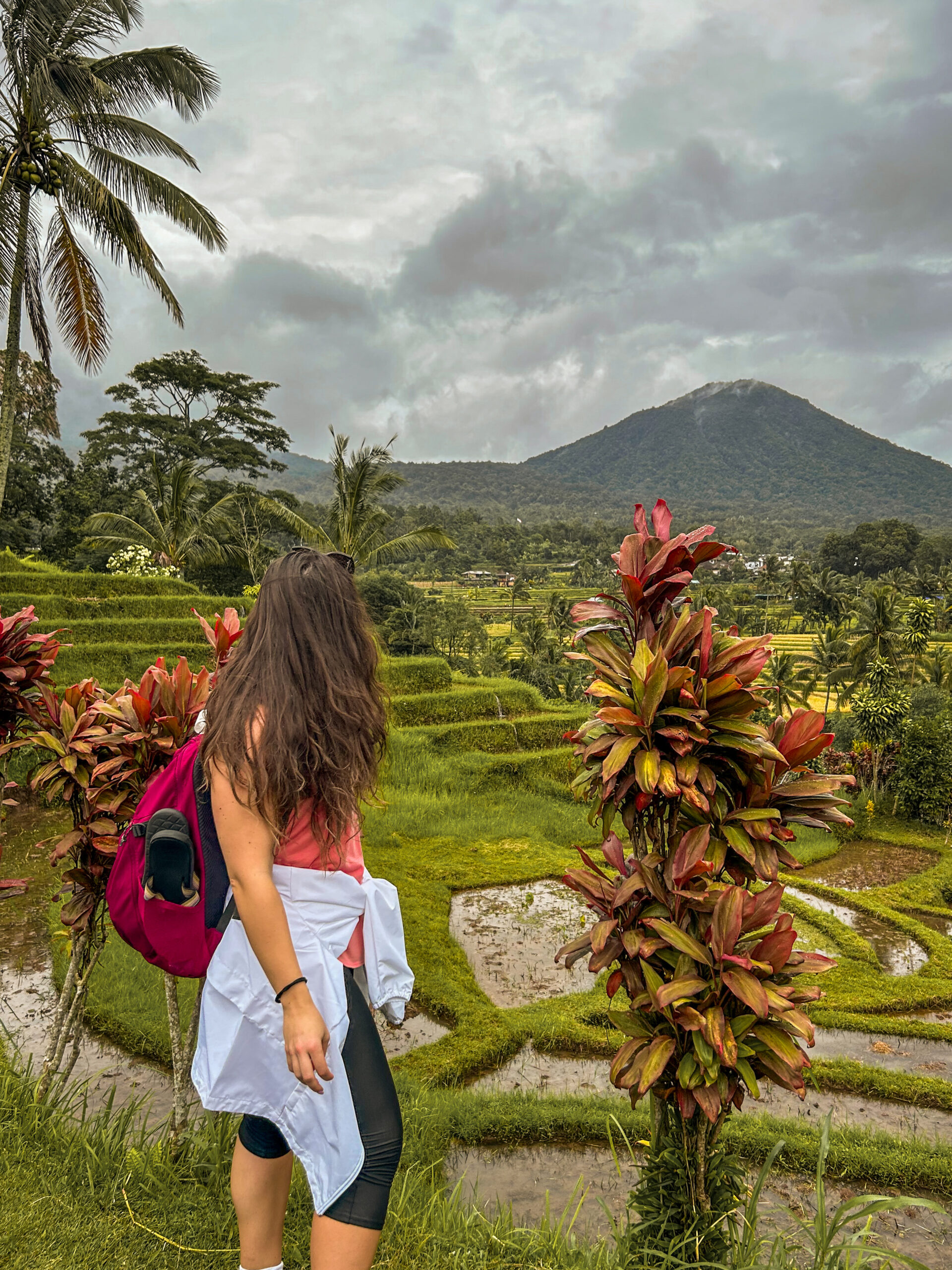
And let me tell you, once you’ve seen Jatiluwih, most other rice fields in Bali might leave you a little underwhelmed (with the possible exception of Sidemen).
The Jatiluwih rice terraces span over 600 hectares, and they’re surrounded by emerald-green hills, with sweeping views that stretch all the way to Gunung Batukaru, the island’s second-highest peak and an inactive volcano.
Several walking trails allow you to explore different sections of the fields at your own pace. After your walk, you can stop at nearby spots like Gong Jatiluwih or Batu Karu Kopi to enjoy a delicious Indonesian buffet (make sure to try the tempeh!)
Afternoon: Leke Leke Waterfall
At this point, I’ve visited quite a few waterfalls in Bali, but Leke Leke Waterfall is still at the top of my list.
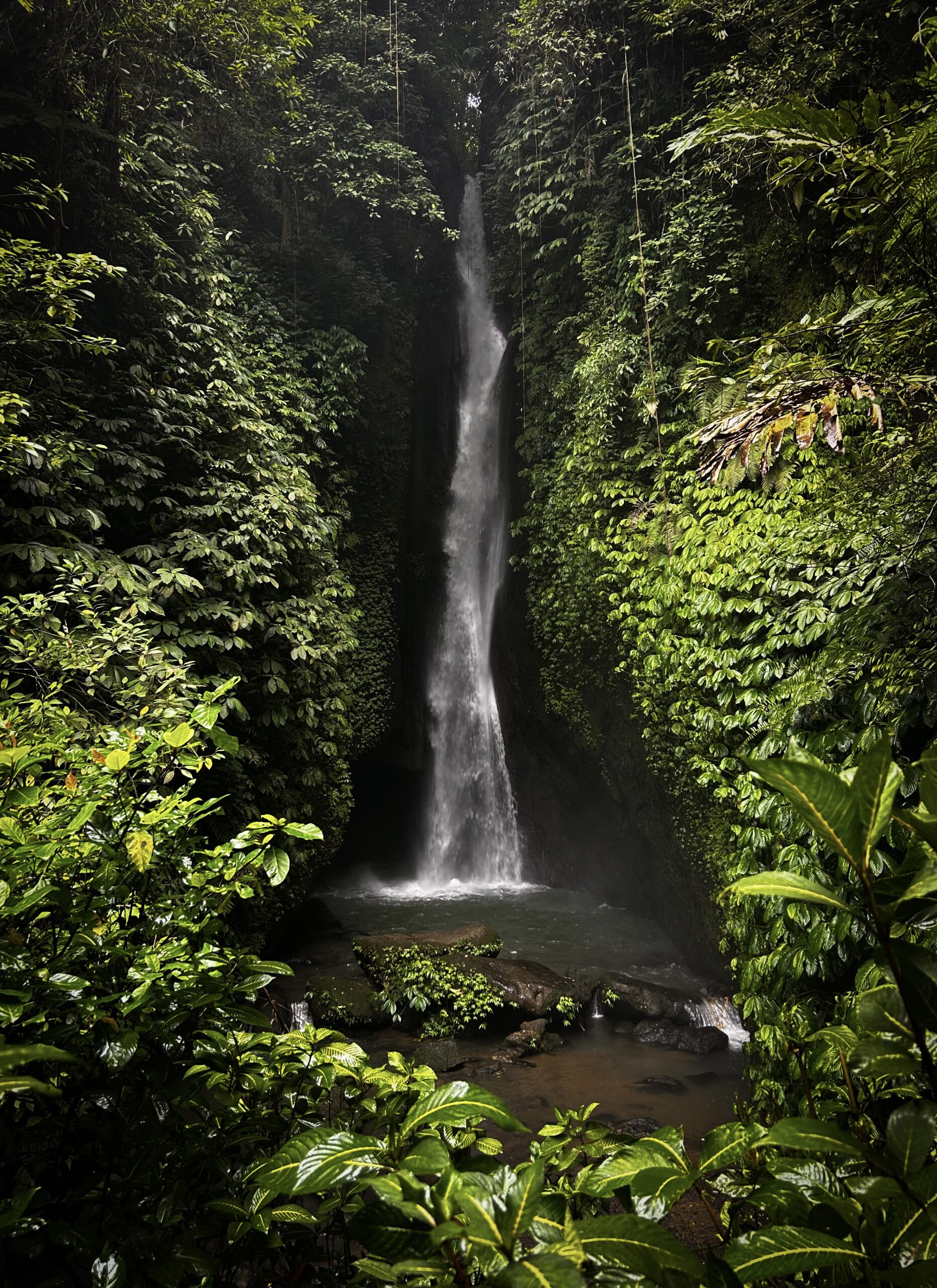
I can clearly remember the feeling of hiking down through dense, humid jungle, only to suddenly find myself in front of this powerful cascade coming out of the rocks, crashing into a natural pool below.
The rush of water creates a fine mist all around, making it almost impossible to take decent photos. You can swim in the pool, but you’ll quickly realize that the closer you try to get to the waterfall, the more it pushes you back.
I visited in the afternoon, during the rainy season, and there was only one other couple there besides us. When I later told one of my Balinese guides, he couldn’t believe it; he simply said, “It’s always crowded.” So I guess… it really depends.
Day 4 – From Central Bali to Kintamani
Located about 1.5 hours from Bedugul, Kintamani is not just about the Mount Batur sunrise hike; there’s so much more to explore here.
I’d definitely recommend spending two nights. While the sunrise hike is a must, it also means waking up around 2 a.m. to hike an active volcano. Because of that, you’ll likely need some extra time to rest and recover, both before and after. Two nights really allow you to slow down, explore the surroundings, and ease into the next stops on your itinerary.
I suggest renting a scooter to explore the area at your own pace (and to avoid getting scammed, as it happened to me). And if you’re looking for a nice place to stay with one of the clearest views of Mount Batur and the loveliest owner, check out Ayodya Batur Villa.
Morning Exploration in Kintamani Village
The highlight of Kintamani is, without a doubt, the view over Mount Agung, Mount Batur, and Lake Batur, lying between the two active volcanoes.
You’ll get some of the best views from the main road, Jl. Penelokan. And if, after the drive, you’re feeling hungry, stop by Akasa Café for its aesthetic architecture, excellent coffee, and what might be the best stuffed croissant for breakfast.
From there, Pura Ulun Danu Batur is not far. Not to be confused with Ulun Danu Bratan, this temple was relocated to its current location after a volcanic eruption reshaped the area.
Afterward, rent a scooter and explore Kintamani on your own. This is the kind of place where wandering, taking a break whenever the view calls for it, feels completely natural.
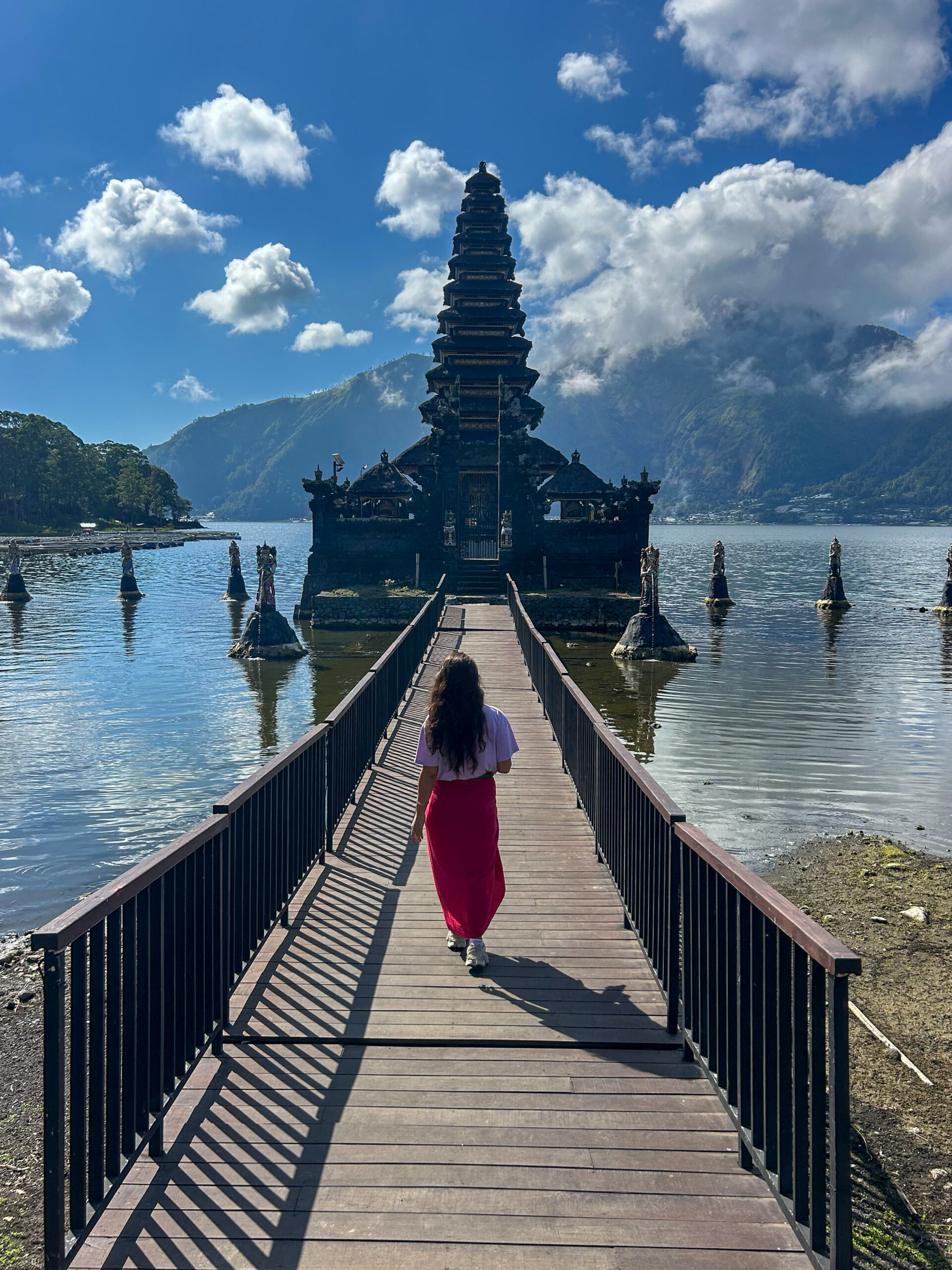
Closer to the lake, you’ll find two more charming temples: Pura Segara Ulun Danu (a must-see) and the smaller Pura Jati Batur, located right beside it.
If you need a break from the heat or the rain, you can stop at the Batur Geopark Museum, a scientific center dedicated to studying and showcasing the geological history of the area and Bali as a whole.
Lunch and Afternoon at Paper Hills
Paperhills is likely one of the fanciest day clubs, restaurant, pool club, call it what you like, in Kintamani. Beyond the food, which is genuinely very good, the views truly steal the show.
Considering that you may be planning a Mount Batur sunrise hike for the following morning, taking the afternoon off from exploring is actually a great idea. Resting and recharging before such an early wake-up can make a big difference.
Paperhills is the perfect place to slow down, thanks to its pool, views, and elegant setting.
Day 5 – Mount Batur Sunrise Hike & Batur Hot Springs
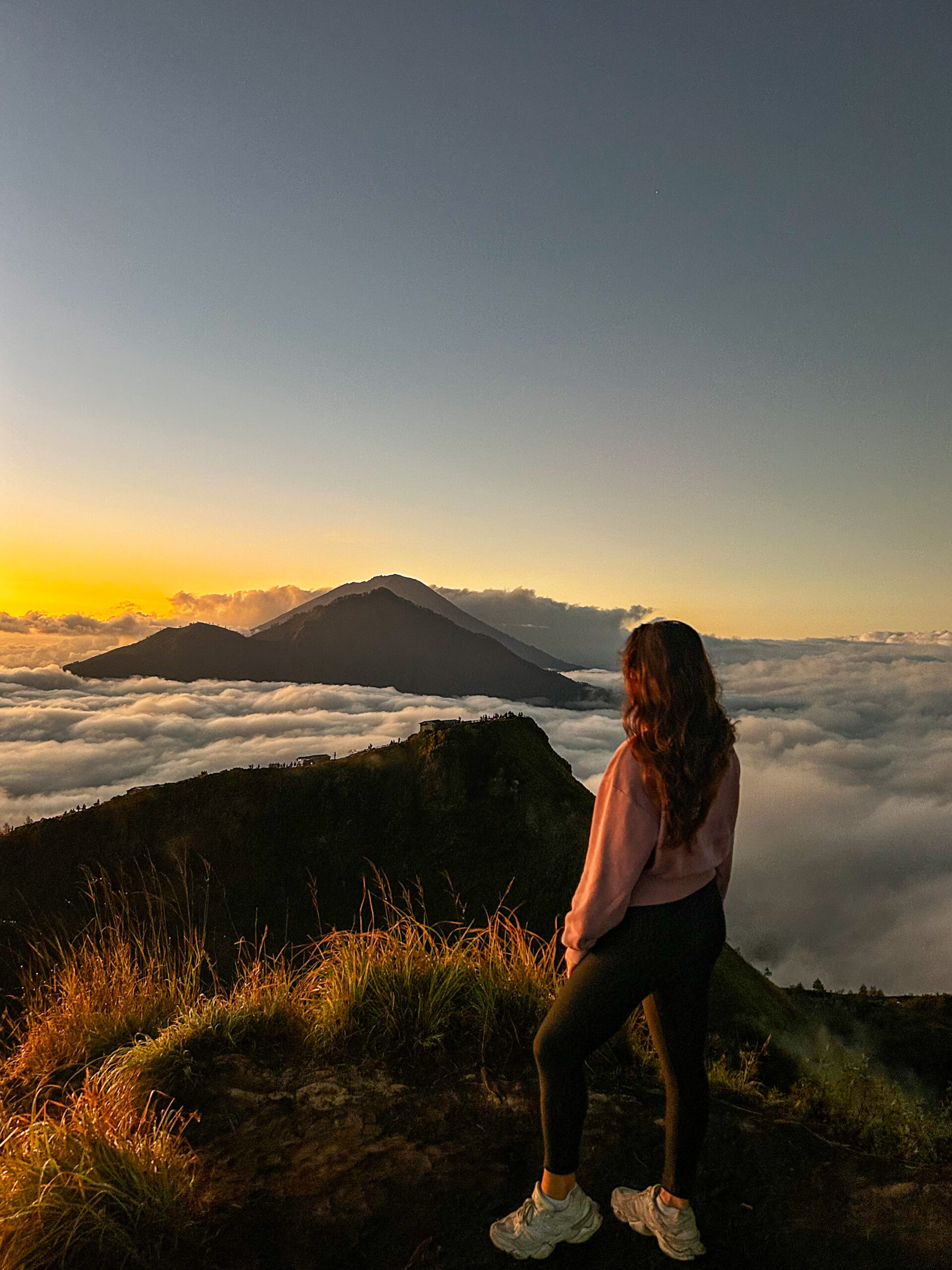
The alarm clock will likely ring around 2 a.m. That’s usually when most providers organize their pick-up before heading to base camp and starting the hike up Mount Batur.
It honestly feels like a nightmare at first, but trust me: the fatigue quickly fades once you start hiking and sweating, and it completely disappears the moment you look up and glance at the star-filled sky above you (I even got to see a shooting star!).
The hike usually takes between one and one and a half hours, depending on your pace. Once you reach the top, a simple breakfast, cold wind, and a fiery sunrise will be waiting for you. It’s truly a once-in-a-lifetime experience.
After the sun is up and it’s time to hike back down, that’s when you really feel how tired you are and how badly you wish you could be instantly teleported into a hot shower and straight to bed (which is probably why the descent feels so much faster).
You’ll usually be back at your hotel by around 9:30 a.m., just in time for a second breakfast and some very well-deserved sleep.
If you manage to wake up in the afternoon and feel like stepping out of bed, visiting the natural hot springs is the perfect way to slow down and relax. In Kintamani, there are two main hot spring locations: Batur Natural Hot Spring and Toya Devasya Natural Hot Spring.
Tip: Wear layers during your hike. You’ll be sweating while hiking, but once at the top, the temperature quickly drops, and the wind is cold.
Day 6 – From Kintamani to Sidemen
Sidemen had been on my Bali bucket list ever since my very first trip to the island, and I remember wishing it had been part of that original itinerary. The views over endless, verdant rice fields, combined with the deeply traditional village atmosphere, are what first drew me in.
I finally managed to spend a couple of days there while living in Bali, and I can honestly say I would now include Sidemen in every first-timer itinerary.
Morning: Gembleng Waterfall and Sidemen Rice Fields
After the ride from Kintamani, you can stop at Blue Paradise Coffee & Bakery, one of the best spots for breakfast in Sidemen, right in the heart of the village.
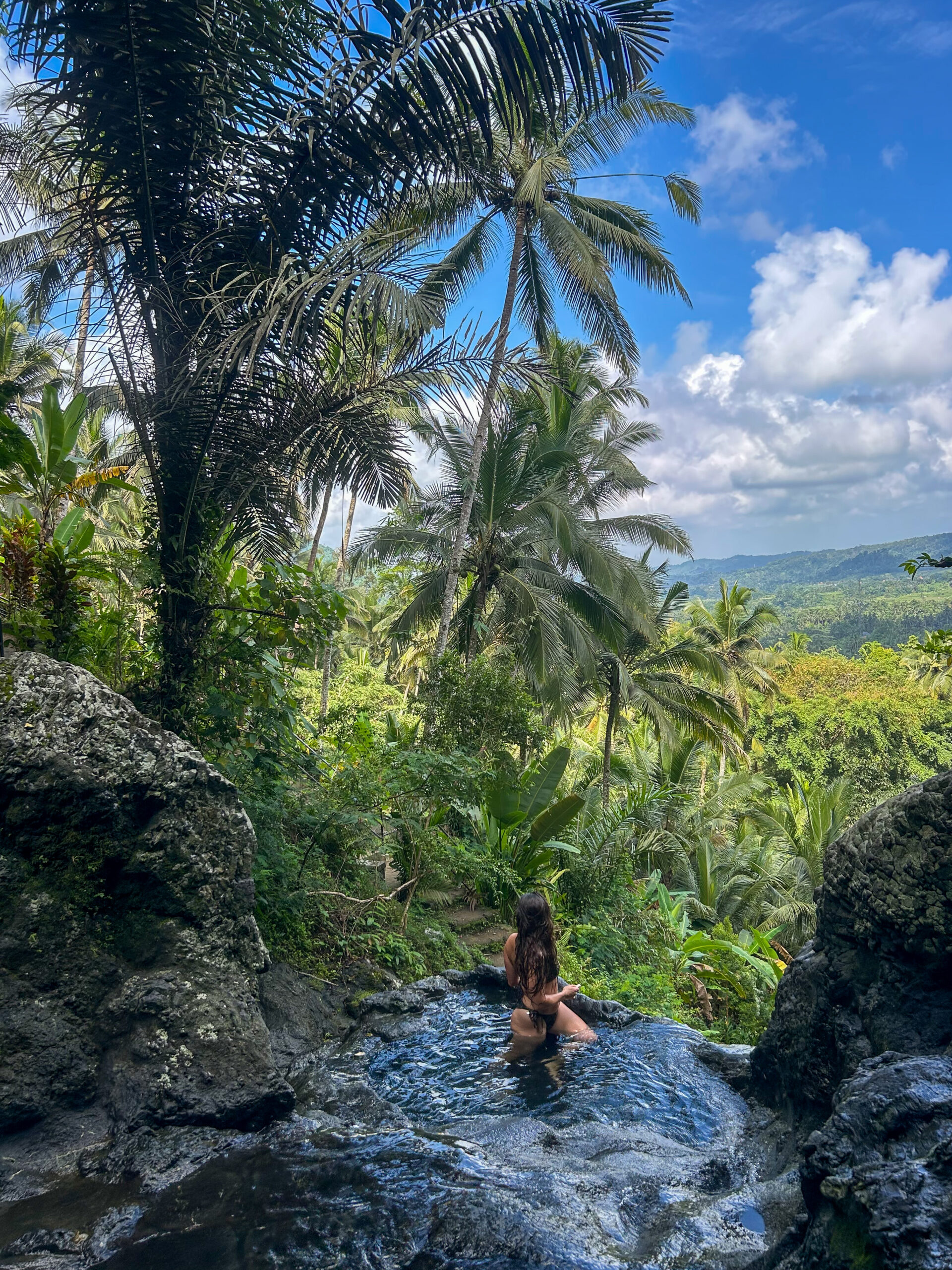
From there, Gembleng Waterfall is just a 30-minute scooter ride away. Driving along the Sidemen roads feels like pure freedom, surrounded by nothing but rice fields and farmers, with no traffic in sight.
I’d consider Gembleng one of the most charming waterfalls in Bali: not the biggest or the most majestic, but simply picture-perfect (keep your breakfast light if you’re planning to take a dip in the small natural pools).
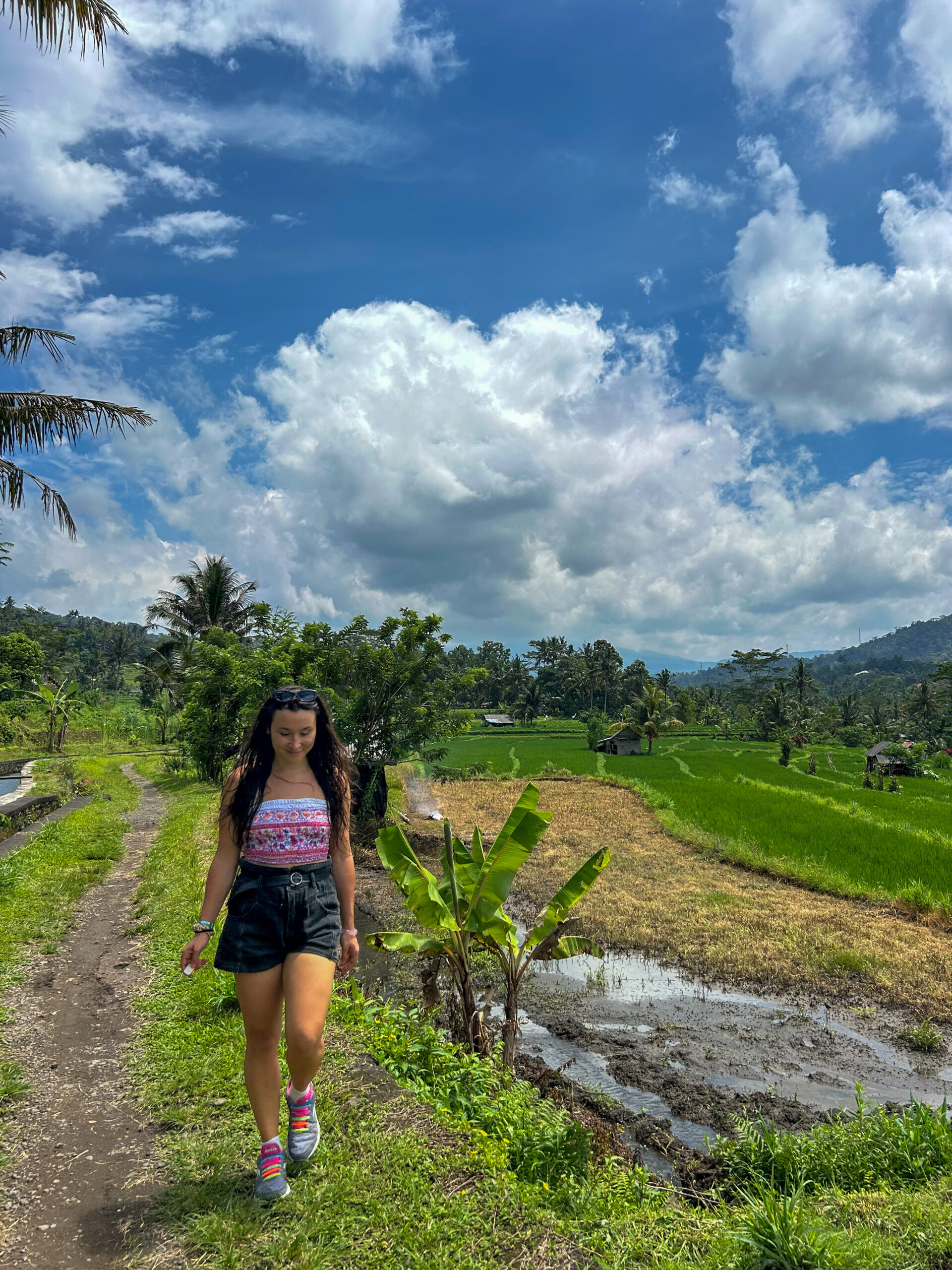
Afterward, head back toward the village and make your way to the start of the Sidemen rice fields trek. It’s a 3–4 km trail winding through serene, untouched rice fields. Along the way, you’ll meet local farmers harvesting their crops and villagers bathing in the irrigation canals, everyone incredibly kind and smiling.
I recommend stopping at Panorama Sidemen, a small warung located right in the middle of the trek, to enjoy the view, take shelter from the sun, and maybe sip on a fresh coconut.
Lunch at Koli Koli
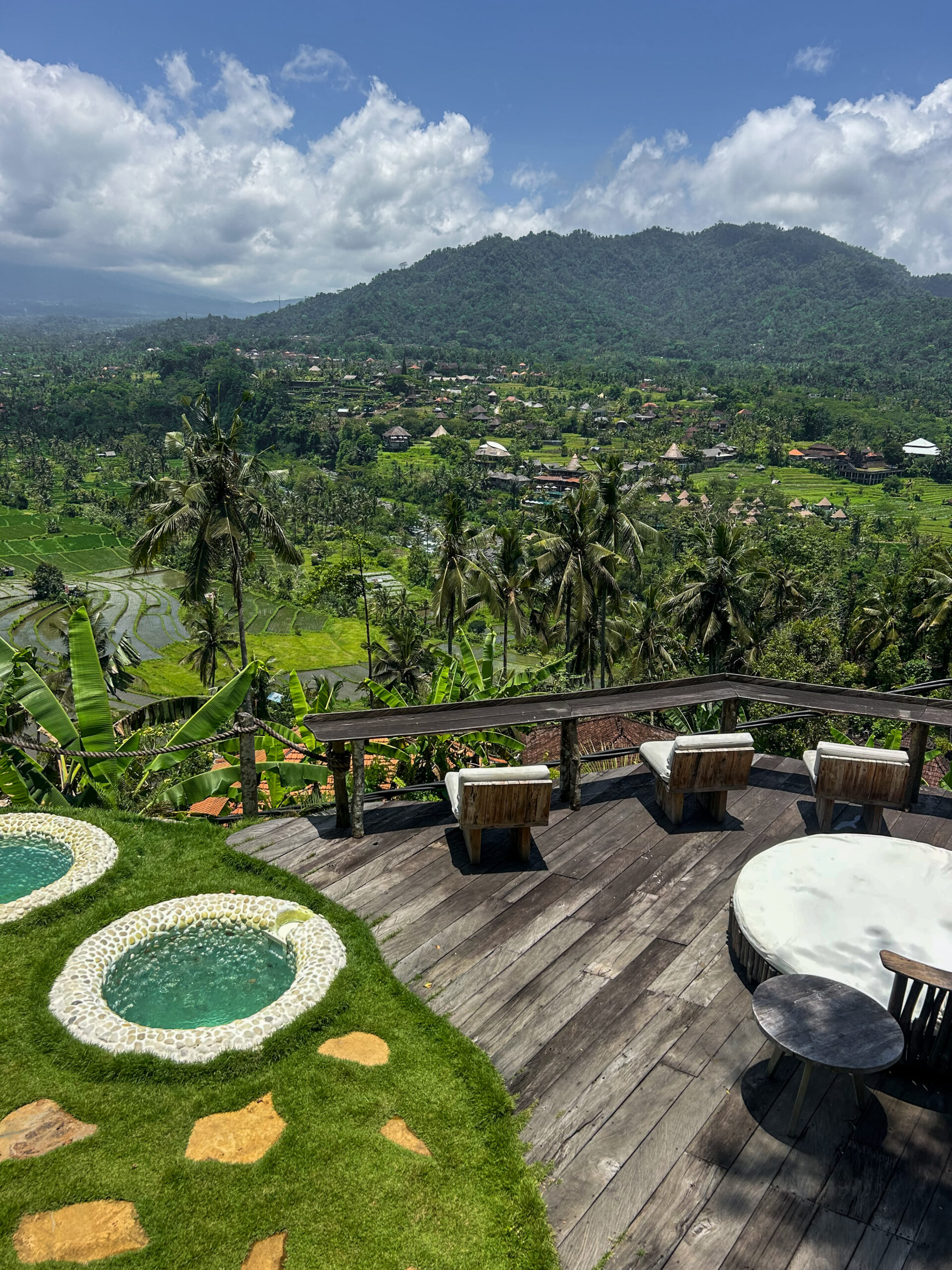
Koli Koli is a recently opened day club in Sidemen, and while I’d normally suggest sticking to something more traditional, the view from this location is truly something you have to see. It offers a different perspective on Sidemen’s timeless rice fields, Mount Agung, and the surrounding scenery, one that hasn’t yet been taken over by villas or tourism infrastructure.
The food at Koli Koli is genuinely very good (even if the portions are on the smaller side), and prices are higher. But between the peaceful atmosphere, the small pools where you can cool off, the daybeds, and the possibility of staying for hours without feeling rushed, it’s one of those places that feel like a dream when your itinerary is packed, and you really need a moment to pause.
Afternoon: Silversmithing Workshop
Silversmithing is one of those crafts that, in Bali, has been passed down from generation to generation, and locals are genuinely happy to teach travelers how to do it.
Joining a silversmithing workshop is another beautiful way to connect with the local community while doing something fun and completely new. Not only will you spend a couple of hours surrounded by good energy, laughter, and creativity, but you’ll also walk away with a personalized souvenir from your time in Sidemen.
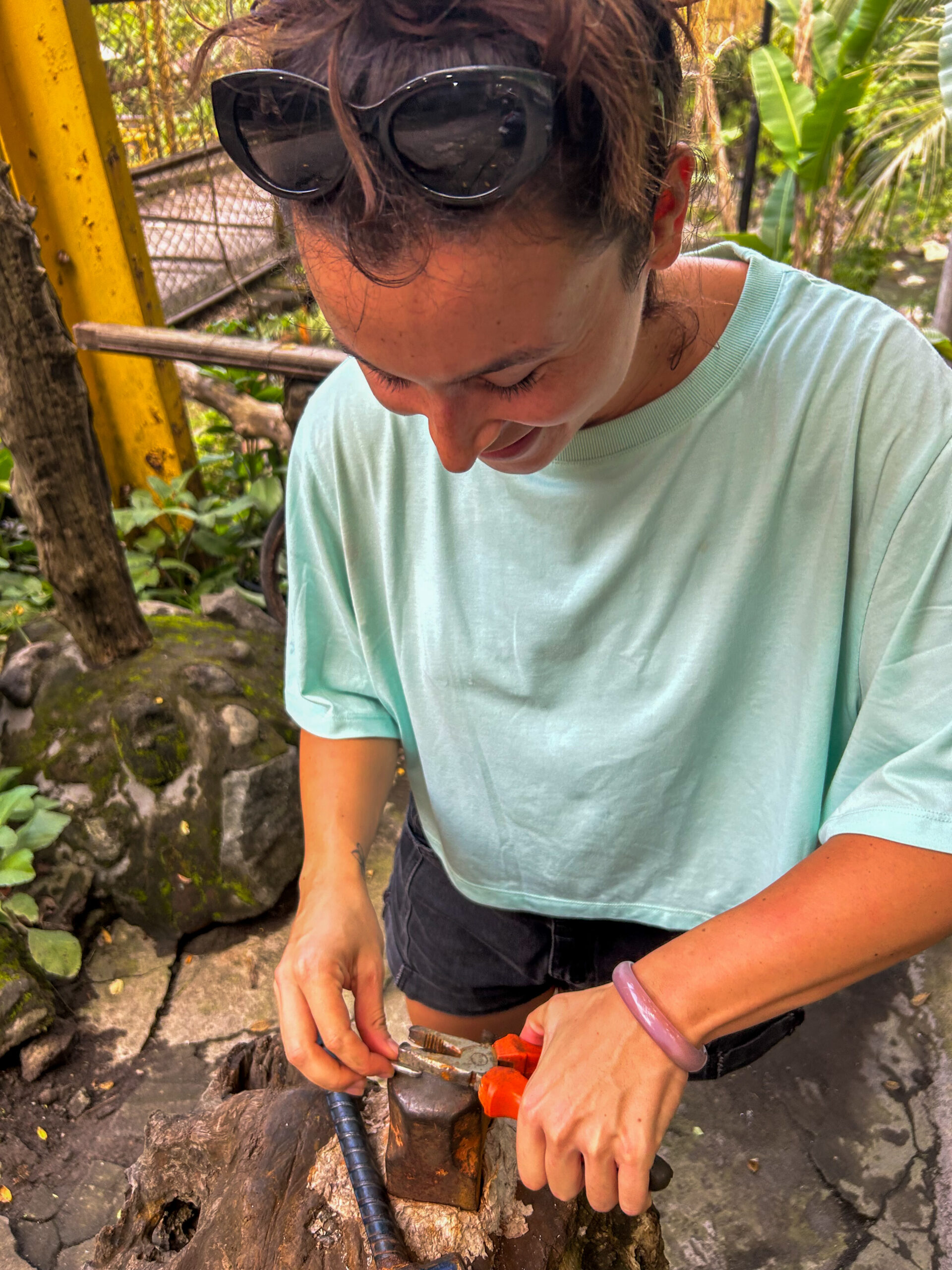
Most workshops allow you to create either a silver pendant or a ring to take home with you. I took my class with Sidemen Silver, located near the Sidemen Yellow Bridge, and it was honestly one of the funniest and most memorable moments of my time there.
Dinner With a View
If there’s one thing I highly recommend, it’s finding a restaurant with a good view of Mount Agung and heading to dinner early so you can enjoy the sunset over the volcano.
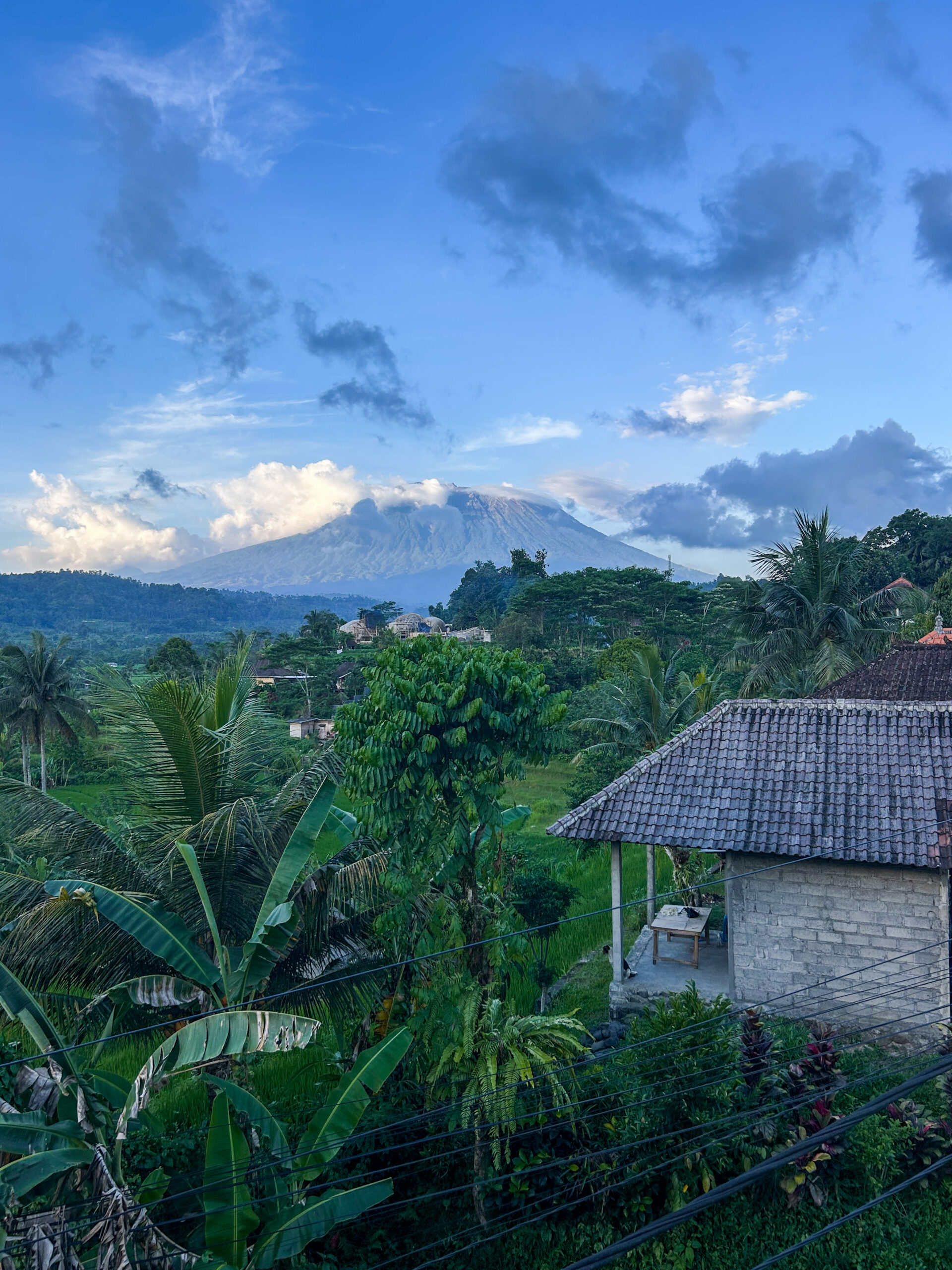
I ended up at Sundari Restaurant completely by chance while looking for a place to eat, and it turned out to be a perfect choice. The restaurant is located on the second floor, and the view is truly special. You’ll dine with a breathtaking volcano in front of you, sometimes disappearing behind the clouds as the sky shifts into soft shades of pink and purple.
The cherry on top? The food is genuinely delicious.
Day 7 – From Sidemen to Nusa Lembongan
You could plan to spend one more day and night in Sidemen, maybe organizing a day trip to East Bali and visiting places like Lahangan Sweet, Tirta Gangga, or Jagasatru Waterfall.
However, having done that trip myself, I realized that in a 10-day itinerary, we also deserve time to truly rest. That’s why, from Sidemen, I’d move on to Sanur to catch the ferry to nearby Nusa Lembongan.
I spent four full days in Nusa Lembongan, and it still felt too short.
This tiny island, located just off the coast of the much more famous Nusa Penida, delivers the kind of island bliss that’s hard to beat. Life here revolves around beach hopping, snorkeling, sunset dinners with your feet in the sand, and days spent wearing flip-flops, bikinis, and sarongs.
Morning: Ferry from Sanur to Nusa Lembongan
Sanur is located about 1.5 hours from Sidemen, and depending on how early you leave, you can easily plan to catch a morning ferry.
Nusa Lembongan is just a 30–45 minute ferry ride from the coast of Sanur, with boats departing daily, several times a day. When booking your stay on Nusa Lembongan, your accommodation staff can often take care of everything for you, from ferry tickets to transportation from the arrival point to your hotel.
I’m putting “port” in quotation marks because there’s no actual port or jetty on the island. You’ll arrive directly on either Mushroom Bay or Jungut Batu Beach, depending on the ferry company. These are also the two main areas where most accommodations are located.
Tip: If you’re booking your own ferry tickets, make sure to check the arrival beach and choose the one closest to your accommodation.
Lunch On The Beach
Depending on where your accommodation is located, you can plan to have lunch by the beach. As mentioned, there are two main areas and beaches to stay in Nusa Lembongan.
Mushroom Bay is a smaller area on the southwest side of the island, ideal if you’re planning to rent a scooter and explore. This is where I stayed, at a lovely bungalow complex called Pattri Garden. In the area, I highly recommend Suka Warung for a simple, warung-style meal, or Hai Tide Bar and Grill if you’d like lunch with a view.
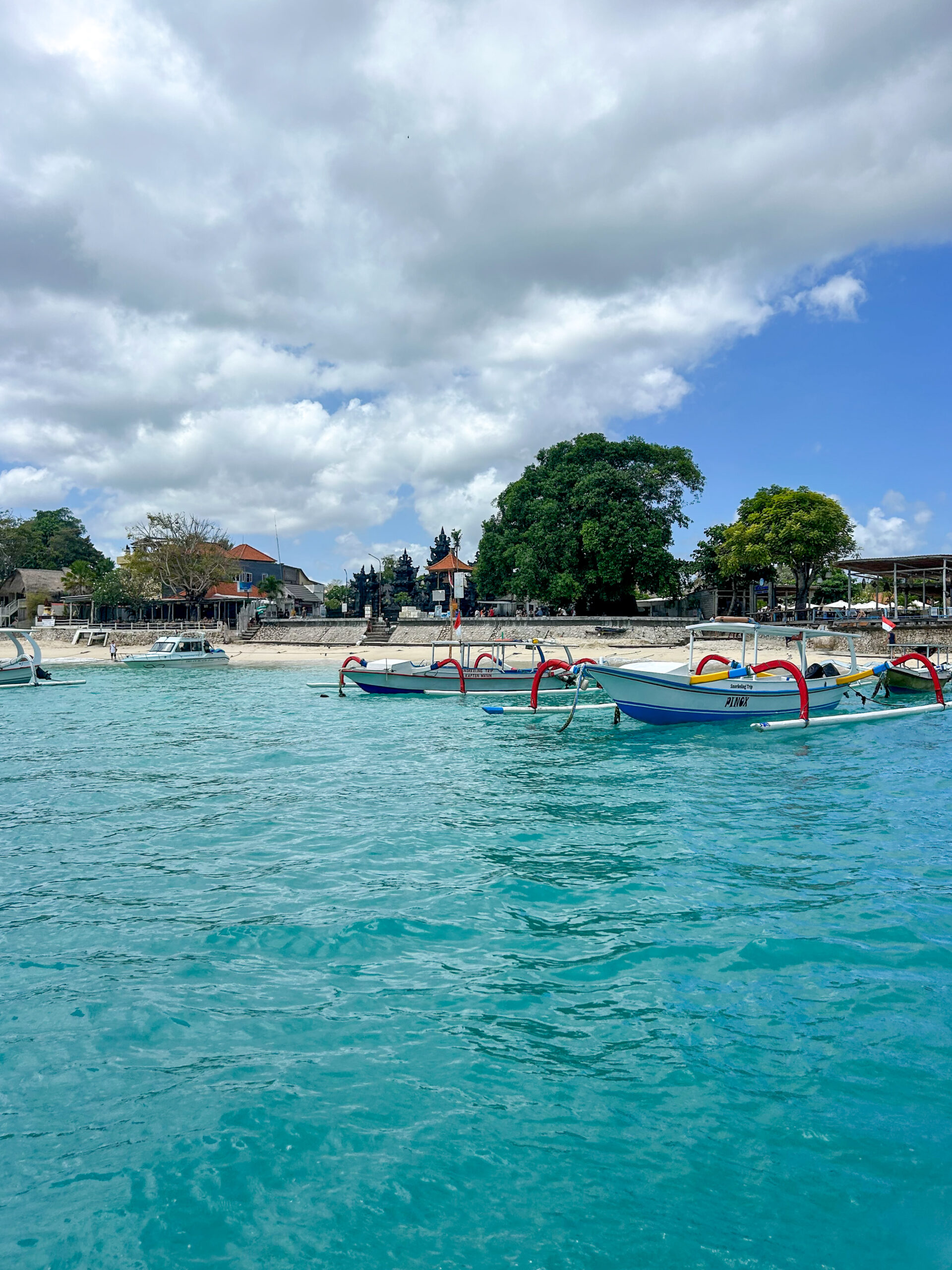
On the northwest side of the island, you’ll find the long stretch of beach known as Jungut Batu Beach.
This area is more spread out and offers a wider choice of restaurants and shops. It’s ideal if you’re not renting a scooter and prefer to walk or cycle around.
Here, you can stop at The Deck for one of the best views over the beach, with Mount Agung in the distance, or Ginger and Jamu for something fresh and healthy right by the sea.
Tip: Renting a scooter is the easiest way to get around Nusa Lembongan. Taxis (open-air pick-up trucks), buggies, and bicycles are also available. In some areas, walking is an option, especially around Mushroom Bay and Jungut Batu Beach.
Afternoon: Beach Club, Beach Hopping, and Sunset
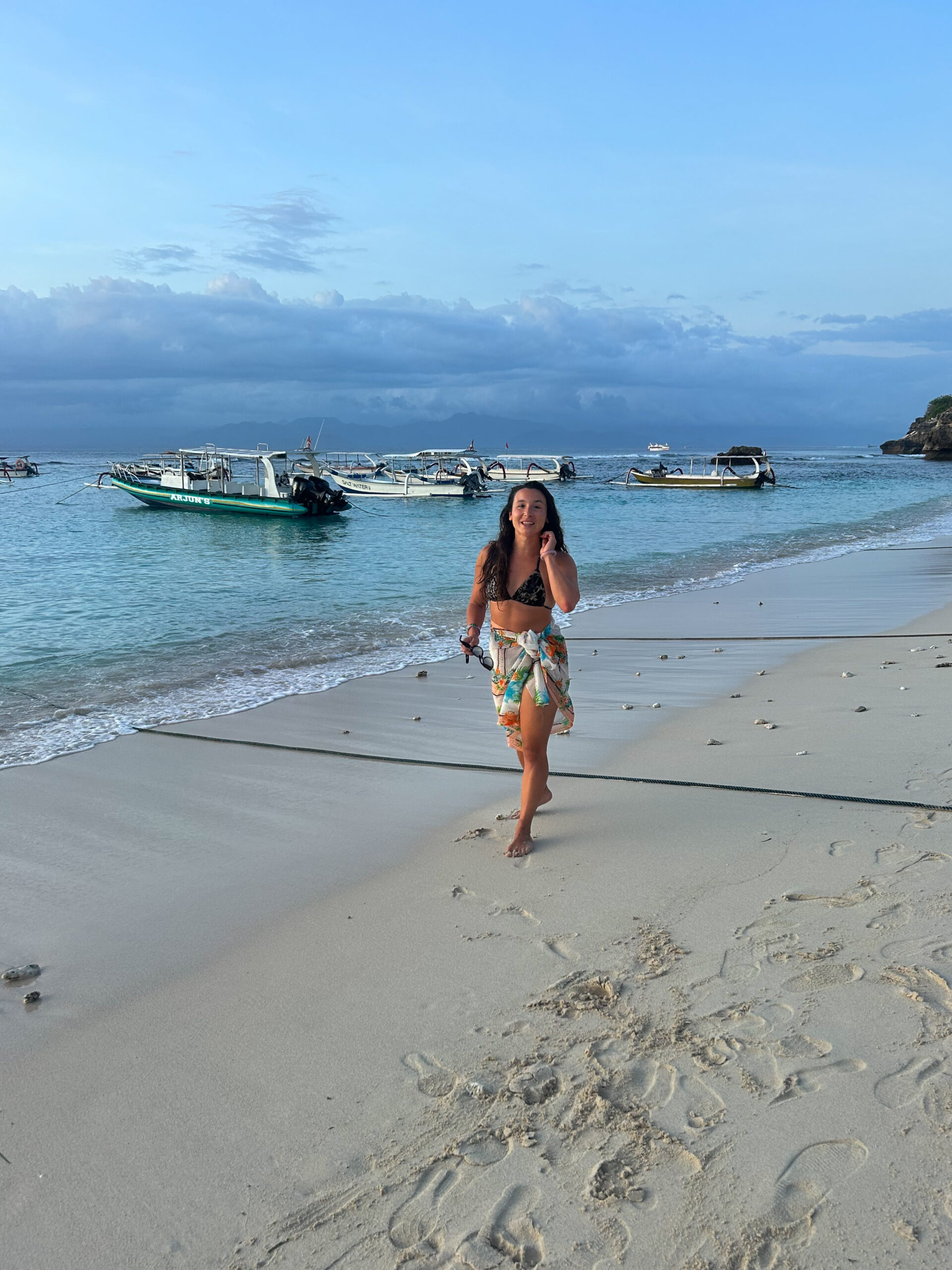
Depending on how active you feel in the afternoon, you can plan an island exploration or a beach-hopping loop on your scooter.
You can start with the calm atmosphere of Tamarind Beach, closer to Mushroom Bay, then continue to the dramatic waves at Dream Beach and Devil’s Tears. From there, stop by Sandy Bay Beach Club, and, if you’re up for it, ride all the way to Jungut Batu Beach and the mangrove forest in the north of the island.
If you feel like you need a break from all this exploration, you can always spend the afternoon at one of the beach clubs on the island. I personally spent two full days at Dream Beach Huts, and loved every minute of it.
No matter how you choose to spend the afternoon, make sure you end the day in the right spot for sunset. One of my favorite places on the island is The Point Bar, close to Mushroom Bay.
Dinner with Live Music
Nightlife in Nusa Lembongan isn’t really a thing. That said, you can still find a few restaurants offering fun live evening entertainment.
During my time on the island, I had dinner at L Good Bar and Grill, and even though the place is a bit rustic, the food is genuinely very good. Grilled fish and meat are their specialties, and the best part is that many dishes come with access to the salad bar.
Another place I loved was Sanghyang Bay Bar and Restaurant. The atmosphere here is much more intimate, with a view over Mushroom Bay and live acoustic covers drifting in the background.
On the other side of the island, around Jungut Batu, I had dinner at Fin’s Bar & Restaurant. The vibe here is younger and more dynamic, with live music from start to finish and a packed restaurant filled with chatter, laughter, and tasty dishes.
Day 8 – Snorkeling & Nusa Ceningan
Morning: Snorkeling Trip
One of the highlight activities around the Nusa Islands is snorkeling. Coral reefs, tropical fish, and swimming alongside manta rays are often part of the experience.
Most snorkeling trips cover similar spots off the coast of Nusa Penida, with slight variations depending on the tour.
Common stops include Crystal Bay and Gamat Bay, as well as Manta Point or Manta Bay, where you can swim with manta rays. Tours often also cover Mangrove Point, the only snorkeling spot located around Nusa Lembongan, and Toyapakeh Wall, where you might even spot sea turtles swimming by.

There are plenty of snorkeling tours available, and most accommodations can help you book one based on your preferences. Tours usually last around two to three hours and sometimes include lunch on Nusa Penida.
Tip: Low tide is something to keep in mind in Nusa Lembongan. Ideally, you should book a snorkeling trip starting around 10 a.m., when the tide is higher, and boats can navigate the canal toward Nusa Penida.
Afternoon: Trip to Nusa Ceningan and Sunset
Nusa Ceningan can be considered an extension of Nusa Lembongan. In fact, the two islands are connected by the iconic Yellow Bridge.
With a scooter, you can reach Nusa Ceningan in about 15 minutes. This smaller sister island may be tiny, but it’s packed with places worth seeing.
You can start by riding along the main (and only) road, stopping at one of the beach clubs along the coast to admire the beauty of the canal with its seaweed farms and watch the tide rise or fall (Le Pirate Beach Club is a favorite.)
After that, make sure to head all the way to Secret Beach if you want to feel like you’ve truly discovered a hidden gem.
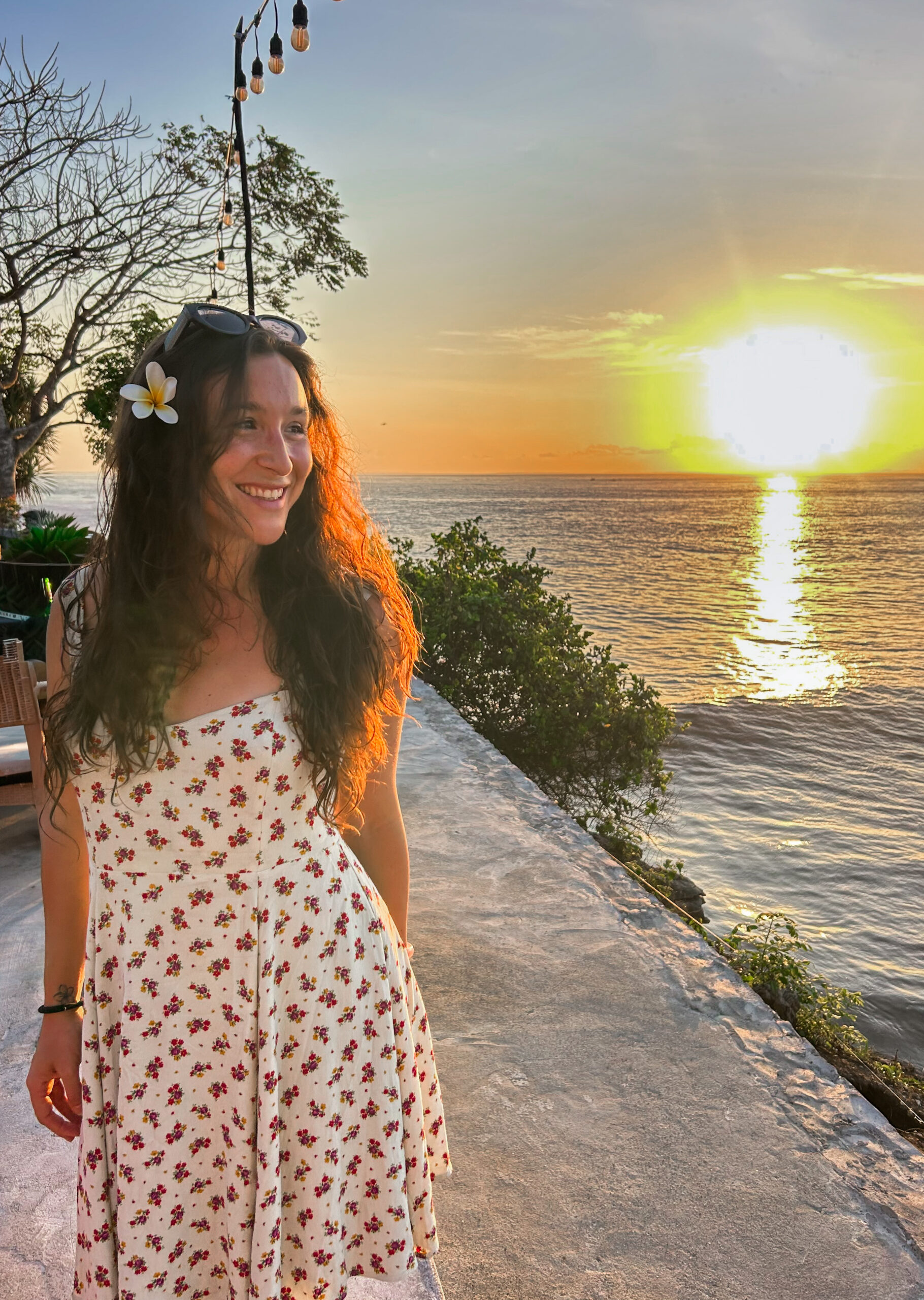
On your way back, and just in time for sunset, stop at two of the most striking viewpoints on the island: Blue Lagoon and Mahana Point. Here, you can stop at The Surf Place, a clifftop bar that’s perfect for catching the sunset.
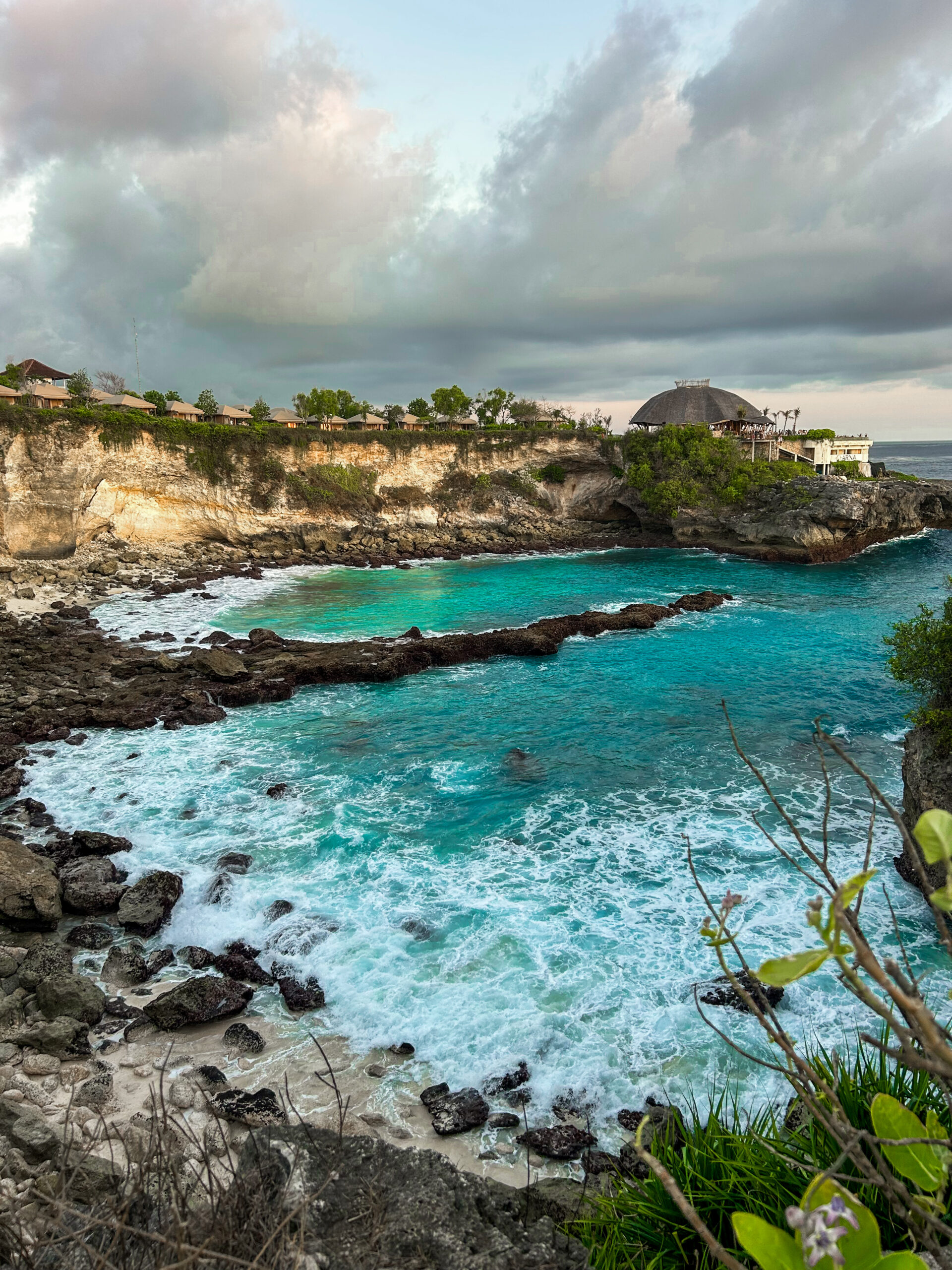
Day 9 – Day Trip to Nusa Penida
A day trip to Nusa Penida is not for the faint-hearted, especially at the end of such a packed itinerary. That said, I do believe it’s worth the effort if you’re not planning to return to Bali anytime soon.
Visiting Nusa Penida for just one day comes with a tough choice: the most popular (and crowded) west side, or the more remote (and far more spread out) east side?
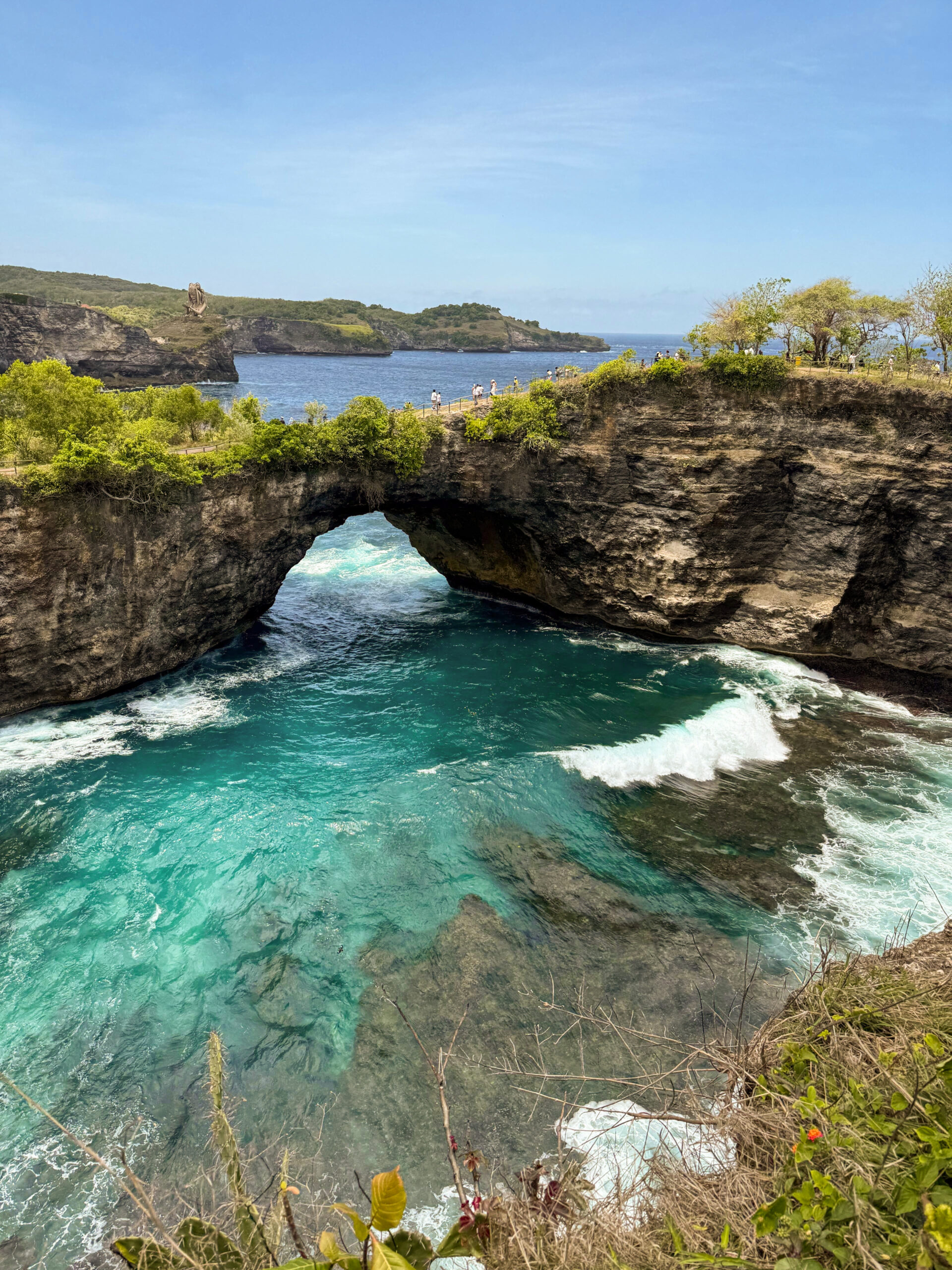
After an itinerary like this, I’d suggest sticking to the west side. It’s much closer to the port where you’ll arrive by ferry, and you’ll spend significantly less time sitting in a car or riding a scooter.
I personally visited the east side because Diamond Beach was a priority for me, but that choice definitely came with a price in terms of travel time.
On the west side of Nusa Penida, you’ll have the chance to visit the iconic Kelingking Beach, the dramatic Broken Beach, and Angel’s Billabong, as well as spend some time relaxing on the white sands of Crystal Bay.
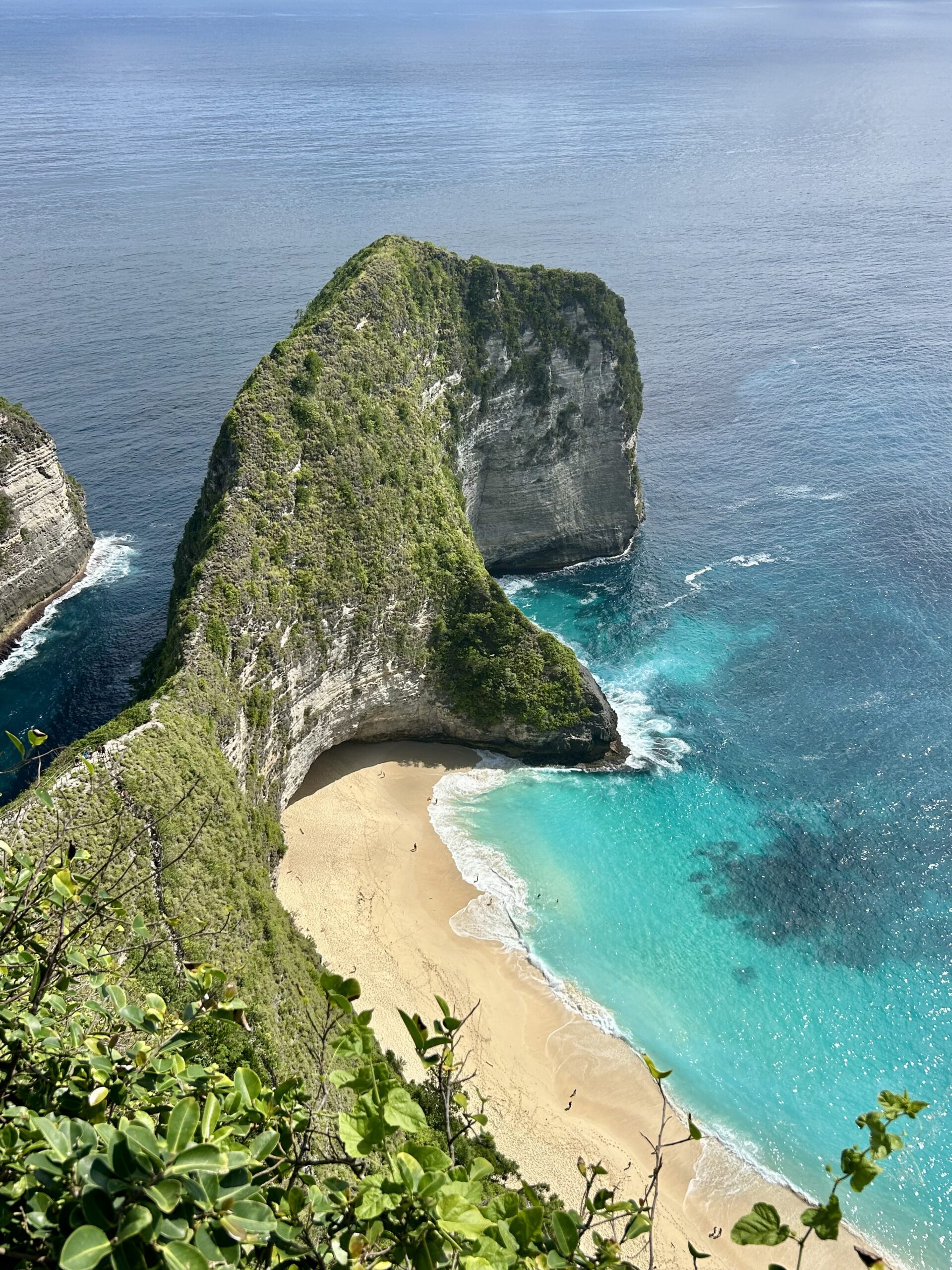
There are plenty of organized day trips available through tour providers and hotels, but you can also rent your own scooter on Nusa Penida if you’re looking for more flexibility (and feel confident riding).
Tip: If you’re planning your own day trip, I’d still recommend booking your ferry tickets online or through your hotel. The main departure point is at the Yellow Bridge, and tickets are usually cash-only. While waiting for my ferry, I overheard prices that honestly seemed way too high.
Day 10 – Nusa Lembongan & Departure
Depending on your departure time on your last day, you may still have a few extra hours on Nusa Lembongan.
If that’s the case, I suggest heading to the northern coast of the island. From here, you’ll get an incredible view of Mount Agung rising in the distance on mainland Bali.
Another great activity to plan is a boat ride through the Mangrove Forest. It’s a beautiful way to explore a different ecosystem and spot local birdlife. There are plenty of tours available, and you can usually choose between a kayak, a paddleboard, or a traditional gondola-style boat.
When it comes to leaving Nusa Lembongan, your accommodation will usually take care of organizing your transfer to the “port” and booking your ferry tickets.
Tip: I recommend booking your taxi from Sanur to the airport in advance. Grab cars aren’t allowed to enter the Sanur port area due to local taxi regulations. Instead, use Bluebird or another private transfer service.
And there you have it, this would have been my ideal first-time 10-day Bali itinerary. If I had the chance to extend it further, I’d still add a couple of days in Uluwatu, simply because I love its laid-back, beach-town vibe and beaches.
I intentionally left out more touristy locations such as Canggu, Seminyak, and Nusa Dua. They’re more party-oriented or resort-style destinations, and if that’s your vibe, they’re absolutely worth checking out. This itinerary, however, was built with a different intention: to discover the real soul (or rather, the many souls) of Bali.
I hope you’ll find it useful, or at least inspiring, as a starting point to create your own journey across the island.
About the Author
Arianna is a wellness travel blogger from Italy and the voice behind lifetravelandasia.com, where she shares her love for slow travel across Asia, with a focus on culture, wellness, and meaningful experiences. Having lived in China and Bali, she writes for travelers looking to experience these destinations beyond the surface.


