

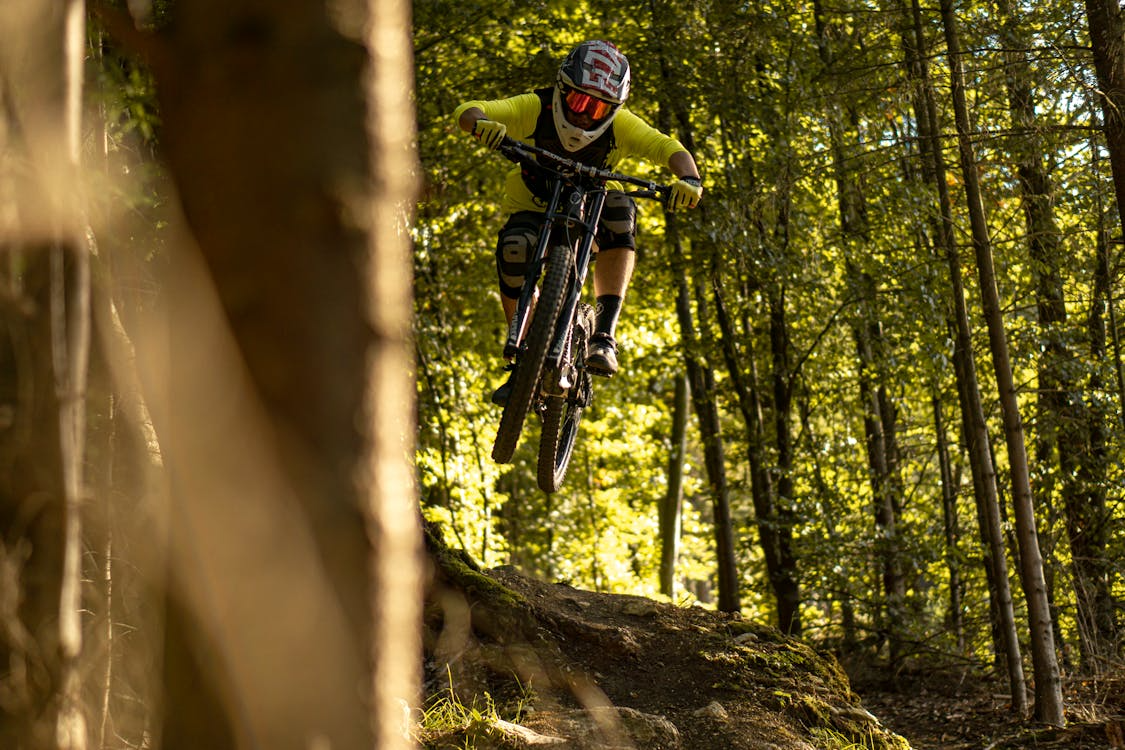
Planning multiple adventure activities in one trip?
Multi-Sport adventure trips are huge right now, and chances are you know why.
Instead of going hiking OR biking OR rafting… you can experience it all.
Awesome, right?
But here’s the problem:
Multi-Sport trips are MUCH harder to plan!
Gear. Fitness. Logistics. Timing.
It’s a lot to handle across multiple activities.
Get anything wrong and you’ll end up exhausted, stressed out, or simply miss out on epic experiences.
Luckily anyone can learn how to plan an amazing multi-sport adventure. And the reward is worth it.
Let’s jump in…
What you’re going to discover:
- Why multi-sport adventures are worth planning
- How to pick your perfect destination for jungle trail tours
- Step-by-step planning strategies
- How to prepare your gear and fitness
- Don’t make these planning mistakes
Why Multi-Sport Adventures Are Worth The Effort
We’ve already covered what makes multi-sport trips so incredible.
Variety.
Ever feel bored on vacations doing the same thing every day?
With multi-sports trips you never will!
Imagine waking up for an easy mountain bike ride through cloud forest. Later that day you hike the same ancient ruins at sunrise. After lunch you jump on a rafting tour down whitewater rapids.
Talk about bragging stories for years to come.
The adventure tourism industry has noticed this trend too. Research from Grand View Research shows that adventure tourism is expected to grow at a rate of 18.2% year over year among millennials age 25-40. That’s because travelers these days want to DO things, not just see them.
How To Choose Your Perfect Jungle Trail Tours Destination
If you’ve got more than one activity in mind your destination suddenly becomes MORE important.
You can’t just pick ANY hiking destination and expect to find multiple activities.
Choosing the perfect multi-sport destination comes down to…
Nearby diversity of terrain. You want small areas with access to mountains, jungle trails, rivers and lakes.
That’s why South America is so popular for multi-sport adventurists. Places like Peru have it all. From high altitude trekking… to downhill mountain biking… to white-water rafting tours.
Take the Inca Jungle Trail for example. This award-winning jungle trail tours package combines hiking, biking, zip lining and rafting all into one amazing adventure.
Here’s some questions to ask when picking your multi-sport destination:
- Terrain variety – Will my chosen activities be available?
- Gear & Operations – Are there trusted outfitters?
- Timing – When is the best time of year to visit?
- Logistics – Can I easily travel between different activities?
Climate plays a role here too. Destinations with tropical climates typically have longer windows to travel. However you’ll need to plan around rainy seasons. Alpine climates may only be suitable during summer months.
Once you nail down the perfect destination it’s time to plan your activities.
The Essential Planning Steps
Planning out your activities for multi-sport trips is actually pretty straightforward.
Here are the steps to follow:
Step 1: Select your activity mix
Grab a piece of paper and write down all the activities you want to do. Be realistic with what you can accomplish during your vacation time. Most people max out at enjoying 2–3 sports on a single trip.
Packing too many activities will leave you feeling burnt out.
Step 2: Know the fitness level of each activity
Not all activities are created equal. Something considered moderate on a hiking tour could be difficult on a mountain biking tour.
Honesty is important here. Look at your fitness level and plan your itinerary around activities you WILL enjoy… not ones you think you should.
Step 3: Guided or self-guided
This decision is huge.
Guided trips take care of all logistics. Transport, equipment, food, lodging… it’s all planned for you. According to ATTA reports, guided tours comprise 76% of adventure travel industry spending and channel budget directly to local suppliers.
Self-guided trips give you flexibility at the cost of lots of organization. You’re on your own for scheduling and sorting out details.
Newbie multi-sport adventurers should almost always book guided trips. They require less up-front planning. As you gain more experience consider going DIY.
Step 4: Build in rest days
This step is often overlooked with adrenaline fueled trips.
Doing something intense every single day of your vacation is a one-way ticket to dehydration and injury. Don’t forget to rest!
Alternate harder activities with easier days. Or book a full rest day to recover.
Here’s an example itinerary with proper recovery built-in:
- Day 1 – Strenuous hike
- Day 2 – Moderate bike tour
- Day 3 – Rest / city tour
- Day 4 – Rafting trip
Easy recovery days allow you to crush it every day on trips.
Gear & Fitness Preparation Tips
Before you book anything make sure you’re prepared for multiple sports.
Packing the right gear
Packing for multi-sport adventures is tricky. You need gear for different activities but can’t bring everything.
Focus on items that can be used for multiple situations.
Quick dry clothing is key. Shoes for hiking and general use. Most specialty gear like bikes, rafts, canoes, etc. will be provided by operators.
Double check exactly what’s provided before you pack. Carrying extra gear through airports is a pain.
Get Your Fitness In Check
You should begin training for your trip at least 2 months out.
Pick activities that will overlap with your trip and incorporate them into your workouts. Add strength training for the muscle groups you’ll use most.
Cross training for multiple activities is ideal. If your jungle trail tours include hiking and biking, do both while you train. Throw in some core exercises and stretching as well.
Altitude is another form of training if your destination is high elevation. You’ll want to slowly acclimate to avoid sickness or altitude sickness.
Packing the right gear is crucial. You need gear for different activities but can’t bring everything. Focus on items that can be used for multiple situations. Quick-dry clothing is key, and shoes that work for both hiking and general use will save space. Most specialty gear like bikes, rafts, and canoes will be provided by operators, but it’s essential to check what’s included before you pack.
It’s also a good idea to protect your devices during these activities. A sturdy, water-resistant Ghostek case, for example, can help keep your phone safe from drops, water, and dirt, especially during high-energy activities like biking, rafting, or hiking in rough conditions.
Common Mistakes To Avoid
Planning your first multi-sport adventure?
You’re not alone. Don’t make these mistakes…
Underestimating activity difficulty. Book yourself into something that’s too hard and you’ll have a miserable time. Know your limits and choose accordingly.
Ignoring weather “windows”. Certain activities might be unavailable during off-season travel. Pick those activities during the “wrong time” and they might get cancelled.
Forgetting travel insurance. With increased activity comes increased risk. Don’t leave home without travel insurance that covers everything you plan to do.
Trying to cram too much into your trip. Over scheduling is a common mistake with multi-sport adventures. Rushing from one activity to another is not enjoyable.
Wrapping Things Up
Done correctly, multi-sport adventure trips will give you memories for a lifetime.
Varied activities like hiking, biking and rafting keep you guessing every day.
Quick Recap:
- Pick jungle trail tours destinations with terrain that support all your activities
- Overestimate fitness requirements and you’ll regret it
- Guided tours are best for first-time adventurers
- Rest up. Recovery days are necessary
- Cross-train for all the activities you plan to do
- Don’t make these costly mistakes
Start planning your dream trip today and come back to this article if you have questions.


