

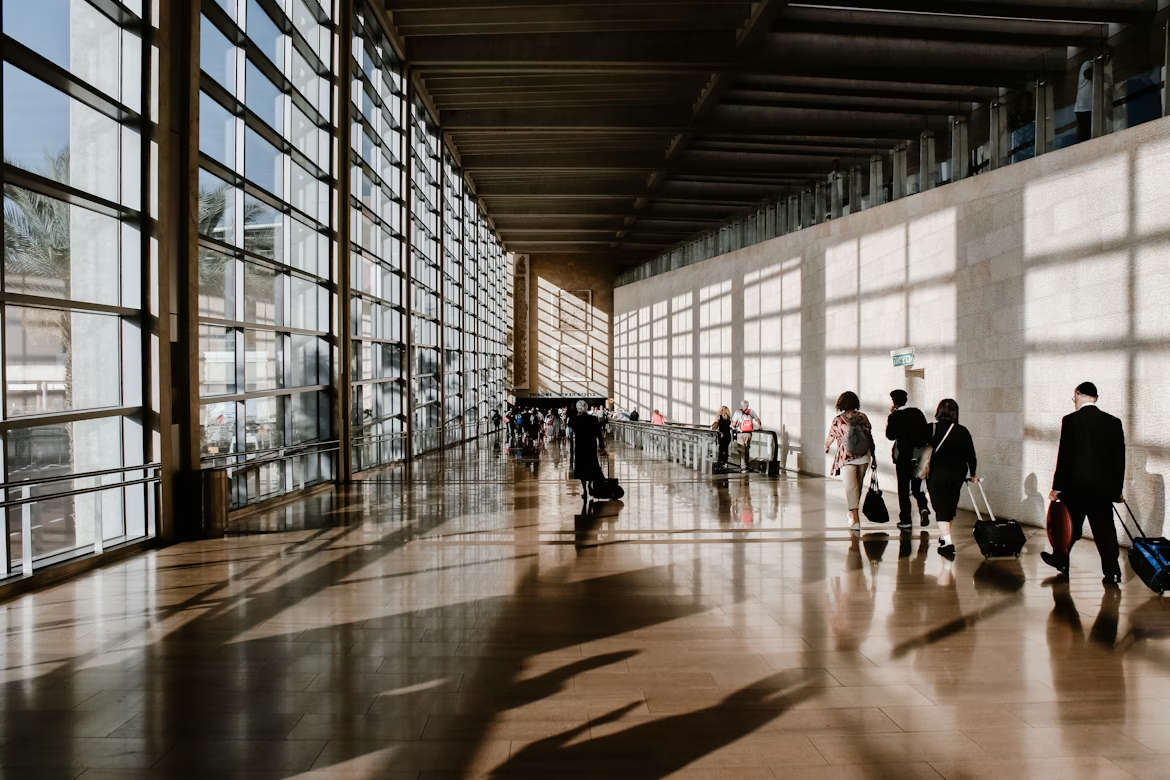
Getting in and out of a city smoothly can make or break a work trip. Missed meetings, late check-ins, and wasted minutes stack up into real costs. The right mobile logistics plan turns travel time into productive time, without adding stress.
The real cost of wasted minutes
Every delay has a price tag. Missed connections ripple into rescheduled meetings, extra hotel nights, and overtime for teams waiting on you. When travel time is predictable, you protect your calendar and your budget.
Treat mobile logistics like a project plan. Map the critical path from touchdown to the first handshake. Build in buffers where things often slip, like baggage claim or peak-hour traffic, and remove uncertainty wherever you can.
Airports are busy – what that means for you
Major hubs are dense ecosystems with security queues, transfers, and competing ground transport options. Volume alone raises the odds of friction points, especially at peak times or during events.
This is where flexible ground transport shines – you step off the plane and move on your terms. If your meeting is in the CBD or a client site outside the rail corridor,Sydney Airport car hire lets you bypass mode switches and stick to your schedule. Add a clear route plan, and you turn a high-traffic environment into a straightforward hop between locations.
What good looks like at Sydney Airport
Sydney is a heavyweight gateway for both tourism and business, so scale matters. A recent airport report highlights more than 40 million annual passengers, along with a multi-billion dollar contribution to the economy and hundreds of thousands of supported jobs. That level of throughput demands tightly planned arrival and exit strategies, especially when several airlines land close together, and the curb space gets crowded.
For business travelers, the lesson is simple. Assume busy. Choose options that minimize handoffs. And always have a backup plan if Plan A is delayed.
Business travel is growing again
Travel is not just back – it is evolving. One industry analysis expects global business travel spending to rise from 2024 into 2025, reflecting a steady return of client visits and on-site work. Another corporate travel survey projects low double-digit growth in company travel budgets, which means more colleagues on the road and more pressure on popular routes.
With volume climbing, smooth ground logistics are your competitive edge. If others are waiting on rideshares or juggling public transport transfers, you can already be in the first meeting of the day.
Why ground transport beats the waiting game
Mobile logistics should reduce transfers, not add them. Each handoff is a chance for delays, miscommunication, or app outages. A direct point-to-point option helps you keep control, especially when you are carrying samples, equipment, or documents that are awkward on packed trains.
The key is matching the vehicle and booking window to your schedule. For early site visits or cross-town days with 3 or more stops, dedicated wheels simplify everything. For one downtown meeting near a rail hub, a short train ride plus a quick walk can be the fastest path.
When car hire is the smart play
- You have back-to-back meetings across different suburbs
- You are handling bulky gear or sensitive materials
- You need to keep calls private between stops
- Your return flight is tight, and you cannot risk queue time
Digital check-in is changing the pickup experience
Speed at the counter makes or breaks arrival day. A market study on digital rental check-in shows rapid growth as providers roll out app-based verification, license scanning, and preselected vehicles. The math is simple – the less time you spend at the desk, the sooner you are moving.
Pre-filling details and verifying your license before you land shortens the process. If your provider offers counter bypass or dedicated pickup bays, use them. Save the paperwork for later and put your first hour in the city to work.
Why this matters to finance and policy
Budgets are tight, and scrutiny is up. A recent forecast from a global travel association anticipates a new spending high in 2025, which puts a spotlight on travel policies and ROI. Separately, research on corporate travel intentions points to careful, measured growth in spend, tied to meetings that drive revenue.
That combination pushes teams to justify every trip. Efficient ground logistics are part of the answer. If you can show that door-to-door time is shorter, meeting coverage is broader, and costs are predictable, your travel plan gets easier approvals.
Build a defensible logistics plan
- Choose a door-to-door mode that limits handoffs
- Share a simple route map with times and contingency options
- Track dwell time at each stop to improve future trips
- Keep receipts and mileage cleanly categorized for finance
Australia-specific context that shapes choices
Local economics influence demand at airports and in city centers. Official figures place tourism’s direct contribution to national GDP in the tens of billions of dollars, a reminder that visitor flows are a steady part of the traffic mix year-round. Business events also punch above their weight for spend, with recent national data showing strong totals for delegate expenditures and associated travel.
For travelers, this means recurring peaks beyond school holidays. Large conferences can compress ground transport capacity near venues and the airport at the same time. Booking vehicles and time slots early protects your schedule when the calendar fills.
How to turn arrivals into a smooth sprint
Start upstream. Before you fly, confirm the flight arrival time against typical road conditions for that day of the week. Preload your meeting addresses into your navigation app and save offline maps in case your signal drops at the terminal.
Pack for mobility. A backpack that fits under the seat keeps your hands free and speeds you through the airport. If you are carrying anything fragile or high-value, plan a direct route to the client site to avoid crowded interchanges.
Putting it all together on arrival day
Touch down, clear formalities, and move. Walk straight to your chosen ground transport, confirm the route, and set the first meeting buffer at 15 minutes. If you land early and traffic is light, use the spare time to prep for the second stop instead of lingering at the terminal.
End the day near your departure route if possible. Swapping a last meeting to a location closer to the airport can save 30 minutes in late-day traffic. Small changes like that stack up across a quarter of travel.
Efficient mobile logistics let you focus on the work that matters. Plan your routes, cut the handoffs, and align your ground transport with your actual schedule. Do it consistently, and you will see fewer delays, cleaner budgets, and better meetings on every trip.


