


Piedmont is one of the most beautiful regions of Italy. After the island of Sicily, it is the second largest region of the country, perfectly located in the northwest of Italy, bordering Switzerland to the north and France to the west. The largest city and capital of the still quite unknown region is Turin, which is also known to be the industrial and cultural center of Piedmont.
The landscape in Piedmont is diverse. To the north are the majestic Alps, which form the border with Switzerland. The region is also famous for its hilly vineyards, especially in the Langhe area, in the southwest. Some of Italy’s finest wines are produced here.
Piedmont is also known for its rich cultural history. Turin was once the capital of the Kingdom of Italy and is now an important cultural and historical site. Piedmont is also home to many castles, monasteries, and churches that date back to different eras.
The climate in Piedmont is temperate continental with cold winters and warm summers. The weather here is generally mild and pleasant, making Piedmont an ideal place for growing wine and truffles.
In fact, in addition to its rich culture and history, Piedmont is also a gourmet paradise. The delicious Piedmontes’ cuisine is famous for its truffle dishes, homemade pasta, cheeses, cured meats, and, of course, the world-famous wines.
The beautiful region of Piedmont in northern Italy offers something for everyone, a combination of breathtaking landscapes, great food and wine, and a rich cultural history.
Here is an overview of some top things to do in Piedmont that you can’t miss!
1. Turin

Most likely the one and only Piedmont sight people do know before looking more closely into everything the fantastic region has to offer.
Turin is one of the most important cities in northern Italy, the capital of the Piedmont region, and with about 870,000 inhabitants, it is the fourth largest city in Italy.
Turin is an important industrial location for e.g., the car brand Fiat and an important hub in the northwest of Italy.
One of its landmarks is the Mole Antonelliana, which was built in the 19th century as a synagogue and now houses the National Museum of Cinema. The tower is a symbol of the city and offers a breathtaking view over Turin. It can even be found in the Italian 2-cent pieces.
Another highlight is the Royal Palace of Turin, built in the 16th century and served as the residence of the Dukes of Savoy and later as a royal palace. Recognized as a UNESCO World Heritage Site, the palace now houses several museums and an impressive collection of artwork, furniture, and decorations from different eras.
Piazza Castello, in front of the Royal Palace is the heart of the city. Here you will find some of the city’s most important buildings, including the Royal Theater and Palazzo Madama, a former 15th-century castle that is now home to an art museum.
The Cathedral of San Giovanni Battista is one of the most important churches. It houses the Shroud of Jesus, one of the most famous religious relics in the world. The controversial shroud attracts thousands of pilgrims and visitors every year, even though it is only a copy that is displayed in the cathedral.
2. Savoy residences in and around Turin
The Savoy residences need to be high up on your things to do in Piedmont List. They are an impressive collection of castles and palaces, around the former country capital Turin. The Savoy dynasty was in power in Piedmont from the 9th to the 20th century.
Between the 16th and 19th centuries, they built numerous magnificent palaces and castles in and around Turin. Twenty-two of these magnificent residences is recognized UNESCO World Heritage Sites.
The most famous one is the Venaria Castle, built between 1658 and 1679. It belongs to the largest royal castles in Europe, is the second largest castle in Italy, and was the preferred residence of the Savoy family. The castle is surrounded by a magnificent 60-hectare park decorated with fountains, gardens, and sculptures.
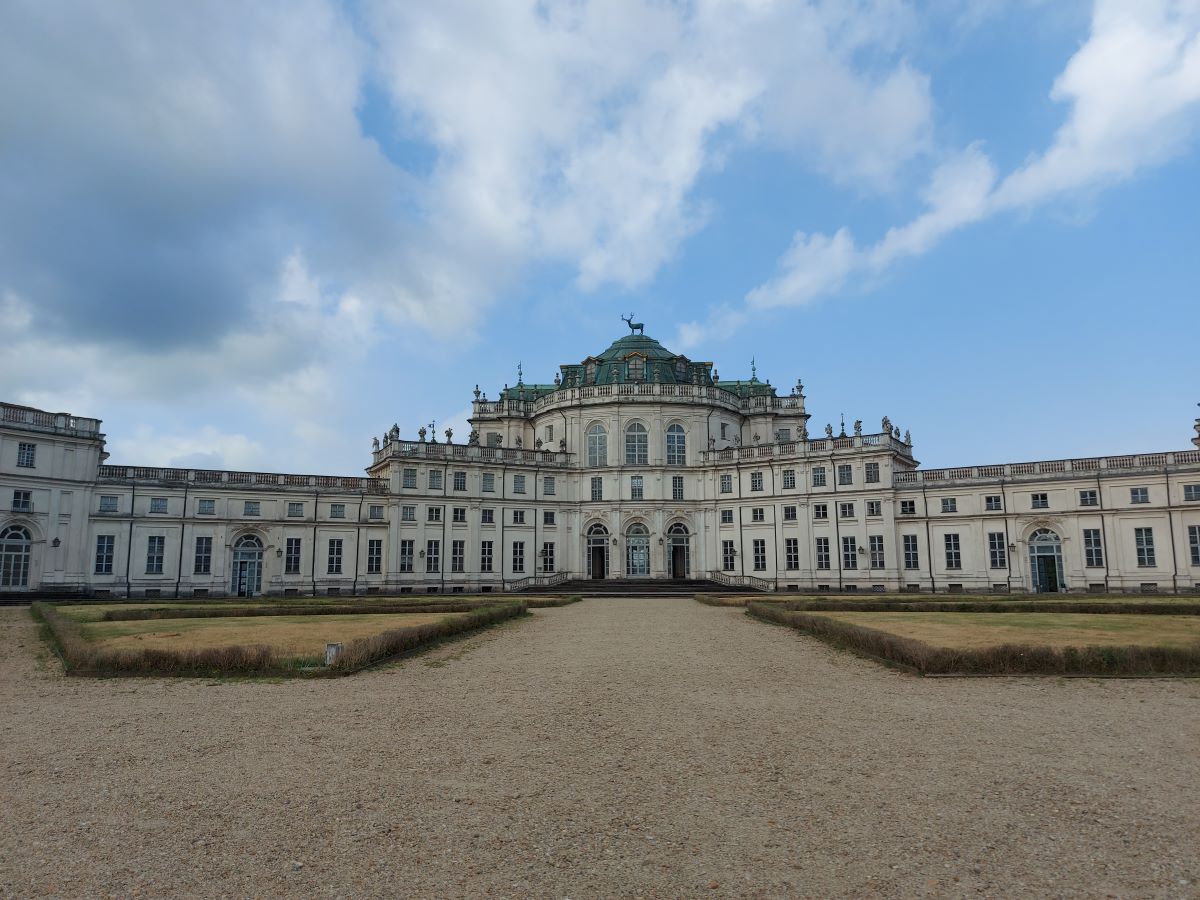
Another highlight is the castle of Stupinigi, built between 1729 and 1733. It is an impressive example of the Baroque style, with magnificent facade and opulent interiors decorated with works of art and sculptures.
3. Sacra di San Michele

The Sacra di San Michele is an impressive abbey on a mountain peak about 30km west of Turin. It is one of the landmarks of the Piedmont region, was founded in the 10th century, and was an important pilgrimage site during the Middle Ages.
The abbey is perched on a rock at 960 meters above sea level and offers a breathtaking view of the surrounding countryside, the Susa Valley, and all the way to Turin. Umberto Eco was inspired by it for his world-famous novel “The Name of the Rose.”
The impressive complex consists of a series of buildings, including the so-called Staircase of Death and the basilica with sarcophagi of the royal family of Savoy.
4. Lago Maggiore
The beautiful and popular Lake Maggiore is in the northwest of Piedmont. About one-third of Italy’s second largest lake, the picturesque western shore up to the Swiss border belongs to Piedmont.
Highlights of that famous lake include the town of Stresa and the Borromean Islands. Stresa is a charming Piemontese town with a beautiful beach, a lakeside promenade, and stunning views of the surrounding mountains. The Borromean Islands, located off the coast of Stresa, are an architectural and scenic wonder and not to be missed on your things to do in the Piedmont list. Isola Bella is famous for its Baroque palace and terraced garden, while Isola dei Pescatori is an idyllic fishing island, and Isola Madre impresses with its botanical garden and Renaissance palace.
Another highlight on the western lake shore is the town of Verbania, with its charming historic center and the Villa Taranto botanical garden. The garden is home to more than 20,000 species of plants from all over the world and is a paradise for nature and garden lovers.
With its charming historic center and beautiful harbor, the town of Cannobio is also a special jewel on Lake Maggiore.
The final tip of the manifestant lake is a visit to the Santa Caterina del Sasso monastery, which is spectacularly perched on a cliff overlooking the lake and offering breathtaking views.
5. Alba and the Langhe

The town of Alba, 60km southeast of Turin, is famous for its culinary delights and picturesque surroundings. The cultural region of Langhe, around the city, is recognized UNESCO World Heritage Site and is popular for its wine production. The world-famous Barolo wine is produced here.
The small town of Alba, which is well worth a visit, is located on the Tanaro River. Its highlights include the 12th-century Cathedral of San Lorenzo and the narrow streets of the medieval old town around the popular Piazza del Duomo.
Alba is a famous starting point for excursions of the Langhe, characterized by hills covered with vineyards, forests, and fields. The most famous wines produced here are Barolo, Barbaresco, and Nebbiolo. There are many beautiful villages that are perfect for wine tasting and tasting. Particularly recommended are Barbaresco, Novello, and the medieval village of La Morra, with its impressive viewpoint.
In addition to wine, there are many local specialties to try in the Langhe region. These include the famous white truffle grown in Alba and the surrounding area, as well as local cheeses.
6. Forte di Fenestrelle

Fenestrelle Fortress is an impressive military fortress located about 70km west of Turin in the beautiful Val Chisone. It is considered one of the largest fortifications in Europe. The fortress was built in the 18th century and served to protect the borders of the Kingdom of Sardinia-Piedmont against France.
Fenestrelle Fortress actually consists of 3 separate forts. They are connected by the “Scala Coperta,” a covered staircase with 4,000 steps that winds up the mountain for 600 meters in altitude.
7. Vinadio and Sant’ Anna di Vinadio

The popular municipality of Vinadio is in the Valle Stura, the southwestern Piedmont. The village of Vinadio lies within Fort Vinadio. That large fortress was built in the 18th century to defend the strategically important place at the entrance of Stura Valley. The fort is perfectly preserved and is now used as a museum. Many parts of the fort and fortification walls are accessible without charge and can be explored on your own.
An important visitor attraction is the baroque church of Sant’Anna di Vinadio. It is the highest pilgrimage church in Europe and is beautifully located in the Italian-French border region, just above 2000m. It is not only a spiritual place with fantastic views of various peaks of the Western Alps but also a wonderful starting point for outstanding hikes in the surrounding mountains.
8. Gran Paradiso National Park
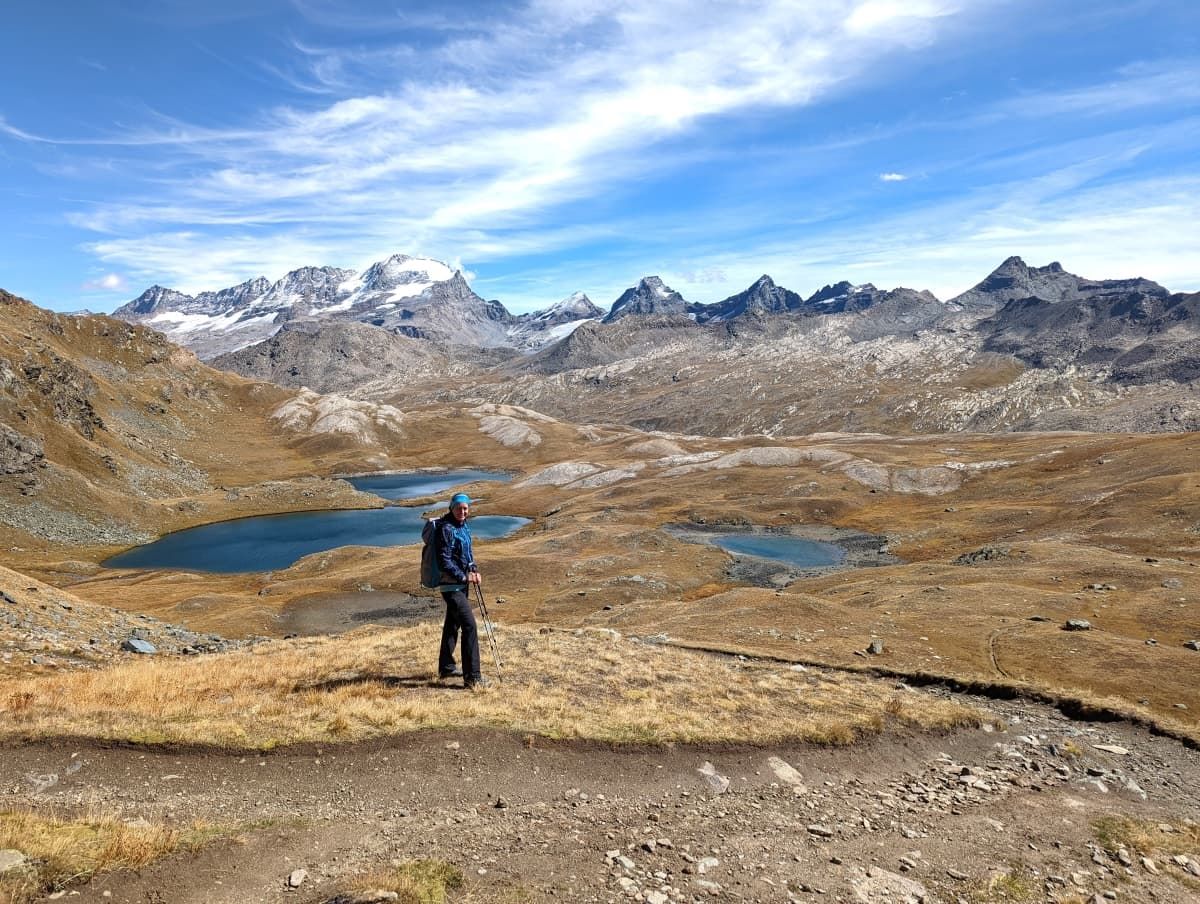
In the northwest of Piedmont and half in the neighboring region of Valle d’Aosta, you will find the fantastic Gran Paradiso National Park. It was the first national park in Italy, established in 1922 for the protection of ibex.
The park extends over five valleys and has an area of about 70000 hectares. Namesake, and with 4061m, the highest mountain peak of the park, is the mountain, Gran Paradiso. 60% of the Gran Paradiso National Park is above 2200 meters.
Highlights of the national park include its wildlife and flora. Here visitors can observe rare animal species such as golden eagles, chamois, marmots, and alpine ibex: A total of 51 mammal species and 101 bird species, as well as over 1000 alpine plant species.
The heart and starting point of many popular hikes is the Nivolet plateau at 2600m. In the summer, the lovely mountain village Ceresole Reale offers a free shuttle for all hikers over the winding pass roads to reach the plateau.
Conclusion
This was just a brief overview of some of the highlights of Piedmont. The beautiful region in the northwest of Italy has so much more to offer. It is the perfect destination to experience a real Italian lifestyle, with lots of cultural highlights paired with breathtaking landscapes, away from the main tourist tracks.


