


Ensuring your home remains safe while you’re enjoying your travels requires some thoughtful planning. Trips, whether for business or pleasure, can leave your home vulnerable to various threats if you’re not careful.
From securing your doors and windows to taking precautions against potential plumbing disasters, there are numerous strategies you can adopt. Let’s delve into a comprehensive guide on how to keep your home secure while you’re away, ensuring peace of mind and safety during your trips.
Assessing Security Measures
Before you leave, it’s crucial to assess your home’s security measures. Start by checking all exterior doors and windows, ensuring they have working locks. Consider installing a deadbolt for added security, as these are more resistant to forced entry compared to standard locks.
It can be beneficial to invest in a home security system. These systems ndeter potential intruders and offer you real-time monitoring of your property via smartphone notifications. It’s wise to inform a trusted neighbor about your travel plans. You might request them to park their car in your driveway occasionally, as this simple act can create the illusion of occupancy. Some home security systems have features that allow you to program lights to turn on and off at specified times, imitating a lived-in space and dissuading burglars from targeting your home.
Managing Utility Services
Before departing, you should carefully manage your home’s utilities. A common oversight is failing to adjust your heating or cooling systems, which can lead to wasted energy or potential damage during your absence. If traveling during extreme temperatures, setting your thermostat to an appropriate level can help maintain your home’s integrity.
Consider scheduling heating and plumbing services to inspect and address any potential issues before your trip. Obtaining these pre-vacation tips for leaving your home can potentially save you from costly repairs when returning home. Next, ensure that you turn off any unnecessary appliances and unplug devices. This simple act conserves energy and minimizes fire risks.
Unplugging your toaster or coffee maker helps to avoid potential hazards that could arise in your absence. Lastly, if you have a water supply that isn’t important while you’re gone, it’s wise to turn it off. This can prevent leaks or flooding that could occur while you’re away, giving you one less thing to worry about.
Preventing Water Damage
Water damage is one of the most common threats to homes during vacations, often resulting from unforeseen plumbing issues. To prevent these kinds of problems, you should inspect your plumbing beforehand. Tighten threaded connections and replace old hoses on appliances like the washing machine or dishwasher. Before leaving, check your home’s water heater for any signs of leaks, and drain it if necessary.
If you’re concerned about your home during a heavy rain forecast, you might want to consider installing sump pumps and ensuring gutters are cleared. These installations can help divert water away from your foundation and prevent it from seeping into your basement, which can result in mold growth and extensive damage. You may want to lower your water heater temperature to avoid overheating and allow it to cycle less frequently while you’re away.
Safeguarding against Theft
When planning your trip, take the time to safeguard your belongings against theft. The first step is to avoid announcing your absence on social media, as this could alert potential thieves. Instead, consider scheduling your posts for after you return. While you’re away, avoid leaving anything valuable in plain sight, whether it’s through a window or in your yard. Secure bicycles, tools, and outdoor furniture inside a locked garage or shed.
In addition to securing your valuables, store important documents in a safe place, preferably a fireproof safe that someone can access in case of emergency. It’s smart to keep your passport and identification in a secure location rather than in open drawers. This ensures that in the event of a break-in, important papers remain undisturbed and out of the thief’s reach.
Informing Relevant Parties
Another critical aspect of securing your home while on a trip involves informing relevant parties of your absence. Notify your local post office to hold your mail or arrange for a trusted neighbor to collect it. This can prevent overflowing mailboxes, which are dead giveaways that you’re not home.
Consider informing your alarm company to inform them of your travels as well, as they can monitor your alarm system more closely, responding quickly if alarms are triggered. If you have any subscriptions, such as newspapers or magazines, pause these deliveries so that there’s no evidence of an unoccupied house.
Lastly, if you have pets, arrange for a sitter or kennel service to watch them while you’re away. This ensures their well-being and involves someone coming to your home regularly, a further deterrent to would-be intruders.
Monitoring Technology
Consider incorporating smart technology into your home security strategy for enhanced peace of mind. Smart home devices allow for remote monitoring of both security and utilities. Security cameras can provide live feeds to your smartphone and text alerts when motion is detected, and smart door locks can let you control when guests or service providers come and go. Smart thermostats can adjust your home’s climate based on your settings, ensuring it remains efficient while you’re away.
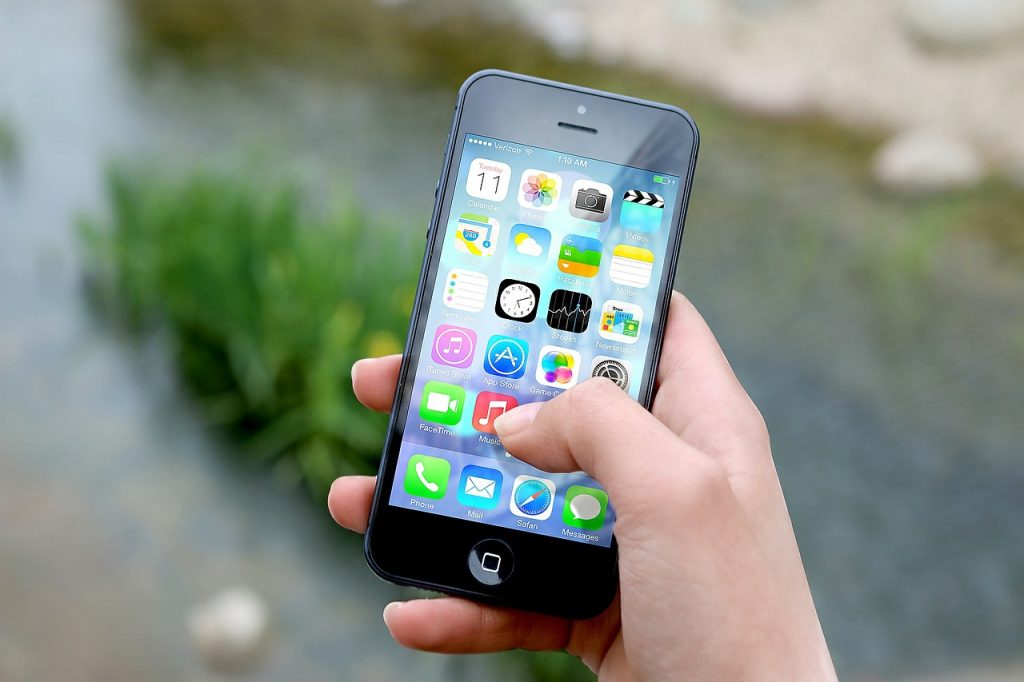
Some smart systems allow you to control lights and appliances, creating the illusion that someone is home. This deterrent significantly adds another layer of protection against potential burglars while you’re off enjoying your travels.
Preparing for Return
Lastly, while the goal of your trip is to relax and enjoy, preparing for your return home is equally important. As your trip approaches its end, take the time to identify any potential issues that could arise during your absence. Flush your toilets to remove any stagnant water, check exterior surroundings, and ensure that moisture levels are appropriate to prevent mold growth or pests.
Upon returning, check for any noticeable signs of unusual smells or dampness that could indicate plumbing problems. In the days following your return, consider taking a few precautionary steps, such as inspecting the home’s exterior and ensuring that security systems are back up and running. Making a checklist for your return can simplify these tasks, allowing you to transition back into your home more smoothly. Keeping your home secure while on trips involves careful planning and a proactive approach to both security and maintenance.
By taking smart precautions, from enhancing your home’s security measures to safeguarding against plumbing issues, you can travel with peace of mind, knowing that your home is as safe as possible until you return.


