

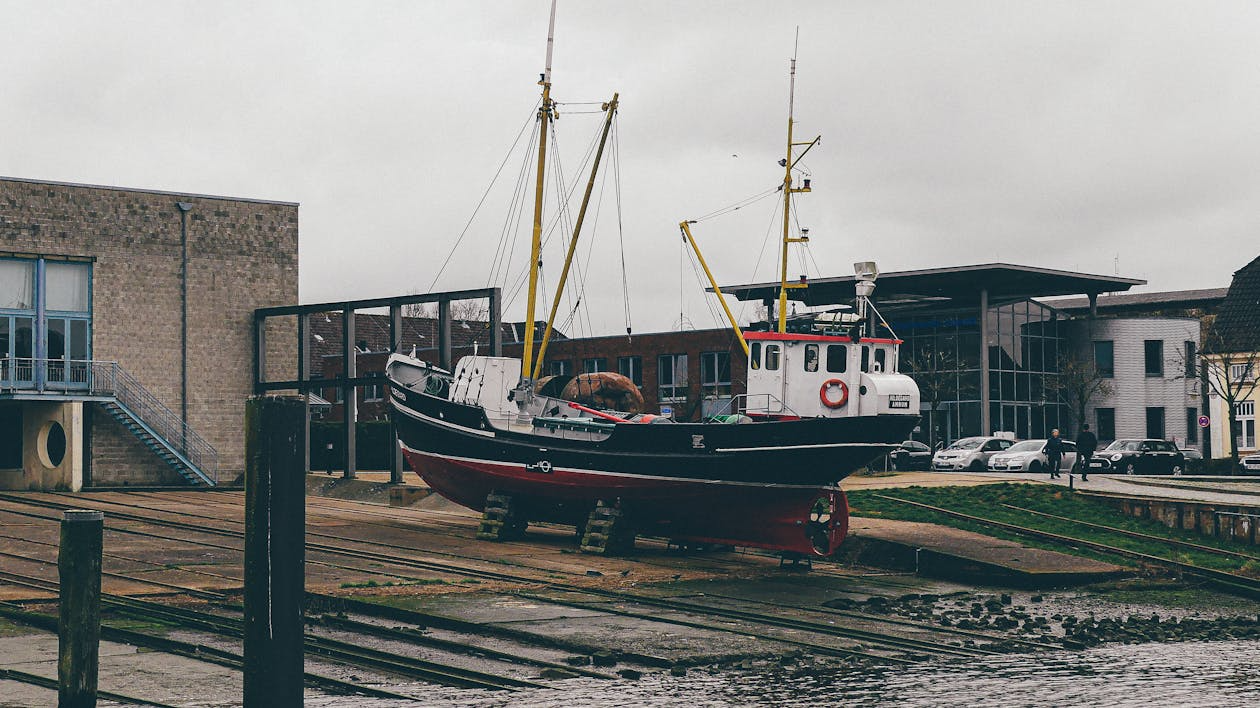
Looking for a way to protect your boat during your vacation?
Boat owners pour thousands into their vessels but often neglect vacation storage. Improper storage conditions can quickly damage your boat and drastically cut its lifespan.
With over 12 million registered boats in the US alone, there is growing demand for quality storage facilities to keep these watercraft protected.
But there’s a big problem.
The number one cause of damaged boat hulls comes not from water accidents but from improper handling during storage. In fact, three times as many boat hulls are damaged by mishandling during storage than from accidents in the water.
That’s why your vacation storage plan is so important. If you’re storing your boat during the off-season and require winter boat storage or seasonal storage, you need to know exactly what steps to take.
In this post, you’ll learn:
- Why Proper Vacation Boat Storage Is Important
- Indoor vs Outdoor Storage Facilities
- Essential Pre-Storage Preparation Steps
- Top Security Measures For Vacation Storage
- Maintenance Tips During Vacation Storage
Why Proper Vacation Boat Storage Is Important
Vacation boat storage is not just an afterthought.
Protecting your major investment, worth tens of thousands of dollars, from damages is essential. Storing your boat improperly can lead to engine damage, hull deterioration, theft, vandalism, and other expensive issues.
Here’s something else you should know.
Boat thefts account for over 70% of all total reported losses, and most of these thefts occur when the boats are in storage on trailers. That means the storage choice you make can directly impact the security of your boat.
But improper storage doesn’t just lead to security issues…
Poor boat storage practices lead to the most costly types of damage claims as well. Incorrect winterization can lead to cracked engines, burst pipes, and frozen cooling systems that can cost thousands of dollars in repairs.
But with the right care and storage approach, you can avoid all of these issues.
Indoor vs Outdoor Storage Options
Choosing between indoor or outdoor storage options is your first big choice.
There are pros and cons to each storage type, and the right decision depends on factors such as your budget, location, and time away.
Indoor Storage: Maximum Protection
Indoor storage offers your boat the highest levels of protection from the elements.
Benefits include:
Climate-controlled facilities that keep your boat at an even temperature year-round. This protects your boat from freezing and damages to engines and plumbing systems. Indoor facilities offer total protection from UV damage, rain, snow, and ice.
Indoor storage is usually more expensive than outdoor facilities. But it’s the best option for harsh winter months or extended vacations.
The only downside is that it can be cost-prohibitive for some budgets. Plus, indoor facilities can fill up quickly in popular boating areas.
Outdoor Storage: Budget-Friendly Option
Outdoor storage is the budget-friendly option for most boat owners.
You’ll have the option of uncovered parking or covered spaces that offer basic protection from rain and snow. While your boat won’t be as well-protected as indoor storage, you can still keep it safe with extra preparation.
The key is to use the correct boat cover for outdoor storage.
Avoid using cheap tarps that can scratch the boat’s finish. Invest in a high-quality, marine-grade boat cover or shrink wrap that will keep moisture out and allow your boat to “breathe.”
Outdoor storage is more vulnerable to theft and weather damage. You will need to take extra security precautions to protect your investment.
Essential Pre-Storage Preparation Steps
Getting your boat ready for vacation storage takes time and effort.
It’s not a step to skip, though, because overlooking preparation can lead to thousands in repairs. Here are the pre-storage steps you must do before stowing your boat away.
Clean Everything Inside And Out
Before you put your boat in storage, give it a deep cleaning inside and out.
Remove all food, drinks, and items that could attract pests. Wipe down surfaces inside the cabin, scrub the hull and deck, and wax any exposed areas. This will prevent moisture and mold damage.
Also be sure to:
- Remove cushions, blankets, and fabric items
- Empty all storage compartments
- Clean the refrigerator
- Spray vinyl surfaces with a mildew protector
Cleaning everything will keep your boat free of mold, mildew, and pest issues during extended storage.
Winterize Your Boat
Winterizing your boat is essential if you’re storing it during colder months.
Water trapped in your boat’s engine, cooling system, and plumbing can freeze and cause extensive damage. Drain all the water out of the engine and plumbing systems. Add antifreeze to systems that cannot be drained.
Change the oil and oil filter before storage as well. This will prevent contaminants from settling into the engine.
Add a fuel stabilizer to the gas tank before you store your boat.
Top off the tank completely to avoid condensation buildup, and run the engine for a few minutes so the stabilizer circulates. This will prevent major fuel system repairs later.
Check For Existing Damage
Inspect your boat carefully before storage.
Look for cracks, leaks, and anything that might need repair. Small problems now will become major headaches if left unaddressed. Temperature fluctuations and lack of use can exacerbate minor damage.
Make all necessary repairs now so you won’t have to deal with them later.
Top Security Measures For Vacation Storage
Security is of the utmost importance when it comes to vacation storage.
Boats stored on trailers are particularly vulnerable to theft. Here’s how you can keep your vessel safe during vacation storage.
Choose A Secure Storage Facility
Look for facilities that offer gated access, security cameras, and patrols.
Well-lit storage areas deter criminals and make it difficult to steal boats unnoticed. The best facilities also require some kind of code or key to enter the area.
The most secure storage facilities have 24/7 video surveillance, alarms, and multiple layers of security working together.
Install Anti-Theft Devices
Add your own anti-theft measures in addition to the facility’s own security.
Use heavy-duty locks for your trailer hitch and boat. A GPS tracker is also a good idea so you can track your boat’s location if it is stolen. Wheel locks and hitch locks will make it much more difficult for criminals to tow your boat away.
Keep this in mind:
Most boat thefts are crimes of opportunity, meaning they occur because boat owners didn’t use available locking devices.
Don’t be a statistic.
Maintain Insurance Coverage
Do not let your boat insurance lapse while in storage.
The risks of fire, theft, and vandalism exist year-round, not just when you are actively boating. If something were to happen to your boat while uninsured, you would be responsible for paying out of pocket for repairs or replacement.
Maintain full insurance coverage at all times and you will have peace of mind.
Maintenance Tips During Vacation Storage
Your job isn’t finished the minute you store your boat.
Regular check-ins during storage can help you spot issues early. Visit your boat periodically to look for any damage, pest infestations, or other problems.
Inspect your cover to make sure it is still secure. Check the inside and outside for any signs of water intrusion or pests.
Make sure all of your security devices are in place and functioning properly. If you will be gone for an extended period, it may be a good idea to have your boat professionally inspected during storage. The mechanic can identify issues you might miss and take care of maintenance needs.
Pro tip: Take detailed photos of your boat both before storage and during check-ins. This documentation will come in handy in the event you need to file an insurance claim later.
Your Next Steps
Vacation boat storage can be your boat’s best friend.
By taking the time to choose the right storage type, properly preparing your boat for storage, and implementing high security measures, you can ensure your watercraft stays in top condition. Whether you are only storing your boat for a few weeks or for an entire season, these tips will help you maximize your boat’s lifespan.
Don’t wait until the last minute to start planning your storage strategy. Quality facilities fill up fast, particularly before peak vacation times. Start planning today so your boat will thank you tomorrow.
Remember, a little preparation and planning now can prevent many expensive boat repairs and headaches later.


