


Energy efficiency isn’t just a trend—it’s a necessity. As utility costs rise and climate awareness increases, homeowners and businesses alike are searching for smart solutions to save energy. One of the most overlooked yet impactful upgrades is the roofing system itself. Often dismissed as a static structure, the roof can actually play a dynamic role in managing temperature, airflow, and energy use. Today’s smart roofing https://kompaqroofing.com.au/ systems are revolutionizing how buildings interact with the environment—actively reducing waste and improving insulation. These systems aren’t just about durability or design—they work intelligently to balance interior comfort and lower energy consumption. From solar panels and reflective coatings to automatic ventilation and weather-responsive materials, modern roofing turns passive coverage into active performance. If you’re serious about sustainability and cost savings, upgrading your roofing system could be one of the smartest investments you make. After all, your roof isn’t just a shelter—it’s your first line of defense in energy management.

What Makes a Roof “Smart”?
A smart roofing system goes beyond traditional materials—it incorporates technology, automation, and energy-saving design. It can include solar shingles, insulation layers, automatic vents, reflective coatings, and even embedded sensors. These elements work together to respond to external conditions, like temperature changes or sunlight intensity, adjusting performance in real-time. For example, some systems automatically open vents to cool attic space when heat builds up, reducing the need for air conditioning. Others reflect UV rays to prevent heat absorption in summer, or trap heat during colder months. The goal isn’t just protection from the elements—it’s smart, responsive energy management. And the result? Lower consumption, reduced utility bills, and a more sustainable home.

The Science Behind Energy Savings
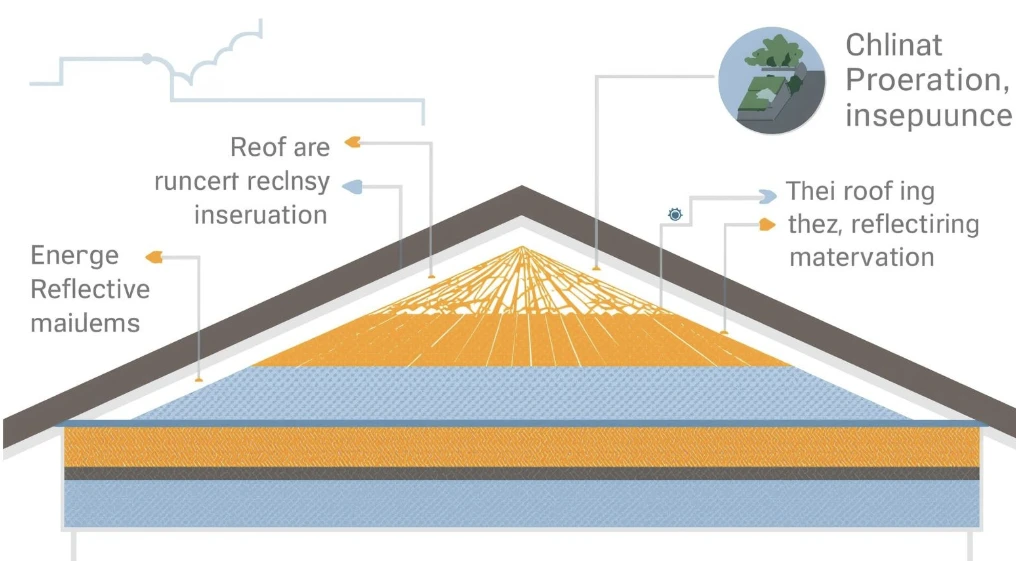
It’s easy to underestimate how much energy is lost through the roof. In fact, traditional roofing materials often absorb sunlight, causing interior temperatures to rise and HVAC systems to work overtime. Smart roofs change that dynamic. Reflective materials bounce heat away, keeping buildings cooler naturally. Integrated insulation layers reduce thermal transfer, helping maintain indoor comfort. Automated ventilation removes trapped hot air, which would otherwise radiate downward. Some advanced systems even adjust in real-time based on weather data—closing vents when it’s cold, opening them when it’s hot. All these features reduce reliance on artificial heating and cooling. Over time, this leads to serious savings, especially in regions with extreme temperatures.

Types of Smart Roofing Technologies You Should Know
Smart roofing isn’t a one-size-fits-all solution. Depending on your climate, building type, and budget, different technologies may be more suitable. Here are five standout features commonly found in smart roofing systems:
- Solar-integrated shingles – Discreet solar energy capture without bulky panels
- Cool roof coatings – Reflective layers that reduce heat absorption
- Thermal insulation upgrades – Advanced materials that lock in temperature stability
- Automatic attic ventilation – Sensors trigger fans or vents based on heat levels
- Integrated weather sensors – Real-time data for automated system adjustments
Each component contributes to a broader energy-saving ecosystem. Choosing the right mix depends on your goals—some prioritize sustainability, others focus on immediate cost savings. A qualified roofing contractor can help you tailor a solution to your needs and location.

Comparing Roofing Options by Efficiency and ROI
When selecting a smart roof, it’s important to understand how various options compare in terms of both energy savings and return on investment. Below is a breakdown of popular roofing technologies using three key factors:
|
Technology |
Energy Savings |
ROI Timeline |
|
Solar Shingles |
Very High |
7–10 years |
|
Cool Roof Coatings |
Moderate |
2–4 years |
|
Advanced Thermal Insulation |
High |
5–7 years |
|
Automatic Ventilation |
Moderate |
3–5 years |
|
Reflective Metal Roofing |
High |
6–8 years |
This comparison highlights how even mid-budget upgrades can offer long-term returns. While solar shingles provide the biggest savings, lower-cost options like coatings or ventilation still offer meaningful impact. Smart roofing allows for flexibility—you don’t need a full overhaul to see results.

How to Know If Your Roof Needs a Smart Upgrade
Not every home needs a complete smart roofing overhaul, but there are signs your current system may be draining energy. Many older roofs lack reflective surfaces or insulation, which means more heat gain in summer and heat loss in winter. If your utility bills spike with the seasons or certain rooms feel hotter or colder than others, your roof might be the culprit. Mold or moisture in the attic can also point to poor ventilation—another area where smart systems excel. Look out for these common indicators:
- Uneven indoor temperatures throughout the home
- High energy bills during summer or winter
- Moisture, condensation, or mildew in attic spaces
- HVAC system running constantly without maintaining comfort
- Roof materials showing signs of age or sun damage
If two or more of these signs apply to your home, a roofing inspection is a smart next step. Even basic smart upgrades can have a noticeable effect. And over time, you’ll feel not just the comfort—but the cost savings, too.
As the climate continues to shift and energy prices rise, making thoughtful, future-facing decisions becomes more important than ever. Smart roofing isn’t just about innovation—it’s about practicality, sustainability, and value. These systems actively work to reduce your environmental footprint while lowering your monthly bills. Plus, the comfort of a temperature-regulated home, especially in extreme seasons, is a benefit you’ll feel daily. Whether you’re building new or upgrading your existing roof, smart technology should be part of the conversation. Think of your roof not just as a cover, but as a partner in energy efficiency. The upfront cost pays off over time—financially and environmentally. It’s one of the most impactful home upgrades you can make today.


