

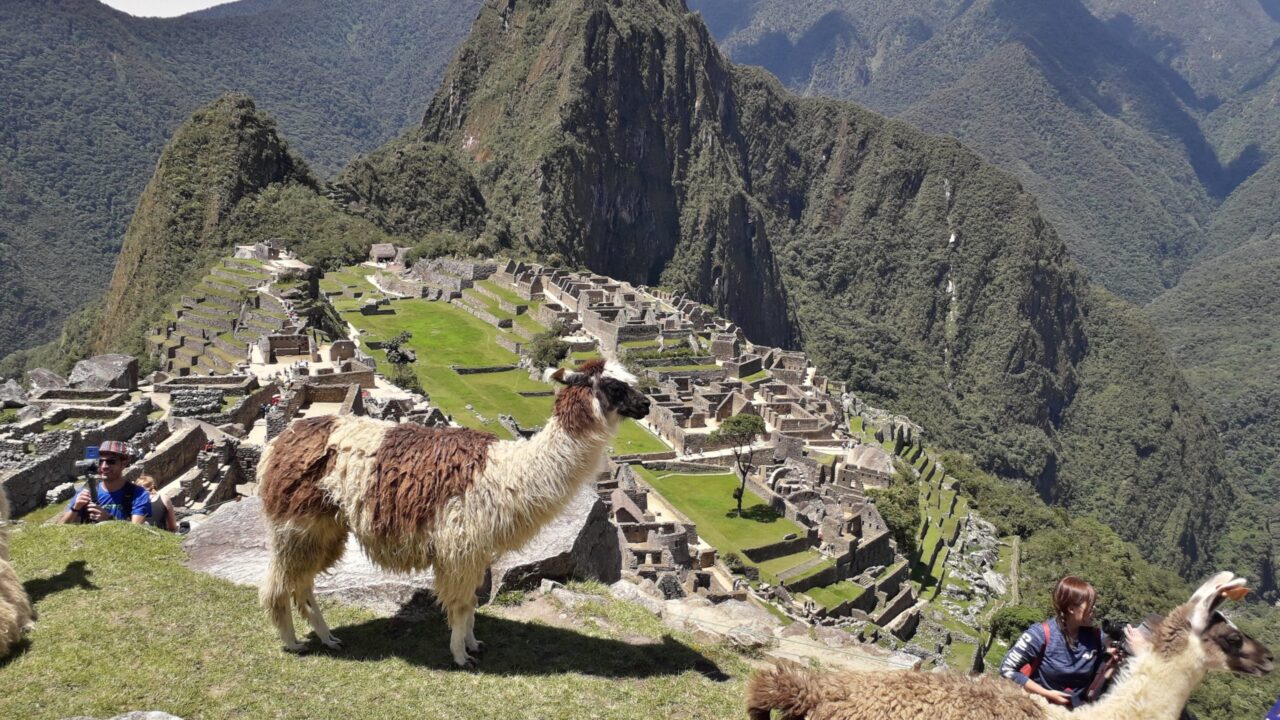
Exploring Machu Picchu is a dream for many travelers, and it’s easy to see why. Nestled high in the Andes Mountains, this ancient Incan city offers breathtaking views and a rich history that captivates all who visit.
Whether you’re a history enthusiast or an adventure seeker, there’s just something about hiking through the ruins and uncovering the secrets of the United Nations Educational, Scientific and Cultural Organization (UNESCO) World Heritage site.
In this article, you’ll explore the best hikes and historical spots in Machu Picchu. Dig in to make the most of your trip!
Choosing the Right Hiking Trail
Machu Picchu is one of the best hiking destinations to consider for your next adventure. There are several ways to experience it, but the journey is just as exciting as the destination.
For many, the hikes leading to the ruins are the highlight of the trip. Each Machu Picchu hike offers its own challenges, rewards, and unique views of the surrounding mountains and valleys.
Here are some of the popular hiking trails to Machu Picchu:
Inca Trail
The Inca Trail is by far the most famous and popular hike to Machu Picchu. This 26-mile (42-kilometer) trek takes about four days to complete. It leads hikers through beautiful landscapes, cloud forests, and Incan archaeological sites.
The trail follows ancient paths that the Incans themselves once walked. It’s the only trek that leads directly to the Sun Gate (Inti Punku), offering hikers a stunning first view of Machu Picchu at sunrise. However, make sure you book several months in advance if you plan on taking this route, as permits for the Inca Trail are limited.
Salkantay Trek
If you’re looking for a more off-the-beaten-path experience, the Salkantay Trek is a fantastic alternative to the Inca Trail. It’s longer, typically taking five to six days, and covers approximately 46 miles (74 kilometres).
The hike takes you through diverse ecosystems, from lush tropical forests to snowy mountain passes, with incredible views of the Salkantay mountain peak. While it doesn’t lead directly to the Sun Gate, it offers a different but equally rewarding perspective of the region.
Lares Trek
The Lares Trek is another excellent option for those seeking a more cultural and less crowded experience. This three—to four-day trek takes you through traditional Andean villages, where you can witness local customs, interact with the Quechua-speaking people, and see how they live in the highlands.
The Lares Trek is less strenuous than the Inca or Salkantay treks, making it a good option for travelers looking for a less intensive hike. The route continues beyond Machu Picchu itself, but most tours include a train ride to Aguas Calientes, followed by a visit to the ruins.
The Inca Jungle Trek
For the adventurous at heart, the Inca Jungle Trek offers a unique and thrilling way to reach Machu Picchu. This four-day trek combines hiking, biking, and even white-water rafting and zip-lining. It’s an exciting and varied route that allows travelers to experience the jungle, mountains, and rivers of the region.
The trek ends with a visit to Machu Picchu, and while it’s not the traditional route, it’s perfect for those looking for a fun and dynamic Machu Picchu tour.
Huayna Picchu
Huayan Picchu is the towering mountain you see in the background of the most iconic photos of Mach Picchu. Hiking to the top of Huayan Picchu provides a bird’s eye view of the Citadel and the surrounding valleys.
This steep and narrow hike takes about two hours to go on a round trip, but the effort is well worth it for the panoramic views. However, permits for Huayna Picchu are also limited and sell out quickly, so be sure to book in advance.
Machu Picchu Mountain
If you’re looking for another breathtaking view, consider climbing up Machu Picchu Mountain. It’s the larger peak on the opposite side of the Citadel. This hike is longer and less crowded than Huayna Picchu, which takes about three to four hours on a round trip.
The views from the summit are spectacular, offering a sweeping vista of the ruins and the Andes Mountains. But like Huayna Picchu, you’ll need permits and to book ahead.
No matter which trail you choose, each offers a unique and rewarding way to experience Machu Picchu’s stunning landscapes and rich history. Remember to plan early and book in advance to get the Machu Picchu tickets.
Visiting Machu Picchu Historical Sites

Once you arrive at Machu Picchu, there’s plenty to explore within the ancient Citadel itself. This UNESCO World Heritage site is a testament to the architectural and engineering brilliance of the Incas. Here are some of the most significant historical sites you’ll want to explore:
The Sun Gate (Inti Punku)
The Sun Gate is the traditional Machu Picchu entrance for those hiking the Inca Trail. It offers an awe-inspiring panoramic view of the ruins, especially at sunrise, when the sun’s first rays light up the ancient city. Even if you didn’t hike the trail, you can walk to the Sun Gate from Machu Picchu in about an hour to get a stunning view of the ruins.
The Temple of the Sun
One of the most sacred sites within Machu Picchu, the Temple of the Sun, was used for astronomical and religious ceremonies. Its unique curved walls and finely crafted stonework demonstrate the Incas’ skill in construction. The temple was built to honor Inti, the Sun God, and on the summer solstice, sunlight aligns perfectly with the temple’s windows, showcasing the Inca’s astronomical knowledge.
The Intihuatana Stone
The Intihuatana Stone is another vital spiritual and astronomical site within Machu Picchu. This carved rock pillar is believed to have been used as a sundial, allowing the Incas to measure time and mark crucial celestial events. It’s often referred to as the “Hitching Post of the Sun,” symbolizing the Incas’ attempt to harness and control the power of the sun.
The Sacred Plaza
The Scared Plzza is the heart of Machu Picchu, surrounded by some of the most critical structures in the city. Here, you’ll find the Main Temple of the Three Windows and the House of the High Priest. This central gathering space was likely used for religious ceremonies, political events, and other communal activities.
The Room of the Three Windows
The Temple of the Three Windows is part of the Scared Plaza and is named for its three large, trapezoidal windows that overlook the valley below. These windows are thought to represent the three realms of Inca mythology: the underworld, the earthly world, and the heavens. The temple’s construction is another example of the precision and skill of Inca masonry.
Exploring these historical sites within Machu Picchu offers a deeper understanding of the Inca civilization’s brilliance and spiritual beliefs. Each structure provides a glimpse into their advanced knowledge and rich culture, making your visit a truly unforgettable experience.
Conclusion
Exploring Machu Picchu is a journey that offers both adventure and a deep dive into history. Regardless of the hiking trail you choose, each path brings its own rewards. Along the way, you’ll encounter breathtaking views, ancient ruins, and an appreciation for the remarkable achievements of the Inca civilization. Not to mention the historical sites within the Citadel, which provide a fascinating glimpse into the ingenuity and spiritual significance of this ancient city. No matter which hike or historical site you explore, Machu Picchu promises to leave you awe-inspired and enriched by its enduring mystery and majesty.


