

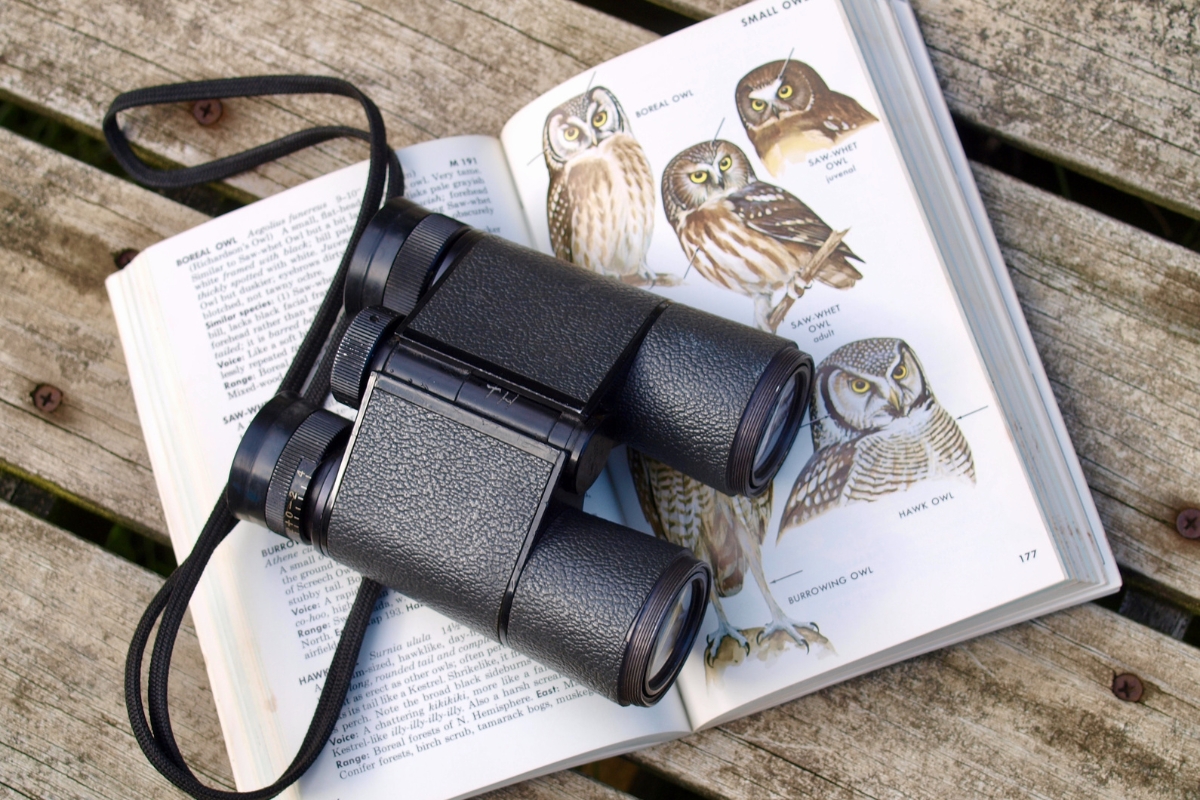
The art of birdwatching, also referred to as birding, has been a popular pastime for centuries. It has engaged and captivated millions with its soothing blend of natural exploration, visual splendor, and educational richness.
This pursuit transcends the limits of age, culture, and geographical boundaries, effectively nurturing a global community of enthusiasts drawn together by a shared fascination for the avian world.
As a highly inclusive activity, birdwatching is a combination of pure recreation and citizen science, allowing individuals to immerse themselves in observing and understanding different species in their natural habitats.
As such, the quality of the experience significantly depends on the location. Whether you’re a seasoned birder or a novice, finding the right location can take your birding adventures to a new level.
The Allure Of Birdwatching
Birdwatching is more than a hobby; it’s a captivating exploration that promises a wealth of rewards.
It offers enthusiasts a chance to commune with nature, experience serene solitude or create bonding moments with family and friends.
For many, birdwatching is also a journey of continuous learning, wherein each expedition yields new discoveries about bird species and their habitats.
Birdwatching Trends For 2023
In the year 2023, birdwatching has taken on new dimensions, buoyed by the rising appreciation for nature and wildlife conservation.
Technology is playing an instrumental role in enhancing birding experiences. Smartphone applications equipped with bird songs, migration patterns, and high-resolution images are helping enthusiasts identify and learn about various species with relative ease.
These digital tools are also fostering a sense of community among birders, who are increasingly sharing their experiences and discoveries online.
Urban birding, another trend gaining traction, focuses on observing and cataloging bird species in urban environments.
City parks, botanical gardens, and even backyards are being recognized as bird habitats, shifting the traditional birdwatching mindset away from exclusive wilderness areas.
Equipment And Resources For Effective Birding
To fully embrace the birdwatching hobby, there are several pieces of equipment and resources that can significantly enhance your experience.
A good pair of binoculars is the most crucial piece of equipment for a birdwatcher.
Binoculars help to see birds in detail from a distance, without disturbing them in their natural habitats.
High-quality cameras, especially those with a good zoom capacity, allow birdwatchers to capture striking images of birds for identification and documentation.
Birding guidebooks, both print and digital, are essential resources that provide information on different bird species, their behaviors, habitats, and more.
Birding apps, as mentioned earlier, are also a valuable tool, providing easy access to bird calls and identification guides.
Benefits Of Birdwatching
Birdwatching brings numerous benefits beyond the pure joy of observing beautiful creatures. It promotes physical fitness as birders often need to walk or hike to prime birdwatching spots.
The activity is also known for its therapeutic effects, fostering mindfulness and stress reduction.
Unveiling Top Birdwatching Locations
One of the most exciting aspects of birdwatching is the opportunity to explore various locales. Different regions offer unique assortments of bird species, each with distinct behaviors and characteristics.
These distinct bird populations make every location a unique adventure.
North American Hotspots
For birdwatchers based in North America, several locations stand out for their diverse avian life. The Central Park in New York City, an example of an urban birding hotspot, is home to over 200 bird species throughout the year.
Cape May, New Jersey, is another renowned site, especially during the fall migration.
In the West, the Monterey Bay in California offers an array of sea birds, while the Magee Marsh in Ohio is dubbed the “Warbler Capital of the World” due to its significant warbler population during the spring migration.
Birding In Europe
Europe, with its rich diversity of habitats, also offers incredible birdwatching opportunities.
The Camargue in Southern France is known for its flamingos, while Fair Isle in Scotland is famous for its puffins and rare migrating birds.
The Biebrza Marshes in Poland, home to a variety of water and marsh birds, and the Coto Donana National Park in Spain, hosting a massive collection of waterfowl and raptors, are other notable locations for European birders.
Exotic Locations: Asia And Africa
In Asia, the Bharatpur Bird Sanctuary in India and the Taman Negara National Park in Malaysia offer diverse bird species, some of which can’t be found anywhere else.
Africa, with its rich biodiversity, provides some of the best birdwatching experiences.
The Kruger National Park in South Africa and the Bwindi Impenetrable Forest in Uganda are two prime spots, offering birdwatchers the chance to spot a range of exotic and colorful birds.
Preparing For Your Birdwatching Adventure
As with any adventure, proper preparation is key to enjoying and maximizing your birdwatching experience.
This involves understanding the best time to visit, familiarizing yourself with the local bird species, and knowing the do’s and don’ts of birdwatching etiquette.
Timing Is Crucial
Understanding the best times to birdwatch can significantly enhance your experience.
Most birds are active during the early morning or late afternoon, referred to as the ‘golden hours‘ in birdwatching. It’s also important to consider the bird migration season when planning your trips.
Learning About Local Bird Species
Before embarking on your trip, take the time to learn about the bird species in your chosen location.
This will help you identify them and appreciate their unique behaviors and characteristics.
Understanding Birdwatching Etiquette
Respecting bird habitats and observing the rules of birdwatching etiquette is essential.
This involves keeping a reasonable distance from the birds, minimizing noise, and avoiding any actions that may disrupt their natural behavior.
Birdwatching is an activity that opens doors to new worlds, offering enriching experiences and breathtaking sights.
By choosing the right location, understanding the local bird species, and respecting birdwatching etiquette, you can make every birding adventure a memorable one.
Ensuring A Sustainable Birdwatching Practice
As birdwatching gains popularity, it is essential to emphasize the importance of sustainable practices.
The essence of birdwatching lies in the love and appreciation for birds and their habitats. Therefore, it is crucial to engage in this activity in a manner that does not negatively impact these beautiful creatures or their natural surroundings.
Responsible Birding
The key to sustainable birdwatching lies in being responsible birders. Observers should always respect the space and peace of birds and avoid causing any disturbance.
Sticking to established paths, keeping noise levels down, and not getting too close to the birds are essential habits to cultivate.
Feeding birds can disrupt their natural diet, so it’s best to enjoy their presence without trying to lure them with food.
Furthermore, it’s crucial to remember that while photography is a significant aspect of birding for many enthusiasts, the welfare of the birds must always come first.
Using flash can startle or harm birds, and trying to get a photo should never put the bird at risk.
Supporting Conservation Efforts
Active participation in bird conservation efforts is another integral aspect of sustainable birdwatching.
Joining local or international birding societies can provide opportunities to contribute to preservation initiatives, such as habitat restoration projects, bird count surveys, and advocacy work.
These activities not only offer enriching experiences but also play a crucial role in protecting bird species and ensuring that future generations can enjoy birdwatching.
Encouraging Education And Awareness
Promoting education and raising awareness about birds and their habitats can also help ensure sustainable birdwatching practices.
Sharing knowledge and experiences, teaching children and newcomers about responsible birdwatching, and supporting initiatives that aim to educate the public about birds can foster a greater appreciation and respect for these wonderful creatures.
By doing so, birdwatchers can contribute to a culture of conservation that ensures the survival and well-being of bird species worldwide.
Final Remarks
Birdwatching is a gratifying journey, combining the thrill of exploration with the pleasure of learning.
From understanding the latest trends and essential gear to discovering remarkable hotspots and embracing sustainability, every aspect enriches the experience.
Ensuring we respect and protect our feathered friends ensures this delightful pursuit continues for generations to enjoy.