

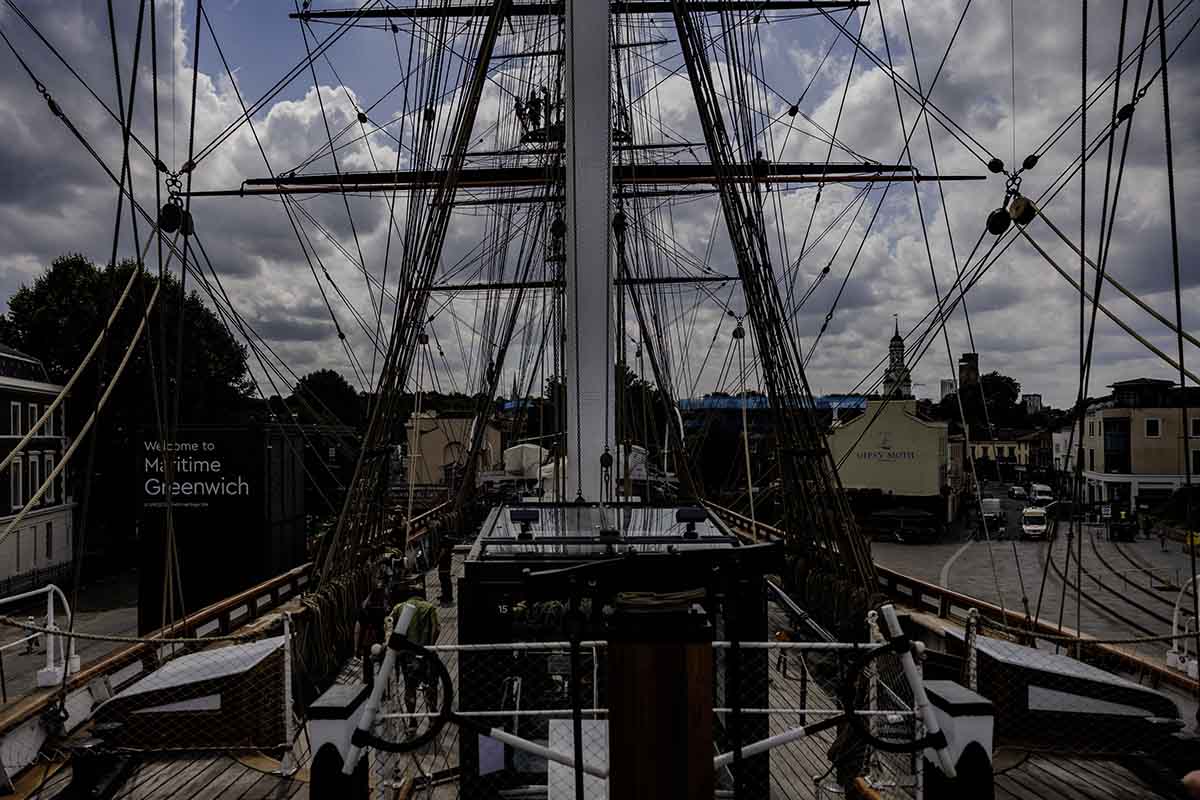
Greenwich doesn’t get the love it deserves from visitors to London. So many tourists gravitate to the centre of the city and miss this stunning part of London, which boasts a cluster of world-class attractions. If you’re coming to London for any length of time, add Greenwich to your ‘to do’ list. Greenwich is my favourite part of the city and I’m sure it’ll be yours too when you visit. Here are the 10 best things to do in Greenwich that you simply can’t miss.
Greenwich has lain at the heart of British history for centuries. Originally, it was a village that stood in the countryside surrounding the original footprint of Roman London. Greenwich has deep connections with the kings and queens of Britain. Greenwich Park is one of London’s eight Royal Parks, and buildings like the Queen’s House and the Royal Observatory give clues to the borough’s connections with the British monarchy.
Also famous for its naval traditions, the Old Royal Naval College was situated in Greenwich, as was the Royal Naval Hospital. Today, the tea clipper Cutty Sark, the fastest ship of its day, lies in dry dock here. The town also houses the National Maritime Museum. Maritime Greenwich is a UNESCO World Heritage Site.
Another reason I love Greenwich so much is that even though it’s part of London, it feels like it isn’t. You’d swear you were in a totally separate English town, with none of the hustle and bustle of a major capital city.
Here is my curated list of the 10 best things to do in Greenwich.
1. Stand on the Prime Meridian at the Royal Observatory
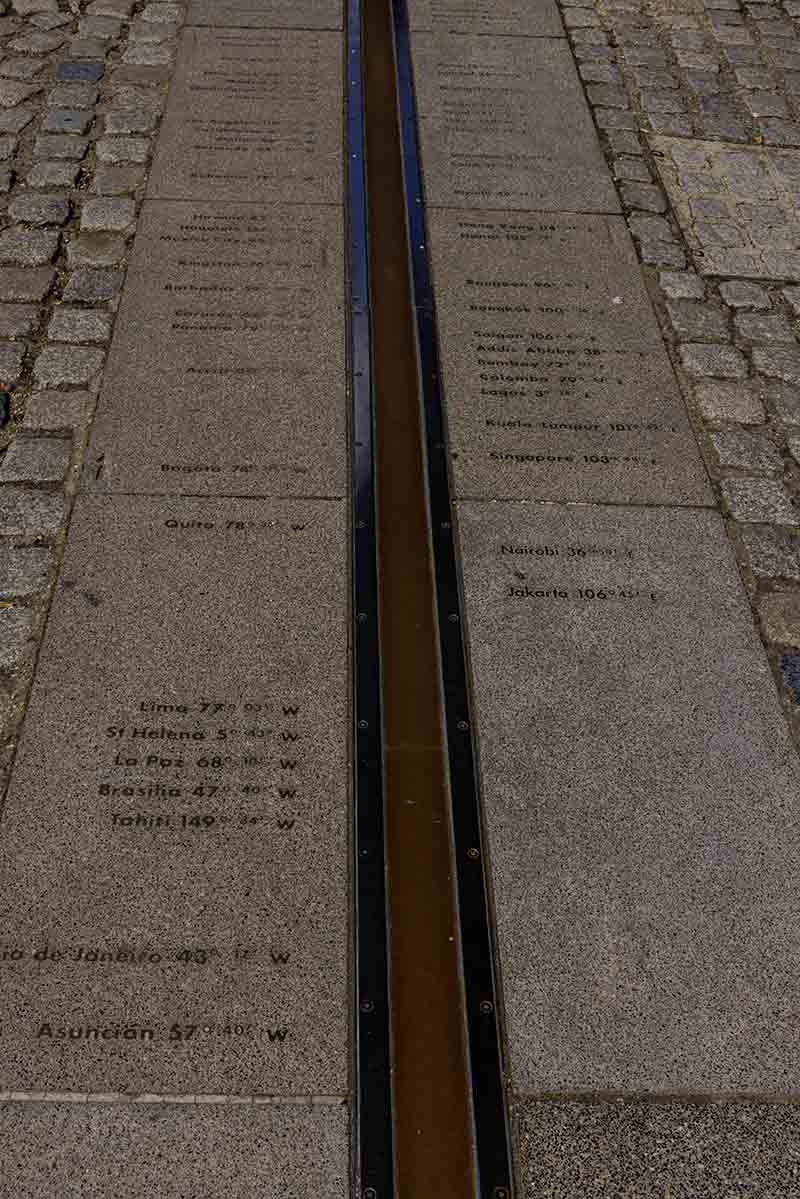
Visiting the Royal Observatory gives an insight into a truly seismic period in human history. But the chance to stand with one foot in the Eastern and one foot in the Western hemisphere is the real reason it’s a must-visit location.
In the 17th century, global trade was expanding, with all the European powers desperate for control. But there was a problem. Nobody knew how to plot the longitude of a ship’s position accurately. Charles Flamsteed believed the answer lay in the stars, but no accurate star maps existed. In 1675, Charles II appointed him as ‘Astronomical Observer’ and ordered the building of an observatory on a hill in the Royal Park at Greenwich.
I often take the tours led by the Observatory’s expert guides. They only cost £5, which is well worth it.
My favourite activities at the Royal Observatory are:
- See the Sir Christopher Wren designed Observatory
- View some of the original 17th-century equipment used to map the stars
- Learn about the £20,000 competition to design an accurate ship’s clock
- Stand astride the Prime Meridian with one foot in the East and the other in the West
- Take a tour with a Royal Observatory guide (£5 extra).
I’d normally add visit London’s only planetarium to this list, but it’s closed for refurbishment until Spring 2028.
Ticket Prices for the Royal Observatory in 2026
- Adult: £24 (No discount for seniors)
- Child (4-15): £12 (Children U4 go free)
- Student: £18 (with valid ID)
- Wheelchair Users: £20-£24
- Student Wheelchair Users: £14-£18
Pro Tip: Multi-site tickets are better value if you intend visiting several Greenwich attractions.
2. Explore the National Maritime Museum
Greenwich sits at the heart of Britain’s long and proud maritime tradition, so it’s fitting that the National Maritime Museum stands here.
The National Maritime Museum is one of London’s great family-friendly museums. Even better, it’s free (although some special exhibitions cost)! It’s also massive! It’s the largest museum of its type in the world.
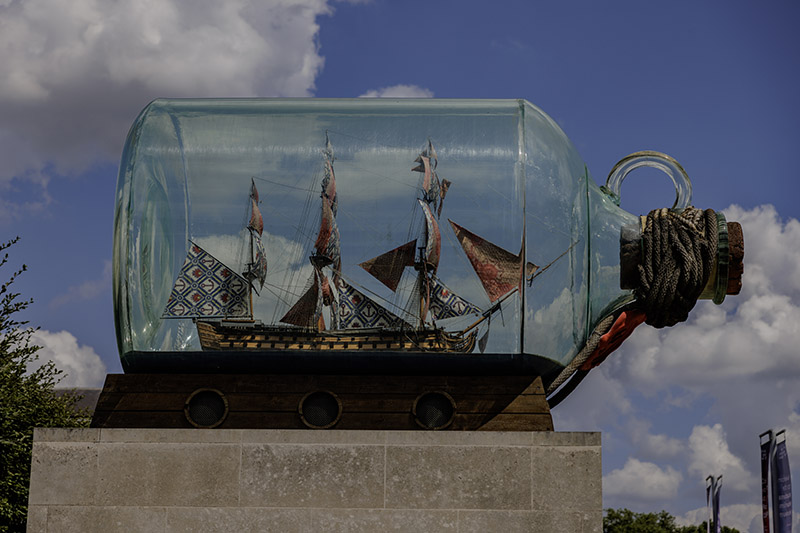
The fun starts before you even enter the museum. Look for the giant ship in a bottle near the entrance. Inside, multiple galleries cover all aspects of global seafaring.
The museum is very family-friendly. On Saturdays, different historic characters turn up to tell their exciting stories of global seafaring. The sea map is a massive exploration tool where kids get a ‘fisheye’ view of the world.
Other highlights include:
- The Prince Philip Maritime Collections Centre: where adults (18+) can get a close-up view of behind-the-scenes conservation work
- Polar Worlds: The story of British polar exploration, including the work of RRS Sir David Attenborough (Boaty McBoatface)
- Nelson, Navy, Nation: exploring life in the Royal Navy and featuring the uniform Nelson was wearing when shot at Trafalgar (complete with bullet hole)
- Maritime London: how London developed to become one of the world’s major ports.
3. Explore Greenwich Park, one of the Oldest of London’s Royal Parks
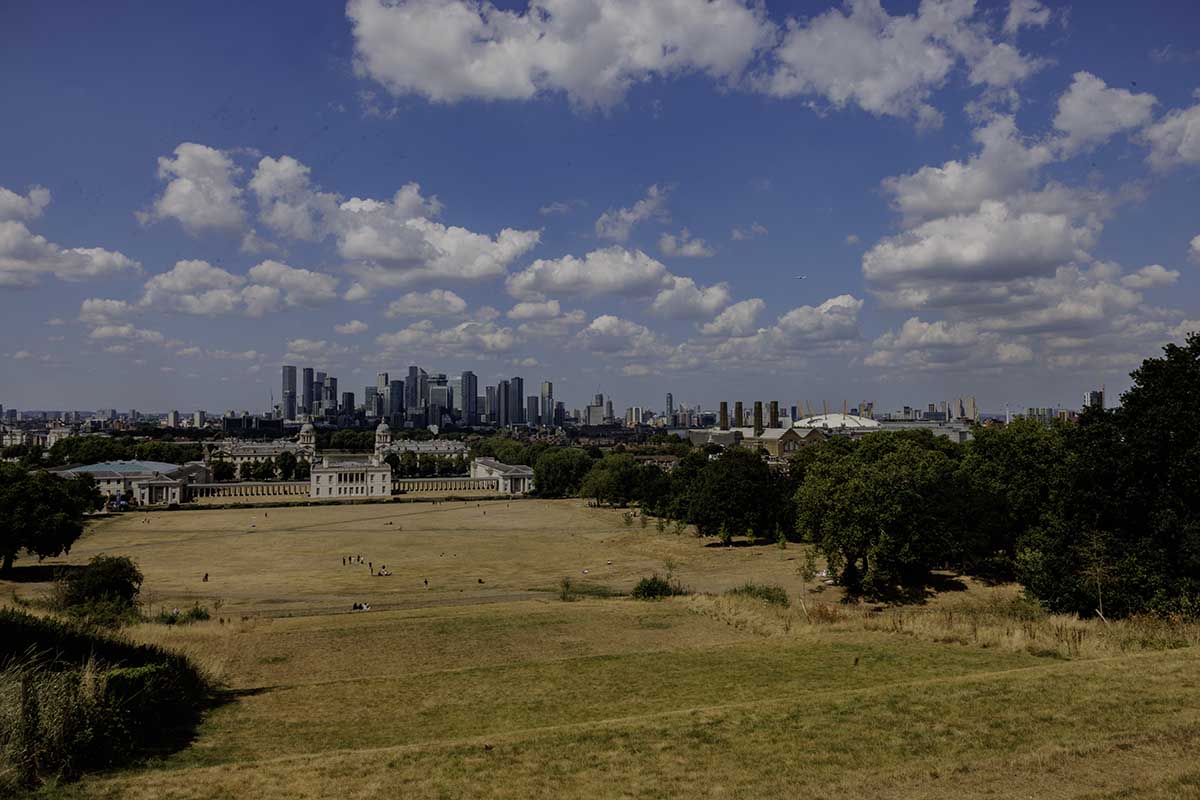
Not only is Greenwich Park a wonderful place for a stroll or a picnic, but it is also a multilayered history lesson going back thousands of years.
There’s nothing I like more on a sunny summer’s day than taking a blanket, a picnic basket, and maybe a bottle of wine to Greenwich Park. Sitting with friends in the shade of one of the park’s majestic oaks and simply people-watching is one of the great Greenwich activities.
That’s not all that Greenwich Park offers. You can see Greenwich Park’s rich history all around. Before you uncork that wine, take a moment to search out the Roman temple in the park’s south, and the Anglo-Saxon burial mounds to the east. Remember that what you’re sitting in used to be the playground of Henry VIII, who stocked it with game and hunted here.
No trip to Greenwich Park is complete without climbing the hill to take in the views of the River Thames, Canary Wharf, and the London skyline.
4. Tour the Cutty Sark

In Victorian London, tea was a big deal. Huge profits were available to the owners of the first ship to land the new season’s stock. In 1869, Scotsman John ‘Jock’ Willis commissioned the ultimate tea clipper, The Cutty Sark, designed to be the fastest ship in the world. Steam-powered ships soon replaced the great clippers, but the most famous of them ended up in Greenwich.
Visitors can explore the ship and learn about the lives of the sailors and the tea trade through interactive exhibits. One of the most interesting is a wall of ship’s figureheads, including ‘Nannie’, the Cutty Sark’s figurehead. Nannie was the witch from Robert Burns’ poem, Tam-o’-shanter and the ship’s name refers to the short nightdress she wore.
If you’ve got a head for heights, you can sign up to climb the rigging of the great ship. I opted for a more laid-back visit, eating a cream tea in the coffee shop with the ship’s keel looming above me.
The Cutty Sark is extremely popular, particularly during the summer and school holidays, so make sure you book in advance.
Ticket Prices for the Cutty Sark in 2026
- Adult: £24 (No discount for seniors)
- Child (4-15): £12 (Children U4 are free)
- Student: £18 (with valid ID)
- Wheelchair Users: £20-£24
- Student Wheelchair Users: £14-£18
5. Wander Through the Old Royal Naval College

The Old Royal Naval College went through several iterations before it even became the ‘new’ Royal Naval College.
The first building on the site, Bella Court, was built in the 15th century, before Henry VII demolished it around 1500 and built Greenwich Palace. Henry VIII was born here, as were his daughters Mary and Elizabeth I. It was here that Henry VIII suffered the jousting accident which historians think caused his change in character in later life.
In 1694, Sir Christopher Wren designed a naval hospital for injured seamen. The building fulfilled this function for 175 years before becoming the Royal Naval College, the ‘University of the Navy’.
Today, its baroque architecture sees thousands of visitors from all over the world. Highlights include:
- The Painted Hall: considered Britain’s Sistine Chapel,
- The Nelson Room: where Admiral Nelson’s body lay in state
- Skittle Alley: Victorian bowling alley where you can play
- Chapel of St Peter and St Paul: highly decorated chapel.
Entrance to the Old Royal Naval College grounds is free, but specific buildings like The Painted Hall require a ticket (this also gives access to the Nelson Room). Tickets cost £19 but can be converted to an annual pass at no extra cost. Children under 16 and Royal Navy personnel and veterans go free.
6. Cruise the Thames from Greenwich Pier
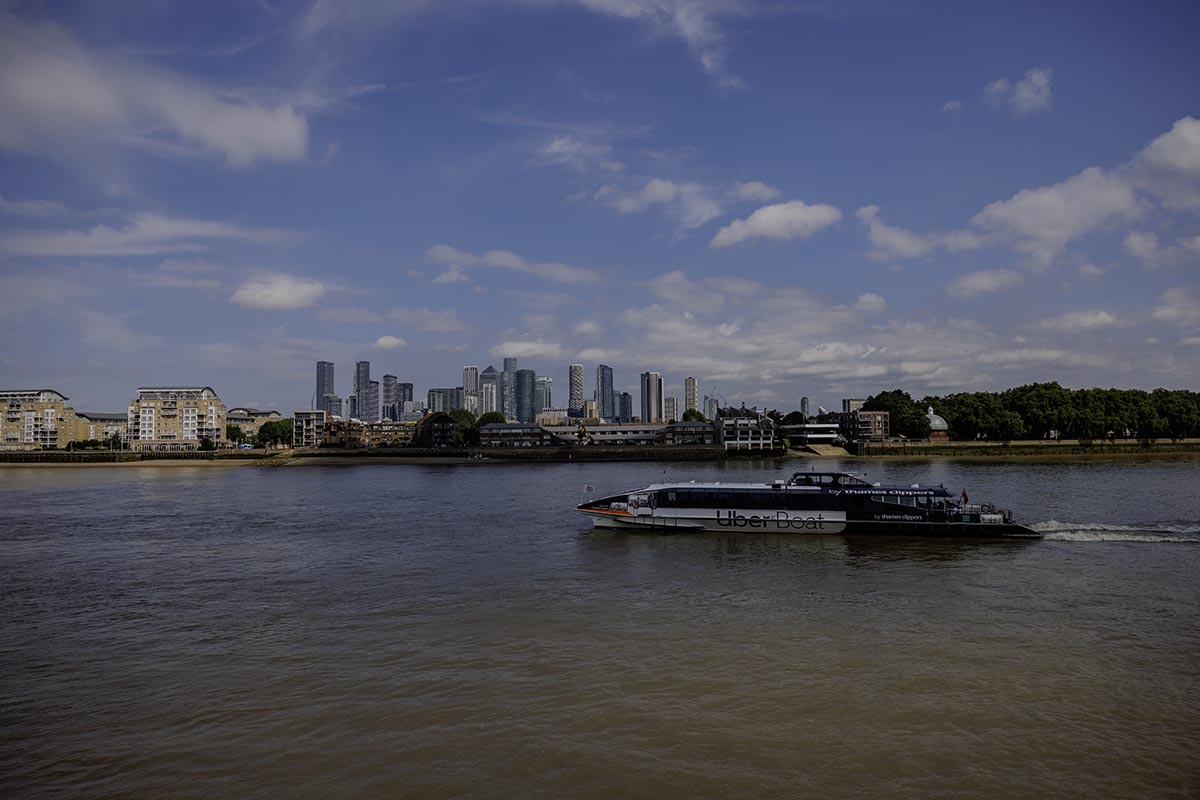
The Thames has been a central feature of my life for the last forty years, both for work and play. There’s no better way to spend the afternoon than taking a boat trip along the river, and Greenwich is the perfect spot from which to do so.
There are two ways to see London from the river.
First, try a water bus. This service is run by Uber Boat by Thames Clippers, and their vessels run people up and down the river. The boats stop at multiple points between Greenwich and the centre of London, all the way out to Putney. Downriver, they go as far out as Barking.
Alternatively, Thames River Sightseeing runs regular services from Greenwich pier to Tower Bridge, while City Cruises runs from the same place but stops in several locations up to the London Eye.
7. Take a Walk Under the River via the Greenwich Foot Tunnel
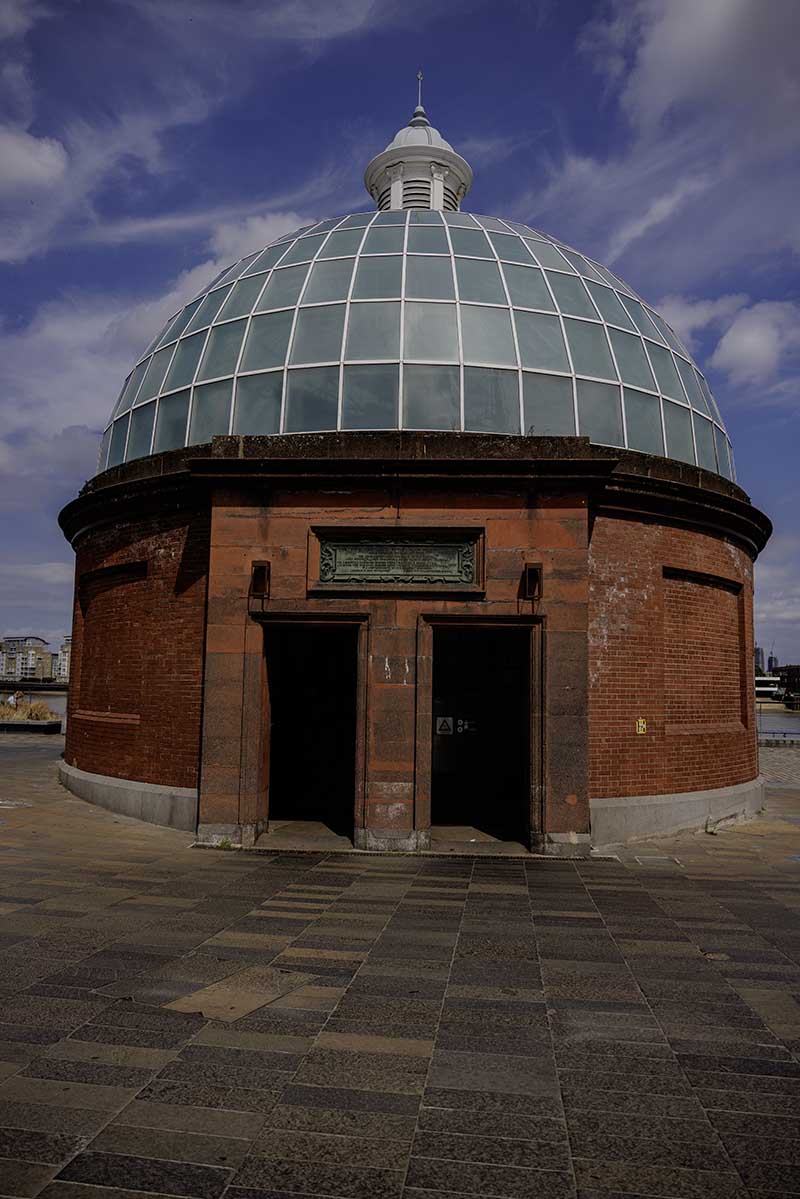
I love getting to Greenwich via the Greenwich Foot Tunnel. Explore Island Gardens, north of the river, for stunning views of Greenwich, made famous by Canaletto, who painted it from near this spot.
Enter via the red-brick, glass-domed building next to the river and descend. This is the northern access point to the Greenwich Foot Tunnel. Opened in 1902, the Greenwich Foot Tunnel allowed pedestrians to cross under the Thames between Millwall, north of the river, and Greenwich.
Take the spiral steps (or the lift) down to the Victorian-tiled tunnel and walk the 370m under the river to the other end. When you emerge at the Greenwich end, the Cutty Sark will be right in front of you.
The lift at the northern end has been out of commission for quite some time (at least a year). Check on Greenwich Foot Tunnel lift status HERE.
8. Discover Local History at the Fan Museum

Greenwich’s fan museum is one of those niche museums that London does so well. Housed in a pair of Grade II listed Georgian townhouses, it is dedicated to the fan makers’ art. I love the way it incorporates both the technical elements of fan making, with the influence of the fan on fashion and society.
The museum also runs special events, including music recitals in its delightful orangery.
It’s cheap, standard tickets cost £5, and it’s a wonderful way to while away an hour or two while in Greenwich.
9. Enjoy a Pint in a Historic Greenwich Pub

Greenwich’s naval traditions mean it’s not short of a pub or two. Whether you want to while away the afternoon in a riverside tavern, soak in the atmosphere of a historic 300-year-old pub, or listen to some live music, Greenwich has got you covered. Following extensive research…, here are a few of my favourites.
The Plume of Feathers. This excellent pub holds the title of Greenwich’s oldest pub. They’ve been serving pints here since 1691. The pub still boasts some original features from that time, including the claygate fireplaces. You can find the Plume of Feathers near Greenwich Park.
Trafalgar Tavern. Named for Nelson’s famous victory, The Trafalgar boasts a life-sized bronze of the man himself. But he isn’t the only famous figure associated with the pub. Author Charles Dickens was a regular and described The Trafalgar in his book, Our Mutual Friend. Famous politicians also frequented The Trafalgar, to partake of its famous whitebait suppers. Prime Minister William Gladstone hosted the last of these ministerial visits in 1883, but local whitebait remains on the menu of this riverside boozer.
The Cutty Sark. As you might expect, given the name of the pub, it’s located in the shadow of the world-famous tea clipper which sits in dry dock in Greenwich. The Cutty Sark is a splendid place to while away a summer afternoon. On the terrace, you can enjoy views of the Thames extending towards the O2.
Oliver’s Jazz Bar
If music’s your thing, there are several pubs which have regular live music nights, but the one I recommend is Oliver’s Jazz Bar. Oliver’s hosts live jazz, including jam sessions, every night. There is a cover charge (usually £10), but that’s a small price to pay to support live music. So, head downstairs to this atmospheric cellar bar in Greenwich.
10. Go Bargain Hunting in Greenwich’s Markets

Greenwich hosts a couple of top-class markets which you must visit.
The first, Greenwich Market, has been operating for almost 300 years, first opening in 1737. There has, however, been a market in Greenwich since the 1400s. Today, the market is located in a covered brick building in the heart of Greenwich and features stalls selling a bewildering variety of items. You can find pretty much anything here, from vintage clothing to bric-à-brac, and vinyl records to rare books. To top it all off, it’s got a thriving set of street food vendors for when all that shopping makes you hungry.
Greenwich Market is open 10:00 to 5:30, seven days a week.
Just a few steps from Greenwich Market lies the Greenwich Antiques Market. Unlike its older brother, the Antiques Market only opens Friday to Sunday. It’s worth the wait, though. Jam-packed with goodies, you can find virtually anything here.
A kaleidoscope of stalls assaults the senses with everything from jewellery to textiles, china to home décor, and everything in between. The products range from truly antique to recycled, handmade to retro. You’ll find something to fit every budget.
The Greenwich Antiques Market isn’t the only weekend market. Every Friday to Sunday, a street food market pops up near the Cutty Sark. The stalls here take you on a culinary tour around the world (but don’t forget to try the local jellied eels!)
Conclusion
So, there we have it, my curated list of the very best things to do in Greenwich. I hope it’s whetted your appetite to visit or rediscover a place which has stood at the heart of Britain’s history for two thousand years.
So, what will you do first? Explore the Cutty Sark? Eat jellied eels in Greenwich Market? Maybe a summer wander around Greenwich Park is for you? Whatever you choose, I’m sure you’ll fall in love with Greenwich too.
When you’ve been to Greenwich, you’ll want to explore London too. How about taking this free self-guided walk which takes you through 2000 years of London’s history. Fancy some live music? I’ve been a concert photographer for a decade. Have a look at my guide to the best grass roots music venues Britain’s capital has to offer. Who knows, you may see the next Rolling Stones or Oasis.
About the Author: Neil at Piedras Rojas, Chile

Hi, I’m Neil. Newly 60, newly retired and on a mission. When my wife was diagnosed with cancer, she asked me what I was going to do when she was gone. Apparently sit at home drinking wine was the wrong answer. I promised her I’d go travelling and that’s how the Do Not Go Gently Travel blog was born. Since I lost her last year, I’ve visited over 20 countries and I’m not stopping!


