

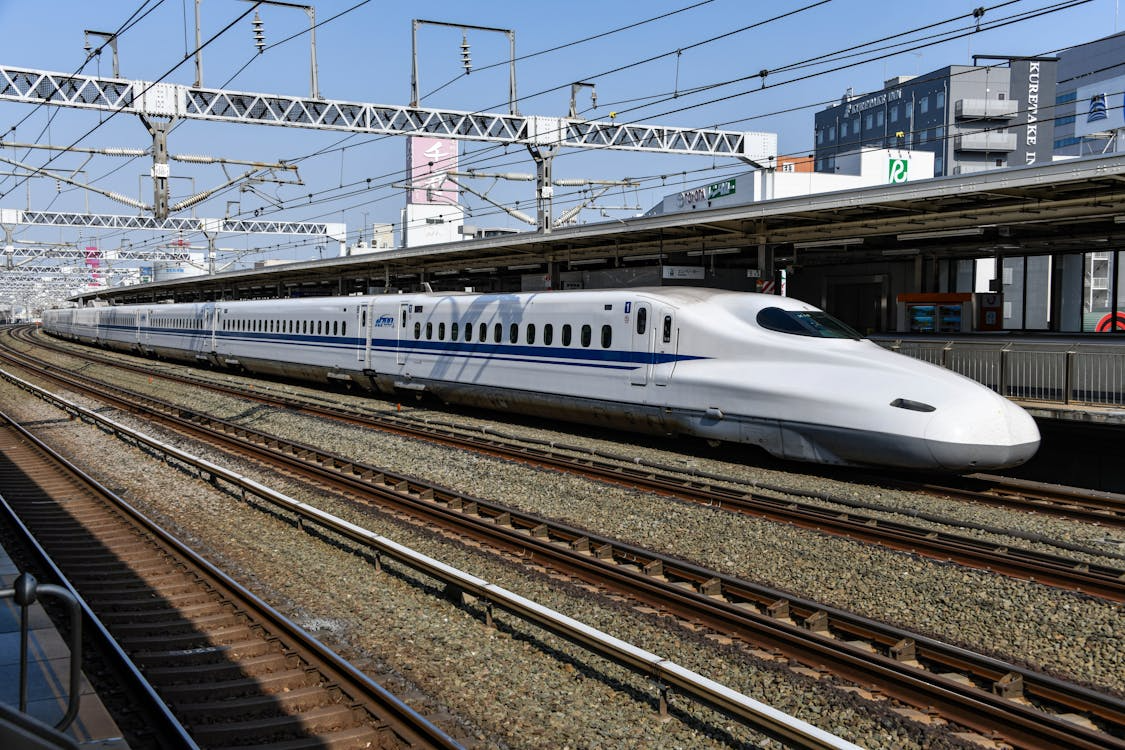
Thinking about traveling through Japan like a local?
The JR Pass is one of the most common purchases for tourists to get around the country.
The pass allows for unlimited travel on JR trains nationwide, including Shinkansen bullet trains.
But, wait just a second…
After the JR Pass prices increased in October 2023, it’s not as simple as grabbing one and boarding a train. Tourists have to do a little math before determining whether or not the JR Pass is worth the money.
With record tourism numbers, more than ever travelers want to understand how and if a JR Pass fits in with their trip.
With this complete step-by-step guide, we’ll explain everything you need to know about purchasing and using a JR Pass.
By the end of this, you’ll have a solid understanding of…
- What is a Japan Rail Pass?
- How to know if a JR Pass is worth buying
- Purchasing your JR Pass step by step
- How to activate and use a JR Pass
- Common JR Pass mistakes to avoid
What Is a Japan Rail Pass?
A JR Pass is a special pass that is only for foreign tourists visiting Japan.
The Japan Rail Pass allows unlimited travel on JR trains, buses and ferries for a certain number of consecutive days. Passes are sold in three durations: 7 days, 14 days and 21 days.
There are also two different classes: Ordinary class (standard) and Green Car (first class).
This seems pretty straight-forward, right?
The JR Pass covers Shinkansen bullet trains, limited express trains, and local JR train lines across Japan. There are some limitations, however. The pass cannot ride the fastest Nozomi and Mizuho trains without paying an additional fee. The JR Pass also is not accepted on non-JR subway lines and private railways.
How to know if a JR Pass is worth buying
This step should be done with all products before handing over your hard earned money.
A JR Pass calculator will calculate whether or not the pass will save you money over purchasing individual train tickets. Simply add the planned routes into the calculator, and the tool will total the individual cost to compare against JR pass prices for all 7, 14, and 21-day passes.
For example, a round-trip Tokyo to Kyoto Shinkansen bullet train costs about ¥26,640. A 7-day Ordinary Japan Rail Pass costs ¥50,000. So, it would take a minimum of two long-distance round trips in a week to make the pass pay for itself.
Shorter distance trips within the same city or just one region often do not make the pass worth buying, but longer trips and visiting multiple regions of Japan makes the math start to work in the JR Pass’s favor.
The key elements that impact whether a JR Pass makes sense for an itinerary are…
- Number of cities on the itinerary
- Distance between destinations (greater distances = better value)
- Frequency of travel during the validity period
Always do the math to start the trip off with a sound savings decision and no buyer’s remorse later.
Purchasing your JR Pass step by step
Purchasing a Japan Rail Pass is relatively simple these days. Here’s the step by step process.
Step 1: Choose the Pass Duration
Choose the 7, 14, or 21-day pass that best matches the itinerary. Most first-time visitors find a 7-day pass is all they need for a Tokyo to Kyoto to Osaka route. Longer trips across multiple regions, like adding Hiroshima, Hokkaido, and Kyushu, benefit from longer passes.
Decide between Ordinary class and Green Car first class. Ordinary class already offers comfortable seats with plenty of legroom. Green Car upgrades are unnecessary for most travelers.
Step 2: Purchase Online Before Arrival
The JR Pass can be purchased online from the official JR website or authorized vendors. After purchasing, you receive a voucher or can pick-up the physical pass directly in Japan. The Exchange Order system will be retired by the end of 2025, so direct online purchase will be the new standard.
Step 3: Pick up the Pass in Japan
Bring the passport to a JR ticket office at the airport or train station upon arrival. Present the passport with the Temporary Visitor” entry stamp. Staff verify eligibility, and you are issued the physical JR Pass.
Collecting the pass takes about 15-20 minutes at busy airports/train stations.
How to Activate & Use a JR Pass
Activating the JR Pass and using it on trains is incredibly easy.
Activation
A JR Pass can be activated immediately, or it can be set to activate at a future date within 30 days. Choose an activation date that matches the start of the trip, otherwise it’s a wasted day. Days are counted as calendar days, not 24-hour periods, so a pass activated at 6pm at night is already considered to be on day one.
Taking the Trains
Simply show the JR Pass to a staff member at the train ticket gates to use the pass. Since June 2020, the JR Pass can be used at automatic ticket gates at most JR train stations.
Making Seat Reservations
JR Pass holders can make free seat reservations. Reservations are not required on most trains, but are highly recommended to guarantee a seat during busy travel periods. Visit any JR ticket office or reservation machine at a station to make reservations.
Peak travel periods require advance booking as trains are busy and popular departure times can sell out quickly.
Pro tip: Make reservations for all future intercity journeys at once to save time making bookings later in the trip.
Common JR Pass Mistakes to Avoid
Even seasoned travelers make these mistakes. Avoid these to make using the JR Pass easier.
Mistake 1: Failing to do the Math First
The biggest mistake when considering a JR Pass is thinking it’s always worth it. Remember to always do the math first using a JR Pass calculator.
Mistake 2: Forgetting the Passport Must Be Presented
The physical passport must be presented when exchanging or picking up the physical JR Pass. A photocopy won’t work. Staff check for the “Temporary Visitor” stamp to verify if a person is a tourist.
Mistake 3: Starting the Pass too Early
Activating a pass on the day of arrival to a country often wastes a day, as it’s most likely that a traveler will be exploring one city for the first few days. If the start of the trip is in one city and intercity travel begins later, then delay pass activation until that first intercity train ride.
Mistake 4: Forgetting the Nozomi Restriction
The fastest Nozomi Shinkansen trains are not included on the JR Pass without paying an additional fee. Route planning is required to choose Hikari or Kodama trains instead, which are fully covered.
Mistake 5: Not Making Reservations During Peak Seasons
Golden Week, Obon and New Year holidays are the busiest travel times on Japanese trains. Trains get crowded, and trains without reservations are more likely to have to stand. Make reservations ahead of time to ensure you get a seat and don’t have to stand for hours during long journeys.
Bringing It All Together
A JR Pass is an excellent option for tourists that plan on visiting multiple areas in Japan.
The key to getting value out of the JR Pass is proper planning.
Calculate your planned routes first to verify the pass saves money. Purchase the pass online before arrival in Japan, and use the Japan Rail Pass strategically. By activating at the right time, all the validity days can be used for maximum benefit.
To quickly recap the steps to take to successfully purchase and use a JR Pass, it’s always best to…
- Calculate value before buying a JR Pass
- Buy a JR Pass online before going to Japan
- Bring the passport to pick-up the physical JR Pass
- Activate the pass on the first day of intercity travel
- Make free seat reservations for popular itineraries
A little bit of upfront planning pays off big dividends once the JR Pass is in your hands and the bullet trains become an accessible mode of transportation to everything from ancient temples to modern cities.
This is the beauty of traveling smart in Japan.


