


Camping is the sort of activity that can help you reconnect with nature like nothing else. In addition, if you happen to bring the family along or head out with a good bunch of mates, you will find that you are able to bond with each other in a way that isn’t perhaps achievable in normal life. There is something special about falling asleep in your own little sanctuary, surrounded by the wilderness and with nothing but the sky above your head.
The only issue is that for those of you who dream about adding a spot of camping to your life but have never done so before, it can be a touch stressful when considering what you need to bring and precautions to take. This is the purpose of this post: to help you understand what’s involved so that all you need to do when the time comes is pack your gear, load up the truck (or rucksack if you’re trekking to the camp post), and head out without needing to look back.
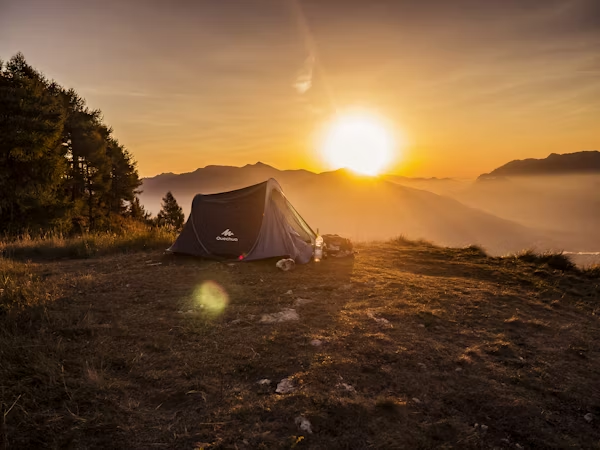
A Little Research Can Go A Long Way
Before deciding to chuck a few items into your bag and head out into the great unknown, your time would be best spent performing some pre-trip research. You don’t need to go too deep into the grass, but making the effort to find out more about where to go and what to pack will go a long way in ensuring that you don’t end up hating the experience or land in some more serious issues that require outside intervention (like choosing to camp during seriously inclement weather). Many of the things you might want to spend time researching are mentioned throughout this post, but to give you an idea, you can use the following as a kind of research checklist to follow:
- Location
- Campsite rules and regulations
- Weather forecast
- Campsite facilities and amenities (if you opt against wild camping)
- Aceabilty
- Wildlfe
- What to do in an emergency
There may be more factors that are location-dependent or depending on your particular tastes, but these provide a good idea of what you ought to understand before your trip.
You Don’t Need To Spend A Fortune, But The Right Gear Will Make Your Life Easier
Way too many people get bogged down in purchasing the most expensive gear they can find, believing that brand-named items will offer the best experience. While it’s certainly true that spending a bit more money will buy quality that lasts and performs as it says it should, you really don’t need to allocate too much money towards it.
For most people, a high-quality sleeping bag, tent, bag, and clothes are essential, with other essentials such as flashlights and cooking gear being relatively simple affairs to purchase. But with that said, the right heart will make the quality of your experience much more enjoyable. For instance, if you cheap out on your tent, you might find that it either only lasts one trip before disintegrating or that it’s simply unable to withstand the rigors of the season you have chosen to camp in.
Choose The Perfect Campsite
If you are opting for a dedicated campsite over wild camping (for which there are plenty of reasons why you might go down this route), you will need to spend a little time choosing the right site.
The process will really depend on how you perform this activity. For example, hiking from one location to another with only a rucksack full of gear will involve a different type of research than if you were to drive to a site and pitch your tent for a couple of days. If you are opting to do the former, you will need a far more robust itinerary that allows for any unforeseen circumstances and that can accommodate your entire trip.
Conversely, if you are opting for the latter, whereby you will rock up to one campsite for the entirety of your trip, things will be a little more straightforward, but you need to ensure that you have enough provisions and things to do during your stay
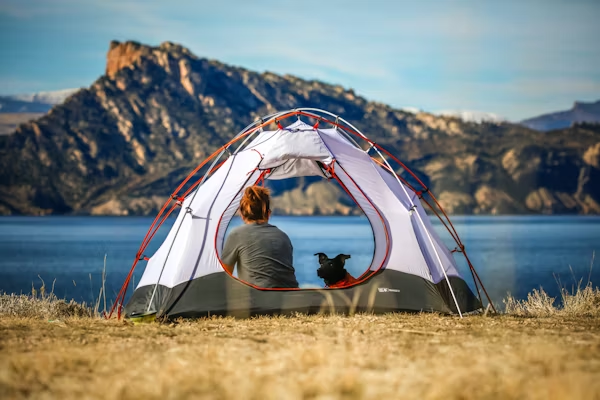
Master The Pre-Trip Checklist
If you fail to prepare, oh boy, you had better prepare to fail, as the saying goes! If you want your camping experience to be one to remember (in a good way), it’s prudent to master your pre-trip checklist game. So how might such a checklist manifest in reality?
In practice, you’ll want to divide it up into several different categories to get the most from it:
- Shelter and sleep: Your first priority in any camping situation is to ensure that you have the right sort of shelter to protect you from the elements, and something to sleep in and on so you can get a decent night’s sleep.
- Tent
- Ground tarp
- Sleeping bag
- Sleeping mat
- Pillow
- Cooking and eating: Once you’ve assembled your sleeping gear, your next job is figuring out what you’ll eat and drink (and how to eat your cooked food). In most cases, you can opt for MRE-type food for convenience. But if you plan on doing some Outdoor Boys-style cooking, you might have to think a bit more carefully about how to store fresh ingredients.
- Camp stove and fuel
- Utensils
- Plates and bowls
- Cooler
- Water container (for both cooking and drinking)
- Food
- Heavy-duty trash bags
- Health: It’s easy to chuck a simple first-aid kit into your bag and call it a day, but this is a big mistake. The best option is to build a kit yourself so you are sure you have everything you might need. If you want to purchase one off the shelf, then spend some time looking around to ensure you pick something suitable.
- Fully stocked first aid kit
- Flashlight and spare batteries
- Good quality multitool
- A firestater of some sort
- Map and/ or GPS (particularly if youre’er trekking)
- Insect repellent
- Any prescription medications you require
- Clothing and personal items: Aside from your tent and sleeping bag, your clothing will dictate whether your memorable experience is a great one or one you’d rather relegate to the horrible incident part of your brain.
- High-quality jacket and trousers
- Boots
- Waterproofs
- Toieltries
- Casual clothing for when you’re hanging around the campsite
- Comfort: Most folks want to have a great time, and you really don’t need to sacrifice comfort to achieve this. See what items will make your trip more fun and relaxing, and pack accordingly.
- Foldable chairs and tables
- Power bankTape/ paracord
Finding the right equipment that ensures comfort and utility is the final step in transitioning from a basic survivalist setup to a truly enjoyable outdoor retreat. Many campers like to browse through the BCF YETI range of items that help keep things cool and stored throughout the duration of a multi-day excursion into the bush. These premium storage solutions are built to withstand harsh conditions while providing the thermal consistency needed for fresh meals and cold beverages. By rounding out your checklist with such durable gear, you can rest easy knowing your supplies are protected and your campsite is fully optimized for relaxation.
Staying Organized At Camp
All of these tips thus far have centered around the pre-trip phase, but the job doesn’t end once you’ve set up your camp. If you really want to up the ante, you can do a few things that ought to make this activity even more enjoyable and see the stress melt away.
Using Storage Bins
If you are camping in a more measured way rather than trekking to each location, you should bring along storage bins. These can help to keep everything ordered and easy to find, while also keeping your stuff in top condition. This is especially pertinent during rainy seasons when things can get destroyed if left out in the elements for too long.
Keeping A Clean Campsite
Keeping your campsite clean isn’t just a good thing to do for the sake of politeness, but also to help you find the things you need, like food and water. It also allows for a far more efficient repacking process when the time comes to pack up and bug out.
Nighttime Organization
Most modern campsites will have all kinds of amenities such as lighting and electricity outlets, but you may not have such luxuries if you choose to camp a little more off the grid. If so, it’s vital to keep all the things you will need at night, close to hand, to avoid scrambling around once the sun sets.
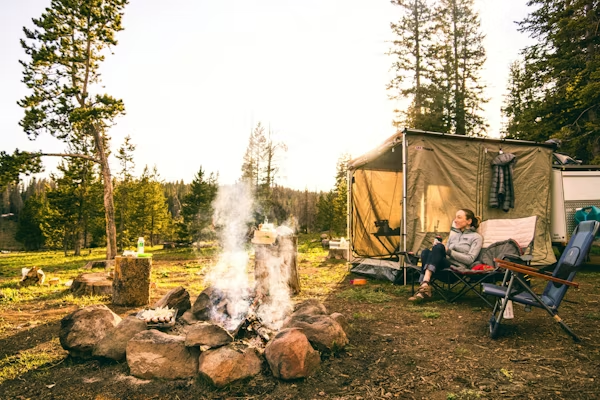
Safety And Problem Prevention
There are several aspects to keep a great idea from turning into a disaster, and one of them is to think about what you will do if the worst comes to worst.
- Weather Preparedness: Make sure that you double-check the weather forecast before heading out. If there is a high likelihood of awful weather, it’s probably a good idea to postpone the trip. Bad weather won’t just make life miserable, but could potentially be incredibly dangerous.
- Wildlife Safety Basics: Some locations are wilder than others, and your online research will give you a good idea of what to expect wherever you’re heading. If you think that you might encounter dangerous wildlife, you must pack items that will ensure your safety, like a firearm or bear spray, etc.
- First-Aid Essentials: A well-stocked first-aid kit is an absolute must-have. Even if you forget everything else, you must make sure that you have a kit that has plenty of things to keep you alive if the universe decides to make your trip go awry.
Plenty of people will tell you that camping is the sort of experience that you’ll either love or hate, but the fact is that with proper planning, you are more likely to fall into the former category than the latter. This post has only offered a few fundamental tips to get you started, and it pays to continue your research further based on the specific location you plan on visiting.


Great guide — I love how you break down the essentials without overcomplicating it. 🏕️ Your pre‑trip checklist and gear‑vs‑comfort balance make camping feel approachable even for first-timers. I’m bookmarking this for my next outdoor trip — thanks for the useful tips!