
If visions of crystal-clear waters, hidden beaches, and breathtaking island landscapes fill your dreams, a boat tour expedition between El Nido to Coron in Palawan, Philippines, is exactly the adventure you’re seeking. Here’s a comprehensive guide to what awaits you on this incredible journey.
Enchanting Natural Wonders
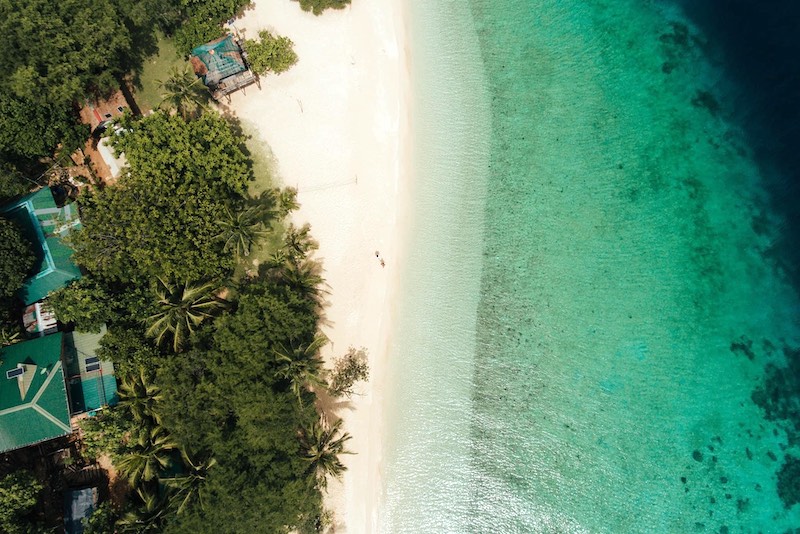
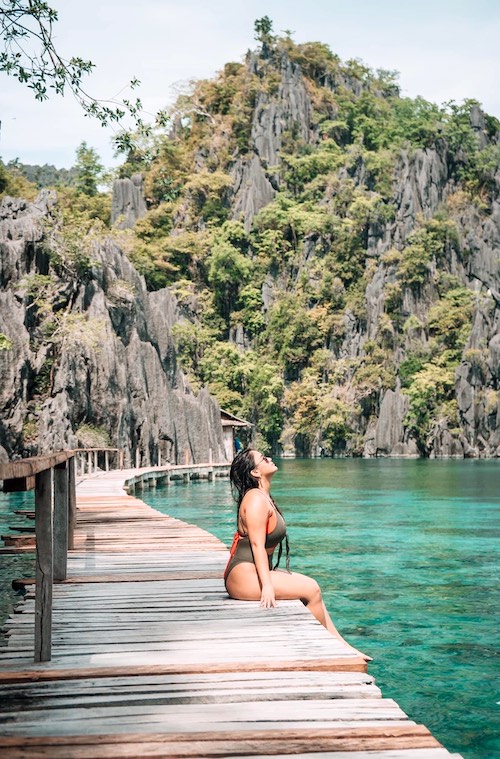
Palawan is celebrated globally for its captivating beauty, and the voyage between El Nido and Coron showcases the best of it. Picture yourself amidst azure waters, dramatic limestone cliffs, colorful coral reefs, and pristine white sandy beaches awaiting your exploration.
Detailed Expedition Itinerary
Day 1: Setting Sail from El Nido
Your journey begins early with a scenic cruise across Bacuit Bay. Stop at iconic spots such as Helicopter Island, ideal for snorkeling and sightseeing. Enjoy an evening under the stars, camping on an isolated beach, accompanied by a cozy bonfire dinner.
Day 2: Adventure in Linapacan Islands

Explore the stunning Linapacan Islands, acclaimed for crystal-clear waters ideal for snorkeling and freediving. Discover secluded beaches and coves perfect for relaxation and photography. Overnight accommodation includes charming beach huts or tents on a tranquil island.
Day 3: Historical Exploration at Culion Island
Visit Culion Island, known for its fascinating colonial past and charming heritage town. Explore historical landmarks, including the Culion Museum and colonial-era churches. Spend the night near Culion, experiencing local culture and lifestyle.
Day 4: Discovering Black Island

Explore Black Island, famous for its mysterious caves, freshwater pools, and picturesque beaches. Enjoy snorkeling, swimming, and leisurely island exploration. Relax at sunset and spend another serene night camping under the stars.
Day 5: Coron Arrival and Leisurely Exploration
Enjoy the beautiful Malcapuya and Banana Islands, excellent for swimming and unwinding on the beach. Conclude your journey in Coron, with local attractions like the soothing Maquinit Hot Springs.
Ultimate Island-Hopping Experience
Typically lasting between three to five days, boat expeditions reveal hidden gems, including:
- Linapacan Islands: Known worldwide for remarkably clear waters, ideal for snorkeling.
- Culion Island: Rich heritage with museums and historical architecture.
- Black Island: Spectacular caves, freshwater pools, and idyllic beaches.
- Malcapuya and Banana Islands: Ideal for relaxing, swimming, and soaking up the sun.
World-Class Snorkeling and Diving
Expect exceptional snorkeling and diving adventures in vibrant marine ecosystems. Palawan’s waters host diverse marine species like sea turtles, vivid tropical fish, giant clams, manta rays, friendly reef sharks, and occasionally, dugongs. Noteworthy sites include:
- Skeleton Wreck: Shallow-water WWII shipwreck near Coron, perfect for snorkelers and novice divers.
- Siete Pecados Marine Park: Renowned for vibrant coral formations and abundant sea life, ideal for snorkeling.
- Barracuda Lake: Unique diving experience featuring thermoclines and striking rock formations.
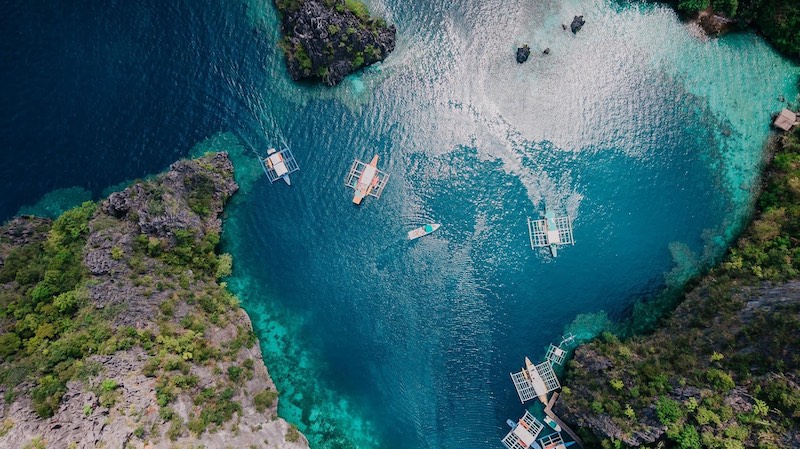
- Twin Lagoon: A snorkeling paradise with stunning limestone cliffs and hidden underwater passages.
Marine Life Highlights
- Sea Turtles: Frequently sighted gliding gracefully among coral reefs.
- Manta rays: Can be seen around Sibaltan on our multiday tours between El Nido and Coron.
- Reef Sharks: Friendly blacktip reef sharks, safe and fascinating to observe.
- Dugongs: Occasionally spotted grazing peacefully on seagrass.
- Whale sharks: Can be seen floating gracefully around the Puerto Princesa area.
- Colorful Coral Gardens: Explore thriving coral ecosystems bustling with marine diversity.
Tips for Seeing Marine Life While Diving or Snorkeling in Palawan
1. Choose the Right Locations
Depending on which marine life you would like to experience, you can book your travel route, tours, and accommodation around that.
- Sea Turtles: Often seen in El Nido, Coron, and Tubbataha Reef. Look for shallow coral gardens and seagrass beds.
- Manta Rays: Rare but occasionally spotted in Tubbataha Reef and around Apo Reef.
- Reef Sharks: Frequently seen in Tubbataha, Linapacan, and dive sites near Coron wrecks.
- Whale Sharks: The best chance is Puerto Princesa (Honda Bay) between April and October.
- Dugongs: Found in Busuanga and Dimakya Island, especially near Club Paradise Palawan.
2. Go During the Right Season
- March to June: Peak dry season and the best time for visibility, calm seas, and marine life sightings.
- April to October: Specific to whale shark encounters in Honda Bay.
3. Practice Patience and Respect
Wild animals appear on their terms. Stay calm, avoid chasing or touching them, and give plenty of space, especially to dugongs and sea turtles.
4. Time Your Dives for Maximum Activity
Early morning and late afternoon dives often coincide with feeding times and higher activity among marine animals.
5. Use Reef-Safe Sunscreen
Protect coral reefs and the ocean by wearing biodegradable, reef-safe sunscreen or UV-protective rash guards.
6. Stay Buoyant and Calm in the Water
Avoid flailing or kicking up sand. Neutral buoyancy and gentle finning preserve visibility and prevent disturbing marine life.
7. Keep a Safe Distance
Get close with your camera zoom, not your body. Some creatures (like dugongs or sharks) may flee or become aggressive if startled.
8. Don’t Feed the Wildlife
Feeding disrupts natural behaviors and can make animals dependent or aggressive toward humans. Look, don’t lure.
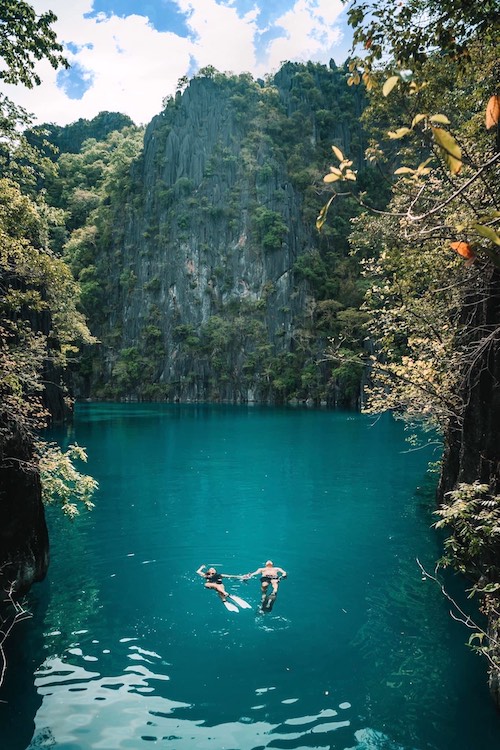
9. Snorkel Silently
Marine animals often shy away from loud splashing. Breathe gently through your snorkel to stay quiet and increase your chances of close encounters. Or if you have the capacity to hold your breath, this will make you feel much more a part of the environment around you without the loud sound of the air rushing through the snorkel next to your ear. Float gracefully yourself.
10. Dive with a Camera but Stay Present
Use a GoPro or underwater camera to capture moments, but avoid spending the whole time filming. Stay aware and soak in the beauty firsthand.
11. Watch the Tides and Moon Phases
Many marine species are more active during rising tides and near full moons—ask local guides for optimal timing.
Bonus Tips for Dugong Spotting in Palawan
- Look for calm, shallow seagrass beds in Busuanga.
- Dugongs are shy; sightings are best with slow, quiet approaches.
Immersive Cultural Experiences
Engage with local communities and learn about their traditions, fishing practices, folklore, and sustainable tourism and conservation efforts.
Comfortable Island Accommodations
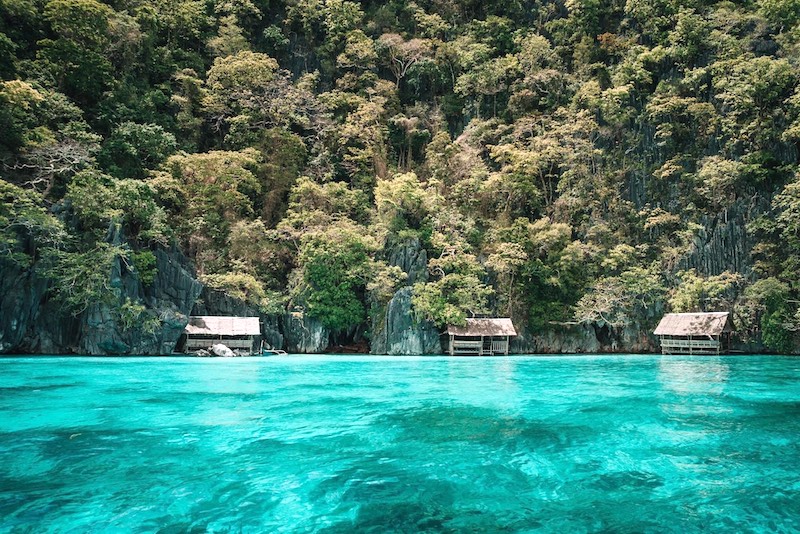
Sleep comfortably in cozy beach huts or tents under starry skies on remote islands. Accommodations, while rustic, are designed for comfort, providing a genuine island-living experience.
Flavorful Filipino Meals
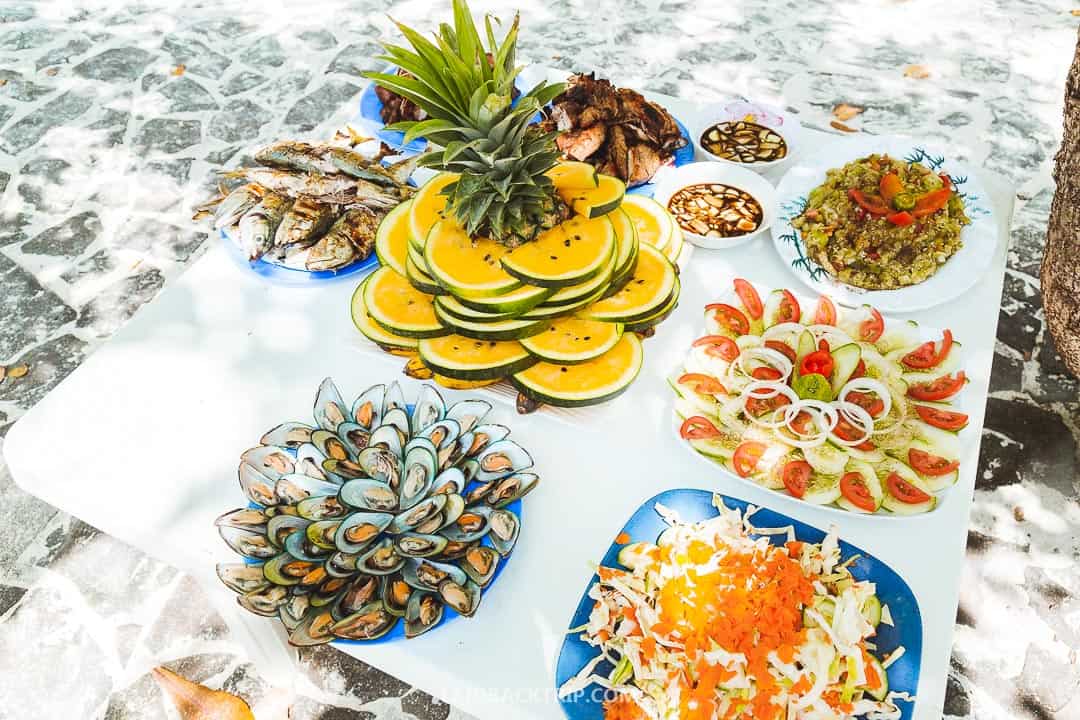
Tour packages feature delicious, freshly prepared Filipino cuisine, emphasizing local seafood specialties like grilled fish, squid, and crab. Vegetarian and vegan options can be provided. Meals typically foster camaraderie, enjoyed family-style with fellow travelers.
Knowledgeable Local Guides
Our guides are not only skilled sailors but also excellent storytellers, enriching your expedition with intriguing insights into Palawan’s history, culture, and ecology.
Balanced Adventure and Leisure
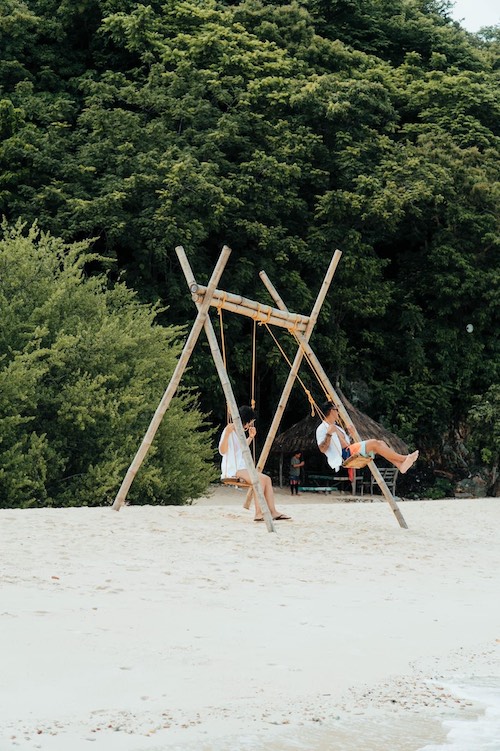
Whether your passion lies in underwater exploration, relaxing on untouched beaches, or hiking through verdant forests, this expedition offers a harmonious blend of excitement and tranquility.
Before You Go
Good planning is key. Some of our customers book flights first, then accommodation, and only after that do they start to look into boat and other tours. Which is when they realize they made a mistake and wish they would have chosen differently, while the resorts and airlines refuse to offer a refund. For example, if you have only one week earmarked for your vacation, it does not give you time to see some of the other beautiful places in Palawan, such as Port Barton, which is a bit out of the way, and the best option might be to fly into El Nido from Manila, stay one night, then a multiday tour to Coron.
Around Coron, there are also plenty of other sites to see, where on a multiday tour there you can stay in fancy beach resorts, most customers not knowing that Coron is more of a commercial center for locals and does not have any beaches. After that, you can take a Dugong tour on the other side of Busuanga Island before flying back to Manila out of Coron.
Which is why we recommend you consult with us first, so we can advise you on the various options you have, considering your time limitations, and only once together we have designed the perfect package for you, can you start booking your flights and accommodation.
Practical Preparation Tips
- Travel lightly but pack essentials: sunscreen, insect repellent, swimwear, snorkeling gear, waterproof bags, and comfortable footwear.
- Bring your camera—every moment is picture-perfect.
- Stay hydrated and protected from the sun, as outdoor exposure is significant.
- Secure electronics in waterproof bags, easily available locally, to prevent damage from water splashes during boat travel.
Practice Eco-Tourism and Responsible Travel
As you set sail with us through the stunning islands and crystal-clear waters of Palawan, we invite you to be a responsible traveler and help preserve the natural beauty and marine biodiversity that make this destination truly special.
Here are some simple yet powerful ways you can practice eco-tourism during your island-hopping adventure:
1. Respect Marine Life and Coral Reefs
- Never touch, chase, or step on corals or marine animals such as sea turtles, reef fish, or dugongs.
- Keep a safe distance from wildlife and observe quietly—use your camera zoom rather than getting too close.
- Feeding fish or other sea creatures may seem harmless, but it disrupts natural behavior and the ecosystem.
2. Use Reef-Safe Sunscreen
Many commercial sunscreens contain chemicals that can harm coral reefs. Choose a reef-safe, biodegradable sunscreen, or wear UV-protective clothing like rash guards.
3. Reduce Plastic Waste
- Bring a reusable water bottle and avoid single-use plastics, especially when visiting remote beaches.
- Help us keep the islands clean—take all your trash with you, even if you didn’t create it.
4. Support Local Communities
- Buy handmade souvenirs, snacks, and crafts from local vendors.
- Respect local customs and ask permission before taking photos of people or homes.
5. Leave No Trace
- Don’t collect shells, sand, or plants from the beaches or underwater.
- Stick to designated trails and paths when exploring islands to avoid damaging delicate flora.
6. Travel Light and Low Impact
- Pack light, bring only what you need, and avoid overloading the boat.
- Use energy (like freshwater or solar charging) sparingly when staying in remote island camps or eco-lodges.
By choosing to travel responsibly, you’re helping to ensure that future generations can continue to enjoy the pristine waters, untouched islands, and diverse marine life that make Palawan a paradise worth protecting. Thank you for being a part of the solution—eco-tourism starts with you.
Other Tours in the Palawan Area
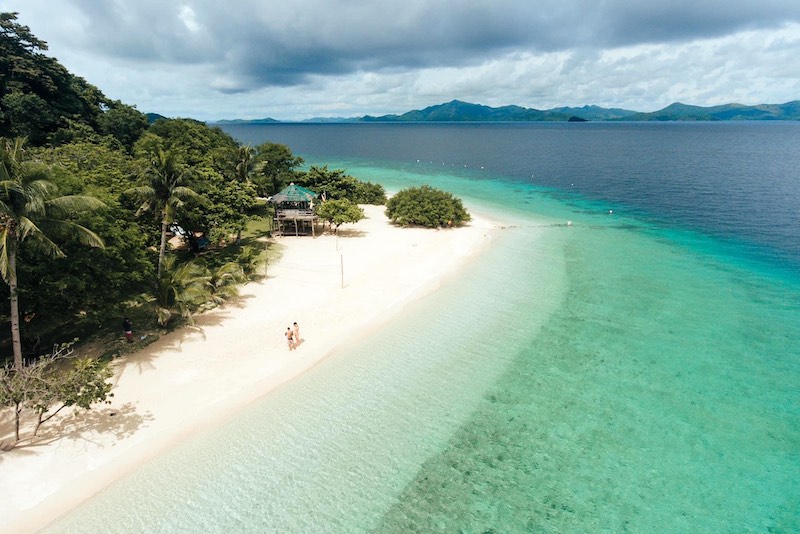
Palawan is considered the jewel of the country, and there is so much to see, much of it off the beaten path. From Balabac south of Puerto Princesa, to whale sharks around Princesa, the underground river tour near Sabang, sea turtles around Port Barton, those are just some of the sites you can see before you get to El Nido and start a multiday tour to Coron. If you have at least two weeks’ vacation, you can experience this ultimate Palawan package!
Booking and Memories for a Lifetime
A boat expedition from El Nido to Coron isn’t merely a vacation; it’s a transformative adventure filled with moments you’ll cherish forever. Whether solo, as a couple, or in a group, this journey promises unforgettable experiences.
Ready for the adventure of a lifetime? Start planning your Palawan boat tour today!
FAQ – Frequently Asked Questions
What is the ideal duration for a boat expedition between El Nido and Coron?
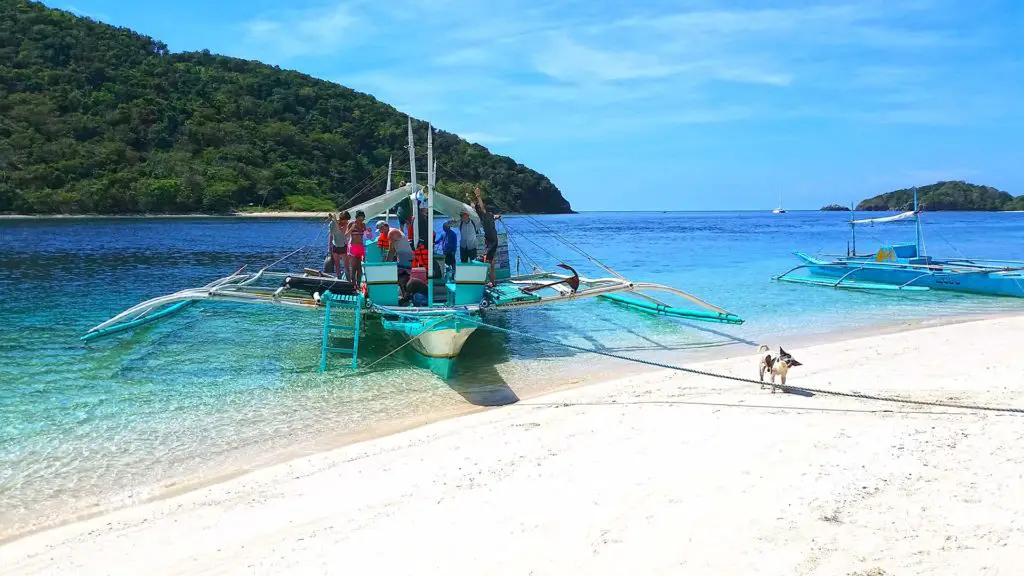
Most travelers choose a 3- to 5-day trip, which allows enough time to explore hidden lagoons, snorkel vibrant reefs, and relax on remote beaches without rushing.
Can beginners join the expedition if they don’t know how to swim?
Yes! While knowing how to swim enhances your experience, we provide life jackets, and there are many shallow snorkeling spots where non-swimmers can still enjoy the beauty of marine life.
What is the best time of year to join a multiday boat tour in Palawan?
The dry season from November to May is ideal for smooth seas, sunny weather, and excellent visibility for snorkeling and diving. March to June is especially great for marine life encounters.
Are the tours suitable for children and families?
Absolutely. Families with children are welcome, especially on private tours where the pace can be adjusted. We recommend discussing your needs in advance so we can tailor the experience.
Is there mobile signal or Wi-Fi during the expedition?
Expect very limited to no signal throughout the journey, but Smart is much better than Globe. This is a chance to disconnect, unwind, and truly immerse yourself in nature.
Are vegetarian or vegan meals available during the trip?
Yes. We happily cater to dietary preferences with prior notice. Our meals are freshly prepared with local ingredients and served in a communal, family-style setting.
Do I need to bring my own snorkeling gear?
Snorkeling masks and life vests are provided, while fins can be purchased locally, since correct size is important. However, we do not find them necessary, since so much can be seen by simply floating gently.
What are the sleeping arrangements like?
You’ll sleep in comfortable beach huts or tents on remote islands. While rustic, they offer cozy bedding, mosquito nets, and a magical island atmosphere under the stars. You can also upgrade to fancier accommodation.
Can I store valuables or electronics safely during the tour?
We recommend minimizing valuables and using waterproof dry bags. Our boats offer basic storage compartments, but waterproof protection is essential.
Is travel insurance required?
While not mandatory, travel insurance is recommended, especially if you plan to engage in diving or water activities.
What kind of marine life can I expect to see?
Expect sightings of sea turtles, colorful reef fish, reef sharks, dugongs, and occasionally whale sharks or manta rays, depending on the season and location.
How do I book the tour?
We recommend contacting us before booking your flights or accommodation so we can help you build the perfect itinerary and avoid travel mishaps. Once confirmed, we’ll guide you through the rest of the booking process.