


Takeaways
- Thorough Preparation: Effective long-term travel involves careful planning and preparation, including packing smart, managing finances, and staying connected.
- Deep Cultural Immersion: Long-term travel allows you to fully experience and understand diverse cultures, providing a richer and more meaningful travel experience.
- Personal Growth: Stepping out of your comfort zone enhances problem-solving skills, boosts confidence, and promotes personal development.
Long-term travel offers you a multitude of benefits that extend far beyond the typical vacation experience. It provides an unparalleled opportunity for deep cultural immersion, allowing you to truly understand and appreciate diverse ways of life.
Additionally, long-term travel promotes personal growth by pushing you out of your comfort zone, enhancing your problem-solving skills, and boosting your confidence. It also offers you the chance to build lasting relationships with people from various backgrounds, creating a global network of friends and contacts.
This guide will help you get ready for your adventure, covering everything from planning and packing to managing finances and staying connected.
Choosing the Right Storage Solution
One of the first things to consider is what to do with your belongings. For many, finding a reliable storage solution is essential. Choose a storage company that offers secure and convenient storage options for travelers. Check out Storology Storage 13198 Hwy 110 S, Tyler, TX, 75707.
Determine how much space you’ll need based on the items you plan to store. Choose a storage facility that offers easy access in case you need to retrieve items. Ensure the facility has robust security measures, including surveillance cameras and secure locks.
Planning Your Itinerary
When planning a trip, it’s important to make a list of places you want to visit and research the best times to go, local customs, and must-see attractions. Estimate your travel costs, including accommodation, food, transportation, and activities. This will help you manage your finances and avoid overspending.
While it’s good to have a plan, leaving room for spontaneity can lead to unexpected and memorable experiences.
Packing Smart
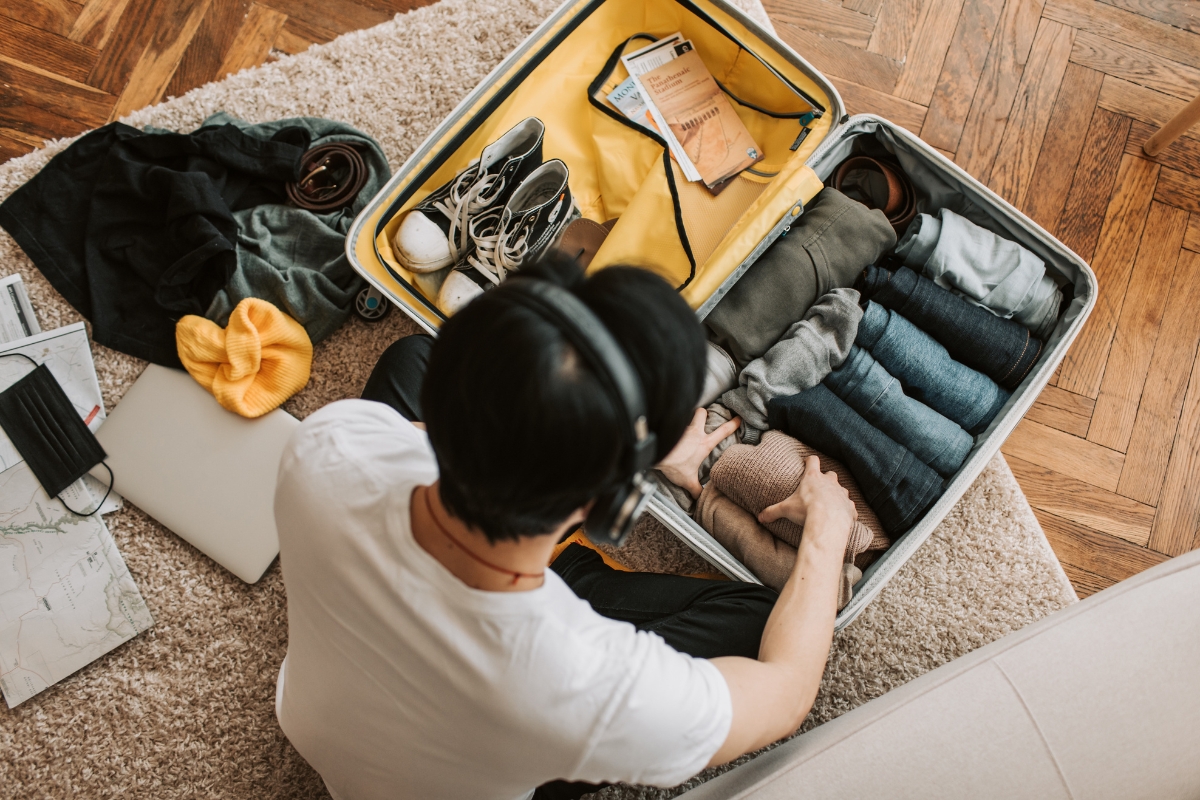
Choose durable and lightweight luggage that can withstand the rigors of travel. Select clothing that can be mixed and matched, and consider the climates you’ll be encountering.
Don’t forget important items such as travel documents, medications, and a first aid kit. Bring only the necessary gadgets to avoid carrying too much weight and risk of theft.
Managing Your Finances
Calculate expected expenses for accommodation, food, transportation, activities, and emergencies. Set a daily spending limit to help you stay within your budget. Also, enable alerts for your bank accounts and credit cards to monitor transactions.
Inform your bank and credit card companies of your travel dates and destinations to avoid issues with your accounts. Use credit cards that offer travel rewards, no foreign transaction fees, and travel insurance.
Utilize budgeting apps to keep track of your expenses in real-time. Save receipts to reconcile your spending later.
Staying Connected
Get a local SIM card in each country you visit for cheaper data and calling rates. Take advantage of Wi-Fi in hotels, cafes, and public spaces to stay connected without incurring high roaming charges. Share your experiences and keep in touch with loved ones through social media platforms.
Health and Safety
Ensure you’re up-to-date on all necessary vaccinations for the regions you’ll be visiting. Include basic medical supplies such as bandages, antiseptics, and any prescription medications.
Drink plenty of water and try to maintain a balanced diet to keep your energy levels up. Be mindful of your surroundings and avoid risky areas, especially at night.
Navigating Transportation
Understanding the local transport system will save you time and reduce stress. Common transportation methods include buses, trains, taxis, and ride-sharing services.
If you’re traveling across multiple countries, especially in Europe, consider investing in a rail pass. Passes offer flexible travel across various countries and can be more cost-effective than individual tickets.
In some destinations, renting a car or a scooter might be the best way to explore. Ensure you have an international driver’s permit if required, and familiarize yourself with local driving laws and conditions.
Embracing Digital Tools
Utilize travel apps to help you navigate, find attractions, and book accommodations. Language translation apps, currency converters, and local transportation apps are also invaluable tools.
Store copies of important documents, such as your passport, travel insurance, and itinerary, in a cloud service. This ensures you can access them from anywhere in case of loss or theft.
Moreover, join travel forums and social media groups for the destinations you plan to visit. These communities can offer advice, recommendations, and support from fellow travelers.
Sustainable Travel Practices
Consider ways to minimize your environmental impact while traveling. Opt for public transportation, walk, or cycle whenever possible. Choose eco-friendly accommodations that prioritize sustainability.
Support the local economy by eating at local restaurants, staying in locally-owned accommodations, and purchasing souvenirs from local artisans. This not only helps the community but also provides a more authentic travel experience.
Furthermore, carry a reusable water bottle, shopping bag, and utensils to reduce single-use plastic waste. Be mindful of your waste and recycle whenever possible.
Learning the Language
Enroll in a language course before your trip to build a basic understanding of the language. Utilize a gamified language learning app to practice daily. Engage with locals and practice speaking the language in real-life situations. Keep a phrasebook handy for quick reference to common phrases and expressions.
Cultural Etiquette and Awareness
Being aware of cultural norms and etiquette can help you show respect and avoid misunderstandings. Learn about the cultural norms, traditions, and taboos of the countries you plan to visit.
Follow local dress codes, especially in conservative regions, to show respect for local customs. Familiarize yourself with basic etiquette, such as greetings, table manners, and tipping practices. Show respect for local customs, traditions, and religious practices. Be open-minded and avoid judgment.
Embracing the Journey
Try new foods, participate in local traditions, and engage with people from different cultures. Keep a travel journal or blog to record your experiences and memories. Allow yourself time to rest and recharge, both physically and mentally.
Returning Home
Make arrangements for your return well in advance, including transportation and accommodation. Give yourself time to readjust to your home environment and routine.
Take time to reflect on your journey and how it has impacted you. Consider how you can incorporate what you’ve learned into your daily life.
Conclusion
Now, you’re prepared for long-term travel. Follow the tips above and consider all aspects of your journey to ensure an enjoyable experience. Each step is crucial to making the most of your adventure. Embrace the journey, stay safe, and enjoy every moment of your travels.


