

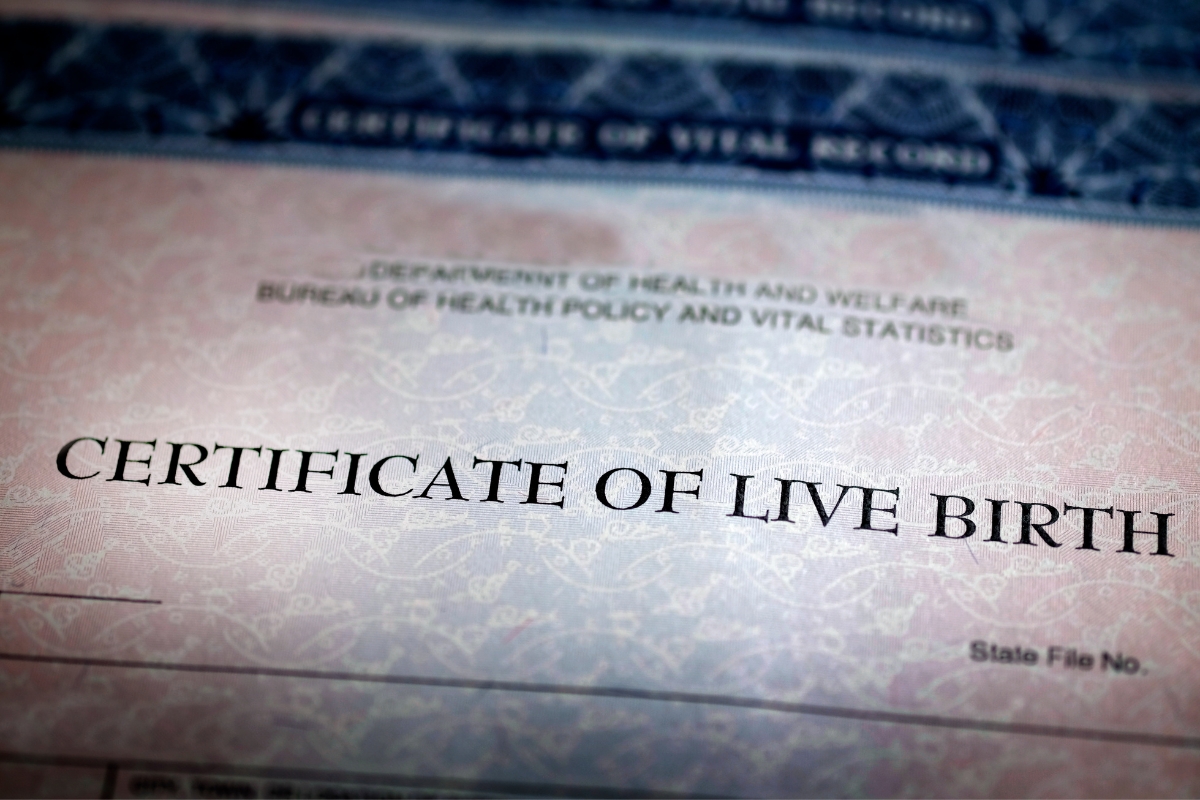
Your birth certificate is an essential document that validates your identity and citizenship.
There are numerous instances where you might need a translated version of this important paper. Whether it’s for immigration purposes, studying abroad, or simply establishing your identity in a new country, a translated birth certificate can be a fundamental requirement.
In this guide, we’ll walk you through the steps you need to take to professionally translate your birth certificate.
Why Translation Matters
A birth certificate is a legal document that holds significant value. As such, a translated version must be just as accurate and trustworthy as the original. Mistakes in translation can result in delays, legal issues, and potential denial of applications for visas, residence, or employment abroad. That’s why it’s crucial to approach this process diligently.
Finding a Qualified Translator
- Check Credentials: Ensure that the translator you choose is certified. They should have an official qualification in translation from a recognised institution. You can find out more about experienced translators and what they offer through services like Translayte.
- Compare Rates and Reviews: Don’t just settle for the first translator you find. Compare the rates of different professionals and read reviews from other clients.
The Translation Process
Step 1: Obtain a Clear Copy of Your Birth Certificate
Before anything else, ensure that you have a clear and legible copy of your birth certificate. This could either be an original document or a certified copy.
Step 2: Submit the Document for Translation
Once you’ve chosen a translator, you’ll need to submit your birth certificate to them. This may involve emailing a scanned copy, sending it via post, or delivering it in person.
Step 3: Review the Translation
After the translation is completed, thoroughly review the document. Ensure that all names, dates, and other details are accurate.
Step 4: Obtain a Certificate of Accuracy
Most authorities will require a certificate of accuracy from the translator. This is a signed document stating that the translation is complete, accurate, and true to the original.
Costs and Timeframes
A standard translation might take between 2 to 5 business days, though expedited services are often available for a higher fee.
Verifying the Translation
After receiving your translated birth certificate and the certificate of accuracy, it is advisable to have the translation reviewed by a second, independent party. This could be another certified translator or a legal professional. They can identify any potential errors or ambiguities that could cause issues later on.
Legalising the Translation
In some cases, you may need to get your translated birth certificate legalised — i.e., officially recognised by a government authority. In the UK, this process is known as getting an Apostille. The Foreign, Commonwealth & Development Office (FCDO) can issue an Apostille for your document.
Key Takeaways
1. Find a Qualified Translator: Look for a certified professional and check their credentials and reviews.
2. Review the Translation Carefully: Ensure all details are correct.
3. Legalise if Necessary: Not all countries require this, but some do, so it’s important to check.
Translating your birth certificate is a vital process that requires attention to detail and due diligence. By following this guide, you can navigate the process effectively and with confidence, ensuring that your translated document will serve its purpose wherever it is required.


