

Photo by Sung Shin on Unsplash
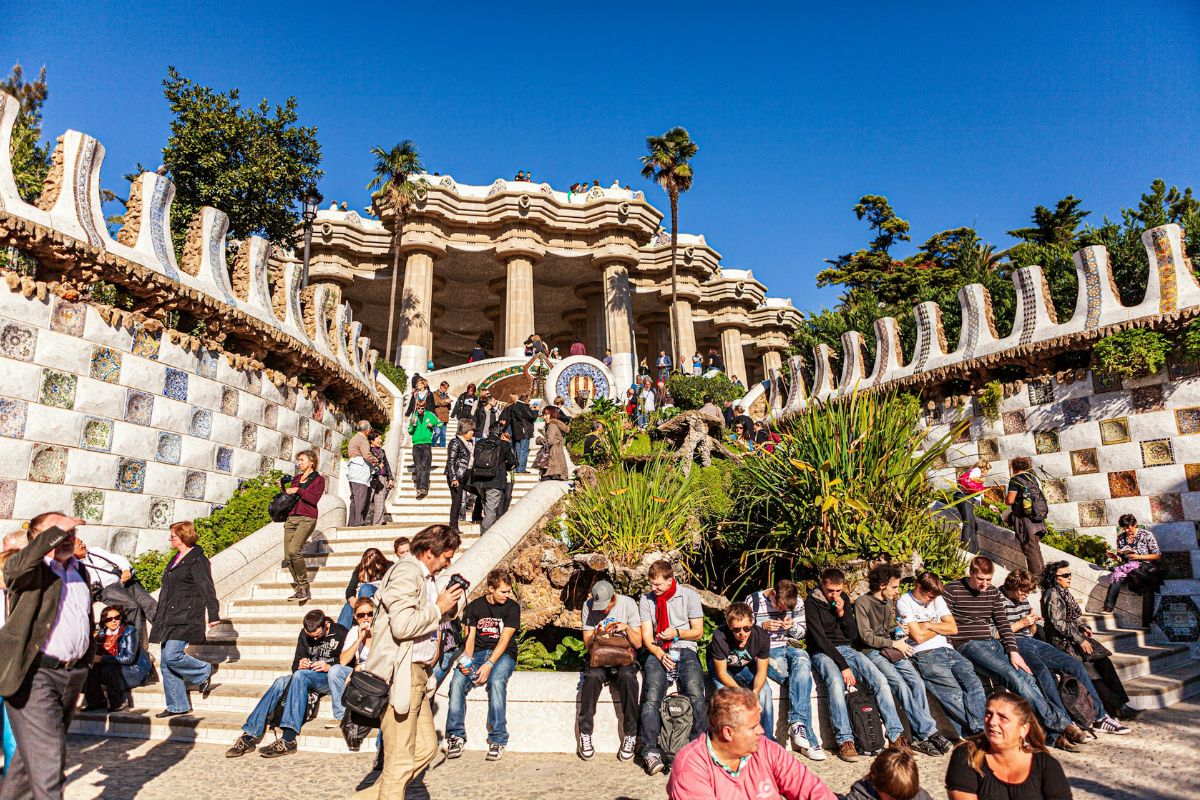
Nestled in the heart of Barcelona, Park Güell is a testament to the imaginative power of Antoni Gaudí, one of Catalonia’s most revered architects. This public park, a UNESCO World Heritage Site, blends natural landscapes with architectural elements in a way that defies conventional design, making it a must-see destination for anyone visiting Barcelona.
From its mosaic-covered sculptures and buildings to the panoramic views of the city and the sea beyond, Park Güell offers visitors a unique journey into Gaudí’s whimsical world. Completing the experience of Gaudí’s Barcelona, many visitors opt to take the Barcelona to Madrid train, seamlessly connecting two of Spain’s most vibrant cities.
The journey allows travelers to transition from the modernist marvels of Barcelona to the rich historical tapestry and bustling energy of Madrid, further enriching their exploration of Spain’s diverse cultural and architectural heritage.
A Canvas of Creativity
Conceived initially as part of a commercial housing site, Park Güell was transformed into a public park in the early 20th century. Gaudí’s vision was to create a space that harmonized with nature, and he achieved this by integrating organic shapes, vibrant colors, and naturalistic motifs into every facet of the park’s design. The main entrance is guarded by two Hansel-and-Gretel-like gatehouses, which lead to a world where fantasy and reality merge.
The famous dragon fountain, covered in brightly colored tiling, greets visitors with its splendid, whimsical appearance, setting the tone for the rest of the park. This enchanting entrance serves as an emblematic starting point for many travelers, inviting them not just to explore the architectural wonders of Barcelona, but to embark on a broader journey through Spain’s rich cultural landscapes and historical sites.
Park Güell, in this context, is not only a highlight of Barcelona but a gateway to the diverse experiences that Spain tours offer, from the cobblestone streets of old towns to the modern vibrancy of its cities.
The Serpentine Bench and the Sala Hipóstila
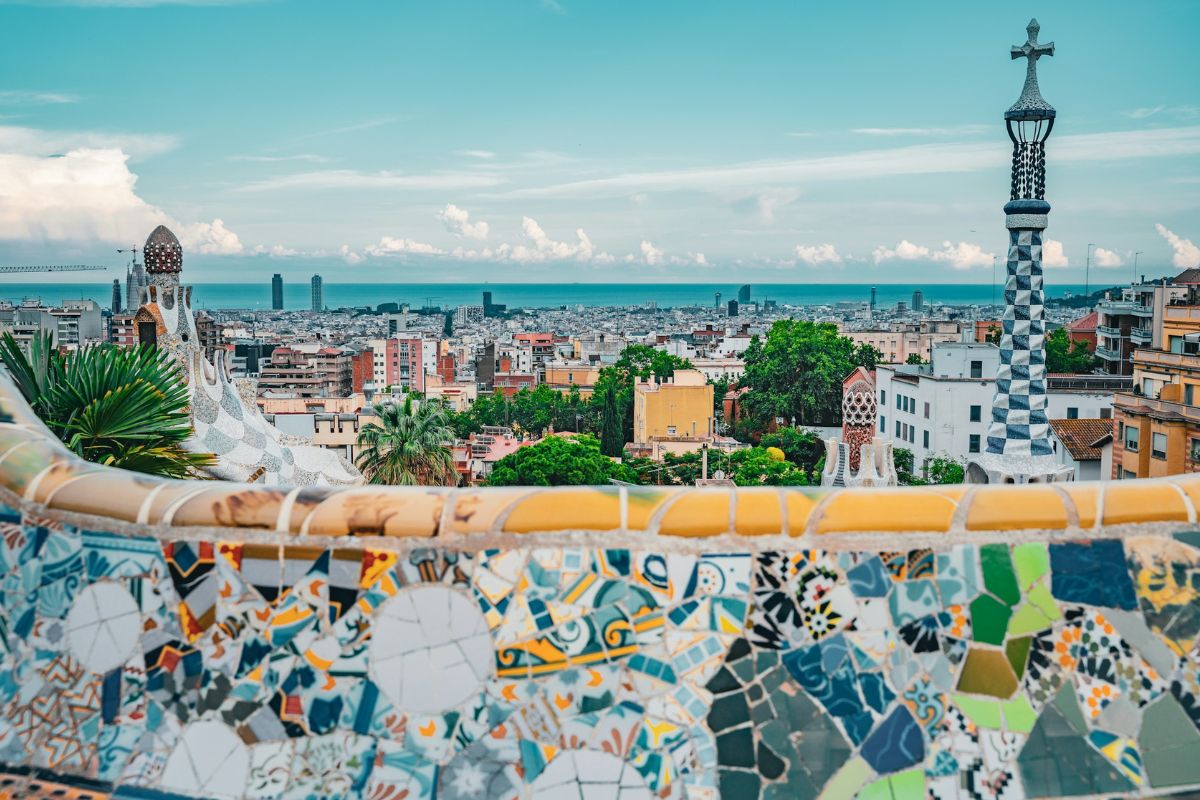
Photo by Taisia Karaseva on Unsplash
One of Park Güell’s most iconic features is the serpentine bench that snakes along the edge of the main terrace. This bench, covered in a kaleidoscope of ceramic tiles, offers not just a place to rest but also an incredible viewpoint from which to admire the city. Beneath the terrace lies the Sala Hipóstila, or the Doric Temple, a forest of 86 striated columns that once was intended to be the market for the estate. This space showcases Gaudí’s innovative use of architectural techniques, particularly his work with trencadís (a type of mosaic created from broken tile shards), which is evident throughout the park.
The Gardens and Pathways
Beyond the architectural marvels, Park Güell is a lush retreat filled with winding paths, viaducts, and gardens that invite exploration. Gaudí’s respect for the natural topography is evident in the way the park’s pathways navigate the landscape, offering surprises at every turn. Mediterranean species such as pines, carobs, and olive trees provide shade and a sense of serenity, while the meticulously designed garden areas showcase a variety of plants and flowers, adding to the park’s vibrant palette.
Gaudí’s House Museum
Within the park’s boundaries is the Gaudí House Museum, where the architect once lived. The museum offers a glimpse into Gaudí’s life and work, housing furniture and objects he designed. This intimate space provides a deeper understanding of the man behind Barcelona’s most iconic landmarks, including the Sagrada Família, Casa Batlló, and Casa Milà.
A UNESCO World Heritage Site
Park Güell’s contribution to the cultural and architectural heritage of Barcelona was recognized when it was declared a UNESCO World Heritage Site. This designation underscores the park’s significance as a symbol of modernist architecture and its enduring appeal as a space where art, architecture, and nature coalesce in a dazzling display of creativity.
Visiting Park Güell
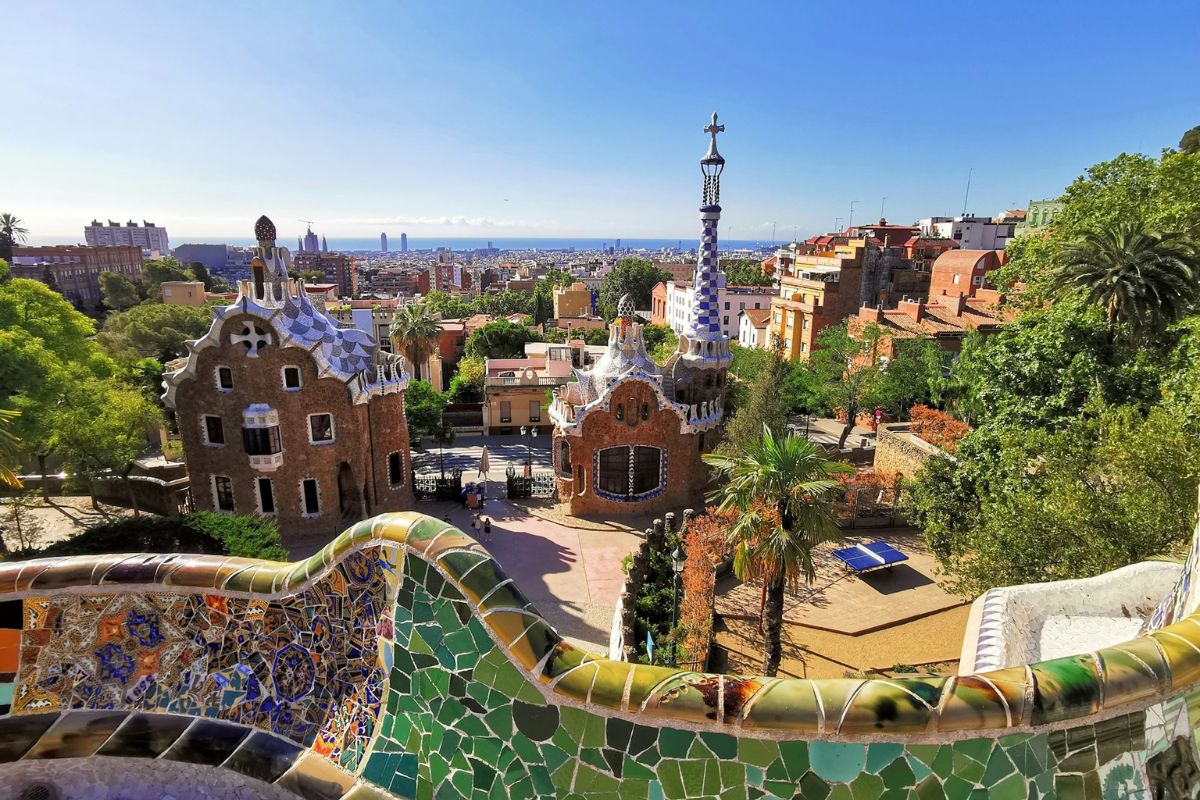
Photo by Dorian D1 on Unsplash
Visitors to Park Güell should allocate ample time to fully experience the breadth of its beauty. Early morning or late afternoon visits are recommended to avoid the crowds and to enjoy the park in softer light. The park is accessible via Barcelona’s public transport, with various options available to reach its entrance. While parts of the park are free to enter, access to the Monumental Zone, where many of Gaudí’s creations are located, requires a ticket.
The Serpentine Bench and the Sala Hipóstila
One of Park Güell’s standout attractions is the serpentine bench that gracefully contours around the park’s main terrace, offering a communal space that is as functional as it is artistic. Adorned with a riot of colors from the trencadís mosaics, the bench not only provides a panoramic view of Barcelona but also serves as a symbol of social unity and the blending of art with nature. Below this terrace lies the Sala Hipóstila, or the Doric Temple, an awe-inspiring forest of columns that was initially designed to support a market space. This area exemplifies Gaudí’s masterful use of space and light, with the columns creating a rhythmic pattern that echoes the natural forms found throughout the park, further cementing his legacy as a pioneer of organic architecture.
A Journey Through Nature and Imagination
Beyond the architectural marvels, Park Güell is enveloped in lush greenery, offering a multitude of paths that wind through the garden city. Each pathway leads to a new discovery, from sculpted stone structures that blend seamlessly into the landscape, to viaducts that showcase Gaudí’s innovative solutions to the park’s challenging topography. The park’s flora is a testament to Gaudí’s intention to create a space where nature and architecture coexist in harmony, with native Mediterranean plants interspersed with exotic species, creating a vibrant tapestry of textures and colors. This fusion of creativity and natural beauty makes Park Güell not just a testament to one man’s vision but a sanctuary for all who seek inspiration in the boundless realms of nature and imagination.
Conclusion: A Journey into Imagination
Park Güell stands as a monument to the imagination, a place where the mundane is transformed into the extraordinary through the vision of Antoni Gaudí. It is a celebration of creativity, a sanctuary where nature and architecture achieve a perfect harmony. For visitors to Barcelona, a journey through Park Güell is not just a walk in a park but an exploration of an artistic legacy that continues to inspire and awe. In the colorful world of Park Güell, every corner holds a story, every mosaic tile a piece of a larger tapestry, inviting all who enter to wander, to wonder, and to witness the boundless possibilities of human creativity.


