

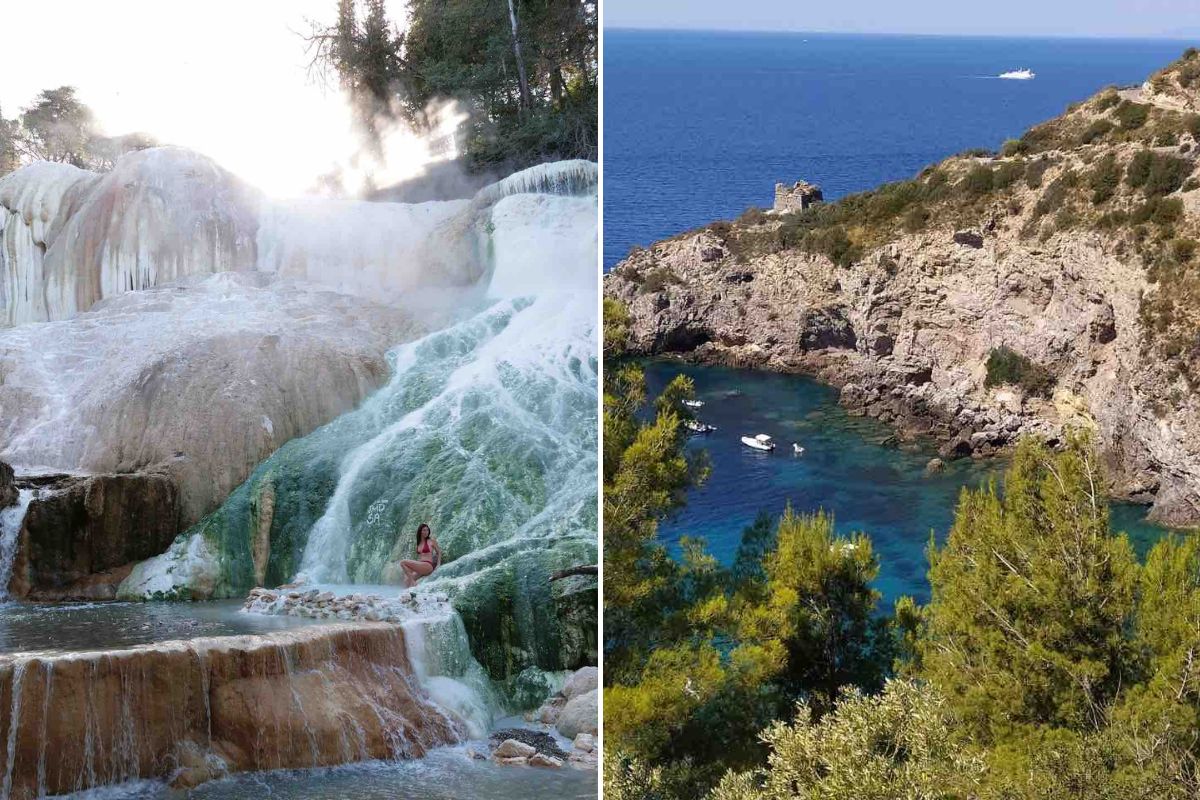
Tuscany is undoubtedly one of the most famous regions in Italy, renowned for its breathtaking landscapes, rich history, and world-famous art and architecture.
However, beyond visiting famous places like Pisa and Florence, there are many off-the-beaten-path things to do that only locals know.
The lesser-known places to visit in Tuscany offer a chance to explore the region alternatively, avoiding crowds and experiencing authentic local life.
In this post, I’ve gathered 20 hidden gems in Tuscany that are well worth attention. These include towns, villages, natural places, open-air museums, and islands, offering something for every type of traveler.
20 Hidden Gems in Tuscany
1. Tarot Garden
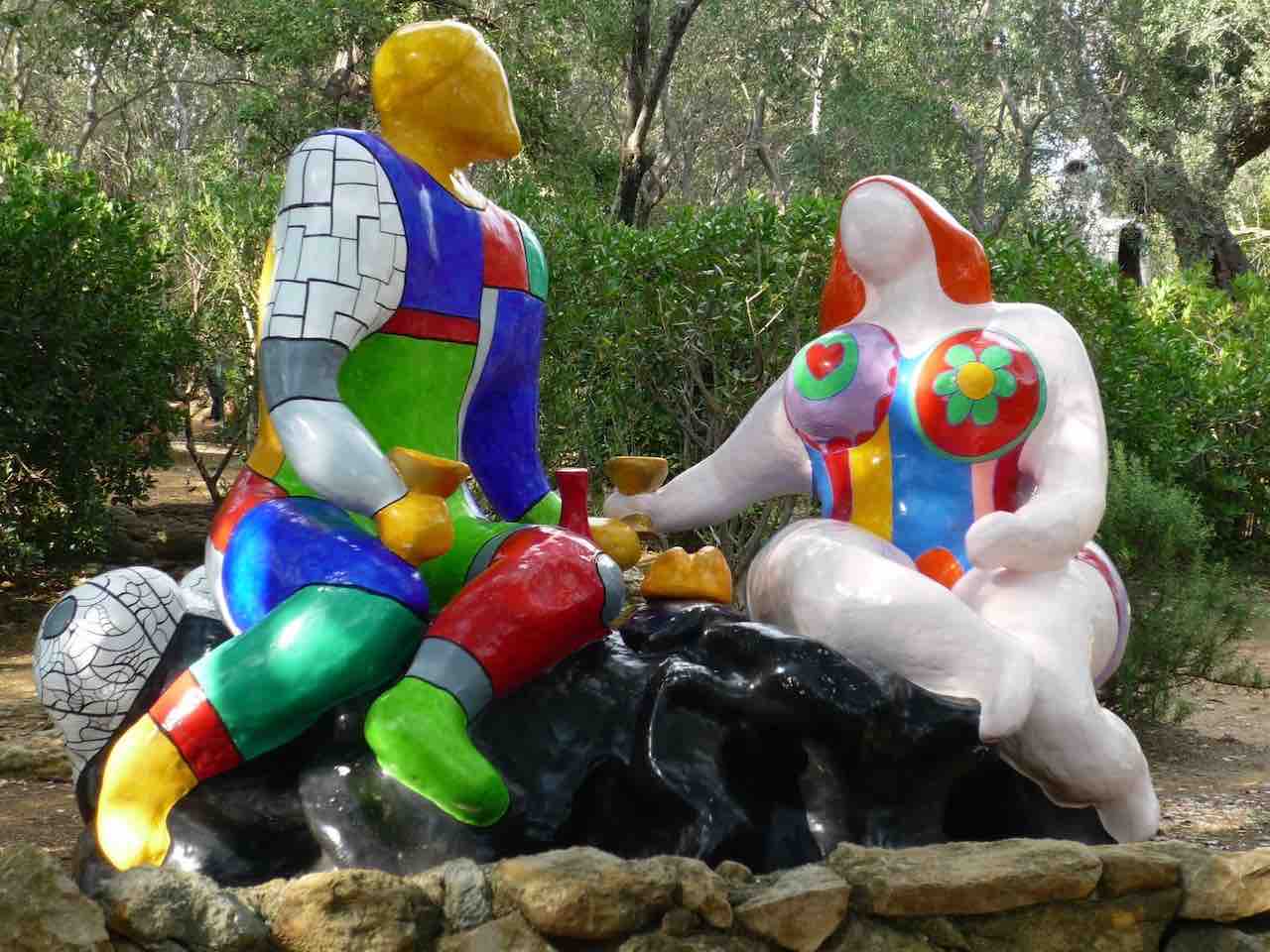
Just a little further north of the border with Lazio and a few kilometers away from some of the popular beaches of the Maremma Toscana stands the Tarot Garden. This is an open-air museum, a sculpture park that deserves a spot among the most fascinating gardens in Italy.
The Tarot Garden develops on a hillside rich in lush Mediterranean vegetation, inhabited by the amazing sculpture of Nikki de Saint Phalle.
Nikki De Saint Phalle is a French-American female contemporary artist, now deceased.
Saint Phalle, together with an international team of artists and craftsmen, dedicated the years from 1979 to 2002 to the creation of her lifelong artistic dream.
The Tarot Garden features 22 monumental sculptures representing the major arcana of the tarots. The artistic style is innovative. Sculptures feature the use of metal, colorful ceramics, and bright paints, the lines are rounded to express blatant and powerful femininity.
Some sculptures are actual structures with inner chambers filled with mirrors, curious details, and painted phrases.
Given the park’s nature and location on the Lazio border, visiting it is one of the best things to do near Rome with children.
The Tarot Garden is open from April 1 to October 15, every day from 2:30 pm to 7:30 pm.
Tickets for adults cost €14 and for children €9.
I recommend you visit the official website before you plan your visit.
2. The village of Sovana

Strolling around the tiny village of Sovana, with just 122 inhabitants, is a relaxing and regenerating way to experience Tuscany off the beaten path.
The village consists of only a couple of narrow streets and a piazza. However, it is home to ancient monuments of medieval origin that are very well-preserved and charming, including:
- The ruins of the Aldobrandesca Fortress at the entry of the village
- Piazza del Pretorio with its original medieval paving
- Church of Santa Maria with its pre-Romanesque ciborium and 15th-century frescoes
- the 12th-century Palace of the Archives
- the Cathedral of Sovana, one of the most stunning churches in Romanesque-Gothic style in Italy. Its marble entrance portal is carved with fascinating bas-reliefs.
These are just some of the ancient buildings in the village of Sovana. Moreover, Sovana is surrounded by the Archaeological Park “Città del Tufo,” which can also be accessed with an easy walk from the village.
3. Archaeological Park “Città del Tufo”
The park features a nature reserve created to protect an area in southern Tuscany of archaeological evidence excavated and carved in the tufa stone.
Tufa is a rather malleable rock that characterizes Tuscany, northern Lazio, and some parts of Umbria.
All these regions constitute the area of influence of the Etruscan civilization, which preceded the Roman one and from which the Romans inherited hydraulic engineering, cults, and architecture.
The archaeological park stretches around the towns of:
- Sovana
- Pitigliano
- Sorano
- San Quirico
Immersed in the thick vegetation inhabiting the gorges carved by rivers, hundreds of ruins- tombs, rock dwellings, hermitages, and churches- are dug into the stone.
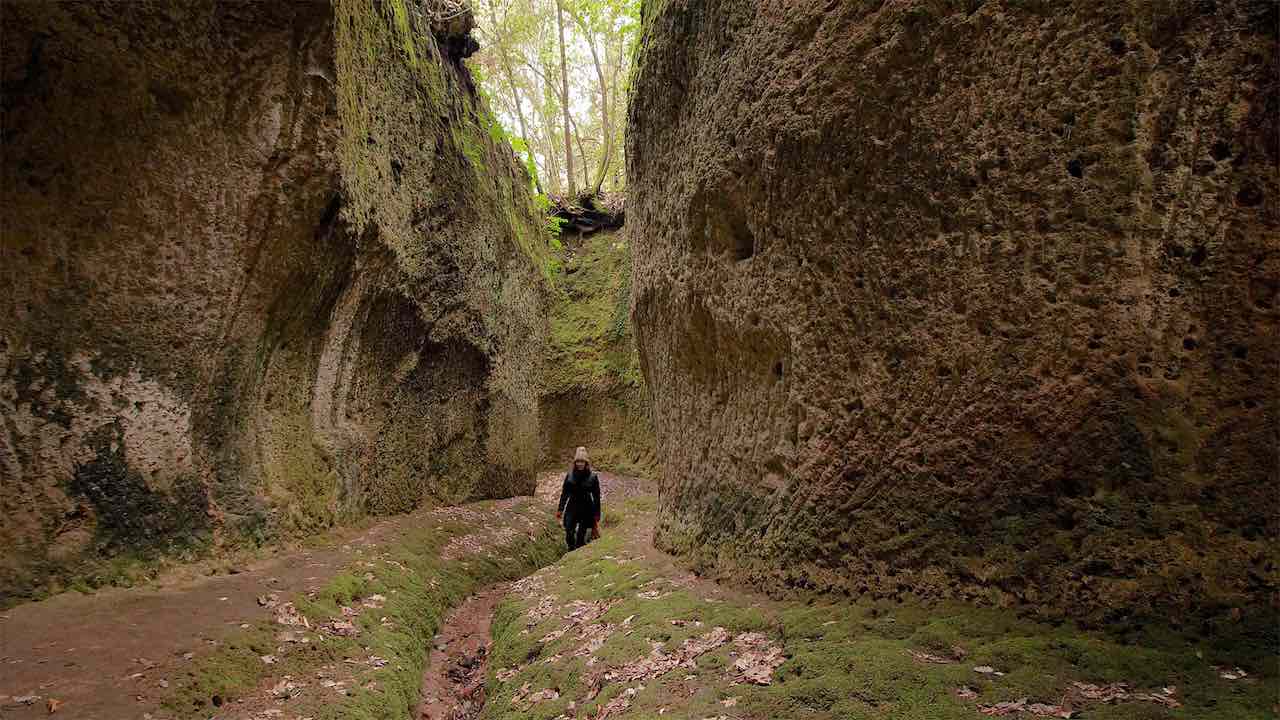
The most striking element of the landscape is the so-called Hollow Roads (Vie Cave in Italian). These paths dug into the tufa stone walls by the Etruscans can reach impressive dimensions (the Via Cava di Sebastiano is 30 meters high).
All these wonders can be visited with walks in nature that are among the most interesting hiking trails in Central Italy. Routes depart from the historic centers of Sovana, Sorano, and Pitigliano and are mostly free.
If you love walking, don’t miss a visit to the sites of the Tomb of the Siren and Tomb of Ildebranda, obviously carved in rock.
4. The town of Manciano
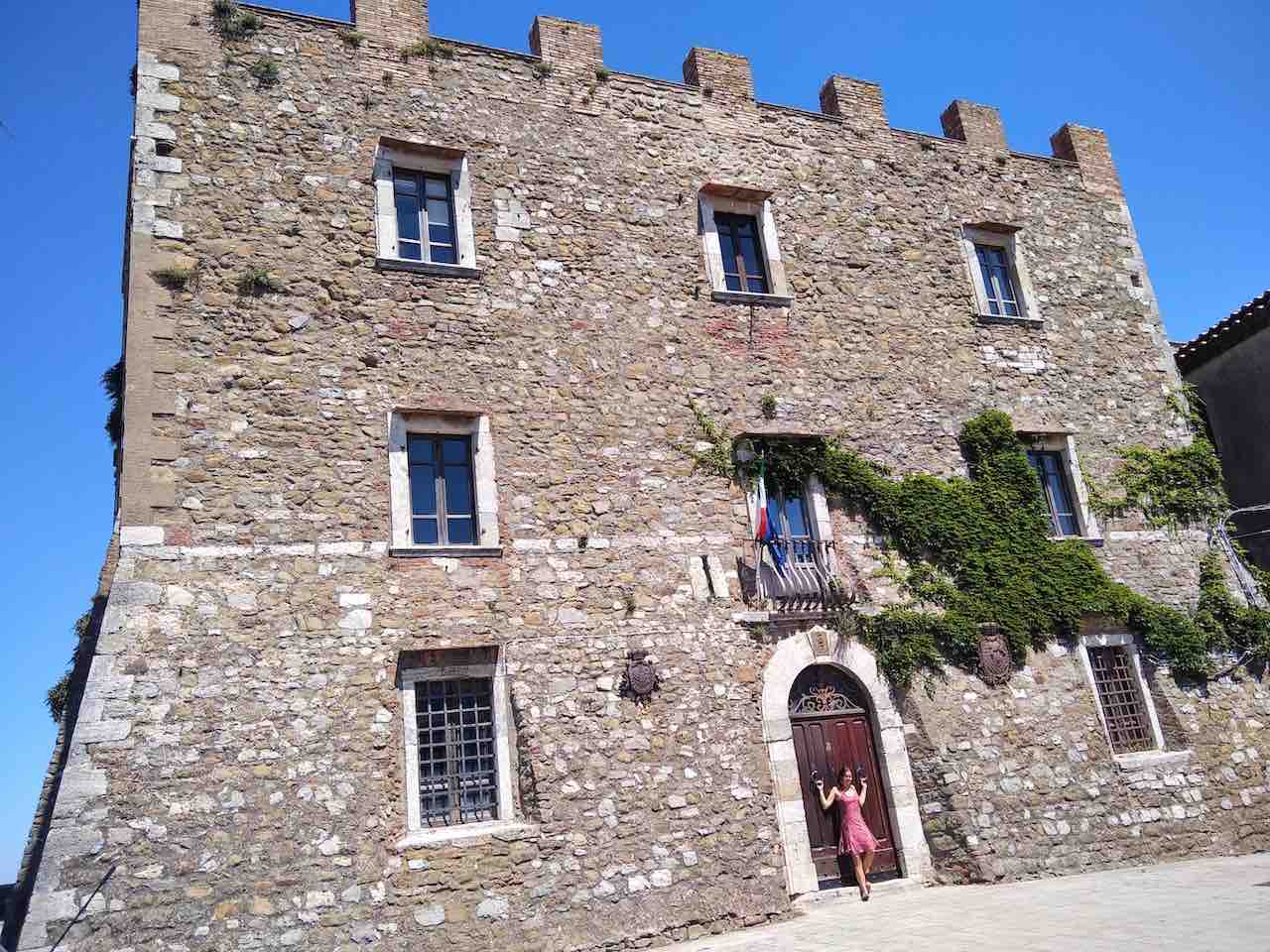
Manciano is another little-known village in Tuscany that is truly worth visiting. It is located on top of a hill that offers stunning views encompassing the Tyrrhenian coast, the islands of the Tuscan Archipelago, the Maremma countryside, and the Apennine Mountains.
The “Cassero,” a defensive castle with a tower from the 12th century, sits on the village’s highest point. The oldest part of the town developed around it.
Walking through the village’s alleys, you can see plaques on the houses’ walls that tell the buildings’ history.
The Museum of Prehistory, accessible from the walls of Cassero, collects artifacts found along the course of the river Fiora, the most important river in Southern Tuscany.
During your tour in Manciano, you can visit several landmarks, including:
- the Clock Tower and Fountain in Piazza Garibaldi
- the Church of San Leonardo
- the Church of Santissima Annunziata
- the Church of San Martino sul Fiora
If you’re looking for a place to have breakfast, coffee, or dinner, stop by the “Covo dei Briganti” in Via dell’Imposto St, 1.
This café serves local dishes at inexpensive prices, such as “pici al ragù” and platters of cheese and cold cuts, accompanied by one of the many Tuscan wines on display in their wine room.
5. La Feniglia Beach
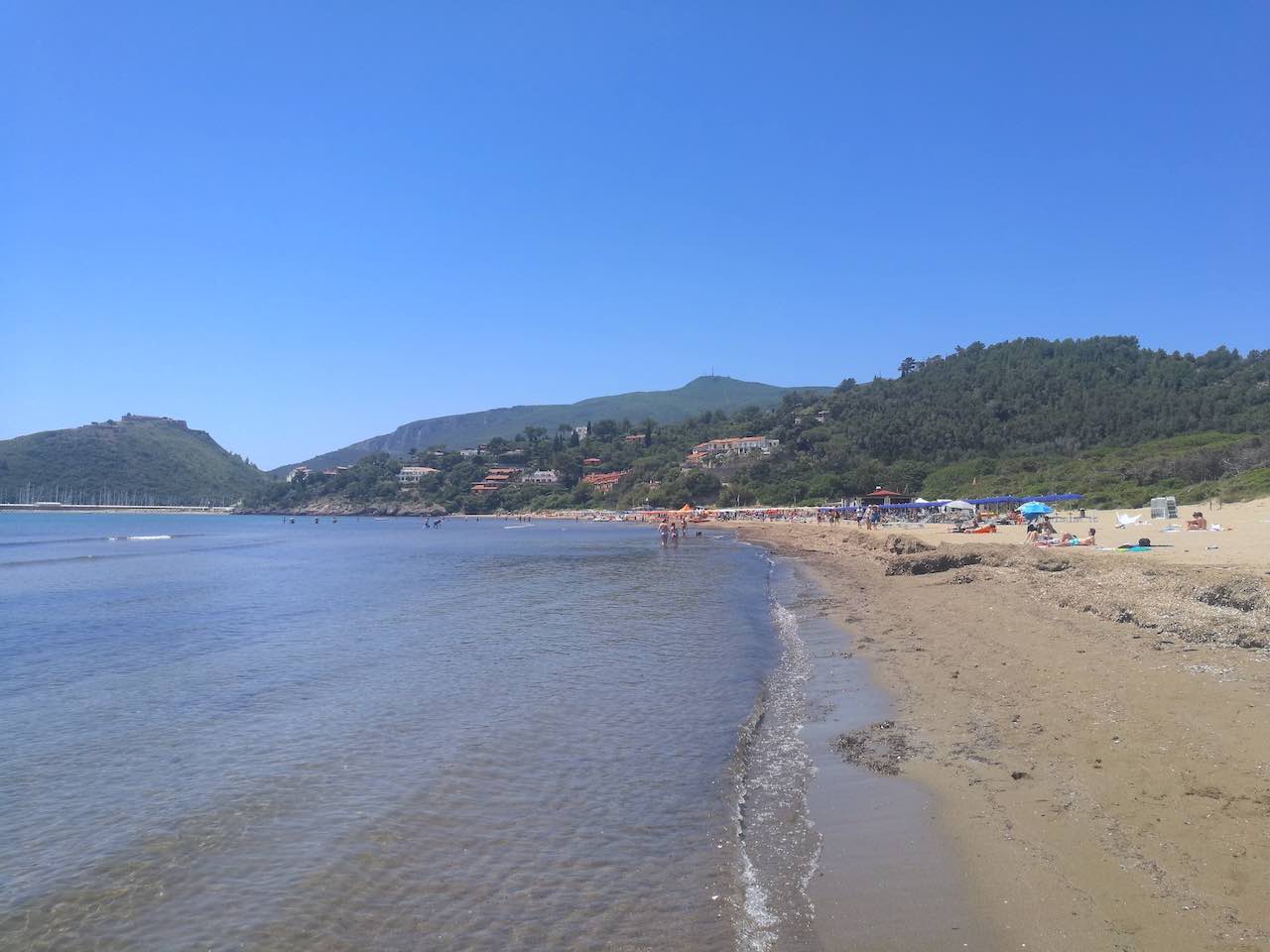
La Feniglia Beach is a 7 km long sand strip connecting the Argentario peninsula to mainland Tuscany.
Historically famous for being where Baroque artist Caravaggio escaped the lae, La Feniglia is today a favorite beach for families traveling with children
Its uniqueness stands not only in its size but also in its protection from cold winds along its entire length by the pinewoods of the Natural Reserve “Duna Feniglia,” where it is easy to spot deer.
There are some restaurants and bars at one end of the beach, near the Camping La Feniglia, but the beach is basically all public. It is easy to find a place to stay in peace even during peak season (June to September.)
The seawater is shallow for a long stretch, making the beach suitable for little kids or people who don’t know how to swim.
You can reach La Feniglia by bus from the nearby town of Orbetello and also by bicycle along the coastal cycle path.
6. Porto Ercole
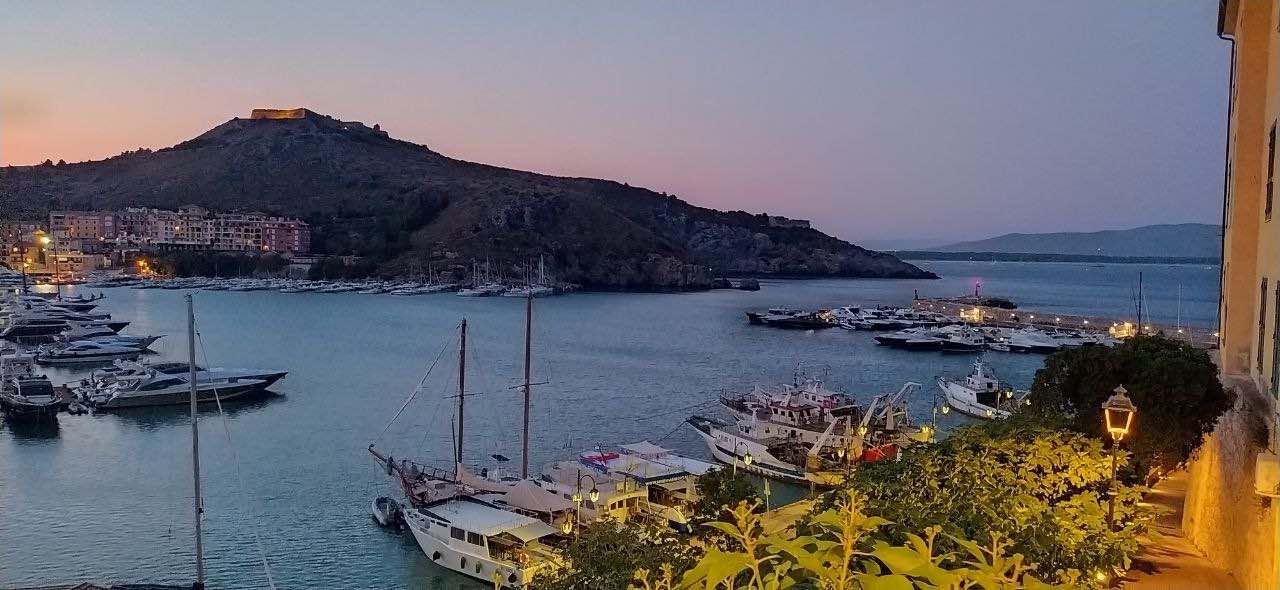
Imagine a quiet bay with a harbor and a few stores overlooking the pier square. Then you look up and there is a hill overlooking the bay, with medieval buildings and all the little houses perched on it. There’s Porto Ercole, which you’ll find a few kilometers away from the Feniglia Beach I mentioned.
You’re still in the Argentario region, one of Tuscany’s best-kept secrets.
Porto Ercole is an ancient fishing village. The oldest part of Porto Ercole is located atop a hill, from which you can explore further, hiking to the three Spanish fortresses from the 16th century.
The oldest part of the town is a tranquil place that you can only visit on foot. The narrow alleys often open onto small terraces from which you can enjoy a wildly romantic view of the bay at sunset.
Get a gelato from the artisanal gelato shop “Dolce Gelato” and then relax on the benches facing the bay and the boats-that’s how the locals spend their summer evenings.
7. Cala Gesso Beach
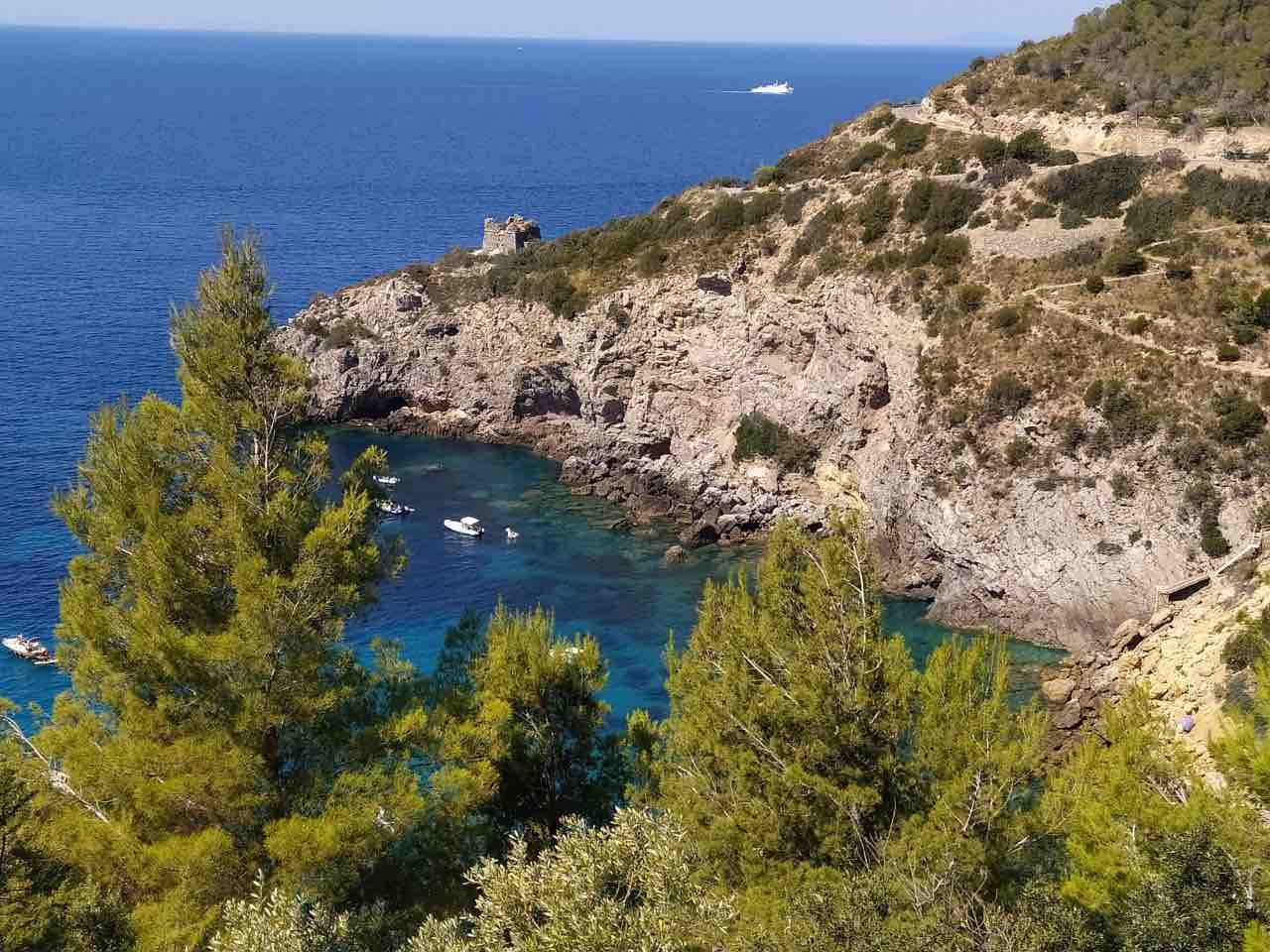
This part of Tuscany is not just for families and those seeking tranquility. In fact, when I think of Argentario, the desire for adventure awakens in me.
In fact, the coast of this particular Tuscan peninsula is home to many small beaches, washed by crystal clear sea, that can be reached only by hiking down for about 20 minutes.
Cala Gesso Beach is located in the western part of the Argentario Peninsula and is one of the most beautiful beaches of its promontory.
The bay features crystal clear water, perfect for snorkeling enthusiasts, and a public beach with small pebbles. You have to walk down a trail of about 1 km to reach it. Remember to wear confortable shoes.
Remember also that climbing back to reach your car at the end of the day will be more demanding.
Since there are no bathrooms or stores on the spot, you must bring everything you need, including plenty of water, a beach umbrella, food, clothes to protect you from the sun if you have fair skin, fins, and a mask.
How to get to Cala Gesso Beach
To reach the beach by car, drive along the Via Panoramica until km 5.9, where you will take Via dei Pionieri. Leave your car along the road (parking is limited; try to arrive early in the morning or visit the beach on weekdays). Then, continue on foot, following the scarce signs to Cala del Gesso. The descent is very scenic, and you will surely stop to take pictures.
8. Village of Sant’Ilario in Campo – Elba Island
The flagship of the Tuscan Archipelago National Park is the island of Elba, famous in history for being the site of Napoleon Bonaparte’s exile.
Elba is one of the most beautiful small islands in Italy. Covered with forests, it is home to more than 100 beaches washed by turquoise or blue sea: sand or pebble beaches, all different and for all tastes.
This characteristic makes the island one of the most popular places for local tourism in the summer months.
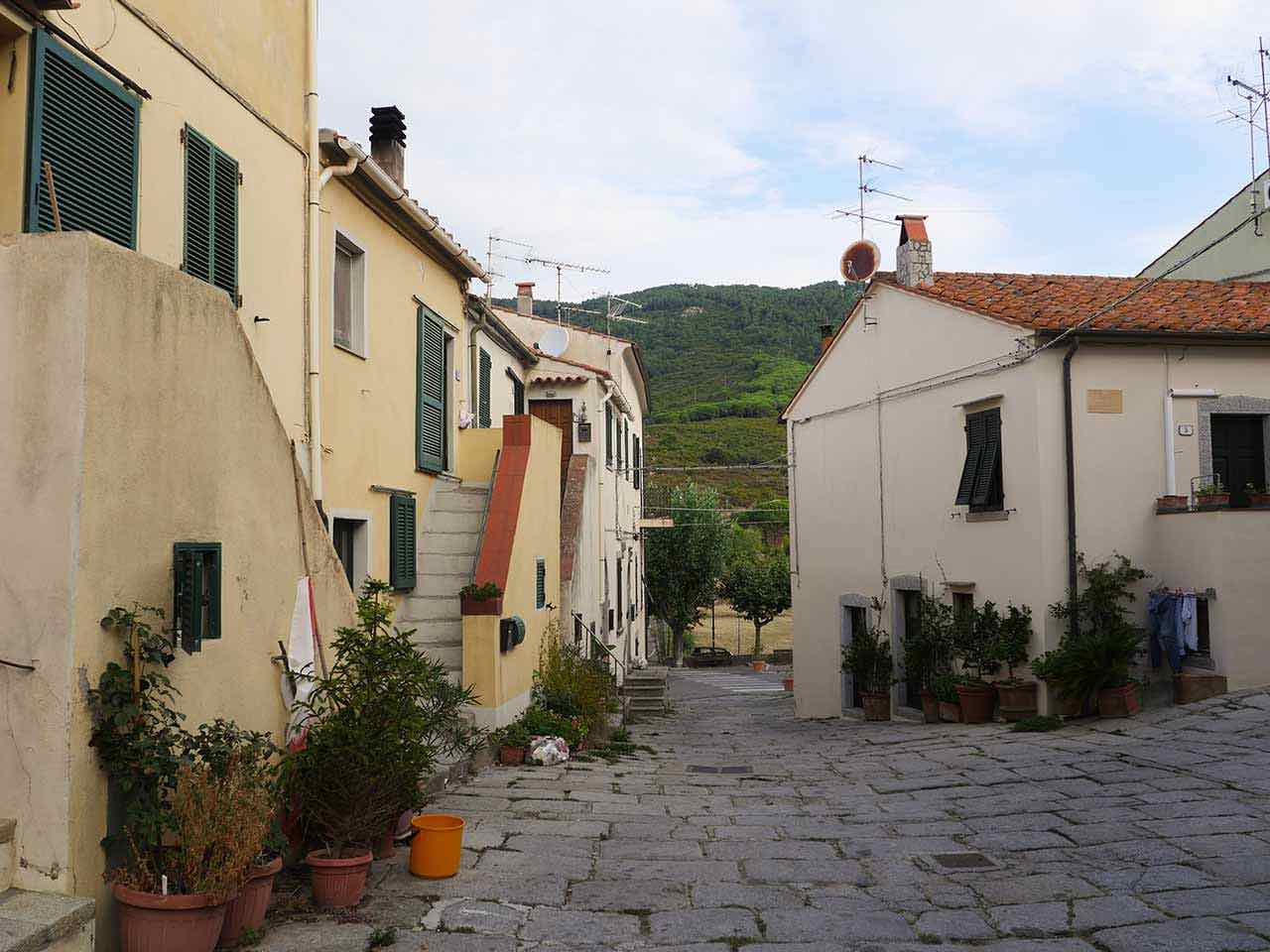
Yet, even in high season, at least one place on Elba Island is always off the beaten track: the village of Sant’Ilario in Campo. This is the ideal place to rent a house and experience the Island of Elba away from the crowds.
The small and charming village of white houses full of flowers and plants also features a restaurant-pizzeria. From Sant’Ilario, there is access to a mountain road from which you can reach the top of Mount Perone and enjoy a panoramic view of the whole island.
From Sant’Ilario, the nearest beach is the beautiful Marina di Campo, which can be reached in 25 minutes by car. The village is the most secluded and quiet location from which to explore the most attended places on the Island of Elba.
9. Sant’Andrea in Percussina
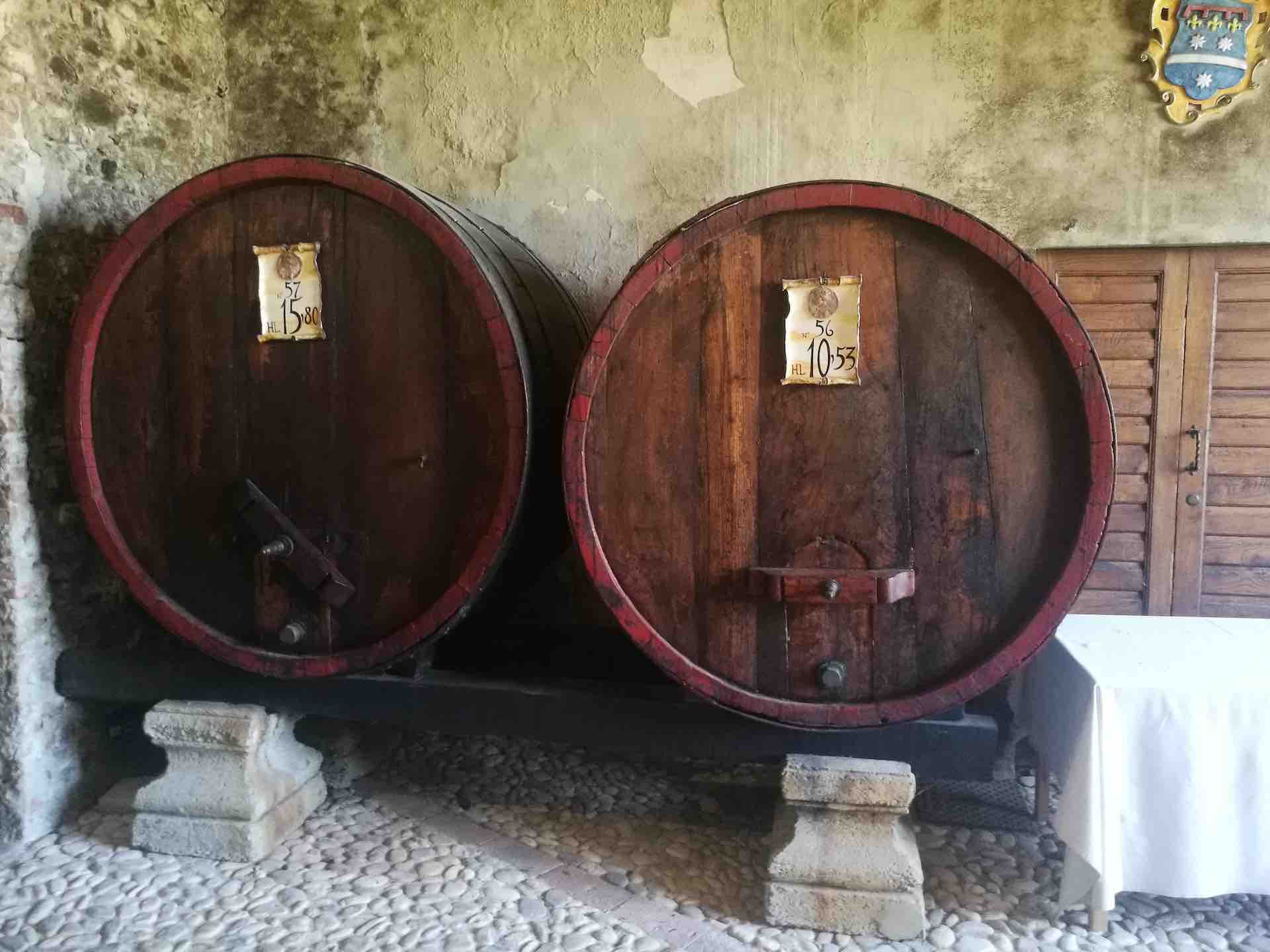
Among the vineyards and olive groves of the Chianti hills, famous worldwide for wine production, there is a village of about 40 inhabitants that is one of the most extraordinary places in all of Tuscany.
Sant’ Andrea in Percussina is a fraction of the town of “San Casciano in Val di Pesa.” You should visit this hidden gem of Tuscany more than any other town near Florence because one of the greatest exponents of world political thought, Niccolò Machiavelli, lived here.
In here, you’ll find the Villa Machiavelli, owned by the Machiavelli family, where Machiavelli retired after leaving the political life of Florence and wrote his masterpiece The Prince.
Attached to the villa, featuring thick ancient walls, is the Osteria dell’Albergaccio, where the writer and politician used to spend his evenings. The ancient farm still produces wines and offers a restaurant service with Renaissance-style dishes.
By paying a €10 ticket, it is possible to visit the villa and the cellars, which feature the original furniture and the enormous centuries-old barrels. The guide, from room to room, will tell you how Machiavelli spent his days and also share some curious details, such as the dishes he most often ordered in the kitchen.
Outside the villa is an Italian garden from which you can see Florence, and all around it is a silent and beautiful Italian countryside. Such a great place to experience the Chianti region off the beaten path!
10. Tavarnelle in Val di Pesa

Let’s stay in Chianti, the countryside south of Florence. The town of Tavarnelle in Val di Pesa is called so because it rises in the valley where the Pesa torrent flows.
The village is far off the radar of local and foreign travelers.
Tavarnelle is located about 40 km south of Florence and is an excellent base for exploring the Chianti area with its vineyards and postcard-perfect scenery. A quiet village on a hill, where you can move in even for a few months and mingle with the locals or as a base to visit nearby Florence.
In Tavarnelle, there are no clubs. The social life is about restaurants and cafes and develops around Piazza Matteotti and Via Roma.
If you’re traveling on a budget, consider staying at the Ostello del Chianti. A former convent, it was converted into a hostel thanks to public funds, and offers dorm beds and a breakfast buffet for about €20 per person.
This small, quiet town is the perfect off-the-beaten-path village to add to your itinerary in Florence and Tuscany.
11. Bagni San Filippo hot spring
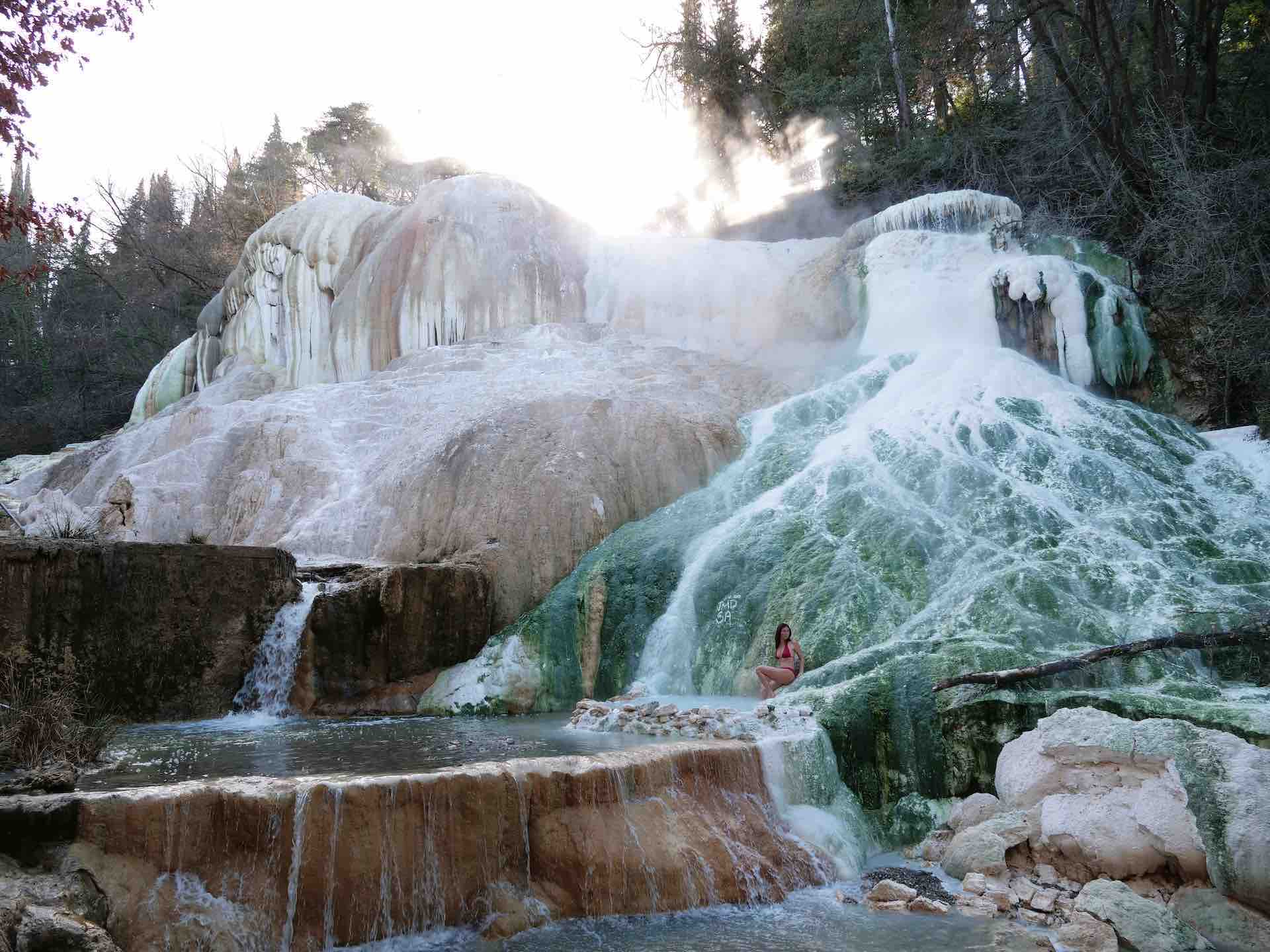
Nature lovers will have heard of the Saturnia thermal pools in southern Tuscany, which are now among the most famous natural places in Italy.
Yet those are not the only natural thermal pools in Tuscany. There are at least two other places you should visit if you are fond of thermal baths.
The first is located near the village Bagni San Filippo, a few kilometers from Monte Amiata.
Within a forest, a thermal stream has carved and shaped the stone ground creating a surreal landscape. The most scenic rock is one that looks like the half-open mouth of a whale, in fact this luogho is also known as the White Whale.
Walking through the forest, you will find natural pools where you can bathe, ranging in temperature from 30° to 40°.
Bring with you the necessities to change and dry off. If you rent an apartment in Bagni San Filippo (there are several options), you will want to leave the house directly in your bathrobe to visit the pools.
12. Cala Violina Beach

Cala Violina Beach is located in the Natural Reserve of Bandite di Scarlino, along the Tuscan coast halfway between Follonica and Punta Ala.
Here is one of the most beautiful beaches in central Italy, famous for being a ” musical beach.” When the beach is empty and the sea calm, walking on the sand, you will hear a special sound, reminiscent of a violin.
During the summer season access to Cala Violina is limited, you can book a few days in advance on the official website.
To reach the beach from the parking lot you have to walk about 1.5 km on a partly shaded path. Next to the beach there is a refreshment stand where you can find coffee, water and sandwiches.
13. Certaldo
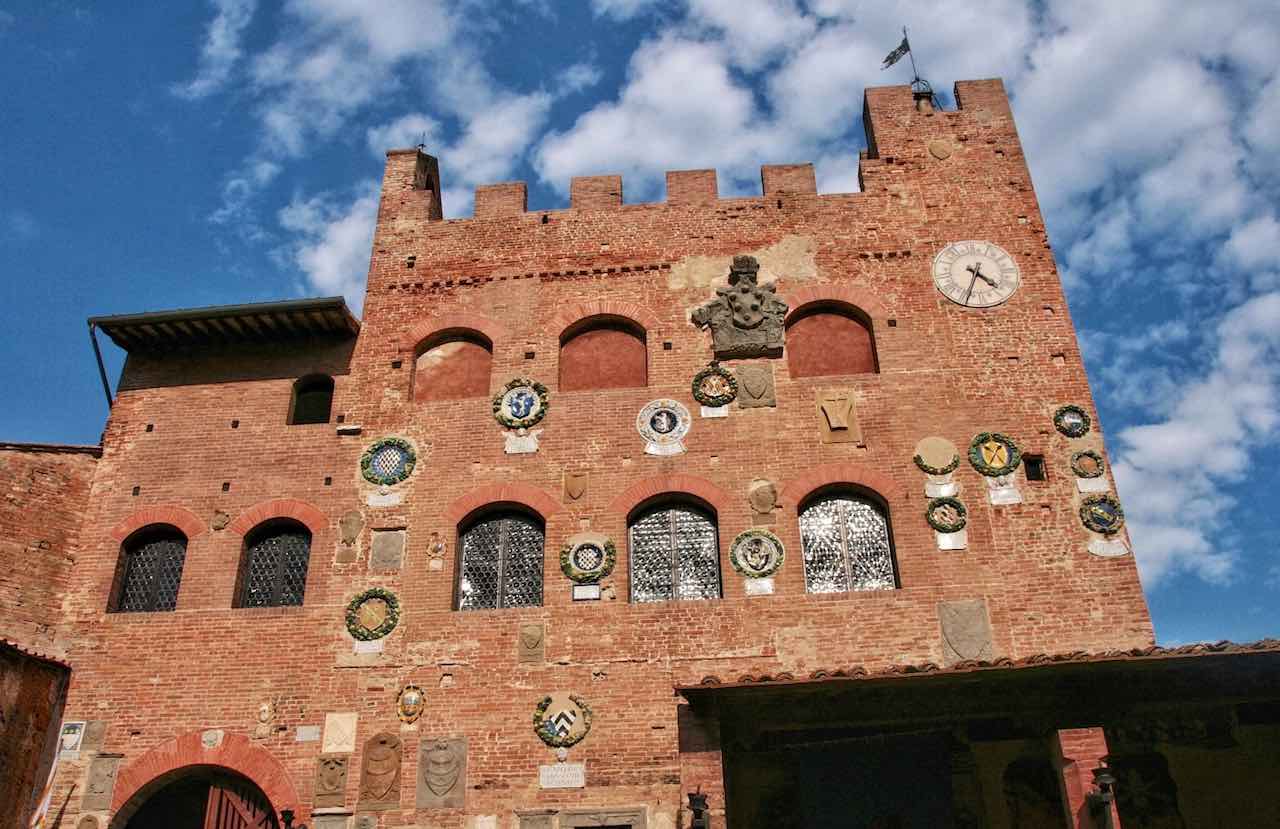
The ancient town of Certaldo is located halfway between Siena and Florence, just north of the better-known San Gimignano.
Among the reasons to visit Certaldo are its perfectly preserved medieval architecture and views of the countryside, among the most beautiful in Tuscany.
Certaldo has two parts: Certaldo Bassa and Certaldo Alta.
The historic center, Certaldo Alta, sits atop a hill that you can reach on foot or by taking the cable car. I reached it on foot, a walk of about 25 minutes that prepared me well for lunch.
To visit Certaldo is to dive back in time. Visitors are few, especially on weekdays.
The medieval village is surrounded by walls with three gateways.
The historical landmarks to visit are all within a short walk:
- the Praetorian Palace
- the Museum of Sacred Art
- the Nail Museum, which contains nails and tools from every era
- the House of Boccaccio, the 14th-century Italian author who lived and died here.
The walk will be even more enjoyable if it includes lunch on the panoramic terrace of the Antica Fonte restaurant.
14. Pistoia – a beautiful city near Pisa
Tuscany has not only well-kept country villages, but also extraordinary cities rich in art and ancient architecture. Florence and Pisa are familiar to everyone, but there are other little-known cities that will deafen you with their beauty and livability.
Pistoia is located slightly north of Pisa and is an excellent base off the beaten path for exploring both Pisa and Florence. But Pistoia itself deserves attention.
You can visit the historic center of Pistoia on foot in a couple of hours and it is packed with things to see (so add time for sightseeing to the two hours allotted).
In the main square Piazza del Duomo alone you will find:
- The Cathedral of Pistoia
- The Baptistery
- The Town Hall
- The Church of St. Andrew, dating back to the 12th century, is a chest full of art treasures, such as the pulpit sculpted by Giovanni Pisano resting on 7 porphyry columns.
You can reach Pistoia by train from the main Italian cities.
15. San Galgano Abbey – the sword in the stone

If it intrigues you to visit architectural ruins that hold a mysterious and legendary history, again Tuscany will know how to please you just fine.
One of the legends that has always fascinated me is that of the Sword of the Rock, connected with the mythical King Arthur. I never thought I would one day discover that an Anglo-Saxon legend could have its origin in Tuscany. Yet I had to change my mind. Visiting the remains of the Church and Abbey of San Galgano was one of the most exciting travel experiences of my life.
Cistercian monks founded the abbey in the 13th century in a valley between the villages of Chiusdino and Monticiano. The Gothic-style church no longer has a ceiling.
A short walk from the abbey will take you to the Hermitage of Montesiepi, which has medieval frescoes and, in the center, a stone with a very old sword stuck in it.
The sword is said to belong to St. Galgano, who lived in the 12th Century. He stuck his sword there to proclaim his decision to abandon the life of a nobleman and become a hermit.
Visiting the “sword in the rock” is free, while you have to pay a €5 ticket to visit the church and abbey.
16. The town of Barga
Barga, located in the Garfagnana region near Lucca, is a unique Tuscan town that travelers often overlook.
What makes Barga special is its connection to Scotland. In the second half of the 19th century, many of Barga’s inhabitants emigrated to Scotland, only to return to Barga with future generations.
This has led to a fascinating mix of Scottish and Tuscan culture, with Scottish customs and peculiarities replicated in the town’s architecture and menu.
Despite its Scottish influence, Barga has a rich history that is uniquely Tuscan.
The town’s cathedral, Duomo di San Cristoforo, is a beautiful Romanesque building that dates back to the 11th century and features stunning frescoes. The cathedral is flanked by a large lawn called the Arringo, where the people used to gather to discuss.
Barga is also closely associated with the famous Italian poet Giovanni Pascoli, whose house, museum, and writings you can visit. Giovanni Pascoli defined the Serchio Valley, which Barga overlooks, as the “valley of beauty and goodness”.
Barga is also the birthplace of painter Alberto Magri and features some of his works.
17. Giglio Island
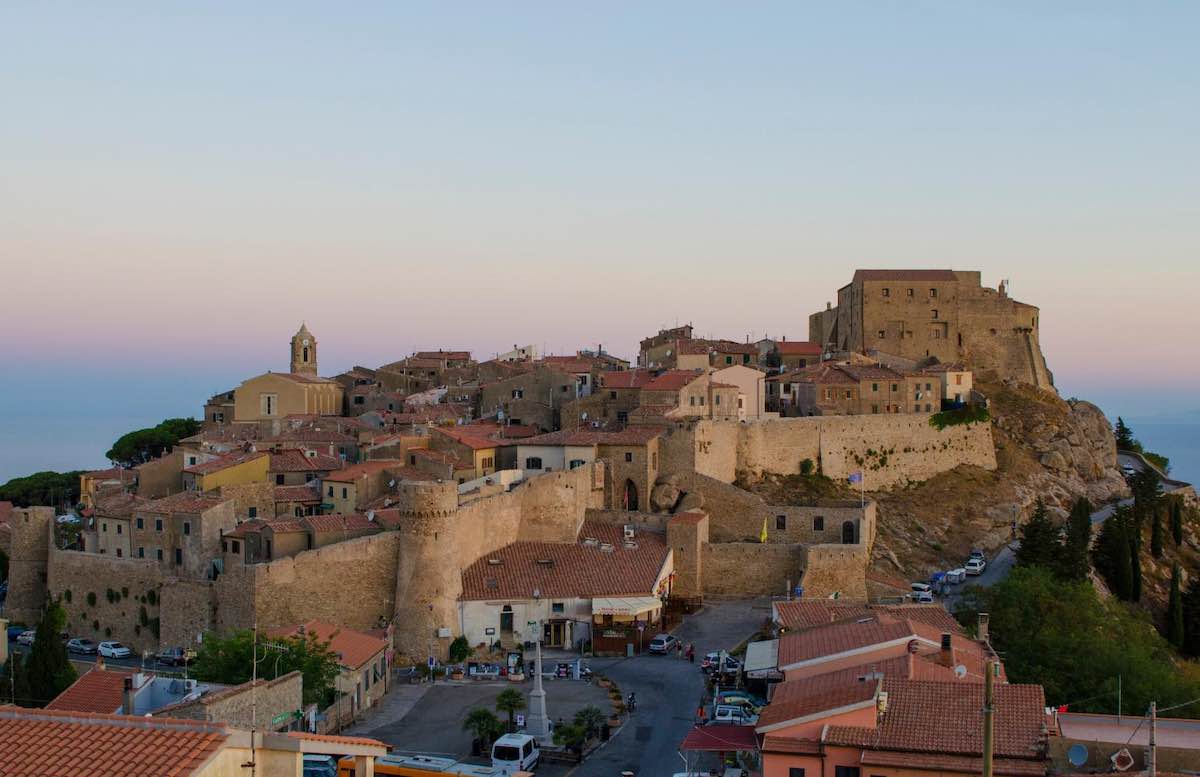
Giglio Island is a hidden gem off the coast of Tuscany that offers you a chance to escape the crowds and enjoy the natural beauty and rich history of the Tuscan Archipelago National Park.
The island is home to several stunning beaches, including Campese Beach and Cannelle Beach, perfect for swimming, sunbathing, and exploring hidden coves and bays.
One of the highlights of Giglio Island is the charming town of Giglio Castello. Located at the highest point of the island, it offers stunning views of the surrounding sea and countryside.
Giglio Castello is a must-visit destination for travelers to the island, with its narrow streets, ancient buildings, and traditional shops selling local crafts and souvenirs.
The town is also home to several historic landmarks, including the 12th-century Rocca Aldobrandesca, a medieval fortress that dominates the town’s skyline.
On Giglio Island, you can also enjoy water sports, such as snorkeling and diving, or take a boat tour around the island to explore its hidden coves and bays.
18. The village of Monticchiello in Val d’Orcia
To close this post on the best off-the-beaten-path places to see in Tuscany, I want to tell you about the village of Monticchiello.
Monticchiello is located in Val d’Orcia, an area south of Siena. Val d’Orcia has been declared a UNESCO World Heritage Site for preserving the architecture of the rural landscape virtually unchanged from the Renaissance to the present day.
If you have ever received a postcard from the Tuscan countryside that pictured rolling hills, rows of cypress trees and scenic farmhouses, it most likely came from the Val d’Orcia.
Here you can visit the most beautiful small towns north of Rome.
The most famous town in the region is Pienza, which is well worth a visit, while you get the best views from Monticchiello.
Monticchiello is so quiet that you may think it is uninhabited, but then seeing the clothes hanging and flower pots in the alleys will reassure you.
Leave your car in the parking lot outside the village walls and continue on foot. You can take the walk that goes around the walls to enjoy the view of the countryside and Pienza, which is not far away.
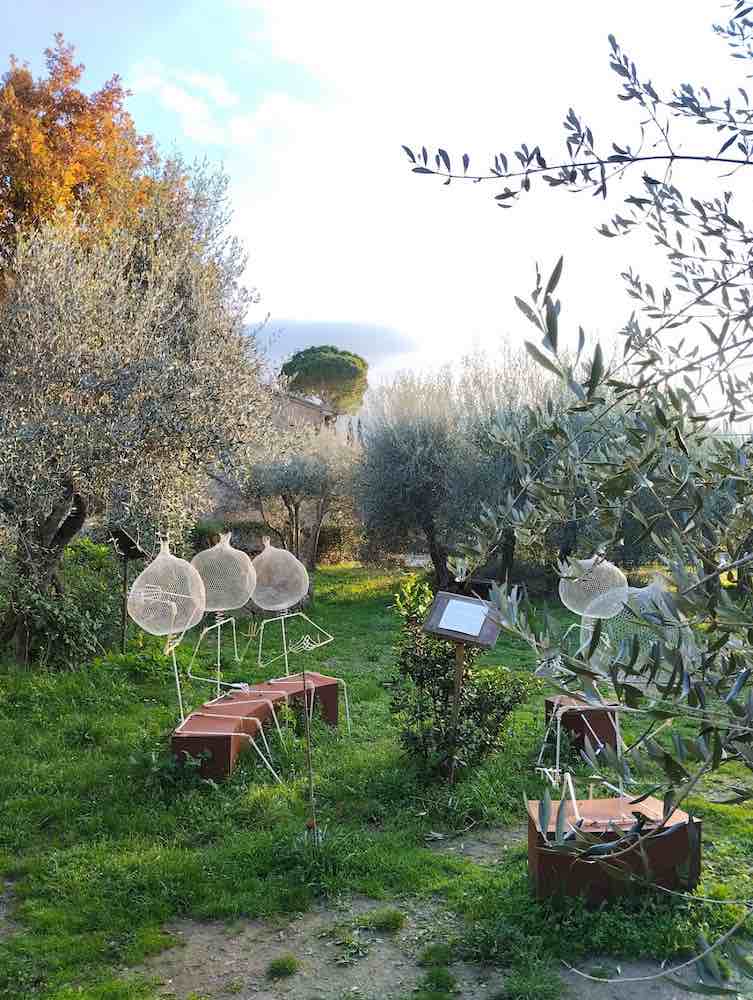
Then explore the narrow streets of the village, enter the medieval church Pieve dei Santi Leonardo e Cristoforo, and reach the Giardino del Cassero, which features some contemporary artwork.
To eat, go to Pienza. The osteria Sette di Vino will delight you with bruschetta, seasonal soups, and fried pecorino cheese.
Conclusion
In conclusion, Tuscany off the beaten path is a treasure trove of hidden gems waiting to be discovered. From natural thermal pools to quiet medieval towns and unique urban architecture, there is much to explore beyond the well-trodden tourist trails.
These destinations are not only beautiful and fascinating, but they also offer an authentic glimpse into the history, culture, and way of life of the Italian countryside. So, the next time you plan a trip to Italy, be sure to take the road less traveled and seek out these hidden gems in Tuscany. You won’t be disappointed!
About the Author
Lisa is an Italian mom with passionate about travel and writing. You can read more from her in her blog Rome Travelogues.


