

When we’re out embracing the wild, unpredictable weather is part of the adventure. But it’s crucial to be prepared. That’s where foul weather gear comes into play. It’s not just about staying dry—it’s about staying safe and comfortable, no matter what Mother Nature throws our way.
From waterproof jackets to thermal socks, we’ll dive into the inclement weather gear for your outdoor escapades. We’re talking about gear that’s been tested and proven to withstand the harshest conditions. So, whether you’re hiking in a downpour or camping in a snowstorm, you’ll be ready.
Waterproof Jackets: Your First Line of Defense
A waterproof jacket is like a protective shield in challenging weather. Its role is crucial. It’s your first line of defense against downpours and snow flurries. But, it’s not just about staying dry. A good jacket also blocks wind, keeps you warm, and maintains breathability.
You might be thinking, “Are all waterproof jackets equal?” The answer is a resounding ‘no.’ It’s like comparing apples and oranges. Each jacket is designed with a specific outdoor activity in mind. So, while an ultra-lightweight jacket might be perfect for a run in the rain, it won’t hold up in a blizzard on a mountaintop.
Choosing the Right Jacket
When choosing a waterproof jacket, a few key features can’t be overlooked.
- Fabric: High-quality jackets use waterproof, breathable fabric. The top players in this field include GORE-TEX and Pertex© Shield. These fabrics keep water out while letting sweat vapor escape.
- Design: Look for jackets with sealed seams and waterproof zippers. An adjustable hood that fits over a helmet is an excellent addition for those climbing adventures. Don’t forget about ventilation – pit zips and venting options provide extra breathability when you’re working up a sweat.
- Fit: This is one of the most important factors. The jacket needs to provide maximum mobility. An ideal fit is roomy enough for layering but snug enough to keep you warm.
Insulating Layers: Keeping Warm in Cold and Wet Conditions

After we’ve assessed the importance of waterproof jackets as the primary defense against challenging weather, let’s delve into the next crucial part of your outdoor gear — insulating layers. These pieces of clothing aren’t just crucial for staying warm; they’re vital for maintaining a comfortable temperature and staving off hypothermia.
When it comes to insulating layers, one material often stands out: Merino Wool. Here’s why:
- Temperature regulation: Incredibly, Merino Wool has an uncanny ability to help regulate your body temperature. This means whether you’re under the blistering sun or braving chilly winds, it’s set to keep you at just the right level of warmth.
- Moisture-wicking capabilities: This natural fiber also effectively wicks moisture away from your skin — leaving you dry and comfortable.
- Antibacterial properties: For those multi-day trips, Merino Wool’s natural antibacterial properties help fend off odors effectively.
Of course, Merino Wool isn’t the only choice. Synthetic materials – like polyester and polypropylene – can also provide excellent insulation and moisture-wicking properties.
Let’s not forget about insulation design features, too. Layering systems, optimally, should consist of a base layer (this is your moisture management layer), followed by a mid-layer (provides insulation and continues moisture transportation from base layer) and finally, an outer layer (your waterproof shell).
Waterproof Pants: Stay Dry from Top to Bottom
Pairing your jackets with the right kind of lower wear is just as important as choosing the right kind of jacket itself. Waterproof pants shield your lower body, keeping you dry from top to bottom. Waterproof outdoor pants protect you from rain, snow, sleet or other forms of moisture during outdoor activities like hiking, trekking, and mountaineering.
Two popular types of waterproof pants are shell pants and insulated pants. Each serves a different purpose and is suited for specific weather conditions.
Shell pants are the lightweight, compact, and the go-to choice for spring or summer adventures. They are best for activities that demand high mobility like trail running, rock climbing, and summer hiking. Shell pants offer essential protection against wind and light rain but may not provide enough insulation for colder weather.
Insulated pants provide a higher level of warmth, making them ideal for winter ventures like mountaineering and winter hiking. These pants come with an insulation layer that traps heat and prevents body warmth from escaping. When choosing insulated pants, we suggest considering the type of insulation (down or synthetic) based on your specific needs and environmental conditions.
Materials, fit, and size are also vital factors when selecting the perfect pair of waterproof pants. Keep an eye out for fabrics that offer significant water and wind resistance like Gor-Tex or eVent. Adaptive features like sealed seams, ankle zippers, and adjustable waistbands ensure a comfortable fit and hassle-free motion.
Footwear: Traction and Protection in Wet Environments
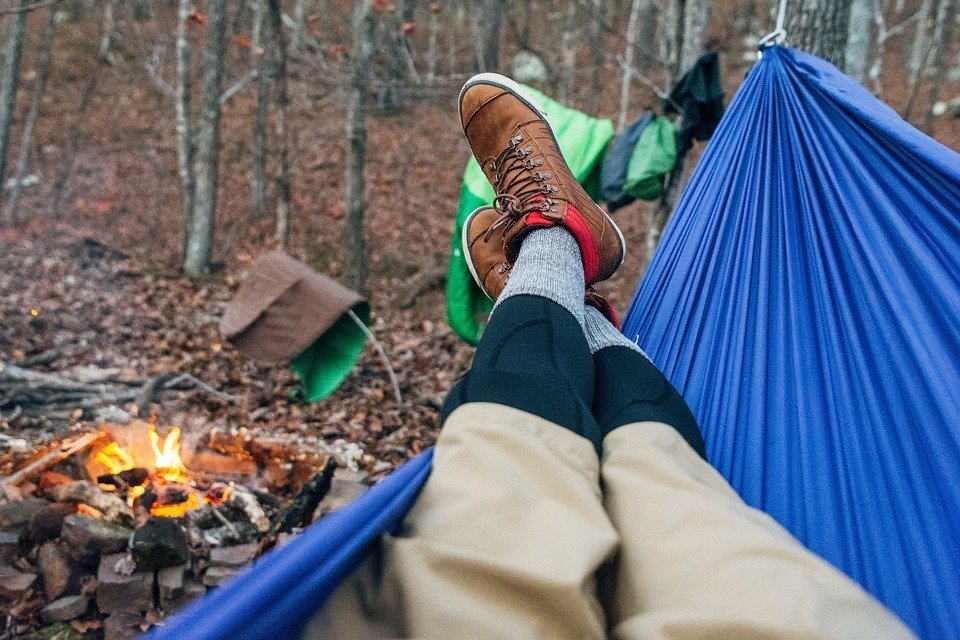
Once we’ve covered our bodies with the right waterproof jackets and pants, let’s pay attention to an equally crucial element of our foul weather gear. We’re talking about the ever-important footwear! The right shoes play an absolutely vital role in ensuring our outdoor adventures are not just productive, but comfortable and safe as well.
Let’s dive deeper into the topic. As nature admirers, we’ve likely experienced hiking trails that are uneven, rugged, and more often than not, wet. These conditions ask for more than just your casual sneakers. A good pair of waterproof boots can be your biggest ally against these odds. They’ll provide you with the much-needed traction to maneuver slippery surfaces, and additionally, protect your feet from becoming waterlogged and uncomfortable.
However, shoe shopping for outdoor adventures isn’t as simple as picking the first waterproof pair you come across. Similar to selecting the perfect waterproof pants, a few factors need to be considered.
- The first one is fit. No amount of waterproofing can compensate for a shoe that doesn’t fit properly. It’s essential that the shoe is comfortable for long durations and doesn’t chafe or pinch your feet.
- Next, consider the material. Rubber, leather, and synthetics are commonly used in waterproof shoes. Each of them has its own pros and cons, and your choice will depend on the kind of action your shoes will see.
- Lastly, look for additional features such as grippy soles for added traction, and perhaps a gusseted tongue to keep debris out of your shoes.
We’ve delved into the importance of waterproof footwear for outdoor adventures. It’s clear that the right boots can make a world of difference when you’re facing down the elements. They offer traction, protection, and comfort, ensuring you’re ready for whatever Mother Nature throws your way.
Remember, it’s not just about getting any pair of boots. The fit, material, and additional features like grippy soles matter too. So take your time, do your research, and choose wisely.


