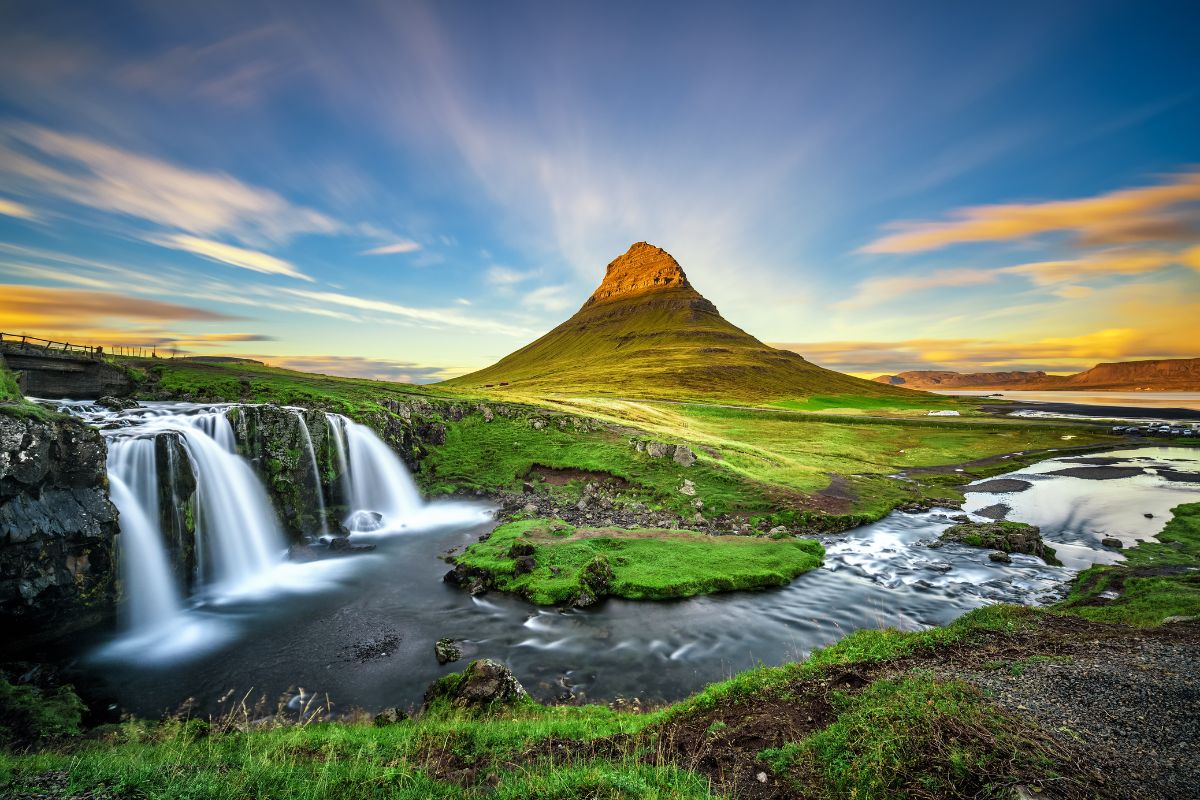


Iceland is a magical place. It’s the land of northern lights, volcanoes with unpronounceable names, rugged landscapes, majestic waterfalls, and natural hot springs. It quickly became one of my favorite countries after my first stay there, and I have relished every subsequent sojourn.
While January might not be the most popular time to visit, it is one of the best to see the northern lights and avoid the crowds. That is, if you don’t mind the cold.
Despite the chill and snow and few daylight hours, there’s actually still a lot to see and do in Iceland in January!
Iceland in January At a Glance
Before I get into that, I want to bring up five things that you need to know:
It’s very dark – January sees only an average of five hours of daylight. In the beginning of the month, it can be as few as 4.5 hours. In short, since it’s mostly dark during this time, that will limit what you can see and do.
It’s very cold – The average temperate is 0°C (32°F), so it’s very cold. Bring lots of layers. If you are going up north, it will be even colder. Expect lots of wind too.
It’s the least popular month to visit – Thanks to the winter weather, you won’t see a lot of tourists around, so that’s actually a really good plus! Attractions will be more or less empty, flights are cheaper, and prices for accommodation will be lower. (For cheap travel tips, here’s an article on how to visit Iceland on a budget.)
Smaller places will be closed – Since this is low season, not a lot of resorts, tour operators, and attractions will be open. Be prepared for limited activities and sudden closures (especially weather-related closures).
Beware of road closures – Keep in mind that this is the middle of winter, so many roads and services are closed. There are limited bus routes, and some of the less-traveled roads get closed due to weather. If you rent a car, make sure you get a vehicle that can handle the conditions.
When it comes to campervans for Iceland during the winter, 4×4 campers easily come to mind. They generally cost more but are better equipped for the roads as this 4×4 campervan from Cozy Campers will show. It‘s also for those times when your best-laid plans are canceled and you just want to enjoy that day as cozily as possible in your vehicle. Think of it as an investment toward your safety, peace of mind, and comfort as you chase the northern lights and embark on adventures given unfamiliar or ever-changing situations.+
Additionally, drive carefully. It’s not uncommon for winter winds to rip car doors off their hinges when the weather is bad, so be prepared and plan accordingly (and make sure you have travel insurance that covers car rentals).
So, with all that said, what is there to see and do in Iceland in January given those five basic facts? Here’s a list:
1. Tour Reykjavik

Reykjavik is awash in cozy cafés, high-energy clubs, cool pubs (even one devoted to the Big Lebowski), and brightly colored wooden row houses.
Despite its size, the city is home to about 60% of Iceland’s population, making it one of the liveliest places in the country. If you’re a night owl, you’ll love the party scene here, but be warned: locals don’t go out until about midnight, and drinks aren’t cheap!
For something super unique to the city, head to the The Icelandic Phallological Museum (aka the Penis Museum). Here you’ll find over 200 penises (including from multiple whales), as well as art and souvenirs.
While it sounds cheesy, just actually super informative and one of the most quirky things to do in the entire country.
2. Soak in the Blue Lagoon

While I found the Mývatn Baths to be a more relaxing and less expensive option (more on them below), this is Iceland’s most famous geothermal pool. Everyone wants to come here, especially since it’s on the way to the airport. It might be crowded and expensive (even in the winter) but it is pretty beautiful.
This milky-blue spa is fed by mineral-rich heated seawater from the nearby geothermal plant. With rolling clouds of steam and people covered in white mud, it’s a fun vibe, especially in January when a lot of public baths have more limited hours.
3. See the northern lights

Seeing this natural phenomenon was one of the most awe-inspiring things I have ever witnessed. The lights are best admired in remote places, away from city lights. The best time to catch them is from mid-September to mid-April. However, it depends on the weather, so the longer you stay, the better your chances.
While it is possible to see them in Reykjavik (I did once), try to get away from the city and its lights as much as possible. The north part of the country is the best place to view the lights.
4. Check out the Jökulsárlón glacier lagoon

Located in the southeast within Vatnajökull National Park (about 5-6 hours from Reykjavik by car), this is one of the most popular attractions in the country. Over 243 meters deep (800 feet), it’s the deepest lake in Iceland and was formed from melting glaciers.
The deep blue water is littered with iceberds that float through the lagoon as they toward the Atlantic Ocean. It’s free to visit. You can also explore by hired boat.
5. Drive the Golden Circle

The Golden Circle is a 230-kilometer (140-mile) route that includes some of the most popular sites near Reykjavik, including the Gullfoss waterfall, Thingvellir National Park, and Geysir/Strokkur. This is the main route for tourists visiting for just a day or two, so lots of buses drive this route (even in the winter).
Gullfoss (meaning “Golden Falls”) is a massive waterfall standing over 32 meters tall (104 feet) and makes for a scenic spot to snap photos. Strokkur is a geyser that shoots hot water into the air every 5-10 minutes (the original geothermal attraction here, Geysir, is no longer functioning). You can get close to Strokkur, but make sure you have a raincoat or umbrella as the splash zone is large (the water usually shoots upwards of 20 meters/65 feet).
If you have more time and your own vehicle, you can also see Kerið volcano crater, Hveragerði greenhouse village, Skálholt church, and Nesjavellir or Hellisheiði geothermal power plant. If you have a vehicle, start early to beat the buses. The whole route can be driven in half a day.
6. Explore Thingvellir National Park

This national park is interesting for two reasons: it’s the original location of Iceland’s parliament (Vikings held political meetings here in the tenth century making Iceland the longest parliamentary system in the world) and it’s also where the North American and European continental shelf plates are being torn apart (you can actually scuba dive between the plates for around 25,000 ISK).
It’s also one of the main stops on the Golden Circle and is a popular place to hike in the summer and cross-country ski in the winter. It’s free to visit.
7. See the Skaftafell Ice Cave
These beautiful ice caves in Vatnajökull National Park are only accessible in winter. The caves are part of the largest ice cap in the country and the second-largest in all of Europe. Guided tours take you into the caves where, armed with an ax and crampons, you can explore this otherworldly landscape.
The ice is a vivid blue and looks like melted glass. They are absolutely incredible and 100% worth a visit. Tours start at 21,000 ISK per person and last around four hours.
8. Visit the Mývatn Nature Baths
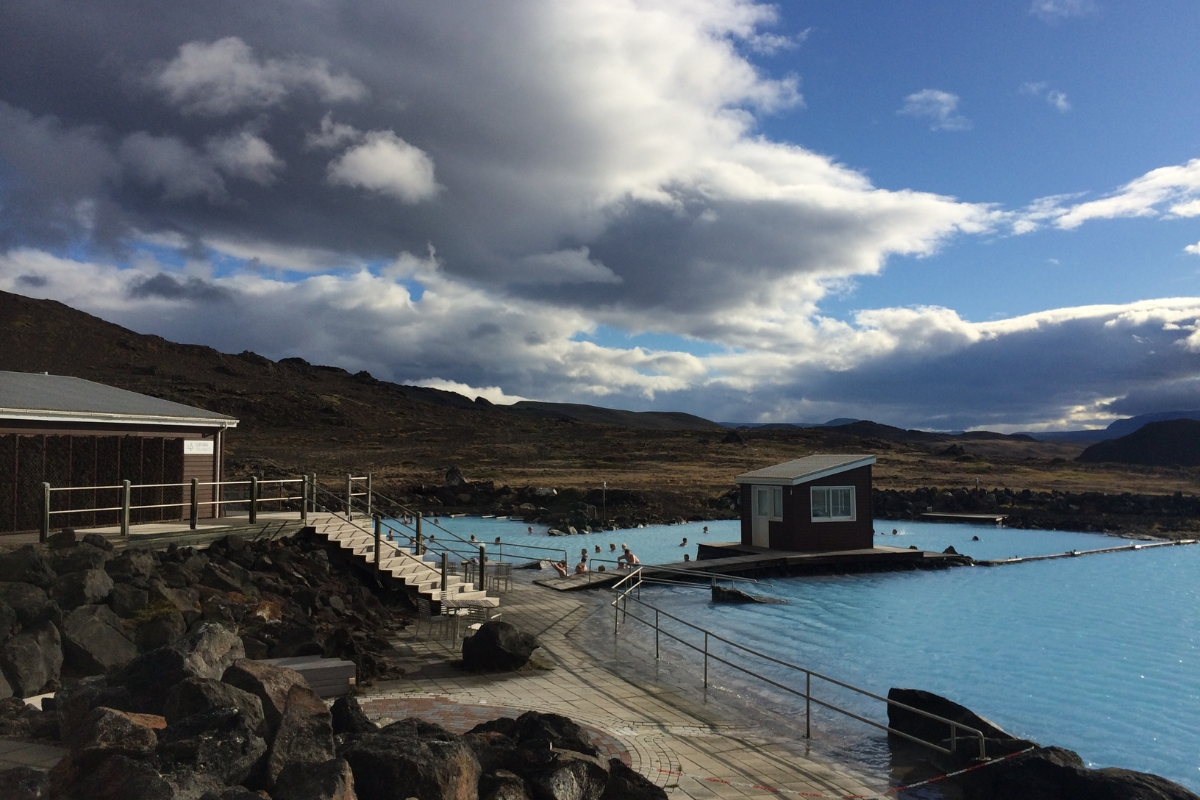
Mývatn is quieter and less expensive natural hot spring than the famous Blue Lagoon. Located in the town of the same name, the water from the underground hot springs is pulled from depths of up to 2,500 meters (8,202 feet) and reaches 37–39°C (98–102°F). The milky blue color of the pool comes from the sunlight reflecting off the silica-rich water.
Grab some geyser-baked bread at the little café and relax, or enjoy a cocktail from the swim-up bar. I personally think this is way better than the Blue Lagoon because it’s less touristy and way less commercial and expensive.
9. See Kirkjufell Mountain
Near the small town of Grundarfjörður in western Iceland, this iconic mountain — one of the most photographed sights in all of Iceland (you’ve probably seen it on Instagram) — juts out from the landscape, surrounded by a bunch of waterfalls.
Towering almost 500 meters (1,519 feet), it’s a snow-capped beauty in the winter and often considered one of the most beautiful mountains in the world. If you come in the winter, it’s a gorgeous place to spot the northern lights.
10. Hike the Snaefellsnes Peninsula

Known for its rugged and dramatic landscapes, this west coast area is perfect for hiking or strolling along the windy, winding coast. With plenty of hills and mountains to climb, including the 700,000-year-old Snæfellsjökull volcano, it’s a hiker’s paradise.
If you’re feeling adventurous (and have the money), book a glacier walking tour for 17,000 ISK, which will take you out over the remote glacier to hike, peer into huge crevasses, and learn about this seemingly martian landscape.
While in the area, don’t miss the Bjarnafoss waterfall, the Gerduberg Basalt Cliffs (a cool geological formation caused by a volcano), and the Eldborg Crater (a massive crater formed by a volcanic eruption over 8,000 years ago).
11. Take a food tour
If you want to learn more about Icelandic cuisine, take a culinary tour in Reykjavik. My favorite company is Reykjavik Food Walk, which will take you to 5-6 local restaurants on a 3.5-hour tour for around 16,000 ISK.
You can try local dishes like free-range lamb, fresh fish, and the city’s famous hot dog while also learning how these local dishes are made. It’s the best way to get firsthand experience of the unique local cuisine from an expert local guide (as well as additional suggestions for places to eat and drink that tourists don’t visit).
12. Visit the National Museum of Iceland
This museum in Reykjavik contains informative exhibits about the first settlers to the island, Christianity in Iceland, both Norwegian and Danish rule, and the independence movement (Iceland gained independence from Denmark in 1944).
The museum has over 2,000 items in its collection and, while not terribly large (you can get through it in a couple of hours at the most), it provides an excellent primer if you’re interested in learning more about the history and culture of the people. The displays are really informative. General admission is 2,500 ISK.
13. Take a course at the Icelandic Elf School
The Icelandic Elf School teaches students and visitors about Icelandic folklore, including the “hidden people” (Huldufólk) and the 13 kinds of elves believed to inhabit the country. In Iceland, elves are mysterious supernatural beings that live out in nature. Around half of the population of the country believes in them.
This is probably one of the strangest attractions in Reykjavik, which makes it one of the best. While the 9,058 ISK admission fee might be a little steep, you also get a meal of pancakes and jam, teas, and chocolates to go along with the 3-4-hour lecture. It’s super informative and a perfect activity for a day when the weather isn’t cooperating.
***
Iceland is very cold during January, but it’s also peak northern lights time. If you don’t mind the chill or doing mostly indoor activities, it’s a great time to visit, as prices are cheaper and there are fewer crowds. It’s good chance to hang with the locals in cozy pubs and gaze at the stars.
(For more information, see this article on what to see and do in Iceland.)
Matt Kepnes runs the award-winning travel site nomadicmatt.com, which helps people travel the world on a budget. He’s the author of the NYT best-seller How to Travel the World on $50 a Day and the travel memoir Ten Years a Nomad. His writings and advice have been featured in The New York Times, CNN, The Guardian, Afar, Budget Travel, BBC, Time, and countless other publications. You can follow him on Instagram at @nomadicmatt.