
Iceland, with its breathtaking landscapes, volcanoes, glaciers, and geothermal wonders, offers many unique trip opportunities for adventurous travellers. Whether you’re a nature enthusiast, a history buff, or simply seeking an escape into the wild, Iceland has something to offer.
In this article, we’ll explore incredible day trips that showcase the beauty and diversity of this Nordic Island nation.
1. Westman Islands: A Puffin Paradise

If you think Iceland is wonderland, you should plan a trip to Westman Islands. This archipelago is located by the south coast of Iceland and is easily accessible by boat. It is a perfect one-daytrip if you are traveling to the south of Iceland, but even if you are in Reykjavík.
Why go?
Many travellers and locals plan a trip to the main island of this archipelago, Heimaey, to enjoy birdwatching as these islands are a birdwatcher’s paradise, especially during the summer when puffins nest in large colonies. Besides the avian attractions, you can explore lava fields, hike volcanoes, and learn about the islands’ rich history.
How to get there?
Ferries from the mainland (usually departing from the town of Landeyjahofn) offer easy access to the Westman Islands. The port is located about two hours from Reykjavík, few mins from famous Seljalandsfoss waterfall, or 50 mins from week. Just follow Route 1 and turn on route 254.
Tips on visiting
- If you are a bird lover, don’t forget your binoculars and camera to capture the stunning birdlife.
- The main attractions are located on the main island, Heimaey, where the ferry goes, and which offers hiking trails and a chance to learn about the 1973 volcanic eruption that transformed the island.
- A trip to Westman Island is doable in one day if you are coming from Reykjavík or are somewhere in the south. If you want to explore all the beautiful corners of the island, and there are countless of them, stay at least one night.
2. Thórsmörk: A Hidden Gem in the Highlands

If you want to experience one of the most beautiful wild parts of Iceland, get a proper 4×4 vehicle and hit a road towards Thórsmörk, also known as Þórsmörk. This gem is in remote area in Iceland’s southern highlands, and it is a perfect place for all the hiking and nature lovers who would like to enjoy unique natural beauty. Plan a trip to Thórsmörk if you are in Reykjavík, coming to Vík, or exploring Golden Circle.
Why go
Hiking, nature, and photography enthusiasts will enjoy dramatic canyons, glacial rivers, and many stunning views of the vast and wide black lava field through which the Krossa River flows. It’s a heaven for hikers and nature lovers, boasting lush valleys, glacial rivers, and dramatic canyons. The unique combination of rugged terrain and vivid greenery creates an otherworldly atmosphere that is perfect for exploration.
How to get there
To reach Thórsmörk, you can take a bus from Reykjavik to the nearby village of Skogar. From there, embark on a thrilling off-road journey into Thórsmörk. If you don’t feel like driving or are not experienced driver, you can join guided tours that provide transportation, ensuring a safe adventure filled with information.
The most convenient way to Thörsmork is taking a car. Although Thörsmork is not too far from the main road and deep in the Icelandic highlands, there is only an unpaved road with several river crossings, so you should only go there with a proper 4×4 vehicle. If you are coming from the south, take the R249 off the Ring Road, which will take you closer to the valley.
Tips on visiting
- If you want to prolong your stay in the area, you can stay in a campsite or guesthouses.
- The best time to visit this area is from June to mid-September when the weather conditions are the nicest and rivers are passable.
- Enjoy the valley as well as the viewpoints – the area offers many hikes and routes. You can get lost in the valley and explore different nooks and crannies; however, you can also climb one of the mountains or hills and enjoy spectacular views.
3. Askja: A Volcanic Wonderland
Imagine a paradise in the middle of inhospitable landscape. That’s Askja volcano, a massive volcanic caldera located in the remote highlands of North Iceland. It is a geological marvel that attracts adventurers and nature enthusiasts to explore its unique landscapes offering a look into the raw power of nature.
Why go?
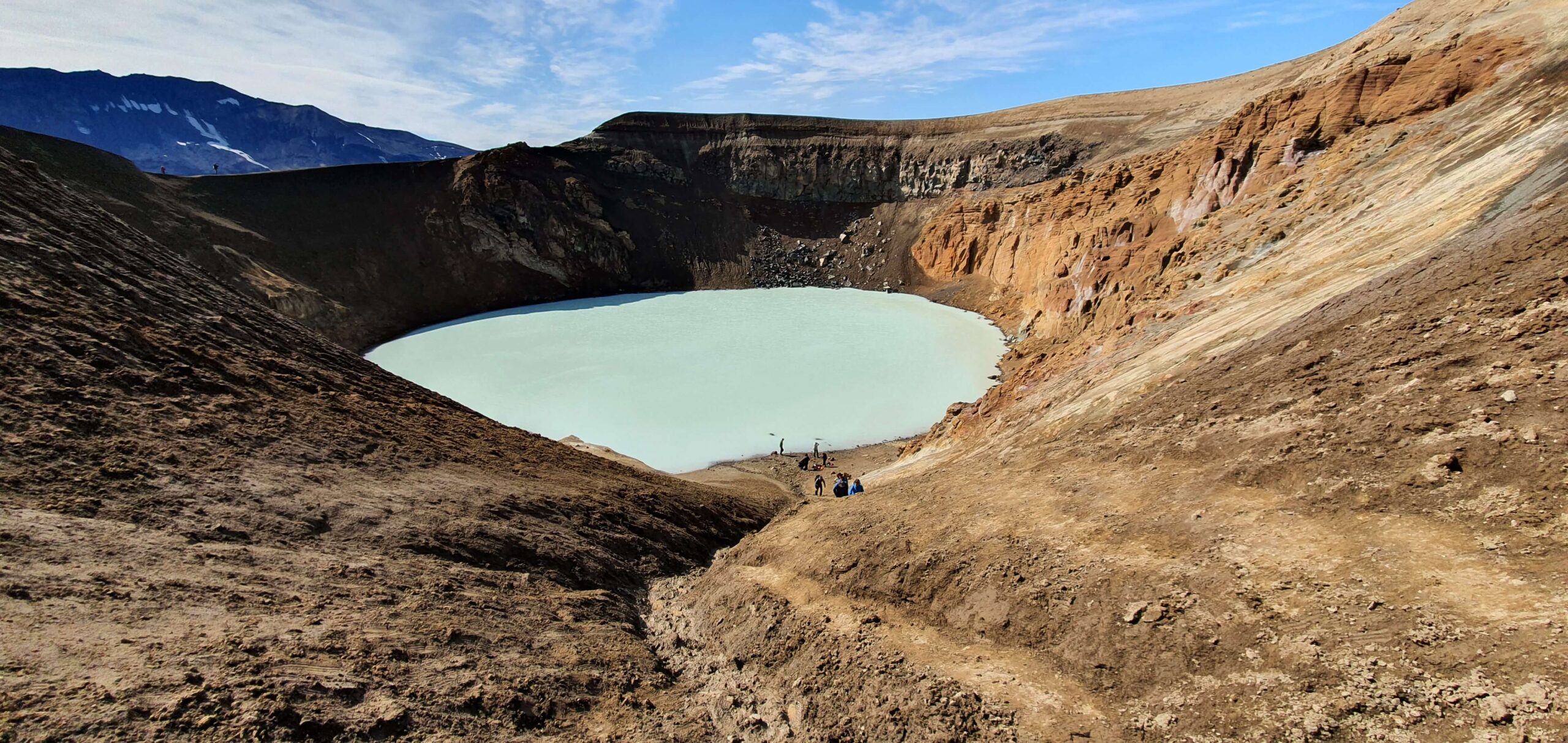
The lunar terrain of Askja with its black volcanic fields, ash-covered landscape, and desolate Lake Oskjuvatn (often covered in ice even in summer) creates an otherworldly atmosphere that is hauntingly beautiful and fascinating.
The centre of Askja is Viti Crater, which means “hell” in Icelandic. Contrary to its name, Viti is a breathtaking geothermal crater lake that was formed in an eruption in 1875. You can hike to the rim of the crater and admire the spectacular views, a unique experience you won’t find anywhere else in Iceland.
How to get there?
The remote location of Askja means you’ll escape the crowds often found at more popular tourist destinations in Iceland. It’s a place where you can truly disconnect and immerse yourself in the natural beauty of the highlands. But you must pay some price for it.
Access to Askja is typically limited to the summer months when the roads are open. A 4×4 vehicle is essential due to the rough terrain. Guided tours are available from Akureyri and Reykjavik for those seeking a knowledgeable guide.
If you decide to take a car and you are not an experienced driver, we recommend following the easiest route by taking the Ring Road (Road 1) past Akureyri and Mývatn, then turning onto Road 901. From there, turn right onto the F905, where your adventurous drive truly begins. After 21 kilometres, you need to continue the F910 for another 62 kilometres.
Tips on visiting
- Check road conditions and weather forecasts before embarking on your journey, as conditions can be challenging.
- Take a dip in the geothermally heated waters of Viti but be aware that the water can be quite warm.
- Remember to pack food, water, and any necessary camping equipment if you plan to stay overnight.
4. Maelifell: The Emerald Oasis

Maelifell, a 200-metre-high volcano, rises above the black volcanic sands of the Maelifellssandur area. This dramatic landscape creates a vivid contrast against the backdrop of the Myrdalsjokull glacier and the looming presence of the Katla volcano.
Maelifell volcano is an entirely desolate wilderness, nestled between the Mýrdalsjökull and Torfajökull glaciers. Here, the absence of vegetation is conspicuous. But that makes this area so unique and picturesque. Intricate patterns of meandering rivers create a piece of art in the dark ash plains.
Why go?
Maelifellssandur is a green oasis in the middle of the black desert of the Myrdalsjokull glacier. This cone-shaped hill is covered in lush green moss, which creates an incredible contrast with its surroundings. Its unearthly beauty makes Maelifell a must-visit destination for photographers and nature lovers.
How to get there?
Reaching Maelifell presents its challenges, but various routes offer differing levels of difficulty. However, one thing is clear: a sturdy 4×4 vehicle is an absolute necessity for the journey. It’s crucial to note that attempting this journey during winter is reckless, as the trail typically remains closed until early July, reopening one of the last Icelandic routes.
Four roads lead to Maelifell: the F210 from the West, the F261, the F210 and F233 from the East, and the F232
Tips on visiting
- Respect the fragile moss and stay on designated paths to avoid damaging the delicate ecosystem.
- Visit during the summer months when the weather is milder, and the roads are more accessible.
- Combine your trip to Maelifell with a visit to nearby attractions like Seljalandsfoss and Skogafoss waterfalls or explore more stunning landscapes of Icelandic landscapes.
5. Snaefellsnes Peninsula: A Miniature Iceland
Why we call Snaefellsnes Peninsula a miniature Iceland? Because it encapsulates many of the country’s diverse landscapes in one area. Tourists often venture only to the southern part of Iceland, missing out on the beauty that the rest of Iceland has to offer. One of these places is the west of Iceland, specifically the Snaefellsness Peninsula.
A tip for a quick day trip from Reykjavik, while exploring the Golden Circle or on your way to Akureyri. However, you may find yourself so engrossed in the peninsula that you won’t want to leave it and you will return for a multi-day trip. Snaefellsness has a lot to offer. Several magnificent Icelandic hot springs are just a beginning!
Why go?
Here, you can witness dramatic coastlines, magical cliffs, mountains, quaint fishing villages, lovable churches and the iconic Snæfellsjökull glacier-capped volcano, which inspired Jules Verne’s novel Journey to the Centre of the Earth.
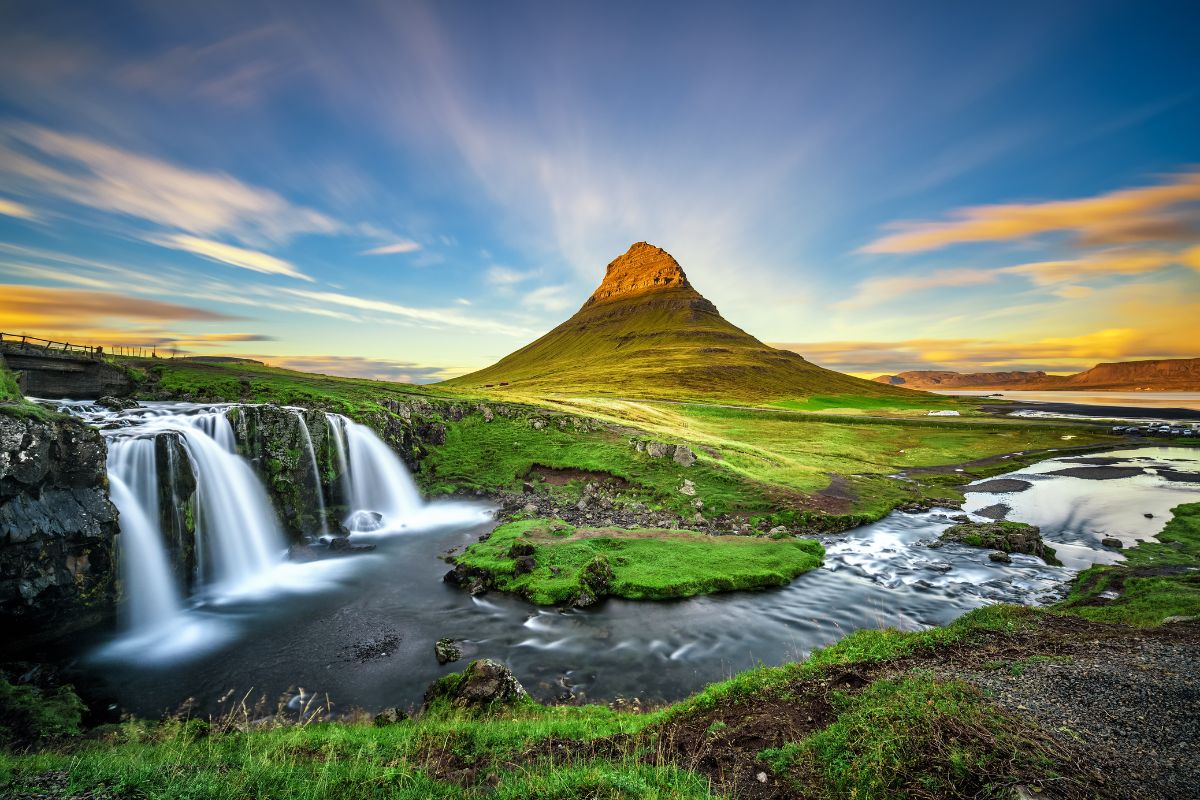
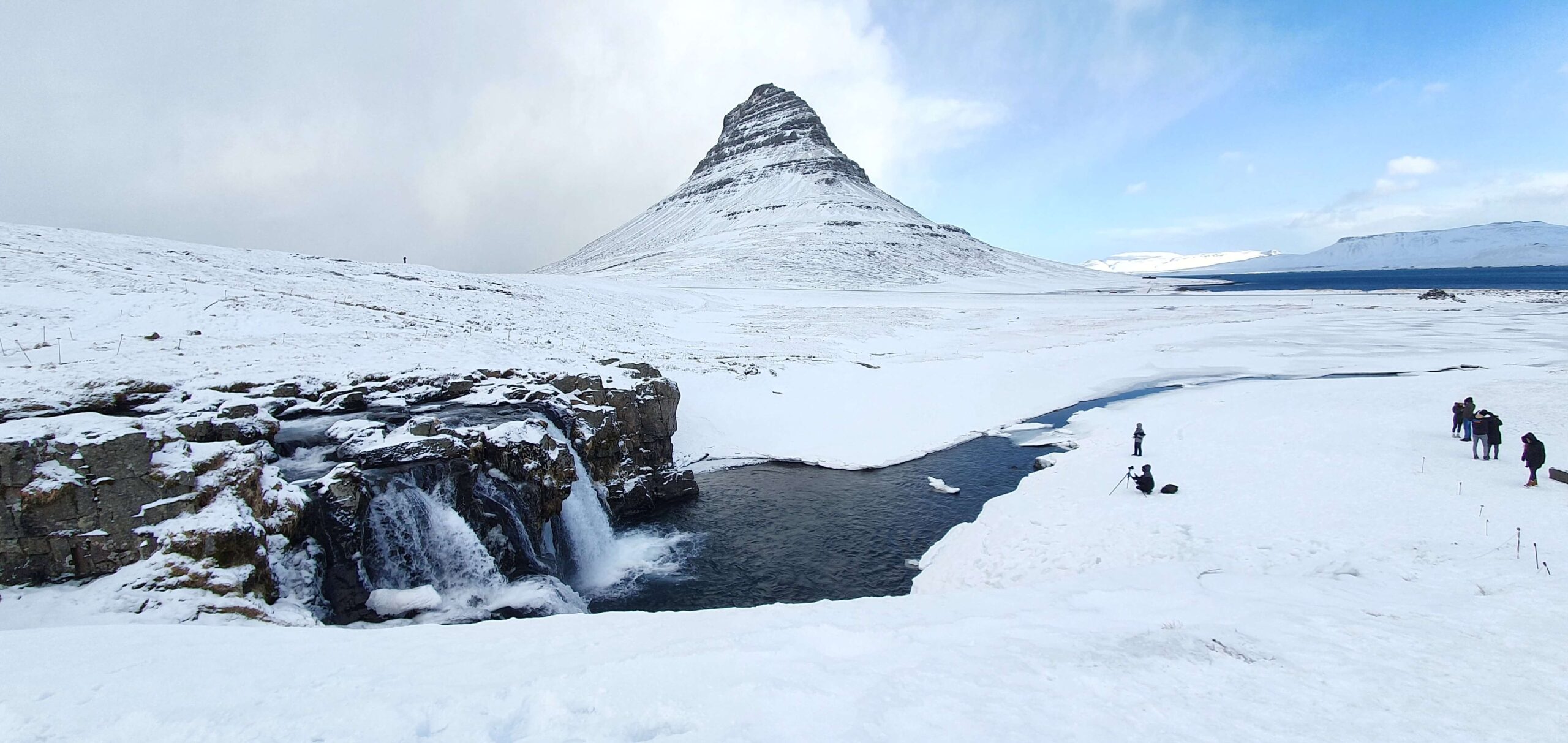
It is also a home of famous picturesque Kirkjufell mountain. There is of course also a rich fauna, which is represented by Ytri-Tunga beach its year-round seal colony. And if you happen to miss some waterfalls, know that you’ll find some amazing ones here too.
How to get there?
You can drive to the Snaefellsnes Peninsula from Reykjavik that takes about 2-3 hours. It’s an excellent option for a self-guided day trip, with well-marked roads and plenty of places to explore. Just follow Ring Road and after Borgarners turns on Route 54.
Tips on visiting
- Visit the charming village of Arnarstapi and take a hike along the stunning coastal cliffs.
- Explore the Vatnshellir Cave for a unique underground experience.
- Check out the Kirkjufell mountain, one of Iceland’s most photographed landmarks, especially during sunset.
- Although we’ve included the peninsula in our list of tips for day trips, you’re best off taking 2-3 days to visit. Especially if you want to go hiking or enjoy the beautiful landscapes to the fullest.
6. Akureyri: Iceland’s Northern Gem
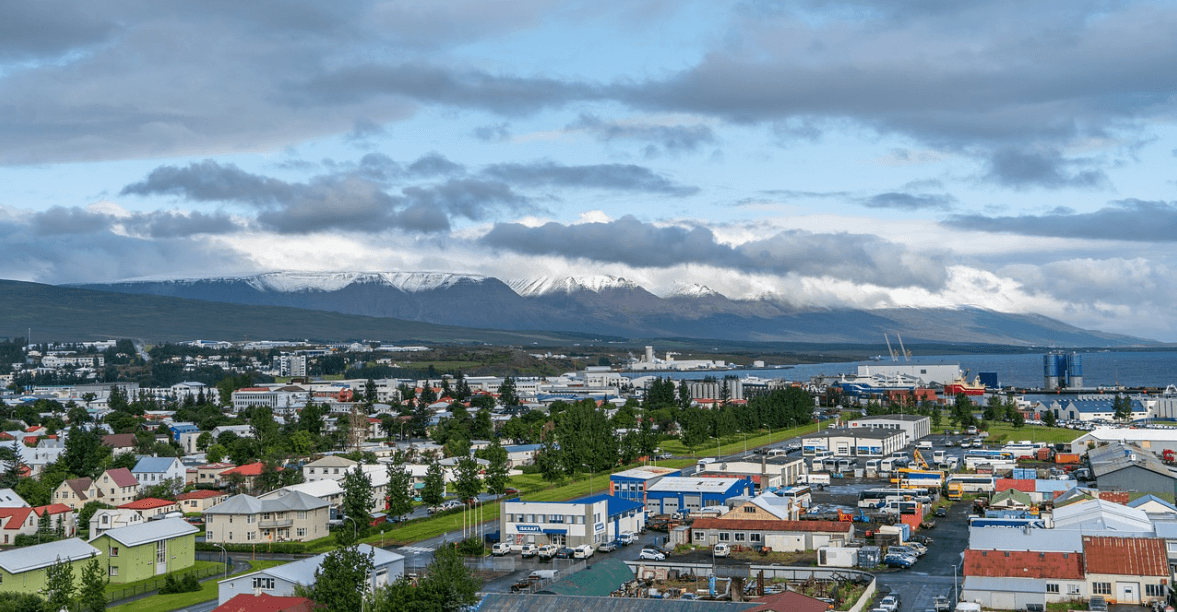
Akureyri is Iceland’s second-largest city and a charming hub in the north of the country. Yes, you probably don’t go to Iceland to visit cities, but Akureyri and its surroundings might be a great one-day stop on your way to the north or around the island. Surrounded by stunning fjords and mountains, Akureyri offers a blend of culture, history, and natural beauty. Visit the botanical gardens, explore the charming streets, or take a dip in the thermal pools.
Why go?
Akureyri is nestled in the picturesque Eyjafjörður fjord, surrounded by stunning mountains. The town itself boasts colourful houses, charming gardens, and beautiful parks, making it a visual treat for visitors. From the city you can explore the northern nature or go whale watching. Akureyri will catch your eye with cute details such as heart-shaped traffic lights or sweater-wrapped trash cans.
How to get there?
Akureyri is reachable by a domestic flight from Reykjavik or by driving along the Ring Road, which takes about 5-6 hours. The drive itself is a scenic journey through picturesque landscapes.
Tips on visiting
- If you want to visit the city, plan the trip together with visiting northern part of Iceland or on your way around the Ring Road.
- Explore the Akureyri Church for panoramic views of the town and fjords.
- Visit the nearby Myvatn Nature Baths for a relaxing soak in geothermal waters.
7. Hengifoss: Devil Waterfall
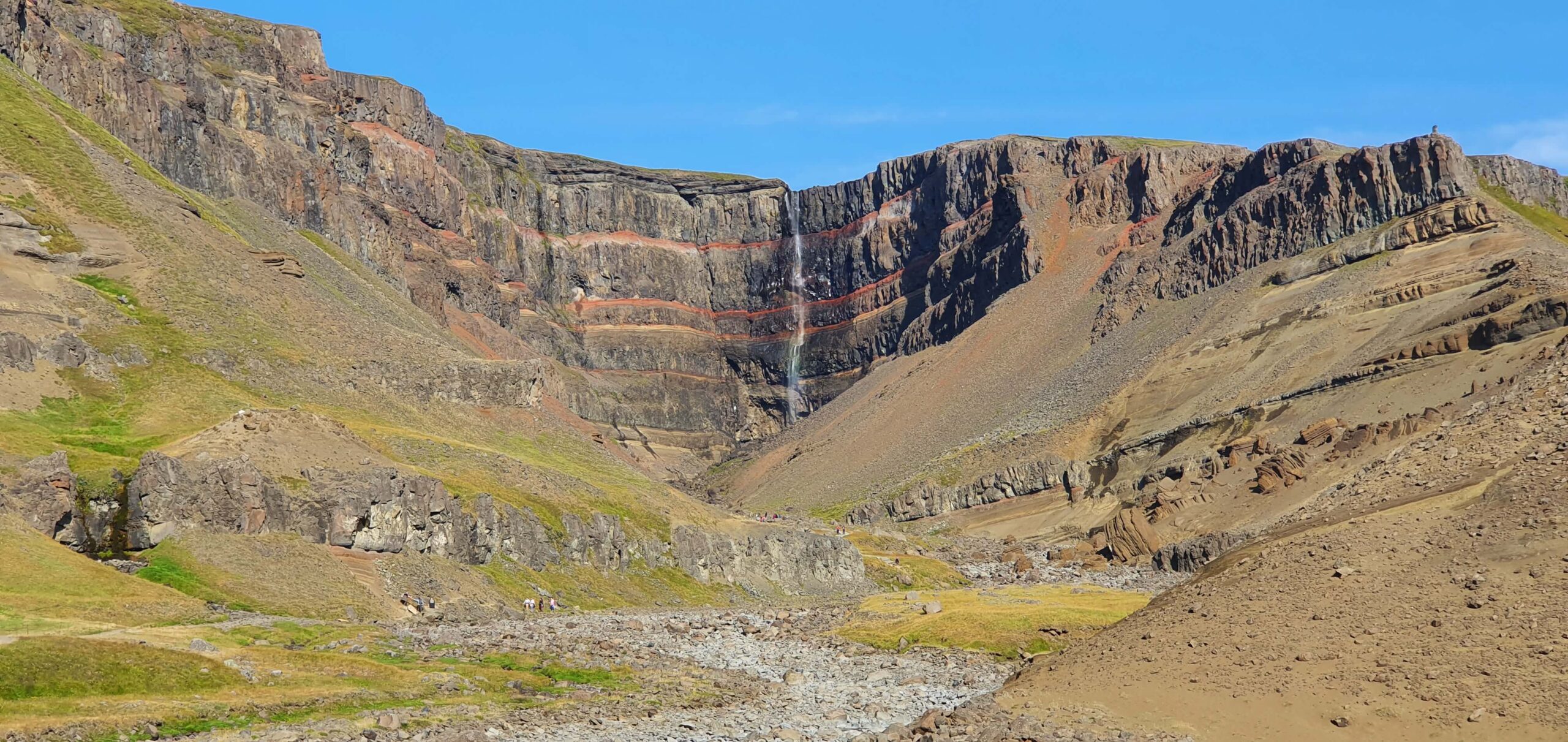
Talking about Iceland and not mentioning any waterfall? Impossible. So here you have one and it is real treasure. At 128 meters, Hengifoss is the third-highest waterfall in Iceland. It is in the eastern part of Iceland which makes it best to visit it while you are in Seyðisfjörður, Höfn, or on the way around Iceland.
Why go?
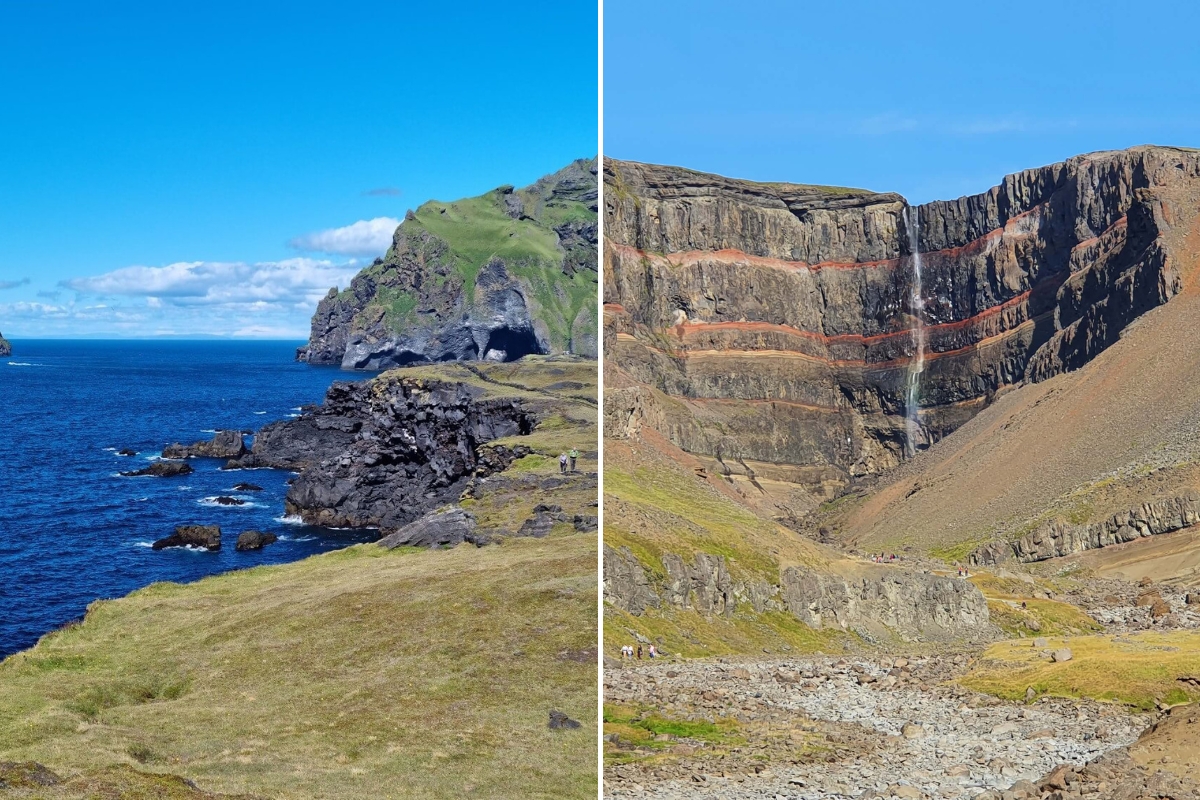
Hengifoss is one of Iceland’s most picturesque waterfalls, featuring striking red layers of rock within the cliff face. The narrow silvery ribbon of the waterfall contrasts with the dark high and bare rocks in the surroundings. The black-grey basalt is interspersed with the red to brick-coloured horizontal lines are the remains of petrified coniferous trees from the warmer second part of the Tertiary. It looks magical, devil, and almost artificial.
How to get there?
Located in East Iceland, Hengifoss is accessible by car following road number 931. The road is passable all year round which makes it a perfect one-day trip any time a year.
From the small parking lot, you’ll have a 2.5 km long, relatively steep but relatively easy trail to the best viewpoint of the waterfall.
Tips on visiting
- The hike to Hengifoss takes around 2-3 hours round trip, so wear sturdy shoes and bring a camera to capture the unique rock formations.
- Explore the nearby Studlagil Canyon, known for its basalt column formations and dramatic scenery.
- Just a short hike from Hengifoss, you’ll also find Litlanesfoss, surrounded by fascinating basalt columns.