

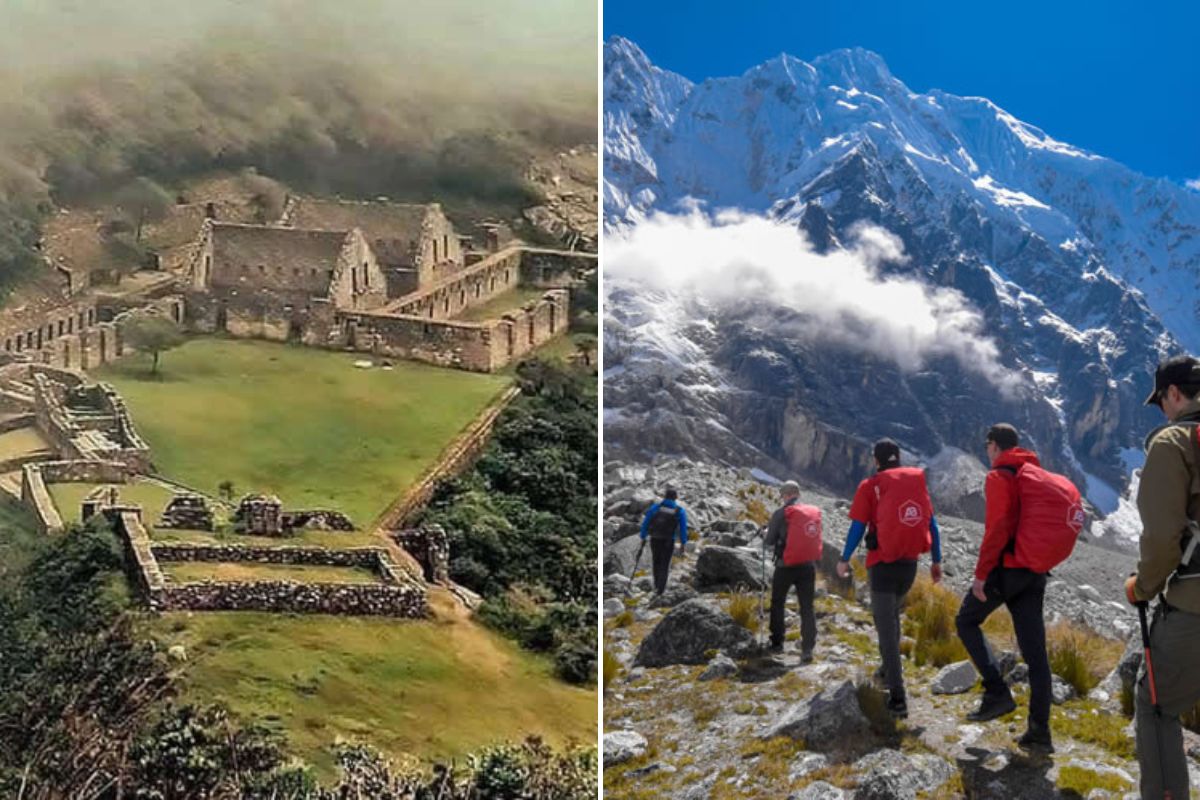
Famed for being the main gateway into the Peruvian Andes, Cusco is the perfect place to head on a multi-day hiking adventure.
Here we can head deep into the Sacred Valley, exploring mysterious archaeological ruins, multi-coloured lagoons as well as some of the most iconic peaks in Peru. There’s also a variety of treks for different abilities too, meaning all hikers can find the right kind of challenge for them.
In this guide we’ll explore 5 of the very best hiking circuits in Cusco, Peru, and what makes each one so special. I’ll also cover how you can prepare for your hike, which includes tips for the weather, altitude as well as how to pack properly for your trek.
Why Go Hiking In Cusco Peru?
The city of Cusco itself is by far the most popular destination to visit in Peru, and almost all visitors add it to their itineraries given the abundance of awesome things to see and do here.
However, given Cusco is situated within the Peruvian Andes, this means that there are also many incredible mountain formations to explore on foot. This is made even better as many of these routes are located within the Sacred Valley region, which was once the beating heart of the Inca Empire. This means that as well as seeing stunning glacial lakes and snow-capped peaks, we can also see giant temples and crumbing ruins along the way whilst learning about how this civilization helped to shape Peru.
Often on hiking routes we will head deep into the remote mountains, where we can meet indigenous locals who are keeping their ancient traditions alive away from modern society. This also makes it more likely to spot exotic wildlife that are native to the Peruvian Andes, such as Viscachas, Alpacas, Vicuñas, Condors and even the elusive Spectacled Bears.
The 5 Best Hiking Circuits In Cusco Peru
Below we’ll now explore five of the very best hiking circuits you can take on in Cusco, Peru. From exploring ancient Inca ruins to hiking past towering snow-capped mountains, let’s see what each hike has in store for us.
The Inca Trail To Machu Picchu
One of the most popular treks in all of South America (let alone just Peru), the Inca Trail is a really unique trek which easily makes most travel bucket lists. During the Four Day Inca Trail Trek we will walk along the same stone steps that the ancient Inca civilization once did, whilst also visiting impressive ruins such as Wiñay Wayna, Sayaqmarca, Intipata and of course Machu Picchu.

Wildlife is also very diverse along this route, as we’ll be passing through cloud forests and along Andean peaks. We can usually spot Alpacas and Hummingbirds, whilst lucky explorers may get to see the infamous orange Cock-of-the-rock bird here. It’s important to know that permits can sell-out extremely fast, so you’ll want to book your tour at least 6 months in advance to guarantee your space.
The Salkantay Trek
The Peruvian Andes are usually a top priority for travellers who want to see iconic mountains and breathtaking lagoons. Whilst there are many incredible mountains here, the ultimate peak has to be that of Salkantay (which you can actually spot from above when flying from Lima to Cusco). Here we will walk close to the giant snow-capped mountain, whilst also visiting the beautiful blue lake of Humantay.
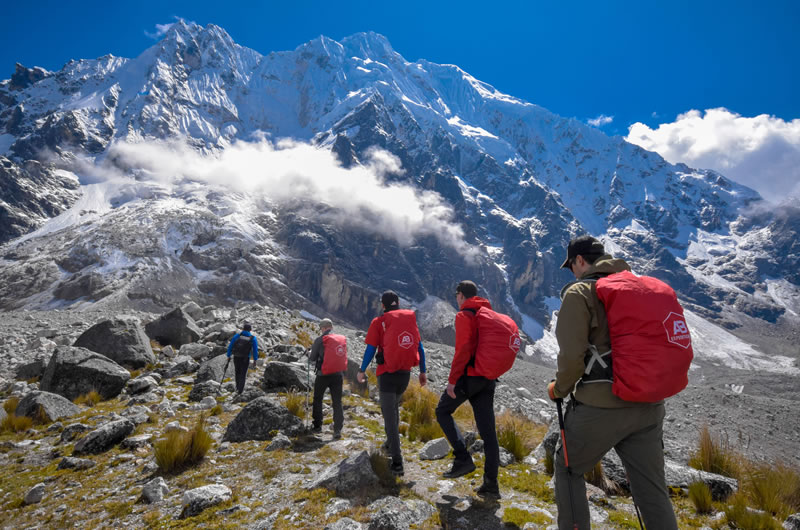
From Cusco we can find several treks that vary from 4-6+ days, although even the shorter ones will satisfy pretty much every adventure-seeking explorer. It’s important to note that the Salkantay Trek is one of the hardest treks you can do, so you’ll want to make sure you’re in very good physical condition. The altitudes here are also quite high (over 5000m in altitude) – so you’ll want to properly acclimate in Cusco beforehand.
The Ausangate Trek To Rainbow Mountain
Another hiking route that is growing in popularity, the Ausangate Trek to Rainbow Mountain is perfect for nature lovers and those who want to pack multiple incredible scenery into just one hike. The most famous part of this route are the multiple colorful lakes that we will hike past – which vary from stunning emerald greens to deep-blue hues.

During the four day hike it’s common to see herds of Alpacas, Viscachas and Condors, and we’ll also see incredible red rock formations as we get closer to the legendary Rainbow Mountain. Similar to the Salkantay Trek, you’ll also be up at high altitudes here so it’s best to take it slow whilst bringing altitude sickness medications such as Coca Leaves and Soroche Pills.
The Choquequirao Trek
Commonly referred to as the “Lost City of the Incas”, Choquequirao is a hidden archaeological site that is situated within the remote Andes Mountains. Whilst just as impressive as Machu Picchu, it’s becoming a more popular alternative given there aren’t as many tourists here (as it’s only accessible with a hiking tour rather than by buses and trains).

During the multi-day trek here we will walk through beautiful cloud forests, see incredible mountain peaks such as those of Salkantay whilst also seeing plenty of rare wildlife given the hike is much quieter compared to others of the region. The Choquequirao Trek does require a good level of fitness to complete, so it’s a good idea to head on a few more gentle hikes beforehand to prepare yourself well.
The Lares Trek To Machu Picchu
The Lares Trek is one of the most up-and-coming hiking routes of the Cusco region, and is one of the best all-rounders for travellers that want a bit of everything on their hike. Here we will pass by indigenous towns where we can meet locals, hike past gorgeous lakes and mountains whilst also getting up and close with some really beautiful waterfalls.
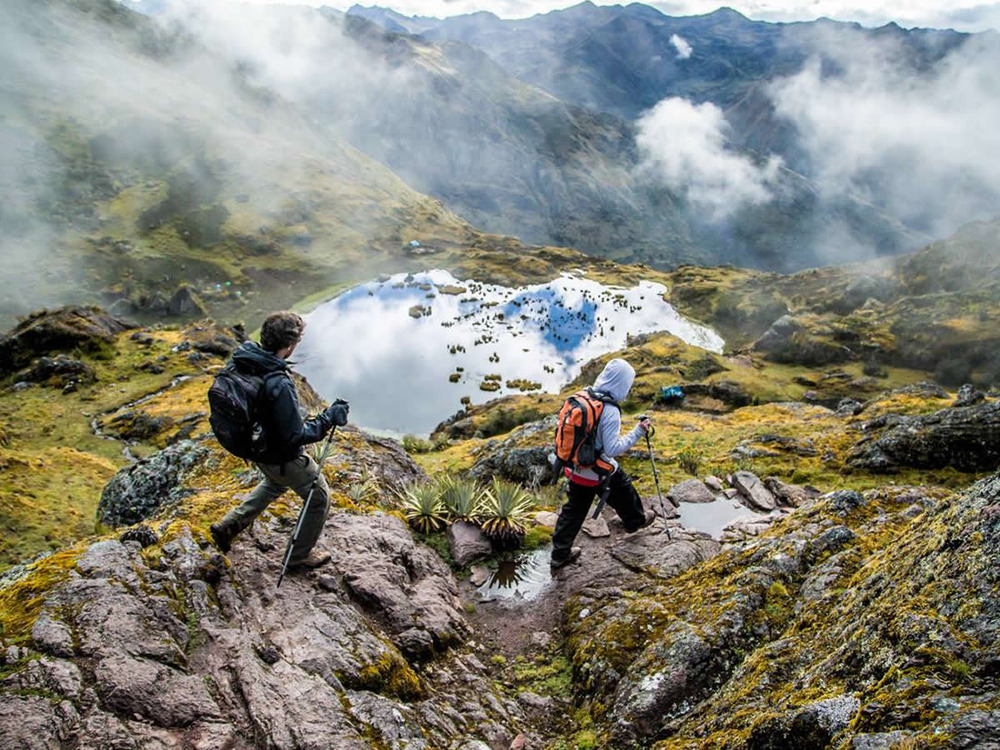
One of the best things about choosing to hike the Lares Trek to Machu Picchu is that it’s one of the only treks that is great to hike year-round. Whilst others close or become difficult during the wet season, here we can enjoy this route any month of the year. Of course if heading during the wet season (from November until April), you’ll want to bring waterproofs, a poncho as well as firm trekking boots.
How To Prepare For Your Hike
Now that you know which Cusco hiking circuits are best for different experiences, you’ll now need to prepare properly for your trek. Below we’ll explore everything you need to know before heading on your hike, which includes dealing with high altitudes as well as choosing the best season for you.
Choosing The Right Hiking Season For You
It’s important to know that there is both a dry and wet season in Cusco and the surrounding Andes, both of which offer very different experiences.
The dry season is by far the most popular, which usually runs from May until October. Here we will have clear blue skies overhead and virtually no rainfall, as well as perfect visibility of the surrounding scenery. Temperatures are colder during these months (especially June and July), so you’ll need to bring extra layers. Hiking paths will also be busier, and in some cases you’ll need to book hikes at least 6 months in advance (such as is the case with the Inca Trail).
Then we have the wet season, which begins in November and lasts until April. Whilst less popular, we’ll actually find there to be many benefits of hiking around this time. During these months there will be incredibly green pastures and fertile scenery, and the extra mists can make for really cool photos when in the mountains. There will also be fewer crowds, making it better for a more peaceful hike. Of course rainfall will be heavy during these months, so you’ll need to bring waterproofs, a poncho and quality hiking boots. Certain months like February can actually make hiking certain routes dangerous, so it’s important to do proper research on what to expect for each hiking circuit during the wet season.
Preventing Altitude Sickness In The Andes
One of the biggest challenges you’ll face when hiking around Cusco is the altitude. Here elevations can reach over 5000m above sea-level, which can often cause unwanted altitude sickness symptoms such as nausea, headaches and dizziness. Even at lower altitudes between 3000-4000m you can sometimes have minor annoyances, so it’s best to prepare properly before trekking here.
The first and best way to avoid these issues is to acclimate properly in Cusco beforehand. I suggest spending a minimum of two days here whilst your body automatically adjusts to the higher altitudes. Once you arrive in Cusco you can also buy Soroche Pills and Coca Leaves, which are the locals’ tried-and-tested methods of preventing altitude sickness.
What You Need To Pack For Your Trek
As we’ve seen earlier in this article, temperatures are going to be quite cold in the evenings regardless of when you go hiking around Cusco. For this reason you’ll want to bring gloves, a hat, thick socks, extra layers as well as a warm coat on your hike. You’ll also need a thermal sleeping bag and warm tent, and certain hiking operators (such as AB Expeditions) will provide these extras for you during their trekking tours.
It’s important to know that temperatures during the daytime can get quite warm too. For this reason you’ll also want to bring lots of light hiking layers, as well as a hat for the glaring sun. Speaking of which – you’ll also need to keep reapplying sunscreen here as it can be much easier to get sunburnt at these higher altitudes. If going hiking during the wet season, you’ll also want to bring a poncho and waterproofs in case you have a shower or two during your trek.
Overview Of Hiking In Cusco Peru
And that’s all for this guide on the best hiking circuits that you can take on when in Cusco.
This incredible region is home to both diverse mountain landscapes and mysterious ancient sites, and when heading on a hiking circuit you’ll be able to experience both in spades. The best thing about hiking in Cusco is that there are several routes to choose from – so it really depends on what you most want to experience when exploring the remote Andes Mountains.
If you’re still planning on which hikes are best for you, then check out local operator AB Expeditions who are based in Cusco and operate all of these treks. Having done a couple of them myself, it’s safe to say I’ll be heading back for more soon!
Author Bio:
An avid traveler of Latin America, George has spent many years exploring these incredible regions and helps other travelers plan their own dream trips around here too.


