

When it comes to planning unforgettable Sri Lanka holidays centred around wildlife encounters, this compact island nation punches well above its weight. Nestled in the Indian Ocean, Sri Lanka has quietly established itself as one of Asia’s premier safari destinations—and for good reason. From the highest concentration of leopards in the world to elephants that swim between islands, the country offers wildlife experiences you simply won’t find anywhere else.
Working with specialists like Experience Travel Group, who’ve been curating bespoke Sri Lankan adventures since 2004, means you’ll discover the country’s wild side through responsible, immersive experiences that go far beyond typical tourist trails. Here’s why Sri Lanka should be at the top of your wildlife bucket list.
World’s Highest Density of Leopards at Yala
Yala National Park isn’t just good for leopard spotting—it’s exceptional. With the highest density of leopards anywhere on the planet (approximately one leopard per square kilometre), your chances of encountering these magnificent cats are genuinely impressive. Unlike in African parks where predators compete for territory, Sri Lankan leopards (Panthera pardus kotiya) reign supreme as the island’s apex predator, making them more confident and visible during daylight hours.
Block 1 of Yala is particularly renowned for frequent sightings, especially during the dry season between February and July when shrinking waterholes draw wildlife to open areas. Male leopards often display remarkable boldness, walking tracks in broad daylight with what can only be described as sleek confidence. Early morning and late afternoon safaris yield the best opportunities, though spending a full day in the park maximises your chances considerably.
What makes Yala truly special is how the leopards have adapted to safari vehicles, allowing for remarkably close encounters—similar to tiger viewing in India’s best national parks. With experienced guides who understand leopard behaviour and territory patterns, you’re not just ticking off a sighting; you’re witnessing these elusive predators in their natural element.

The Spectacular Minneriya Elephant Gathering
Between July and October, Sri Lanka hosts what authorities recognise as the largest gathering of Asian elephants at any one time—a natural phenomenon that’s been taking place for centuries. At Minneriya National Park, hundreds of wild elephants (sometimes 300-400 individuals) congregate around the ancient Minneriya Tank, a 3rd-century reservoir built by King Mahasena.
During the dry season, this gathering becomes a captivating theatre of elephant behaviour. Herds arrive from surrounding habitats including Kaudulla and Wasgamuwa National Parks, drawn by the fertile grasslands that emerge along the receding waterline. Here, you’ll witness elephants socialising, bathing in mud wallows, grazing peacefully, and even finding mates—all within sight of your safari vehicle.
The spectacle is so remarkable that Lonely Planet ranked it among the top wildlife events globally. Unlike solitary elephant sightings elsewhere, this gathering offers the rare opportunity to observe complex social dynamics, watch calves play under the watchful eyes of matriarchs, and see the entire lifecycle of elephant families unfold before you. The peak months of August and September deliver the most dramatic numbers.
Swimming Elephants at Gal Oya
Whilst many destinations offer elephant viewing, only Gal Oya National Park provides the extraordinary experience of watching elephants swim between islands. Set on Sri Lanka’s largest reservoir, the Senanayake Samudra, this off-the-beaten-track gem offers boat safaris—a refreshing change from traditional jeep-based game drives.
The sight of elephants using their trunks as snorkels whilst gliding through the water is genuinely unforgettable. Herds move from one island to another in search of fresh grazing, and boat safaris position you at water level for incredibly intimate encounters. During a typical three-hour safari, it’s not uncommon to spot 30-40 elephants, including numerous calves.
What sets Gal Oya apart is the tranquillity of the experience. Without the rumble of jeep engines and away from crowded tourist circuits, you’ll find yourself immersed in the peaceful rhythm of nature. The park also offers opportunities to meet the indigenous Vedda community, Sri Lanka’s only remaining tribal people, adding cultural depth to your wildlife adventure.
Blue Whale Watching Off the South Coast
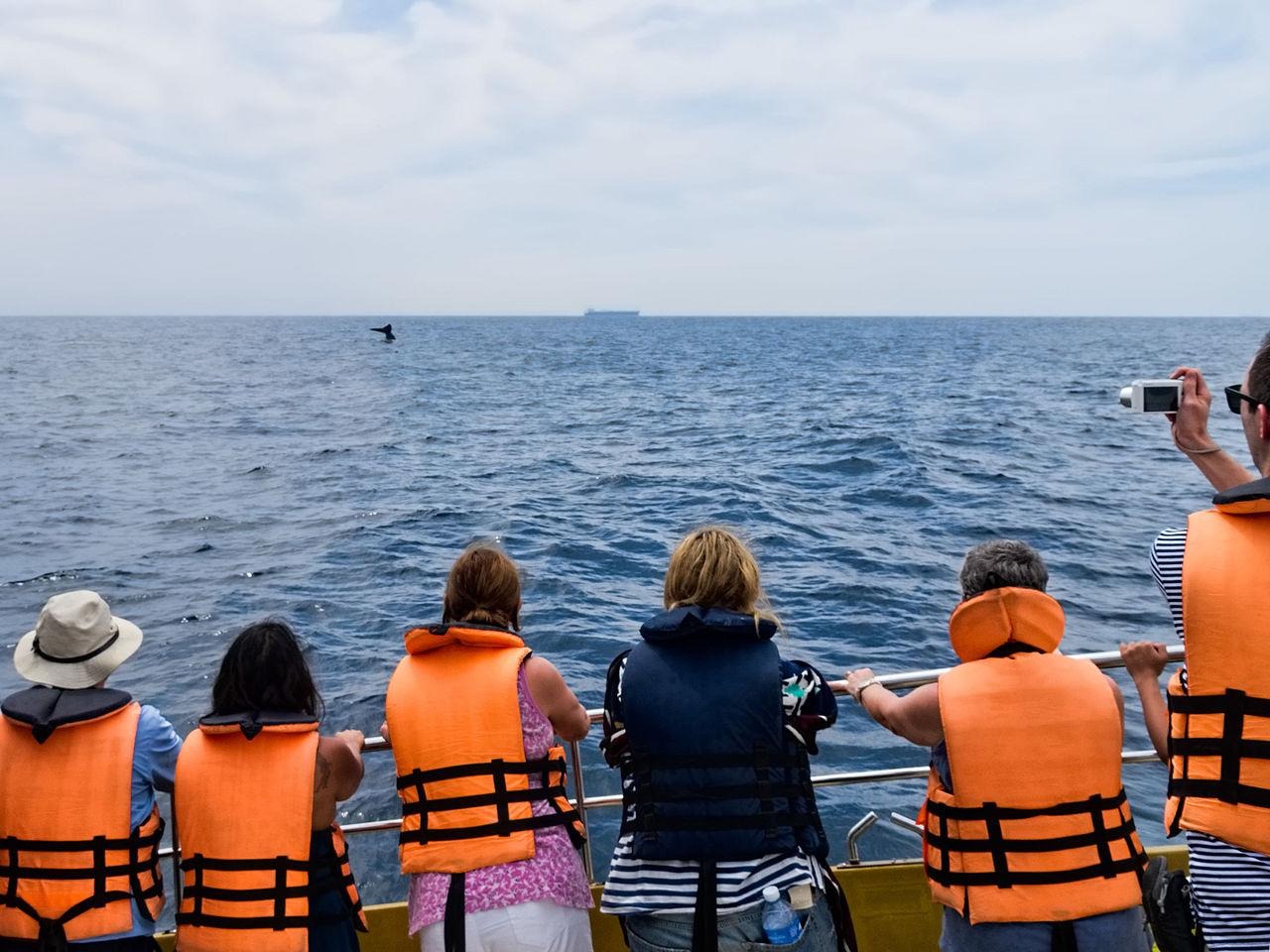
Sri Lanka holds a remarkable distinction: it’s recognised as the best place in the world to spot blue whales, the largest animals ever to have lived on Earth. Thanks to a narrow continental shelf off Mirissa and other coastal locations, these magnificent cetaceans swim remarkably close to shore, making sightings not just possible but highly probable.
Between December and March, blue whales frequent the waters off Mirissa on the southwest coast, whilst the northeastern waters near Trincomalee offer excellent viewing from March through July. This year-round opportunity means you can incorporate whale watching into your itinerary regardless of when you visit. Bryde’s whales, sperm whales, and various dolphin species also make regular appearances.
Tours typically head up to 20 kilometres offshore, where the deep ocean channels that blue whales favour come closest to land. Watching a 30-metre whale breach or witnessing the distinctive blow of these gentle giants creates memories that last a lifetime. Responsible operators ensure minimal disturbance, allowing you to observe these creatures ethically whilst supporting marine conservation efforts.
Extraordinary Biodiversity in Compact Size
Despite covering just 65,610 square kilometres, Sri Lanka packs astonishing biodiversity into its modest footprint. Ranked among the world’s 34 biodiversity hotspots, the island boasts the highest rate of biological endemism globally. Thirteen percent of the country’s land surface has been designated as Wildlife Protected Areas, offering diverse ecosystems from coastal wetlands to montane cloud forests.
The wildlife extends far beyond elephants and leopards. Sloth bears roam Wilpattu National Park, crocodiles bask along riverbanks, and over 500 bird species—including 33 endemics like the stunning Sri Lanka Blue Magpie—fill the forests with colour and song. This means a single itinerary can deliver encounters with Asia’s “Big Five” megafauna, something Forbes highlighted when ranking Sri Lanka amongst the top wildlife destinations outside Africa.
The compact nature of the island works in your favour. Within a week or two, you can experience rainforest wildlife, safari landscapes, and coastal marine life without exhausting travel between locations. This diversity, combined with well-maintained national parks and knowledgeable guides, creates a wildlife holiday that delivers consistent excitement throughout your stay.
Commitment to Responsible Wildlife Tourism
Sri Lanka has increasingly positioned itself as a leader in sustainable, ethical wildlife tourism. The country’s approach emphasises conservation, community engagement, and responsible viewing practices that prioritise animal welfare over tourist entertainment. This commitment ensures that your wildlife encounters don’t contribute to exploitation or habitat degradation.
Reputable operators follow strict guidelines: no elephant-back rides, no attractions involving captive wildlife performances, no feeding or touching wild animals, and maintaining proper viewing distances during safaris. Naturalist guides are trained to observe wildlife without interference, such as mimicking animal calls or using food to attract creatures for photographs. This ethical framework means your holiday actively supports conservation rather than undermining it.
Sri Lanka Tourism has made wildlife and nature-based travel central to its promotional strategy, particularly targeting conscious travellers who value authentic, low-impact experiences. The average nature tourist spends over £6,000 and stays 15-20 days, reflecting the high-value, sustainable tourism model the country is cultivating. When you choose Sri Lanka, you’re supporting an industry that balances wildlife protection with community livelihoods.
Year-Round Wildlife Viewing Opportunities
Unlike many safari destinations with narrow viewing windows, Sri Lanka offers excellent wildlife experiences throughout the year. The island’s position and varied geography create microclimates that ensure at least some parks remain optimal regardless of season. This flexibility allows you to plan your holiday around your schedule rather than being constrained to specific months.
Yala’s dry season (February-July) delivers prime leopard viewing, whilst the Minneriya gathering peaks August-September. Whale watching rotates between coasts: Mirissa thrives December-March, Trincomalee excels March-July, and Kalpitiya offers opportunities November-March. This sequential availability means expert trip planners can design itineraries that capture multiple wildlife highlights in a single visit.
The year-round appeal extends to accommodation and logistics. Unlike seasonal destinations where facilities close or prices fluctuate wildly, Sri Lanka’s infrastructure remains consistently available. Boutique eco-lodges like The Mudhouse, luxury safari camps such as Kulu Safaris, and heritage properties like Ceylon Tea Trails maintain year-round operations, ensuring quality experiences whenever you visit.
Planning Your Sri Lankan Wildlife Adventure
Sri Lanka’s emergence as Asia’s premier wildlife destination isn’t accidental—it’s the result of incredible natural assets combined with growing conservation awareness and tourism infrastructure that prioritises quality over quantity. From the thrill of spotting a leopard prowling Yala’s golden grasslands to the serene majesty of swimming elephants at Gal Oya, the country delivers wildlife encounters that rival—and often exceed—more famous African destinations.
What transforms a good wildlife holiday into an exceptional one is thoughtful planning with specialists who understand Sri Lanka intimately. Experience Travel Group’s nearly two decades of expertise means accessing quieter park zones, timing visits for optimal sightings, and staying in carefully selected properties that enhance rather than diminish the wilderness experience. Their commitment to responsible tourism ensures your adventure supports conservation whilst delivering those once-in-a-lifetime moments that make wildlife travel so profound.
Whether you’re a dedicated wildlife photographer, a family seeking educational adventures, or simply someone who finds joy in observing nature’s wonders, Sri Lanka’s combination of accessibility, biodiversity, and ethical tourism practices creates the perfect stage for your next wildlife journey.