

Tasmania has long been on the bucket list of adventurers, nature lovers, and slow travelers — and for good reason. This little island off Australia’s southern coast feels like a world of its own, where rugged mountains meet pristine beaches, charming country towns rub shoulders with wild national parks, and you’ll often spot more wallabies than people.
When I first drove around Tasmania in a campervan, I quickly realised that this place is best discovered at your own pace. Roads wind through stunning scenery, campsites perch right next to beaches or rivers, and every day feels like a new adventure.
If you’ve only got one week to explore Tasmania, don’t worry — you can still see many of its highlights without rushing. This 7-day road trip itinerary is designed for first-time visitors who want a taste of the island’s best landscapes, history, wildlife, and food. You’ll start and finish in Hobart, loop up Tasmania’s east coast, and cross back inland through the highlands before ending in the lush forests of Mount Field National Park.
What to Pack for a Tasmania Road Trip
One of the perks of roadtripping Tasmania by campervan is that you don’t need to overpack — your tiny home on wheels comes fully equipped. Still, there are a few essentials I always recommend bringing:
- Sturdy footwear: You’ll definitely be hiking, whether it’s a short walk to a waterfall or a half-day trek in the mountains.
- Sunnies, hat & sunscreen: The Tasmanian sun can be surprisingly harsh.
- Camera or phone with plenty of storage: You’ll want to capture those sunrise beach views and wombat encounters.
- Reusable water bottle & keep cup: You’ll find great local coffee everywhere, and Tasmania’s tap water is some of the cleanest in the world.
- Tasmanian National Parks Pass: Essential if you plan to visit multiple parks — which you absolutely should.
What to Expect on the Road
Driving in Tasmania is a joy. Distances look short on the map, but the roads often wind along coastlines or through mountains, so allow extra time for travel (and photo stops!).
Here are some quick facts for planning:
- Distance covered: Around 1,200 km (roughly a full loop)
- Daily driving time: 2–3 hours on average
- Fuel costs: Approx. $350–$400 depending on your route and vehicle
- Best time to visit: December to April for warm weather and long days. Winter is quieter and magical too, but colder in the highlands.
My biggest tip? Stay flexible. Tasmania’s weather can change quickly — it’s often sunny on one coast while the other side of the island is rainy. Keep your itinerary loose, check the forecast, and don’t be afraid to swap the order of days.
Day 1: Tasman Peninsula
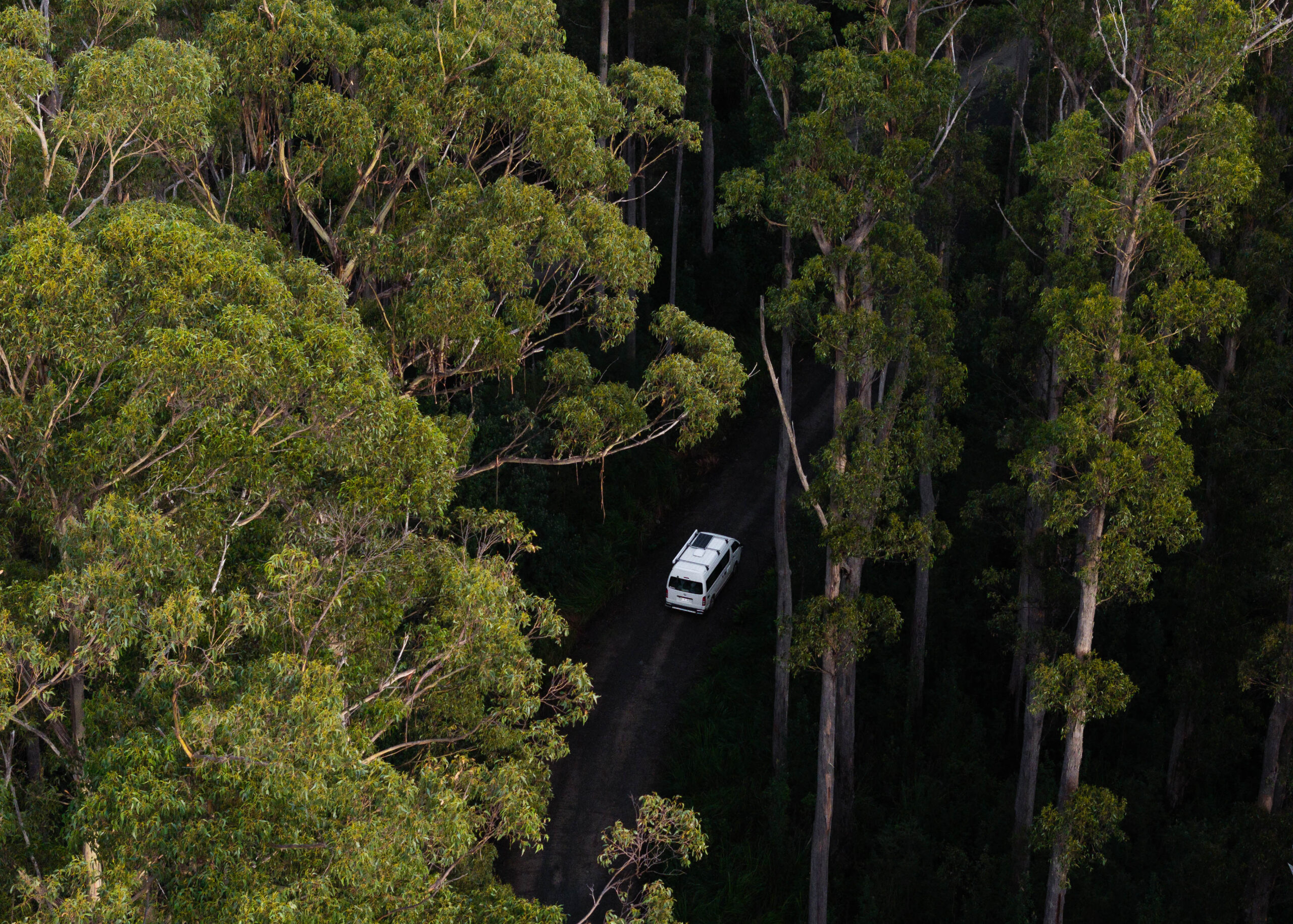
Your adventure begins just a short drive from Hobart on the Tasman Peninsula, one of my favourite corners of Tasmania.
Start at the Port Arthur Historic Site, a UNESCO World Heritage Site that brings Australia’s convict history to life. Walking through the old stone buildings with their dramatic backdrop of forest and sea is both haunting and fascinating.
In the afternoon, lace up your boots for the Cape Hauy Track — a 4-hour return hike with jaw-dropping views of towering sea cliffs and the famous “Candlestick” rock formation. It’s one of Tasmania’s most iconic short hikes.
Where to stay: Camp by the beach at Fortescue Bay, where you’ll fall asleep to the sound of waves crashing.
Day 2: Marion Bay & Maria Island
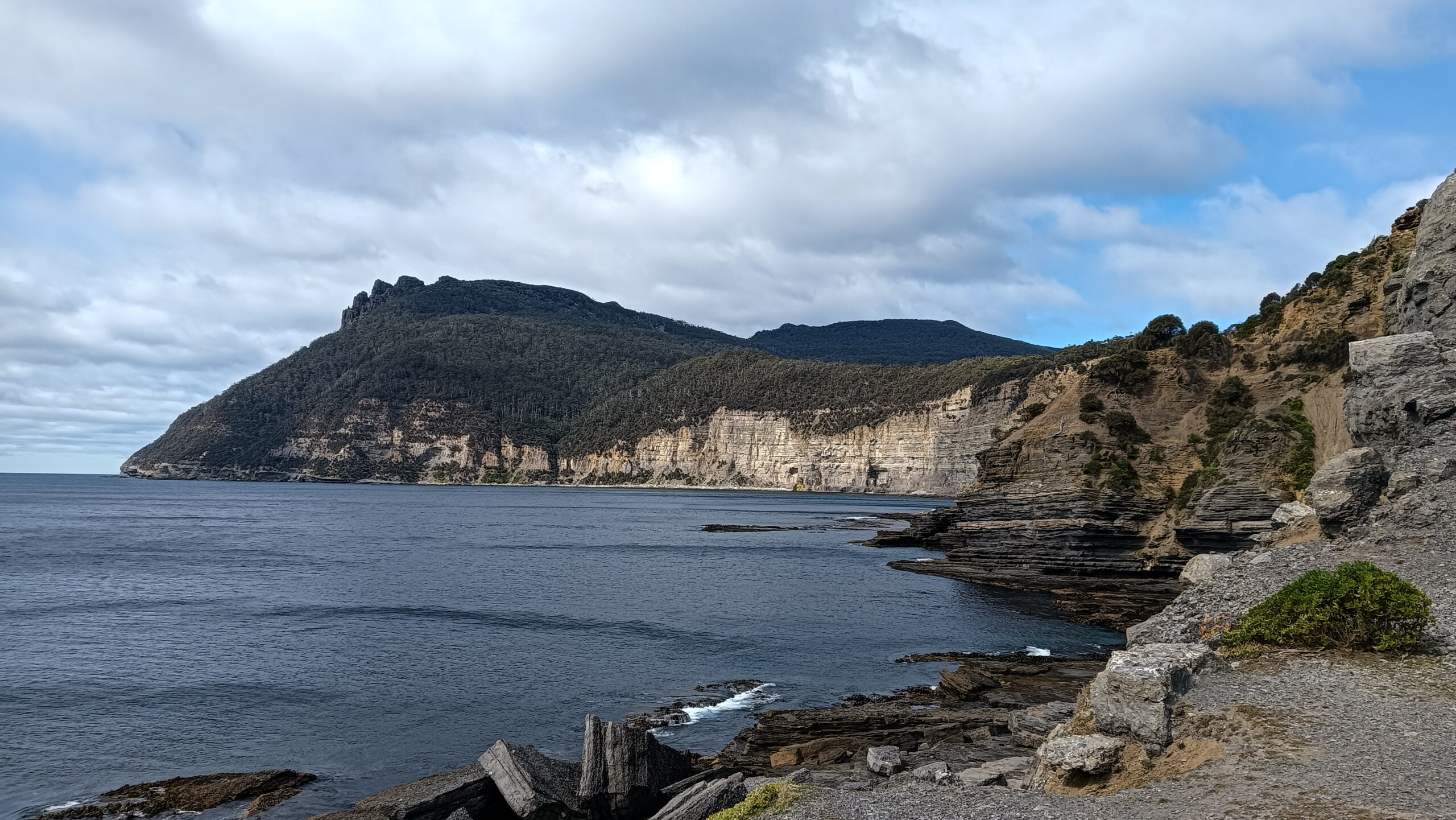
After breakfast, make your way north to Marion Bay, a peaceful coastal spot surrounded by rolling vineyards. Drop by vineyards for a wine tasting — Marion is also famous for its oysters with onsite degustation options.
From the nearby town of Triabunna, hop on the ferry to Maria Island National Park. This place is like an open-air wildlife sanctuary, where wombats, kangaroos, and even Tasmanian devils roam free. Don’t miss the Painted Cliffs, with their swirling sandstone patterns that glow at sunset.
Return to the mainland in the evening and camp at Mayfield Bay Conservation Area, a simple but stunning beachfront campsite.
Day 3: Freycinet National Park
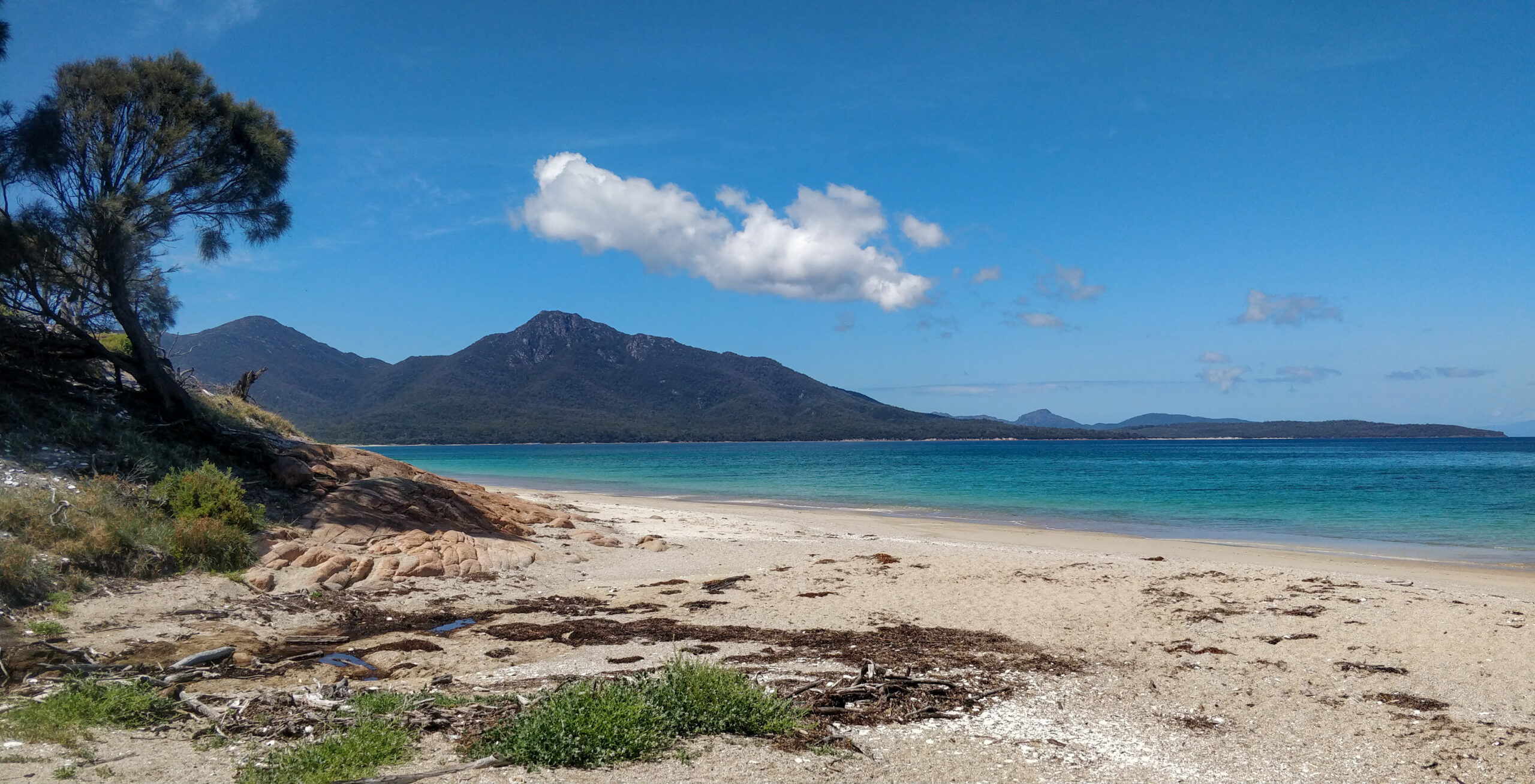
Today’s destination is Freycinet National Park, home to some of Tasmania’s most famous views. The climb up Mount Amos is steep and challenging but rewards you with a spectacular panorama of Wineglass Bay — one of the most photographed beaches in the world.
If hiking isn’t your thing, the shorter lookout walk is still breathtaking. Afterwards, cool off with a swim at Honeymoon Bay or enjoy a slower stroll along the white sands of Friendly Beaches.
In the evening, head north to the fishing town of Bicheno. After dinner, join a guided walk to spot little penguins waddling ashore — a magical experience.
Where to stay: Coastal campgrounds around Freycinet and/or north of Bicheno such as Lagoon Beach Campground offer easy access to the beach and is less than 30mins drive from the penguin colony.
Day 4: Bay of Fires
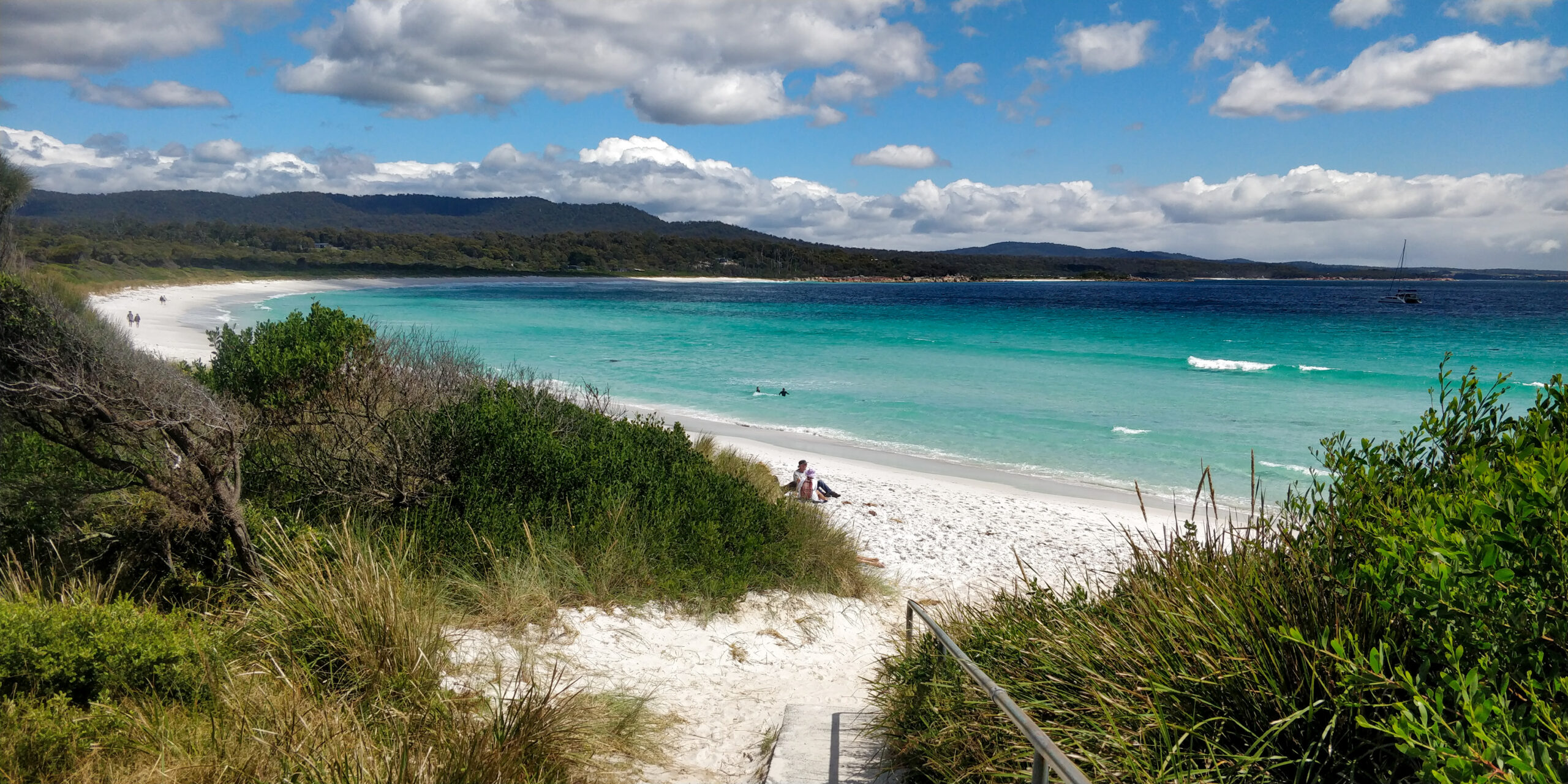
Start your morning with coffee in Scamander before driving north to the legendary Bay of Fires. The beaches here are out of this world: blindingly white sand, turquoise water, and orange-lichen-covered boulders that give the area its name.
Spend your day beach-hopping, snorkeling, or simply relaxing with your toes in the sand. If you’re up for a short hike, explore The Gardens, a hidden gem perfect for a refreshing swim.
Where to stay: Dora Point Campground is right by the water and offers that true wilderness feel.
Day 5: St Helens & Derby
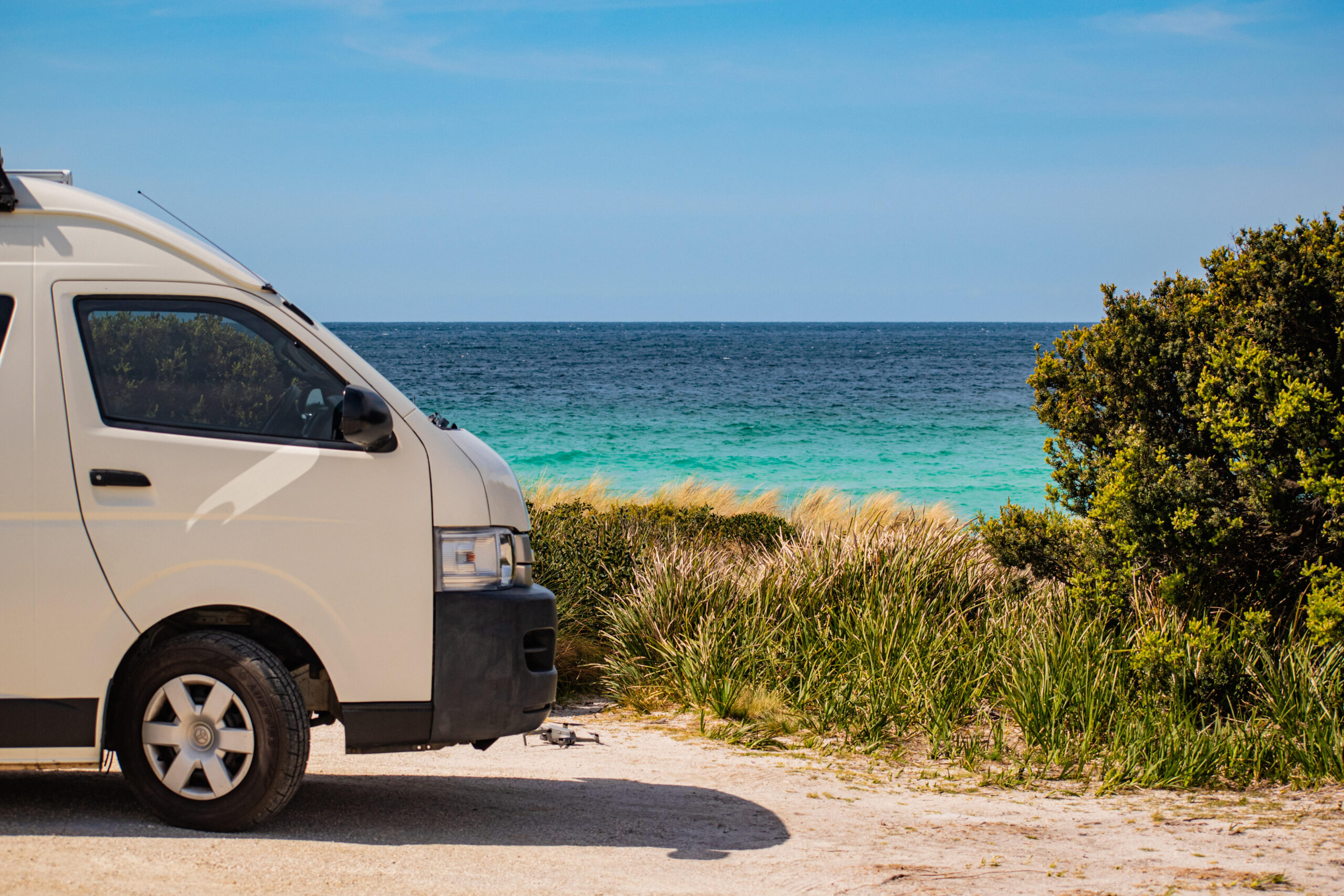
Today blends coast, forest, and culture. Begin with a paddleboarding, fishing or swimming session from your beach camping spot. A short drive inland brings you to Halls Falls, where a gentle walk through mossy rainforest leads to a waterfall and swimming hole.
From there, continue to the quirky inland town of Derby. Once a mining hub, it’s now famous for world-class mountain biking and its unique floating sauna on Lake Derby. Book a sunset session and watch the sky light up as steam swirls around you.
Where to stay: Camp in Derby itself or nearby free campsites along the river.
Day 6: Launceston & Deloraine

Leave Derby behind and head west through the rolling hills of northern Tasmania. In Launceston, take time to explore Cataract Gorge, where walking trails, a suspension bridge, and even a swimming pool are tucked into a dramatic river gorge just minutes from the city.
Continue to Deloraine, a charming riverside town known for arts and crafts. If you’re hungry, the local raspberry farm is a sweet stop for fresh berries and ice cream. Camp nearby by the Mersey River — if you’re lucky, you might even spot a platypus at dusk.
Day 7: Highlands Road to Mount Field National Park & Return to Hobart
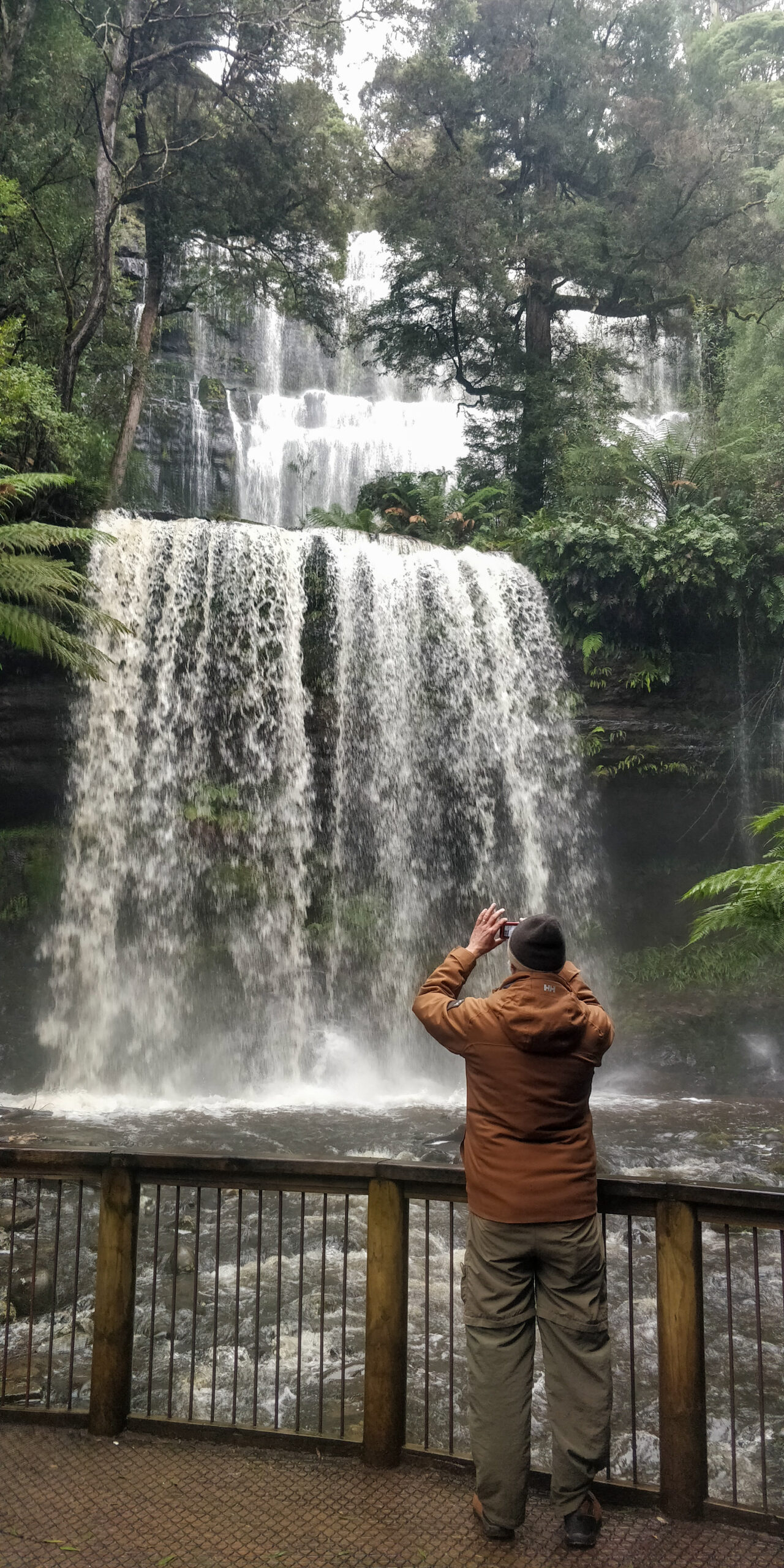
Your final day takes you on a scenic drive south through Tasmania’s central highlands. This area is dotted with lakes, windswept plains, and tiny fishing shacks — it feels wonderfully remote.
Eventually you’ll descend into the lush forests of Mount Field National Park, one of Tasmania’s oldest and most beloved parks. Take an easy walk to Russell Falls, a postcard-perfect cascade framed by giant tree ferns. If time allows, continue to the Tall Trees Walk, where massive swamp gums (the world’s tallest flowering plants) tower above you.
From here it’s a short drive back to Hobart, where your Tasmanian road trip comes full circle.
Final Tips for Your Tasmania Road Trip
- Book campsites early if traveling in summer, especially in Freycinet and Cradle Mountain.
- Respect wildlife — drive carefully at dawn/dusk, when wallabies and wombats are most active.
- Support local — Tassie’s small towns thrive on tourism, so grab a coffee, taste the wine, and chat with locals along the way.
- Slow down — the best memories often come from the unplanned moments, like stumbling upon a hidden beach or meeting fellow travelers at camp.
Author Bio

Paul is the founder of Tasvanlife, a Hobart-based campervan rental company that helps explorers discover Tasmania at their own pace. When he’s not out on the road testing new itineraries, you’ll find him hiking Tasmania’s trails, sharing travel tips, or tinkering with his growing fleet of vans.
Visit Tasvanlife | Explore Tasmania like a local


