

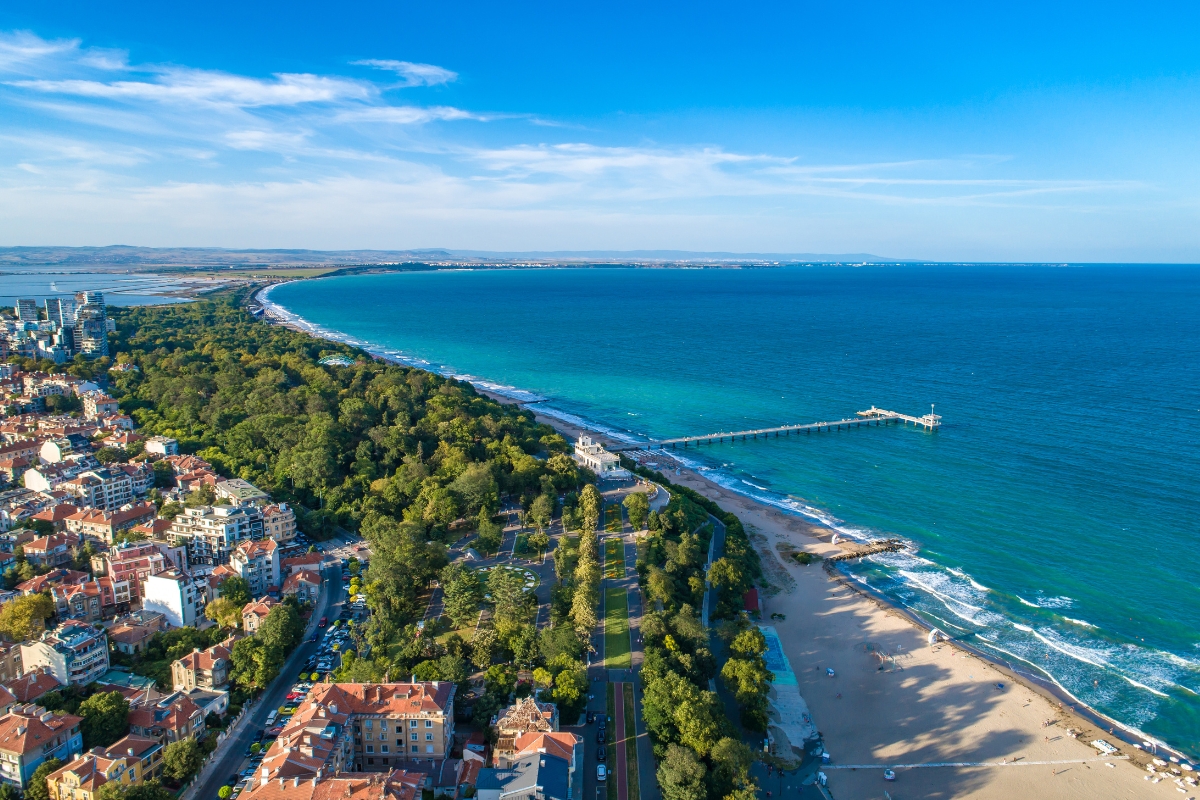
Bulgaria, a country with a rich cultural heritage dating back centuries, offers visitors a unique opportunity to explore its diverse history through various cultural sites. From ancient cities to vibrant folk music traditions, Bulgaria has something to offer every type of traveler. Additionally, the country boasts stunning landscapes, traditional crafts, delicious cuisine, historic monasteries, and impressive Thracian tombs, making it a perfect destination for history enthusiasts and adventure seekers alike.
What are the must-visit cultural sites in Bulgaria?
When exploring Bulgaria’s cultural heritage, there are several must-visit sites that should be on every traveler’s itinerary. The Rila Monastery, a UNESCO World Heritage Site, is a stunning example of Bulgarian religious architecture. Visiting the Thracian Tomb of Kazanlak provides insight into the ancient Thracian culture, while discovering the Ancient City of Plovdiv allows visitors to immerse themselves in Bulgaria’s rich history.
Exploring the Rila Monastery
The Rila Monastery, located in the Rila Mountains, is one of Bulgaria’s most iconic cultural landmarks. To plan a Rila Monastery tour from Sofia, travelers have several transportation options available, including buses and private tours. The best time of the year to visit the monastery is during the spring or autumn when the weather is pleasant and the crowds are smaller. Visitors can choose between a guided tour or a self-guided experience, with the option of using an audio guide for a more immersive visit.
Visiting the Thracian Tomb of Kazanlak
The Thracian Tomb of Kazanlak, also a UNESCO World Heritage Site, offers a glimpse into the ancient Thracian civilization that once inhabited the region. The tomb’s unique frescoes and architectural details showcase the artistic prowess of the Thracian people and their burial practices. Exploring the site with an audio tour can provide in-depth information about its historical significance.
Discovering the Ancient City of Plovdiv
Plovdiv, one of Europe’s oldest continuously inhabited cities, is a treasure trove of historical and cultural landmarks. Exploring the Ancient City of Plovdiv allows visitors to walk through centuries of history, from Roman ruins to Ottoman architecture. The city’s diverse cultural influences make it a must-visit destination for those interested in Bulgaria’s rich heritage.
What makes Bulgarian folk music and dance unique?
Bulgarian folk music and dance are integral parts of the country’s cultural identity, reflecting its history and traditions. The influence of Bulgarian history on folk music can be heard in the distinctive rhythms and melodies that define the genre. Traditional Bulgarian dance features intricate footwork and colorful costumes, with each region of the country having its own unique style.
The influence of Bulgarian history on folk music
Bulgarian folk music has been shaped by the country’s tumultuous past, with influences from Byzantine, Ottoman, and Slavic traditions. The use of traditional instruments like the kaval and gaida adds a distinctive element to Bulgarian folk music, creating a sound that is both lively and soulful.
Distinguishing characteristics of traditional Bulgarian dance
Bulgarian folk dance is known for its energetic movements and intricate choreography, with dancers often forming complex patterns and formations. The syncopated rhythms of Bulgarian music provide the backdrop for lively circle dances and line dances that have been passed down through generations.
Popular folk music festivals in Bulgaria
Throughout the year, Bulgaria hosts numerous folk music festivals that celebrate the country’s rich musical heritage. Events like the National Folklore Festival in Koprivshtitsa showcase traditional music and dance from various regions of Bulgaria, offering visitors a chance to experience the country’s vibrant cultural traditions firsthand.
How does Bulgarian cuisine reflect the country’s cultural heritage?
Bulgarian cuisine is a delicious reflection of the country’s cultural heritage, with dishes that highlight key ingredients and traditional cooking methods. Exploring Bulgarian cuisine provides insight into the country’s agricultural practices and culinary traditions, making it an essential part of any cultural experience in Bulgaria.
Key ingredients in Bulgarian cuisine and their cultural significance
Ingredients like yogurt, feta cheese, and bell peppers are staples in Bulgarian cuisine, with each playing a distinctive role in traditional dishes. The use of fresh herbs and spices adds depth and flavor to Bulgarian food, reflecting the country’s agricultural abundance and culinary ingenuity.
Traditional Bulgarian dishes to try
When visiting Bulgaria, be sure to sample traditional dishes like banitsa, a flaky pastry filled with cheese and eggs, and kebapche, grilled minced meat seasoned with spices. Bulgarian cuisine also features hearty stews, salads, and desserts that showcase the country’s diverse culinary heritage.
The role of food in Bulgarian celebrations and festivals
Food plays a central role in Bulgarian celebrations and festivals, with feasting and communal meals bringing people together to share traditions and stories. Events like the Rose Festival in Kazanlak highlight the connection between food, culture, and community, showcasing the importance of culinary traditions in Bulgarian society.
Why is the Rose Valley in Bulgaria famous?
The Rose Valley in Bulgaria is famous for its centuries-old tradition of rose cultivation and the production of high-quality rose oil. The region’s temperate climate and fertile soil create ideal conditions for growing roses, making it a hub for the rose industry in Bulgaria.
History of rose cultivation in Bulgaria
Bulgaria has a long history of cultivating roses for their aromatic oils, with the Rose Valley becoming renowned for producing some of the finest rose oil in the world. The delicate process of harvesting and distilling roses to extract their essential oils has been passed down through generations, preserving this important cultural practice.
Process of making rose oil in the Rose Valley
The production of rose oil in the Rose Valley involves meticulous care and attention to detail, from the handpicking of rose petals to the steam distillation process that extracts the oil. The resulting rose oil is highly prized for its distinctive fragrance and therapeutic properties, making it a valuable export for Bulgaria.
Popular rose-related festivals and events in the region
Every year, the Rose Valley hosts a variety of festivals and events that celebrate the rose harvest and showcase the cultural significance of roses in Bulgarian society. The Rose Festival in Kazanlak is a major highlight, featuring parades, music, and traditional rose-picking ceremonies that attract visitors from around the world.
