


If you’re considering a trip to Australia, you’re in for a treat. Australia is a country of contrasts, with a rich culture and diverse landscape. From the bustling cities to the rugged outback, there is something for everyone in this beautiful country. Whether you’re interested in exploring its natural wonders or its vibrant cities, Australia is sure to leave a lasting impression.
However, planning a trip to Australia can be daunting, especially if it’s your first time. With a vast landmass and an array of attractions to choose from, it’s easy to get overwhelmed.
But don’t worry. We’ve got you covered. In this article, we’ll guide you through the essentials of planning a trip to Australia for first-timers so that you can make the most of your time Down Under.
When to Go to Australia
Australia’s climate varies greatly across its vast continent, with different regions experiencing different seasons and weather patterns. The best time to visit depends on the activities and regions you plan to explore. Generally, the spring and fall months of September to November and March to May are the most temperate and pleasant. Summer (December to February) can be hot and humid in some areas, while winter (June to August) can be quite cold in the southern states. Additionally, Australian public holidays and events can affect travel and accommodations, so it’s important to take these into account when planning your trip.
Visa and Travel Requirements
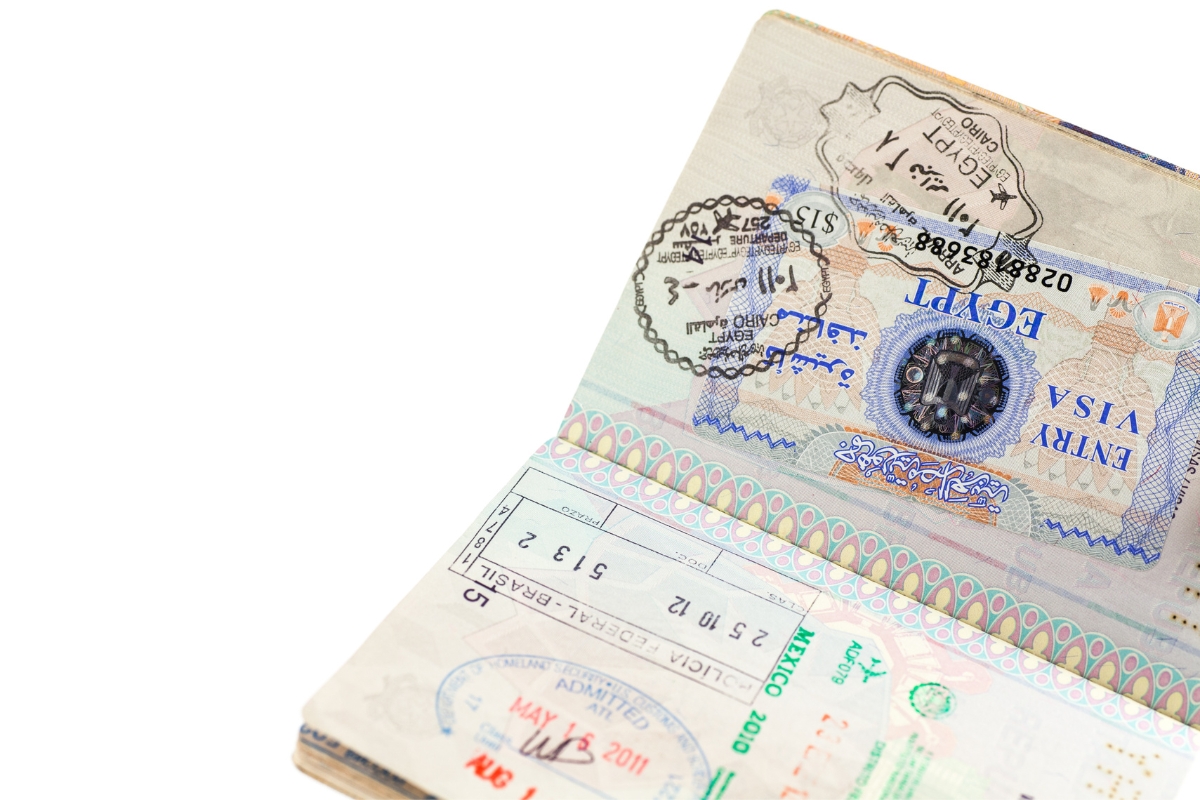
Visitors to Australia typically require a visa, with various options depending on the purpose and duration of the visit. The most common visa for tourists is the Electronic Travel Authority (ETA) or eVisitor, which can be applied online. Other important travel documents to consider include the following:
- A valid passport: You will need to have a valid passport with at least six months of validity remaining.
- Visa application form: You will need to complete the relevant visa application form, which can be found on the website of the Department of Home Affairs.
- Passport-sized photographs: You will need to provide passport-sized photographs of yourself and any accompanying family members. To easily create a visa photo for yourself, you may try AiPassportPhotos, an online passport photo maker. Only with a few clicks you will get the qualified result.
- Evidence of financial support: You will need to provide evidence that you have enough money to support yourself and any family members who are traveling with you.
- Health and character checks: You will need to undergo health and character checks, which may include a medical examination, police clearance certificates, and other documentation.
- Proof of purpose of travel: Depending on the type of visa you are applying for, you may need to provide evidence of your intended purpose of travel, such as a letter of invitation, travel itinerary, or proof of employment or study.
- Visa application fee: You will need to pay a non-refundable visa application fee when you submit your application.
It’s important to note that the requirements can vary depending on the type of visa you are applying for, so you should carefully review the specific requirements for your visa subclass before you apply.
Flights and Transportation
Australia is located on the other side of the world, for many visitors, which means that getting there usually involves a long flight. However, with major airlines offering direct flights from cities around the world, including Los Angeles, London, Dubai, and Singapore, it’s easier than ever to reach Australia. Some airlines also offer stopover packages, allowing travelers to break up the journey and explore other destinations on the way.
Once in Australia, there are various transportation options, including domestic flights, trains, buses, and rental cars. Public transportation is widely available in cities, with buses, trains, and trams all offering convenient and affordable options for getting around. Some areas also offer ride-sharing services, such as Uber and Ola, which can be a great option for short trips. For those looking to explore the outdoors, bike rentals are available in many cities, allowing visitors to see the sights on two wheels. Whatever your preferred mode of transportation, Australia offers a variety of options to suit all travel styles and budgets.
Accommodation
Australia offers a range of accommodation options. You can choose from budget-friendly hostels to luxury resorts. Popular tourist areas include major cities like Sydney and Melbourne and scenic regions like the Great Barrier Reef and the Outback. It’s important to budget for accommodation, as prices can vary greatly depending on the location and time of year. Booking in advance is also recommended, especially during peak travel periods.

Attractions and Activities
Australia is known for its stunning natural scenery, unique wildlife, and vibrant cultural landmarks. Must-see attractions for first-time visitors include the Sydney Opera House, Uluru (Ayers Rock), and the Great Barrier Reef. For those looking for off-the-beaten-path experiences, there are many hidden gems to discover, such as the Blue Mountains, Kangaroo Island, and the Kimberley region. It’s important to plan ahead for attractions and activities, as some require advance booking or may have limited availability.
Food and Drink
Australia has a rich and diverse culinary scene, with influences from all over the world. Popular dishes include meat pies, fish and chips, and the famous Aussie barbecue. It’s also worth trying local specialties like Vegemite, Tim Tams, and lamingtons. Dining out in Australia can be pricey, so it’s important to budget accordingly and consider cooking some meals at home or packing a picnic.
Safety and Health

Australia is generally a safe and welcoming country for visitors, but it’s important to take precautions to ensure a safe and healthy trip. This includes being aware of potential hazards like bushfires, extreme weather, and dangerous wildlife. Visitors should also be up-to-date on routine vaccinations and consider additional vaccines like hepatitis A and B if needed. It’s also a good idea to have emergency contacts and medical insurance in case of illness or injury.
Wrap Up
Planning a trip to Australia for first-time visitors can seem daunting, but with proper planning and preparation, it can be a truly unforgettable experience. Consider the best time to visit, visa and travel requirements, flights and transportation, accommodation, attractions and activities, food and drink, and safety and health. By taking the time to plan ahead and research your options, you can create a memorable and stress-free trip to Australia.


