


When you think of Alaska, you might imagine a frozen grassland blanketed in snow, packed with polar bears, dog sledding, and much more. Although Alaska is stunning year-round, most visitors prefer to go there in the warm and sunny summer months, with July being the busiest.
Though most sights and activities are available during the summer, the chilly winters in Alaska have a mysterious and comforting appeal.
There is always something for everyone in Alaska at any time of the year. It boasts a stunning landscape and countless opportunities for the typical traveler. This article discusses the best time to visit Alaska based on your interests.
Alaska in Summer

The summer season in Alaska runs from May through to the start of September. Summertime is when wildlife is most active and the weather is at its best. Popular towns such as Sitka, Juneau, Fairbanks, and Anchorage are in full swing during June.
This is the optimum time to experience long days, pleasant weather, and abundant wildlife. Higher lodging expenses and the occasional invasion of day-trippers in small towns are minor drawbacks during peak summertime.
Since Alaska isn’t a contiguous part of the United States, compared to the busiest summer months, September gets fewer tourists. As a result, travel deals and costs are lower during that time.
Here’s an Alaska summer trip itinerary you can try!
Climate During Summer
Depending on where you are, June is one of the finest months to visit Alaska because there are up to 24 hours of daylight each day. You’ll enjoy an extraordinary amount of daylight if you travel to Alaska in the summer, particularly around late June.
The southern region expects temperatures ranging from 60 degrees Fahrenheit to 80 degrees Fahrenheit. The northern parts of the region are even colder at night than the rest of the region.
Wildlife
The best time of the year to see Alaskan wildlife is typically summer. You might be able to spot moose, bears, and a variety of birds if you know where to look or take a tour. Since bears hibernate during the winter, the best time to see them is undoubtedly in the summer.
Between May and September, humpback whales, beluga whales, and harbor seals are active, and there’s a chance you’ll see orcas swimming in the ocean as well.
Summer Activities
Some of the most suggested summer activities are mountaineering, hiking, boating, and kayaking. By the end of June, the northerly trails are usually accessible.
Fishing is another fun activity to consider due to the abundance of saltwater fish. Do you want to know what is a good fish to fry that is available to catch in Alaska? There are tons of options to choose from. For instance, the months of June, July, and August are the peak season to catch red, silver, and pink salmon.
July is Alaska’s warmest month of the year. Small ship trips are available during this busy month. By booking one, you can visit beautiful destinations like Wrangell Narrows and Kake, which are inaccessible to larger ships. This is also the best month for birdwatching; shorebirds, songbirds, and puffins begin migrating in flocks.
Alaska in Spring
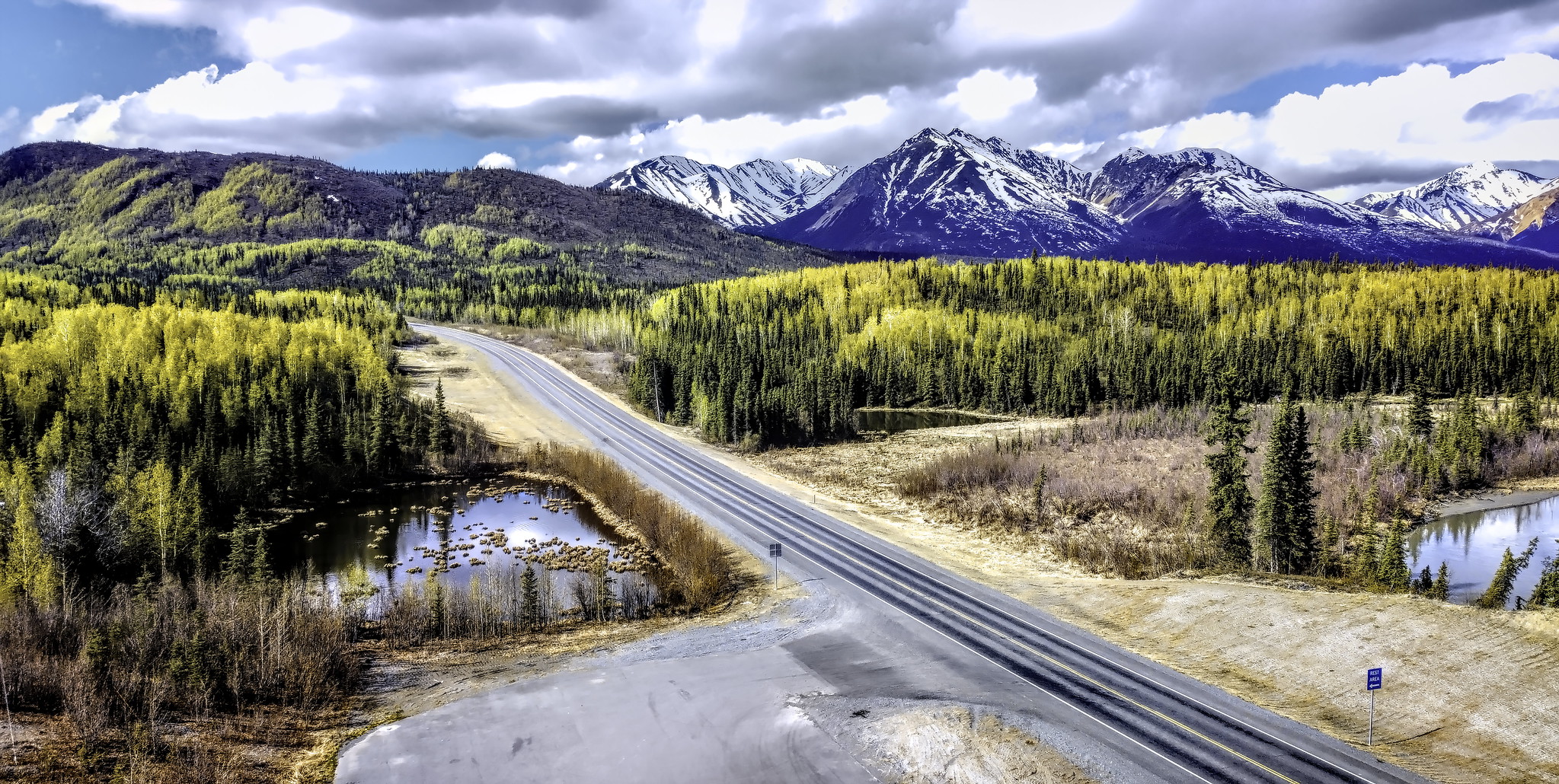
April to May is considered Alaska’s early shoulder and spring season. May is one of the driest months of the year, making it the best time to observe wildlife awakening as snow melts, spring migrations pick up, and the landscape begins to bloom.
You must wait until the very last days of spring if you wish to go hiking or travel to far-flung northern regions. If you plan to hike in Alaska during the spring, be prepared to stick to lower-altitude areas. Springtime temperatures can vary greatly depending on where you are and what time of year it is.
Springtime Cruising
Small Alaskan cruise ships start sailing across Alaskan waters in mid-March, with the majority of early spring voyages starting to run regularly in mid-April. You can also consider a long cruise trip from Washington or Seattle up to Alaska.
Climate During Spring
The temperature varies a lot during spring. For instance, the March weather in Fairbanks is significantly colder, with highs of 18 to 35 degrees Fahrenheit and lows of 5 degrees Fahrenheit.
The sun rises at 6 a.m. and sets at about 9:50 p.m. in Anchorage by April, giving you plenty of time to engage in daytime and nighttime activities.
Wildlife
In Alaska, spring is a good time to see some wildlife, especially later in the season when bears emerge from hibernation. As with other of Alaska’s birds, moose and Dall sheep are typically visible throughout the year. Gray whale sightings are likely along the coast in March and April.
Spring Activities
Skiing, snowboarding, and snowmobiling are some of the everyday spring activities to do in Alaska. Visiting hot springs is also recommended. The best perk of visiting Alaska in April is that you get to experience the state as local people know it.
Fairbanks, Alaska is a great destination to visit during springtime. Although it lacks the same number of mountains as Alaska’s coastal cities, it makes up for it with amazing northern light displays, hot springs, and entertaining activities like watching the Iditarod race, an annual early March long-distance dog sled race.
Alaska in Fall

The fall or shoulder season in Alaska begins in September, with fewer tourists and frequent Alaska special deals. The fall-like gold, red, and purple hues of trees and tundra are a result of the cooler temperature. The longer evenings may present possibilities to see the aurora borealis.
The right time to visit Alaska for cheap rates and travel discounts is in September, which also happens to be the end of the Alaska tourism season.
Regarding the availability of activities, fall is comparable to spring, only in reverse. With the exception of sites open year-round, you’ll discover that most activities tend to wind down in October.
Climate During Fall
In general, September has good daylight and reasonably long days, but by October, the evenings start to get shorter. Fall temperatures begin to decrease swiftly after a very mild start.
In September, expect temperatures in Anchorage to be between 50 and 62 degrees Fahrenheit during the day and 39 to 49 degrees Fahrenheit at night.
Wildlife
You have a better chance of seeing a variety of wildlife because animals are busy preparing for the next winter by breeding, migrating, establishing territories, searching, and hunting for food. Wild animals like bears, elk, and moose are visible.
September also marks the sight of migrating birds like gulls and raptors. Harbor seals and sea lions are more often seen on the coast.
Fall Activities
Hiking during early fall among travelers decreases when October rolls around. By late September, the majority of mountains are not accessible for hiking or other activities.
In Alaska, during late fall, the weather becomes increasingly cold and wet, and the residents prepare for the cold, harsh winter ahead.
The fall colors are what attract a lot of visitors. The fall landscapes are a treat to watch. Hearty travelers may be drawn to fishing and specialty tours. Alaska Day is celebrated in October, and the Sitka WhaleFest is a well-known celebration of Alaska’s beloved whale population.
Alaska in Winter

Alaskan winter is mainly for hard-core travelers. The winter season is roughly from November until March. Winters in Alaska can be both severe and beautiful and are essentially the greatest time of the year for snow activities like dog sledding and skiing.
Winter is extremely dark and chilly, with cruise-ship-focused businesses closing and access to traditional outdoor sports like kayaking and backcountry trekking becoming challenging. In the winter, there is no access to high ground, and many isolated regions in northern Alaska are cut off.
Climate During Winter
In December, you won’t see much daylight if you travel to Alaska. If you want more daylight for activities, February is the best wintertime month to visit because of the slightly longer days and shorter nights.
The weather will be below 32 degrees Fahrenheit, with temperatures below zero typical up north. Additionally, a lot of snow is to be expected.
Wildlife
Snow makes wild animals less noticeable, such as the enormous bears that hibernate. Moose are active during the winter. Many animals and birds migrate away due to the harsh weather.
Arctic animals go into hibernation to adapt to the climate. Occasional bald eagles are seen, only to hunt fish like salmon.
Winter Activities
The winter’s main attraction is seeing the aurora borealis or the northern lights. Due to the clearer sky, these can be seen at their best in winter. Travelers from all over the world brave cold, long nights only to witness this spectacle of nature.
At the end of the month, when the snow is thick enough, winter activities like dog sledding and snowshoeing really pick up. As the ice hockey season gets underway, things also get more lively indoors.
Since the skies are clearer than they are in the summer, it is easier to see the ice-crusted face of Denali. A few winter festivities, including the well-known Yukon Quest, also draw tourists.
Conclusion
The fall and spring seasons in Alaska offer special attractions at cheap prices. From our viewpoint, June, July, and August are the ideal months to visit Alaska. The best time to travel to Alaska is in July when the wildlife and weather are at their ideal.
But in Alaska, each month has its own appeal, so you need to pick the best time for you based on the kind of activities you want to engage in.