

Ipoh is a lovely city tucked away in Malaysia’s state of Perak. Ipoh has undeniable charm despite being smaller than Kuala Lumpur or Penang because of its extensive history and varied cultural heritage. This city is a veritable gold mine of legends, customs, and history just waiting to be discovered. In this article, we’ll examine Ipoh’s rich history and culture from a local viewpoint.
The Colonial Era in Ipoh
Ipoh was established in the 1880s, at the height of Perak’s tin mining boom. The Kinta Valley, which surrounds Ipoh, was one of the greatest tin resources in the world, making it a prime location for tin mining. Ipoh quickly became a thriving town due to the Chinese immigrants drawn there to work in the mines.
Due to their interest in the lucrative tin trade, the British had a significant presence in Ipoh during this time too. They created administrative offices and magnificent colonial-style structures, still standing today. Ipoh’s Town Hall, Birch Memorial Clock Tower, and Train Station are just a few of the city’s significant colonial structures. These structures serve as a reminder of Ipoh’s past and exhibit the exquisite architectural design of the colonial era.
Exploring the Old Town
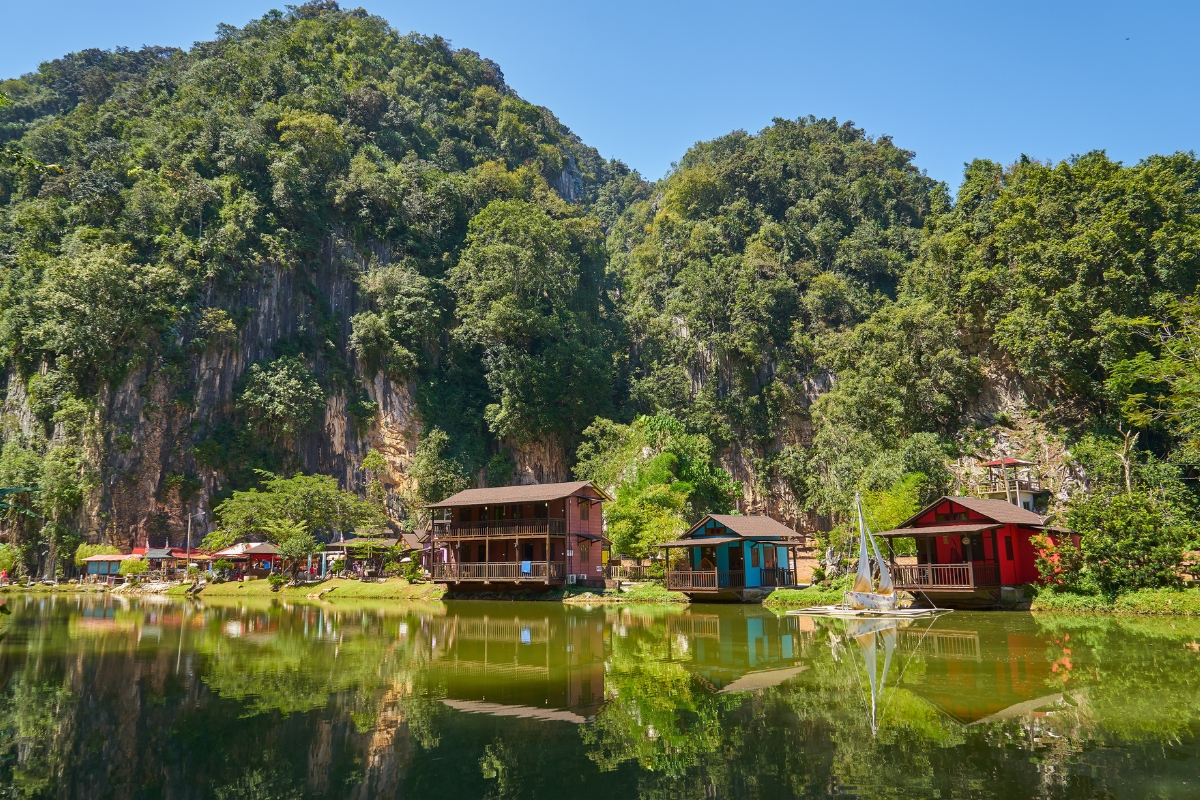
Exploring the old town area is one of the greatest ways to learn about Ipoh’s rich history and culture; to ensure you don’t miss out, read this Ipoh travel guide on travelswithsun.com. Colonial-era structures and early 1900s-era typical shophouses coexist in the old town. The old town’s streets transport you back in time as you stroll through them. It’s breathtaking to see the historic shophouses with their elaborate carvings and vibrant façade.
One of the busiest parts of the old town is Concubine Lane. It is a small street with stores offering handmade goods, regional specialties, and souvenirs. This street’s peculiar name hails back to a time when many affluent Chinese businessmen kept their mistresses there during the colonial era.
Aside from Concubine Lane, Han Chin Pet Soo Museum is another must-see site in the old town. During the colonial era, this museum served as a Hakka Tin Workers’ Club clubhouse. The wonderfully restored building is home to a museum that illustrates the tin mining history and different lifestyles then. Visitors to the museum can take engaging guided tours that provide intriguing historical context for Ipoh.
Entry is free for Han Chin Pet Soo Museum, but donations are expected. You can make bookings for the tours and choose your time slots at ipohworld.org.
Sampling the Local Cuisine
Ipoh is renowned for its delectable cuisine, which combines Indian, Malay, and Chinese flavors. Ipoh Gai Se Hor Fun is one dish visitors should not miss. It is a style of noodle soup made with spring onions, beansprouts, diced chicken, and prawns. Hor fun noodles are silky smooth, and the prawn and chicken broth base is savory.
Try kaya puffs if you enjoy sweet sweets. Kaya is the sweet coconut, milk, and egg-based jam inside the kaya puffs. And kaya puffs, with their flaky pastry, create a divine fusion of tastes and textures.
Immersing in the Local Culture
A dynamic culture with a strong foundation in traditions and customs can be found in Ipoh. Attending the many festivals and celebrations held throughout the year is one of the finest ways to learn about the local culture.
The Thaipusam festival is one of Ipoh’s most vibrant celebrations. Each year, the Hindu holiday of Thaipusam is observed in January or February. It’s a time when worshipers honor Lord Murugan, the Hindu deity of war, by bearing heavy weights as an act of penance. With worshipers dressed in vibrant colors and some sporting ornate body jewelry and piercings, the procession is a striking sight.
The Mooncake Festival, which often takes place in September or October, is another important event in Ipoh. The event heralds the completion of the fall harvest and the start of the lunar calendar’s eighth month. During this occasion, the Chinese like to gift and eat mooncakes. These are tiny round cakes with sweet or savory contents. The cakes are typically consumed with friends and family. And during this festival, many families will partake in evening strolls carrying lanterns.
The Role of Religion in Ipoh

Buddhism, Hinduism, and Islam are the three most prevalent religions in Ipoh, and they all play an important part in the city’s culture. With numerous temples, shrines, and mosques dotting the countryside, each religion has a significant presence in the city.
The Kek Lok Tong Cave Temple is one of Ipoh’s most spectacular religious monuments. This temple, housed in a sizable limestone cave, is a marvel of natural and artificial beauty. Visitors can explore the cave’s different chambers and take in the stalactites and stalagmites while admiring the temple’s numerous Buddha statues and other religious artifacts.
Other than Kek Lok Tong Cave Temple, Perak Tong Cave Temple is another one of Ipoh’s oldest and most important Buddhist temples. And besides an impressive collection of Buddhist statues, it has interesting geographical features since it is built into the side of a limestone hill. Visitors can ascend the stairs within the temple to the top of the hill to take in the expansive views of the surroundings.
Another major religious location close to Ipoh is the Masjid Ubudiah in Kuala Kangsar. It is a stunning mosque that Sultan Idris Shah constructed at the beginning of the 20th century. Moorish, Hindu, and Gothic elements are combined in the mosque’s stunning architecture, both inside and out.
The Street Art Scene in Ipoh
Ipoh has gained popularity in recent years for its street art movement. The city’s walls have been transformed into stunning works of art by various gifted local painters, contributing to the beauty and personality of the place.
The “Old Uncle Drinking Coffee” mural is among Ipoh’s most well-known examples of street art. This mural shows an elderly guy sipping coffee at the intersection of Jalan Tun Sambanthan. It’s just across from the Ipoh tourist information center. The mural has become a well-known photo location and a representative image of Ipoh.
Mural Art’s Lane is another go-to spot for street art in Ipoh. This street in Ipoh New Town is lined with vibrant murals and graffiti artwork. Visitors can appreciate the bright art while learning more about the history and culture of the city. It’s a terrific area to explore on foot.
Final Thoughts
Ipoh is a city full of pleasant surprises and undiscovered treasures. Ipoh has much to offer everyone—especially anyone who appreciates history, good food, or culture.
There are plenty of things to see and do in Ipoh too. From taking in the colonial grandeur of the old town to trying the local food and getting lost in the vibrant local culture. Why not book a trip to this lovely city and discover its allure yourself?